
Made By Hand: Reclaiming Analog Experiences Through Nostalgia
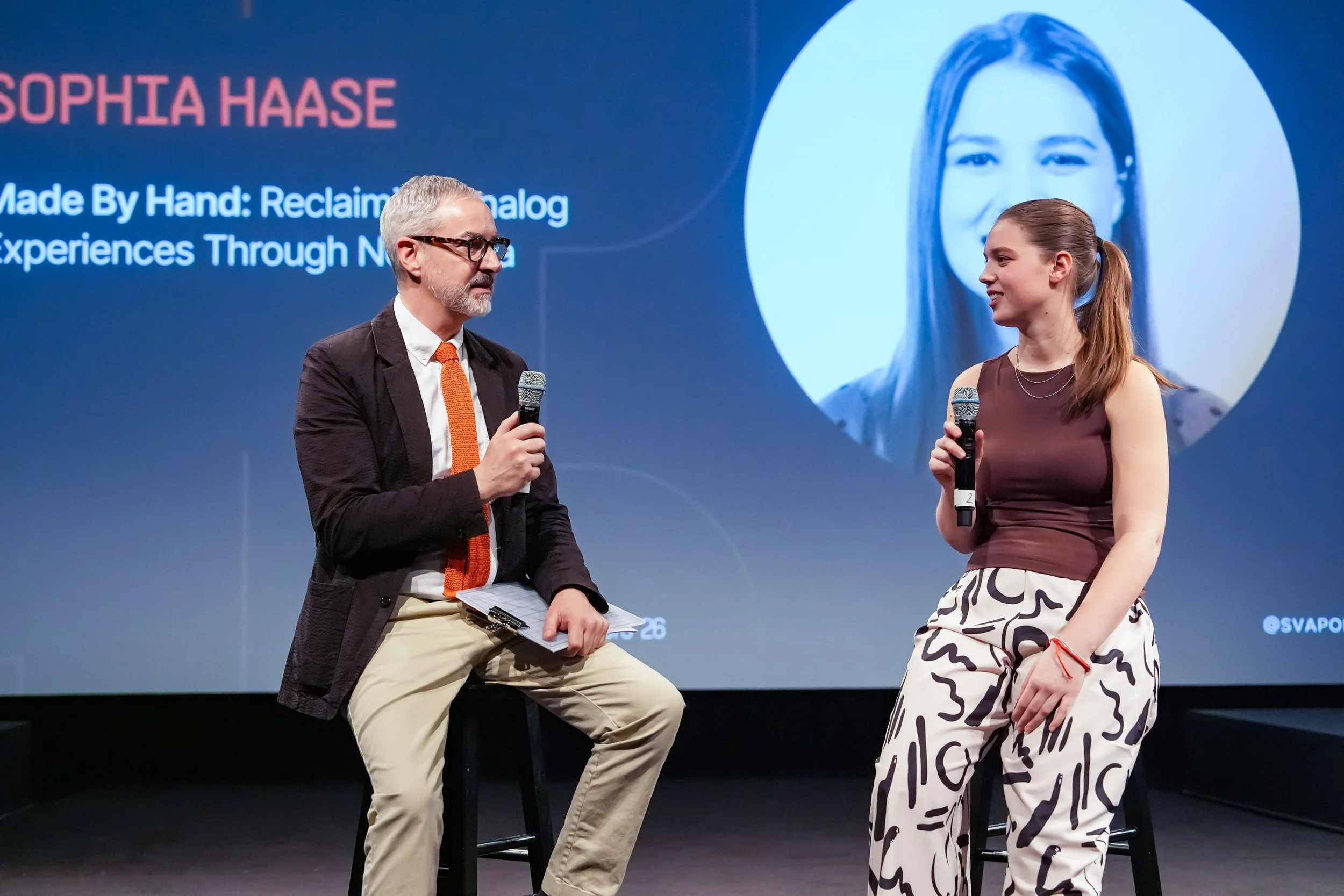
Sophia Haase’s thesis, Made By Hand: Reclaiming Analog Experiences Through Nostalgia, explores how nostalgia can be used as a tool to encourage hand engagement and reconnect people with the physical world. In an age defined by speed, screens, and instability, people turn to nostalgic aesthetics as a form of comfort. This thesis project argues that nostalgia is most meaningful when it leads to physical engagement and analog experiences.
“How might we do nostalgia better, to deepen our understanding of the present and reveal new possibilities for the future?”
— Gary Cross, Consumed Nostalgia
In order to make our lives more efficient, modern design takes away friction, and with it, the opportunity for tactile embodied experiences. Bret Victor explains in his rant on the future of design that “Picture Under Glass technology sacrifices all the tactile richness of working with our hands, offering instead a hokey visual facade.” Without this friction, we have a big problem. Our hands are bored.
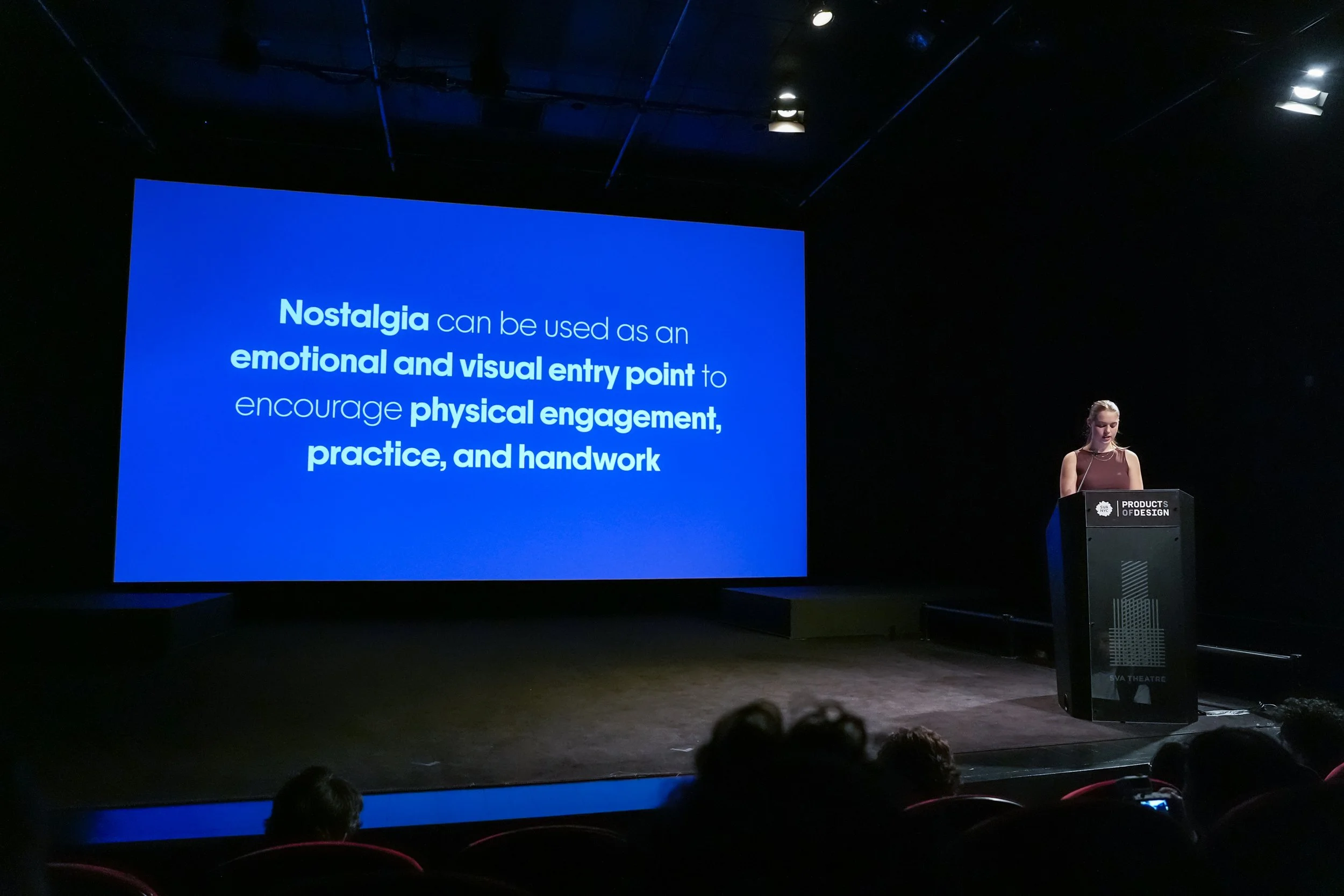
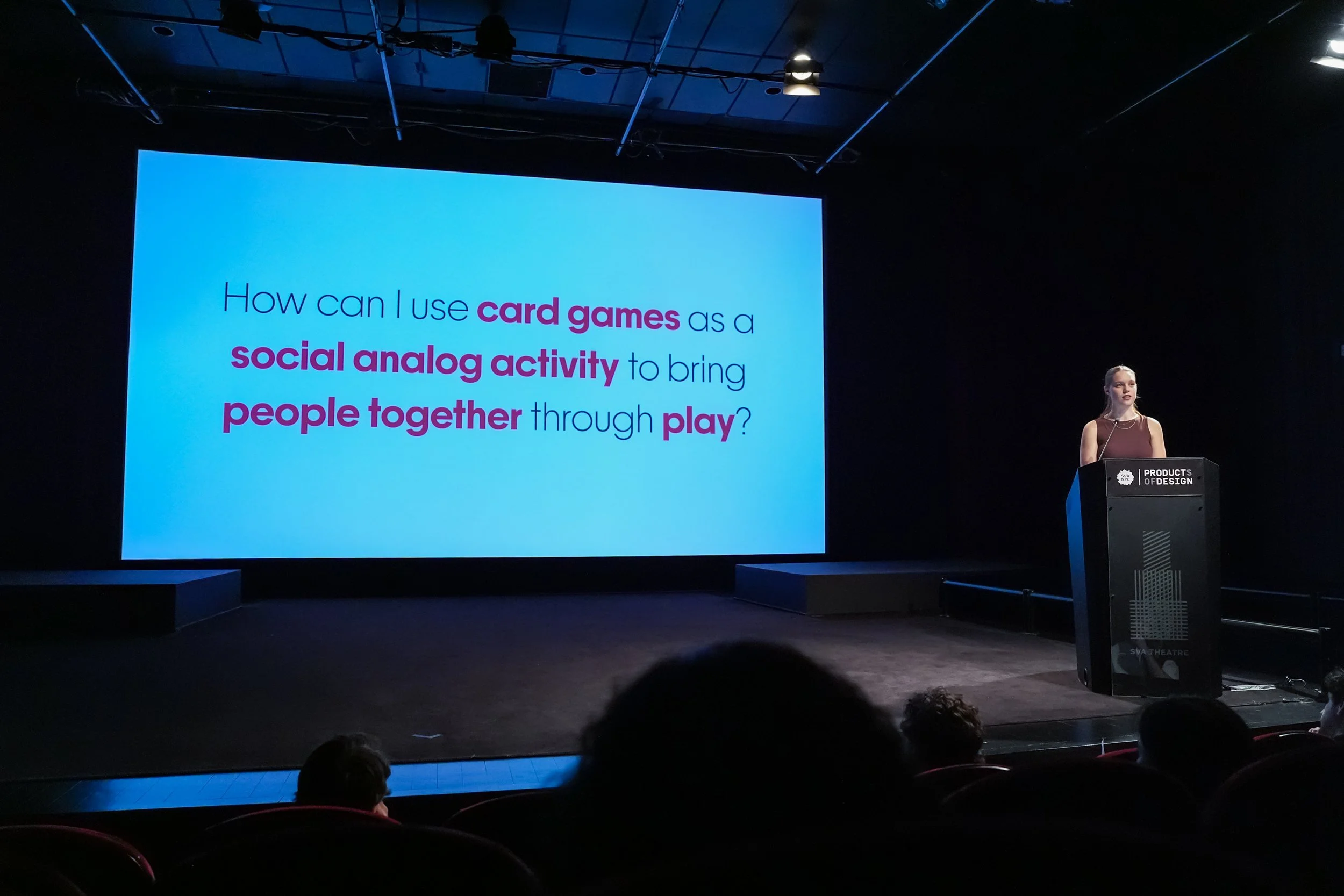
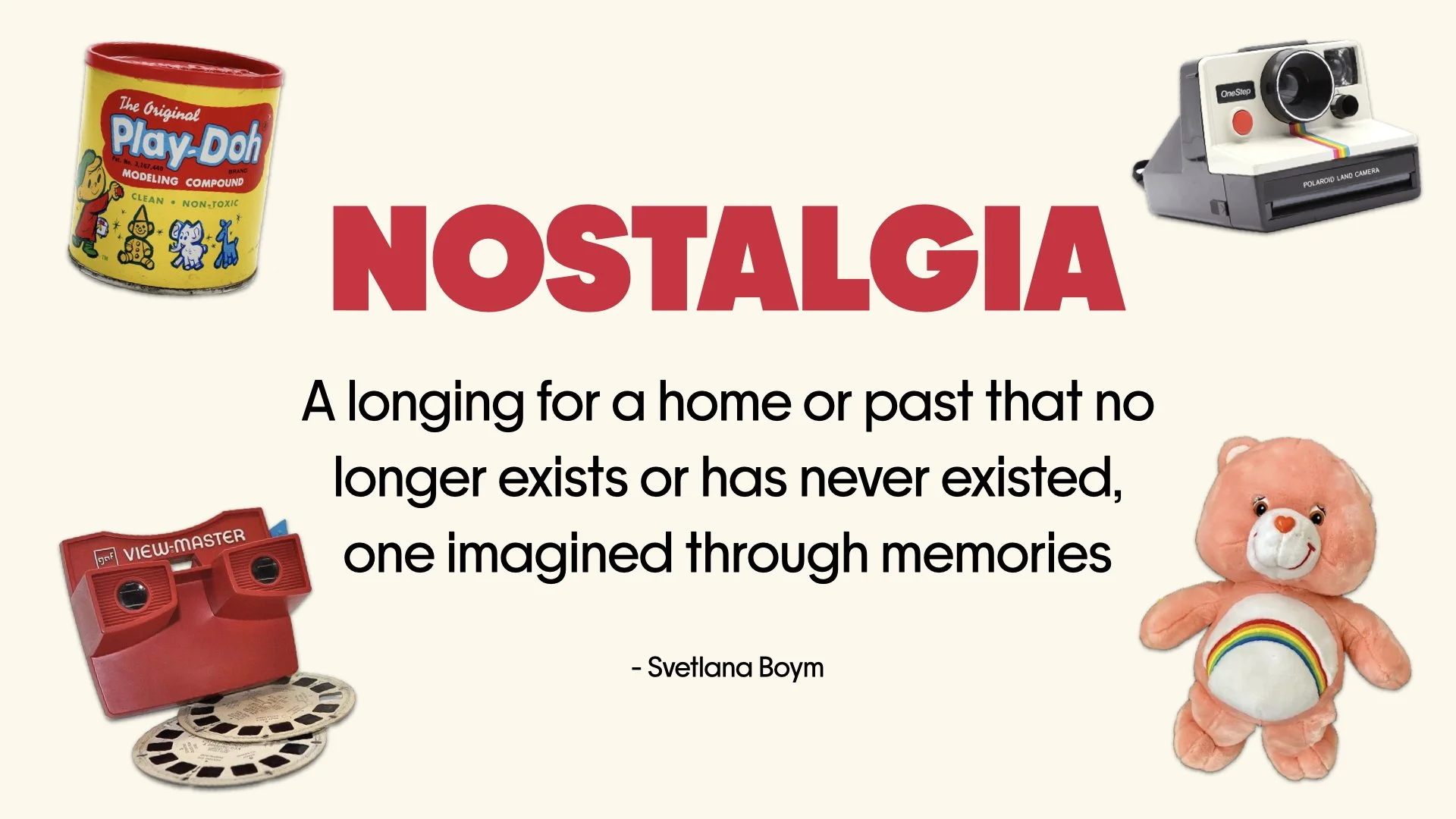
Sophia became interested in the idea of nostalgia, the longing for home or the past that no longer exists or has never existed. She found that people turn to nostalgia as a coping mechanism because they feel uneasy with what is going on in the world. They long for simpler and “better times.” But she noticed an issue with this trend. Companies were taking advantage. They reference nostalgic aesthetics in their products superficially, not to encourage better behaviors, but as a way to get us to buy more stuff. So she thought, “How can I use nostalgia as an emotional and visual entry point to encourage people to go back to using their hands?”
Sophia’s thesis explores how nostalgia can be used as an emotional and visual entry point to encourage physical engagement, practice, and handwork.
Clipped
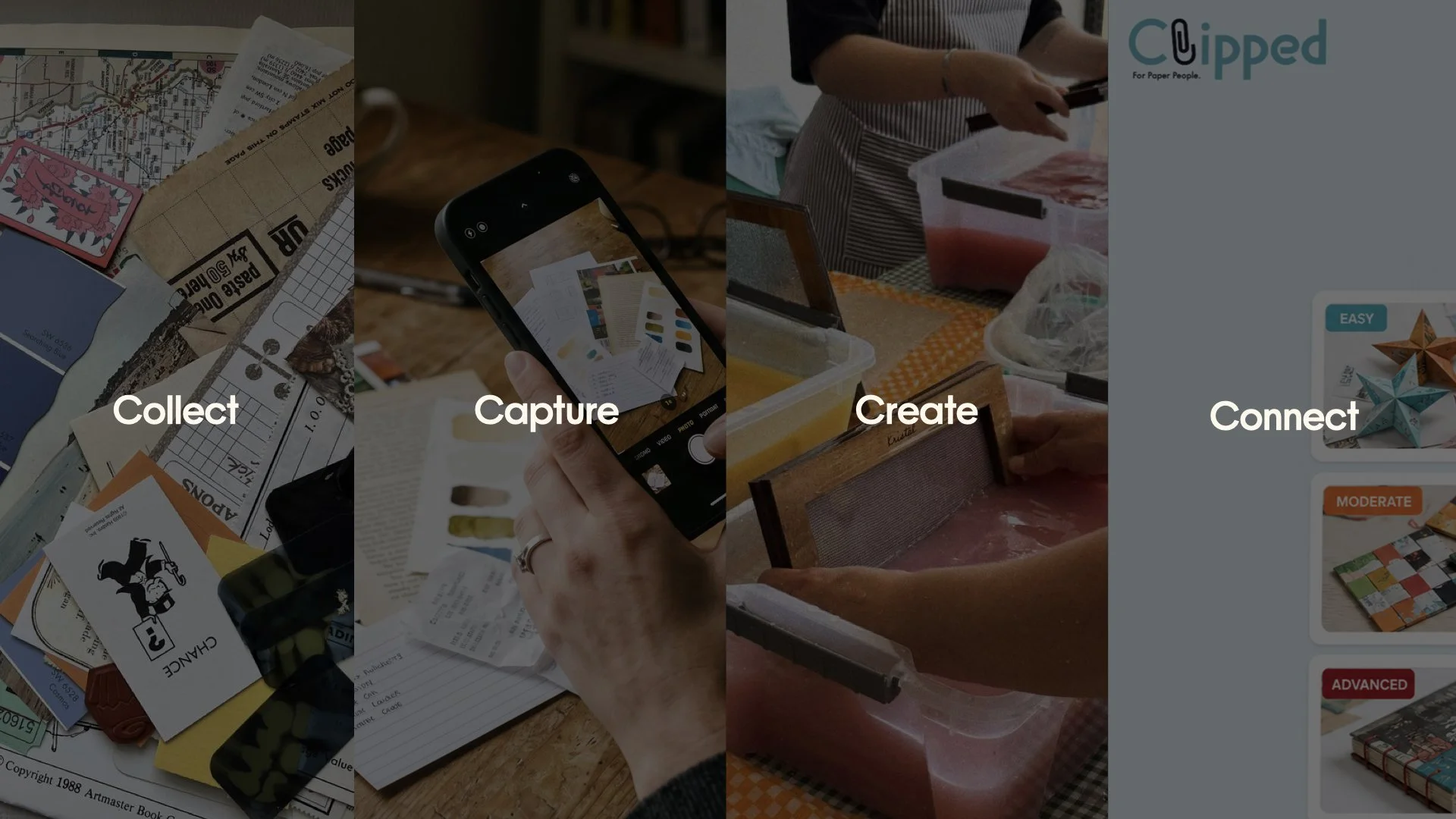
Clipped is a service that helps people identify scrap paper and provides them with clear ways to transform that paper into something new. It all starts with a simple piece of paper, something reminiscent of hardcover books and handwritten letters and the world before the internet.
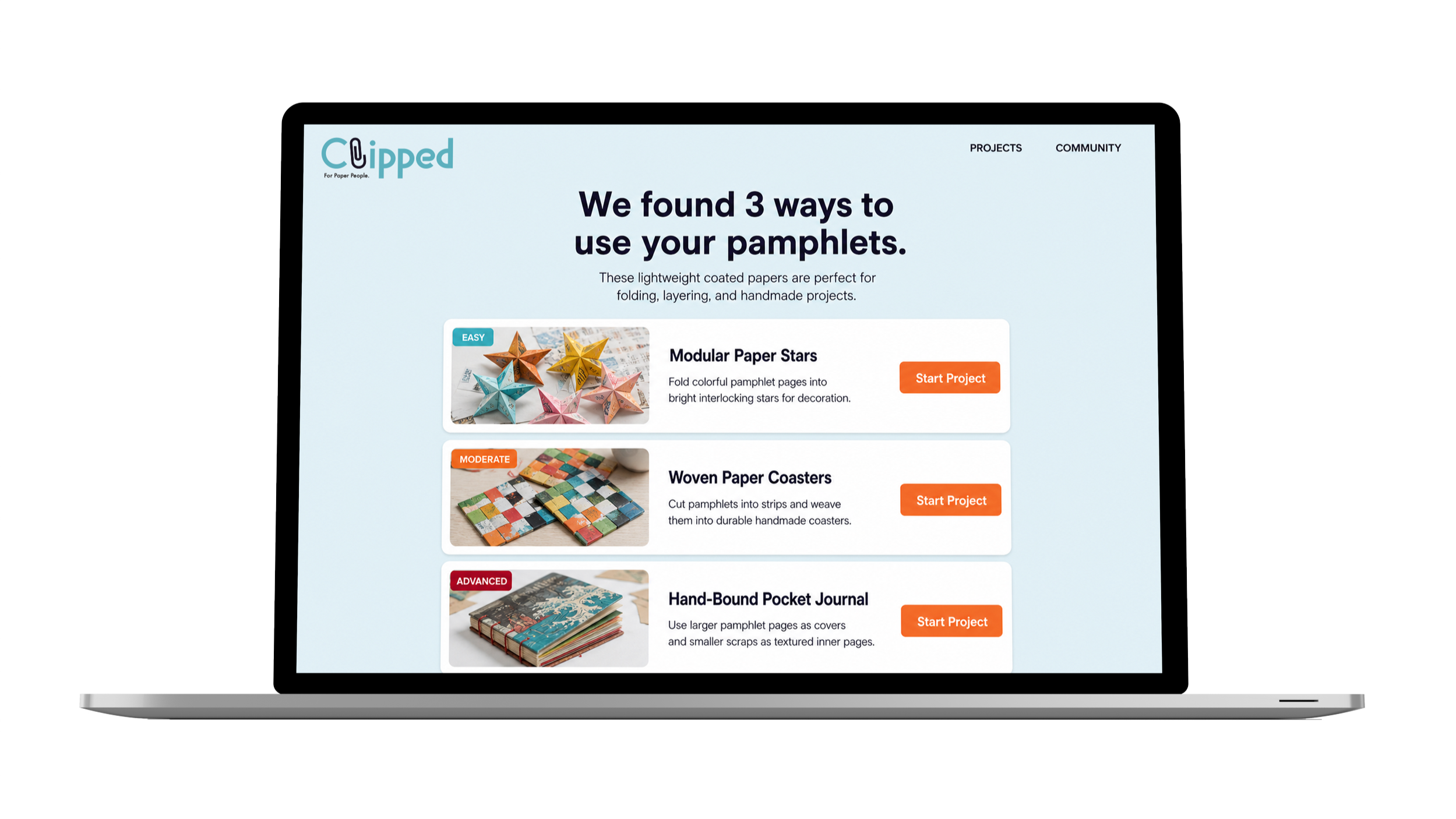
There are so many ways to transform a simple piece of paper, but Sophia found that online directions and store-bought guides don't support the user through the entire process of up-cycling. Clipped suggests activities, breaks down the work into steps, and offers guidance from a community of other paper people along the way.
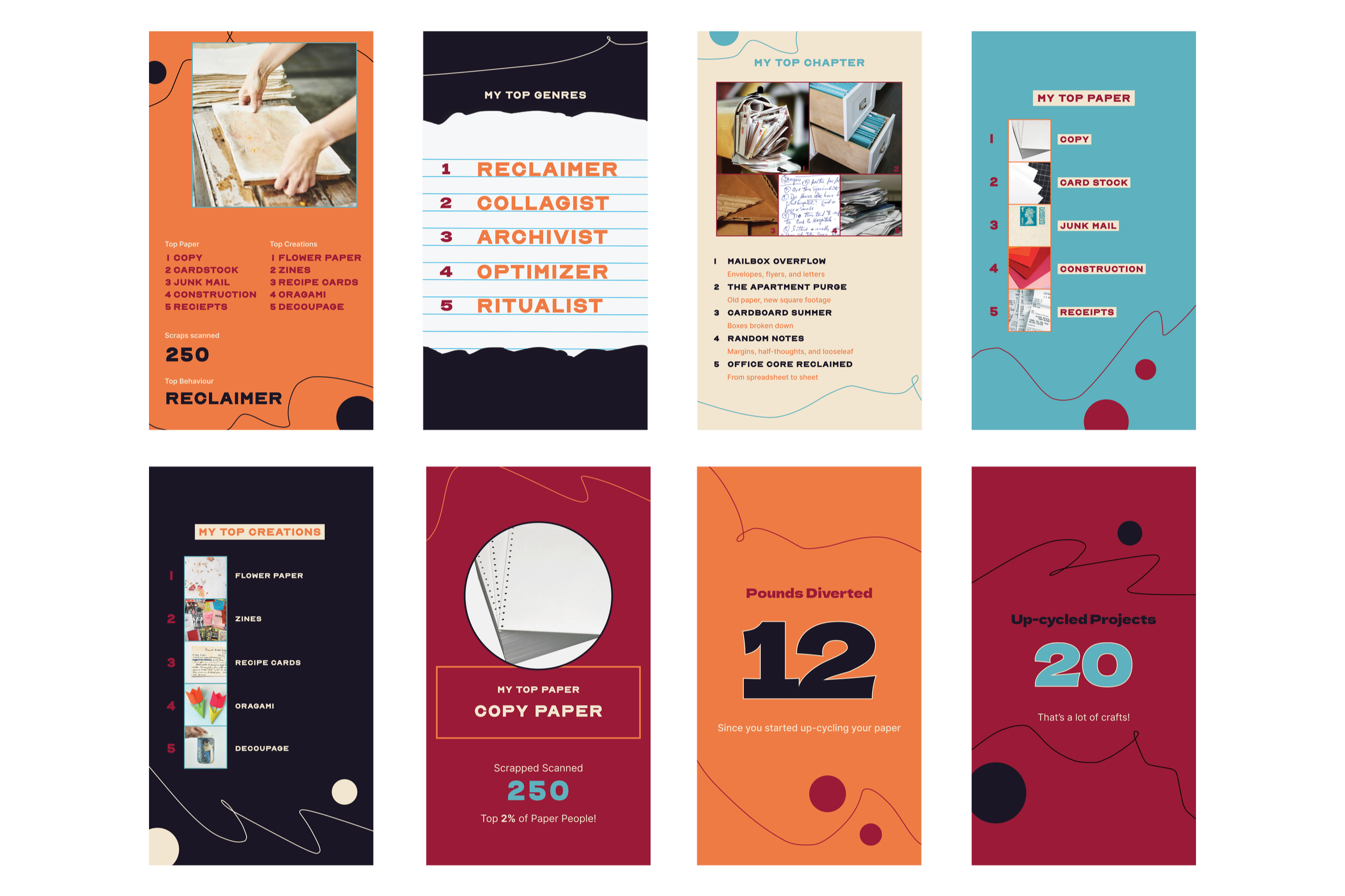
Clipped subscribers also receive a weekly Wrapped Paper report to show their paper personality and see the benefits of up-cycling paper.
Pocket Pair
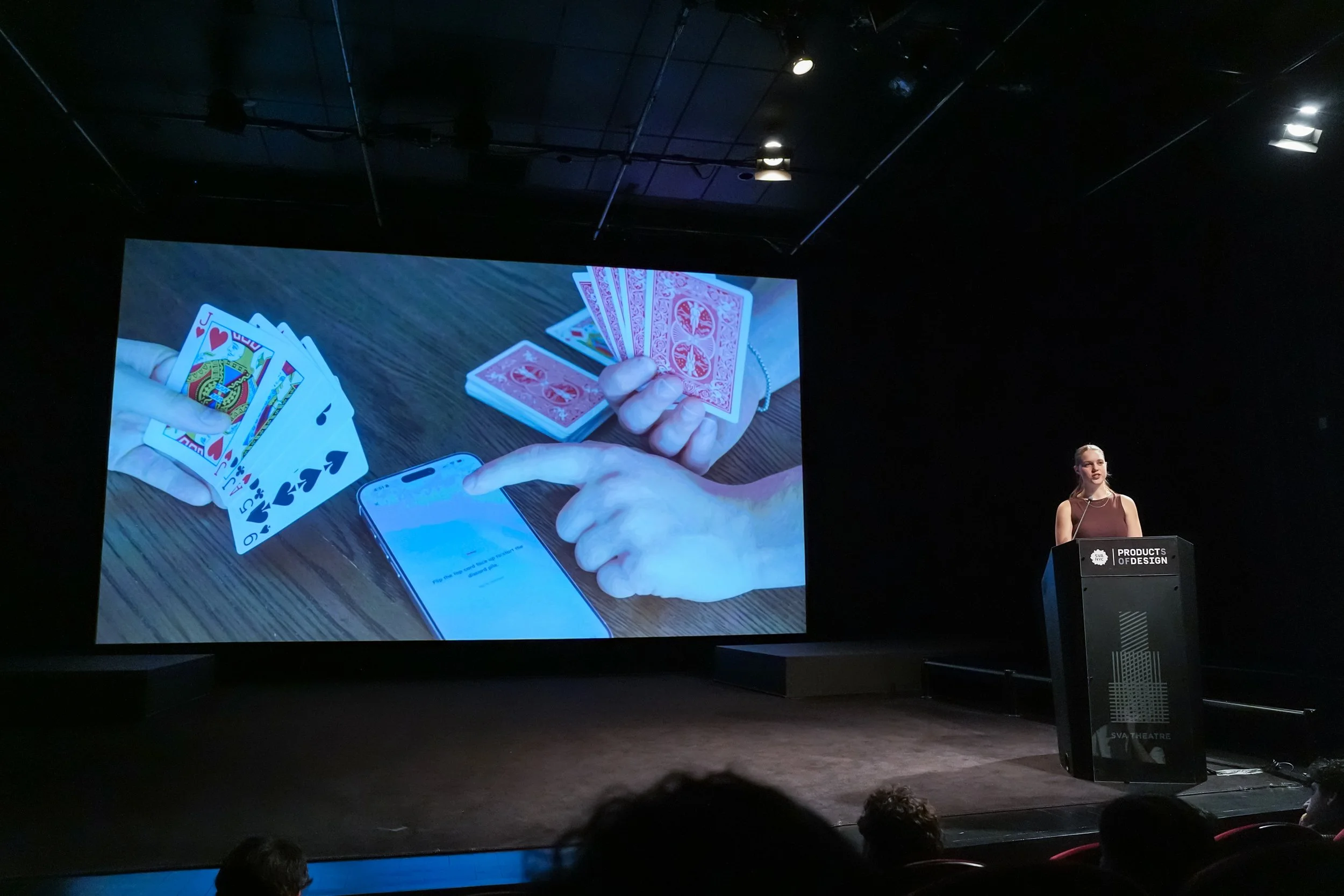
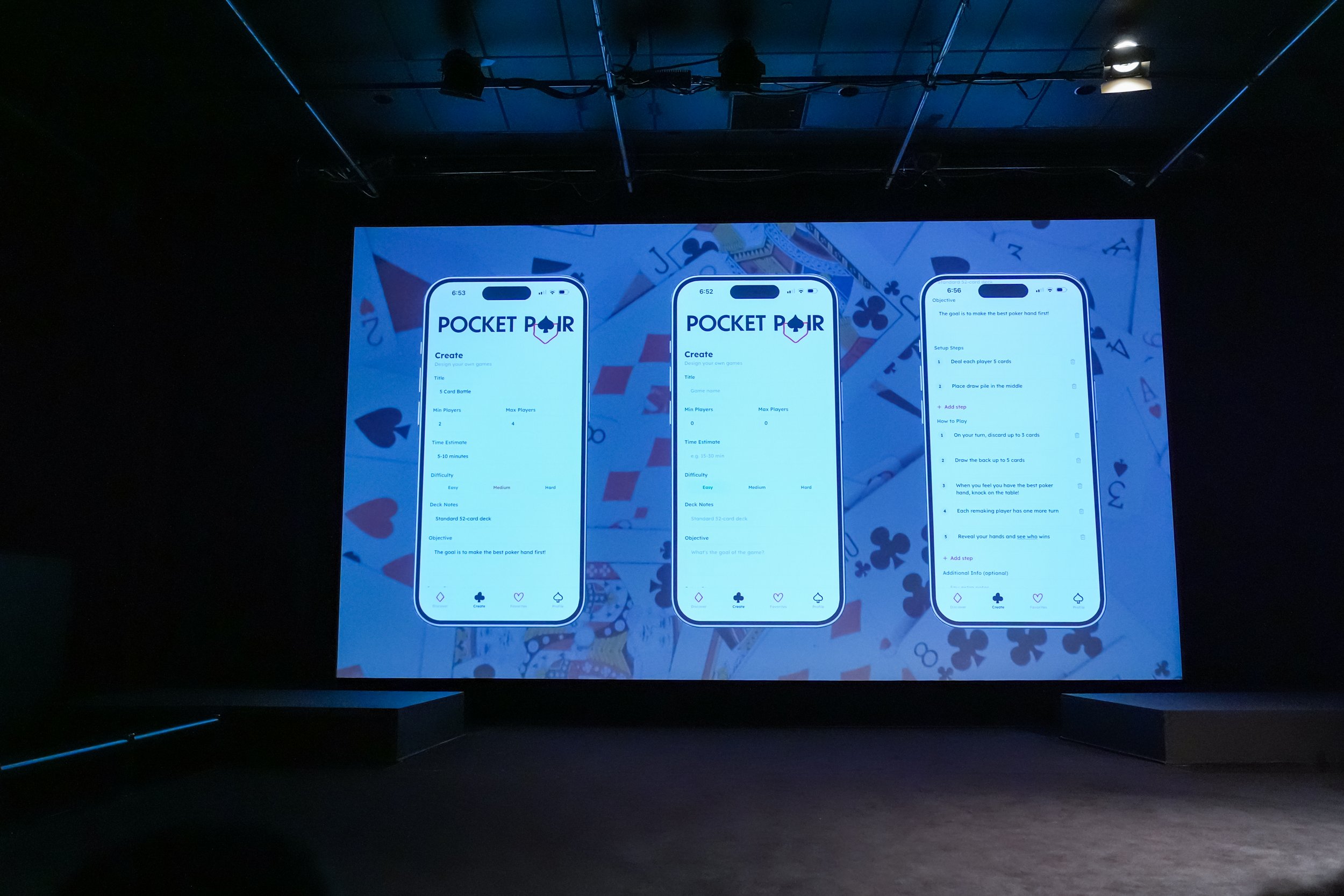
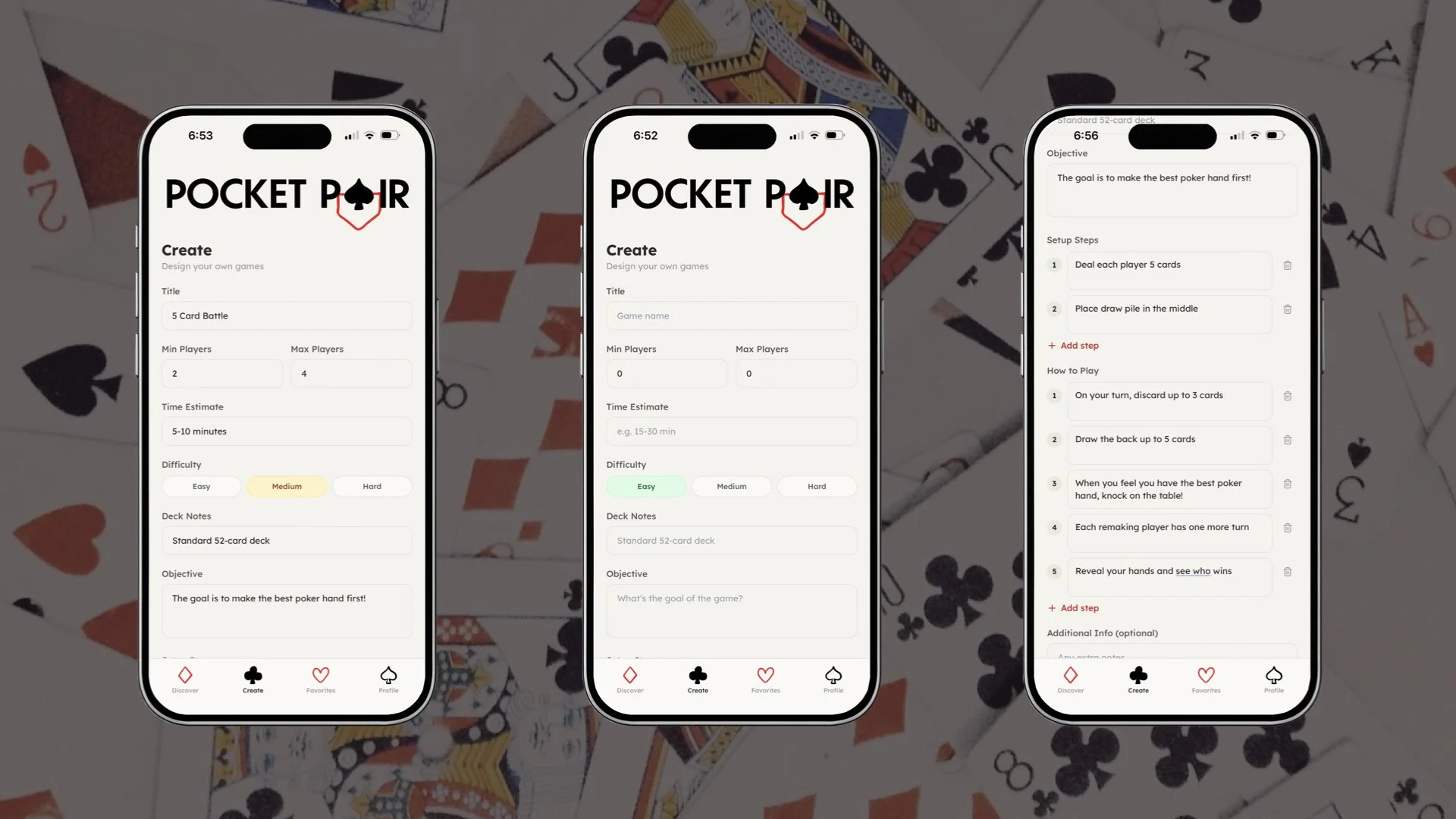
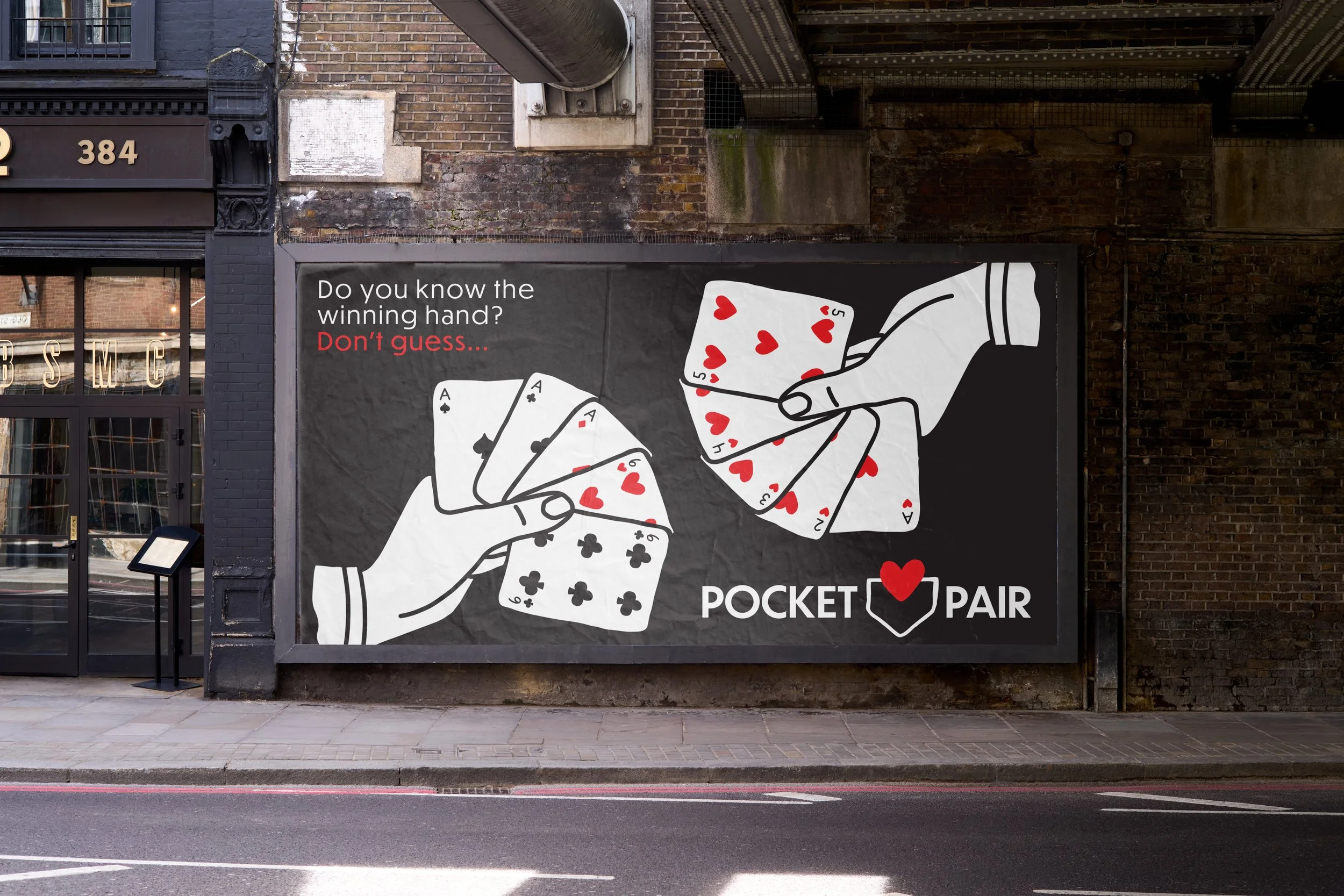
Pocket Pair is a simple app that allows individuals to learn classic card games as well as come up with new ones. It encourages hands-on interaction in a casual yet gamified way, and allows friends to learn the rules together, so they can put down their phones and get back to playing.
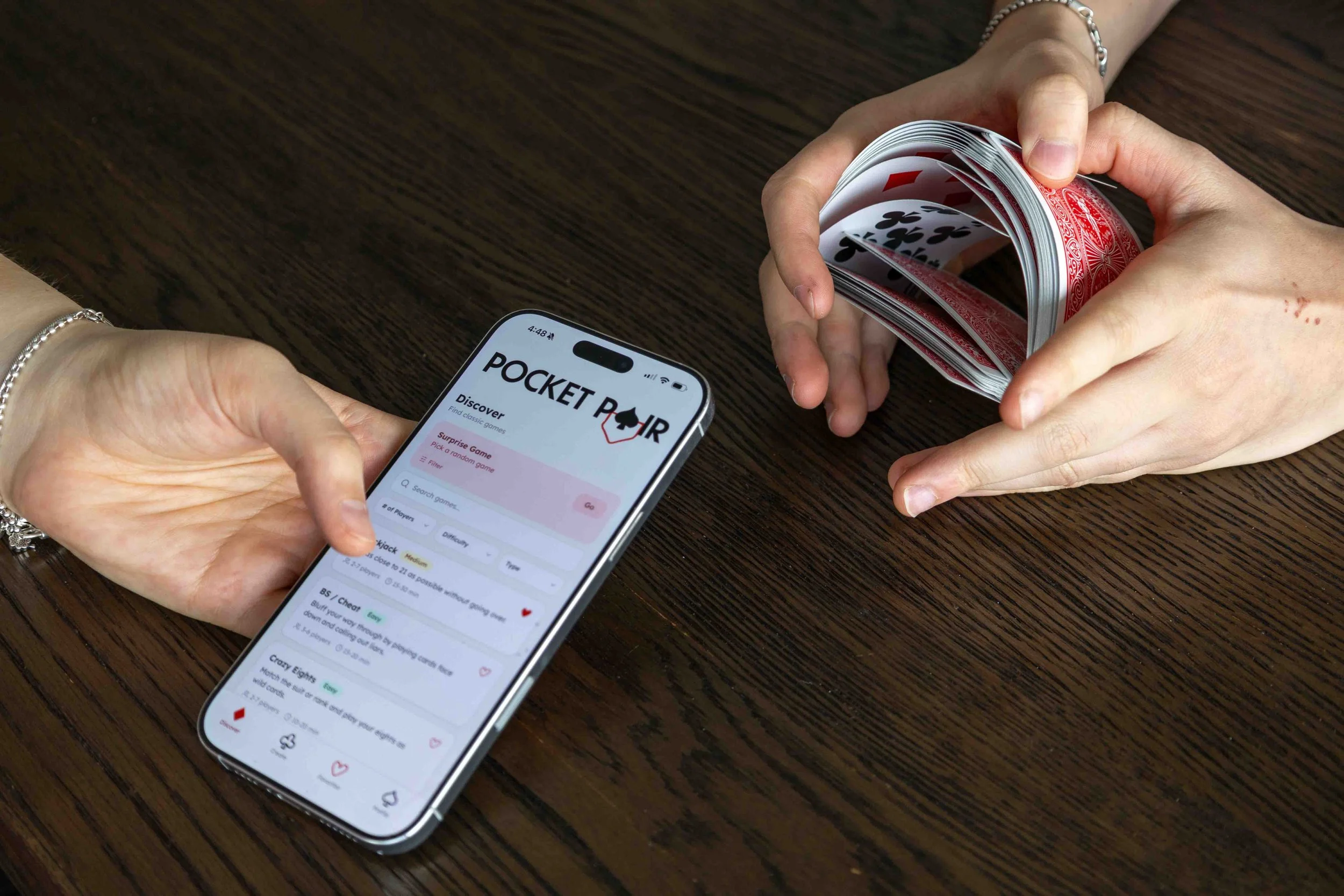
The Pocket Pair app is inspired by early intuitive interfaces, helping users to more easily discover new card games and save all of their favorites in one spot, so they can come back to them at any time.
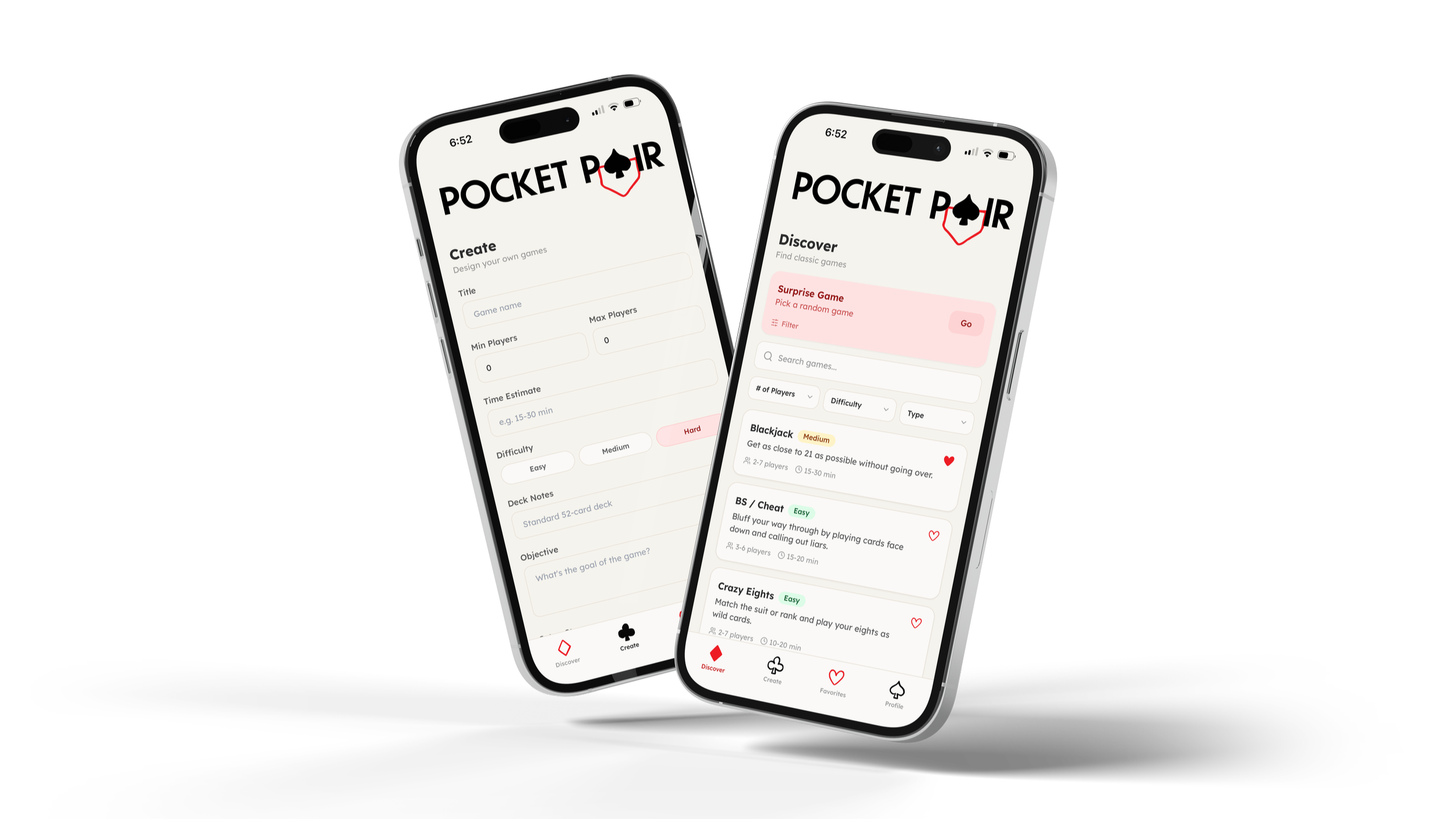
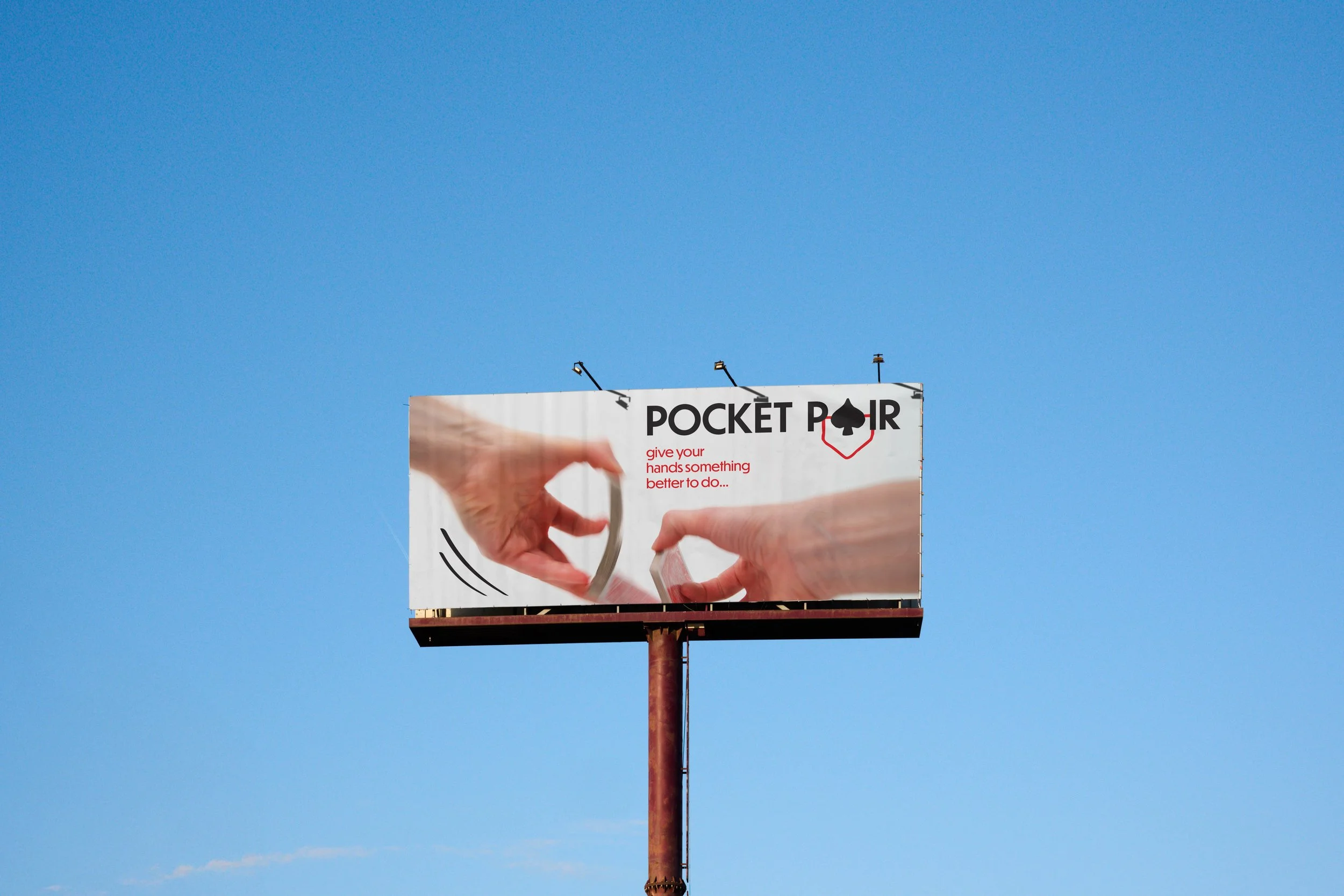
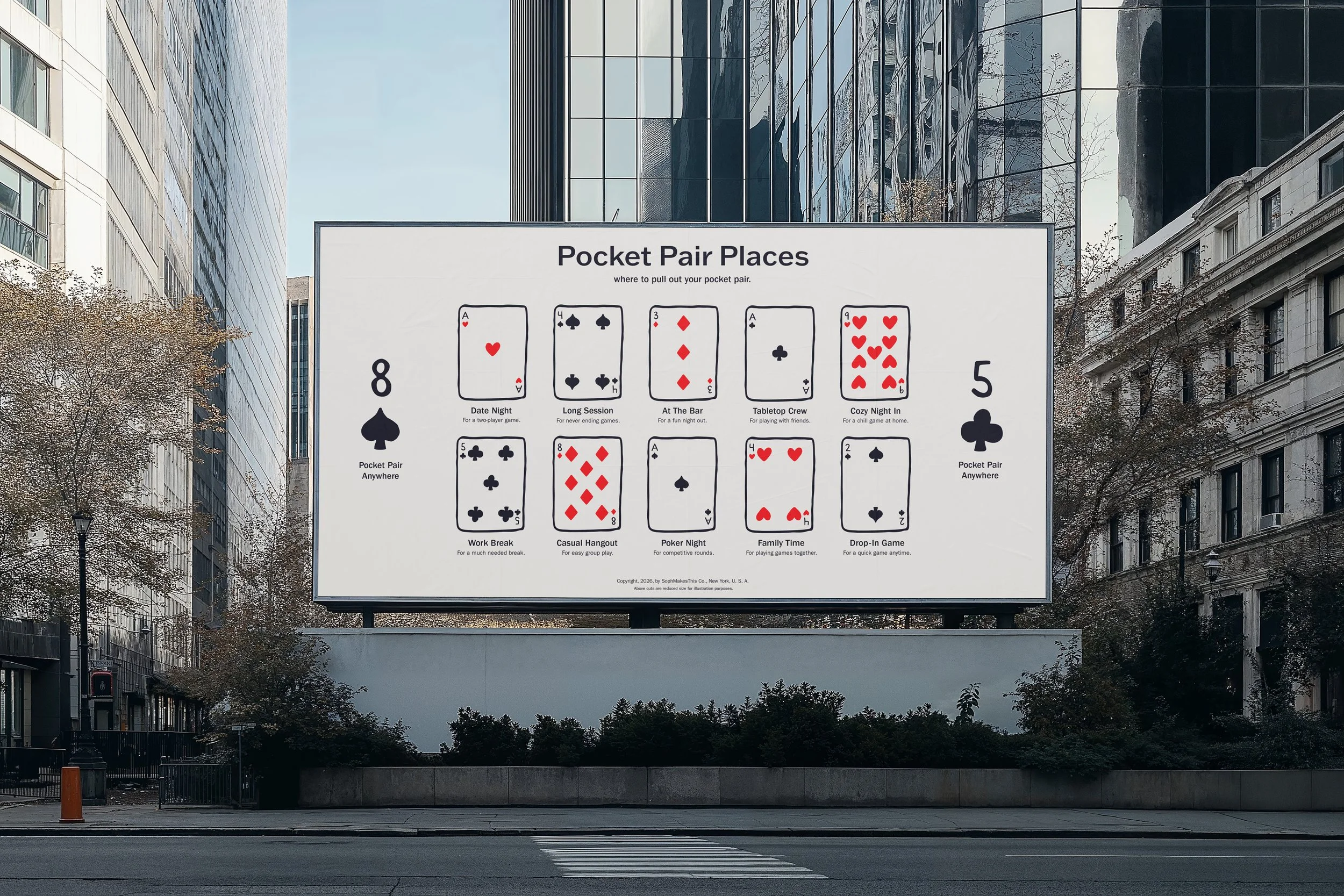
The experience of using the Pocket Pair app differs from searching directions online or in other apps because it allows users to input rules for games they create, or even for specific house rules. As a helpful tool at game night or at the bar with friends, Pocket Pair encourages people to give their hands something better to do.
STAMPIX: A Collective Analog Stamp Mural
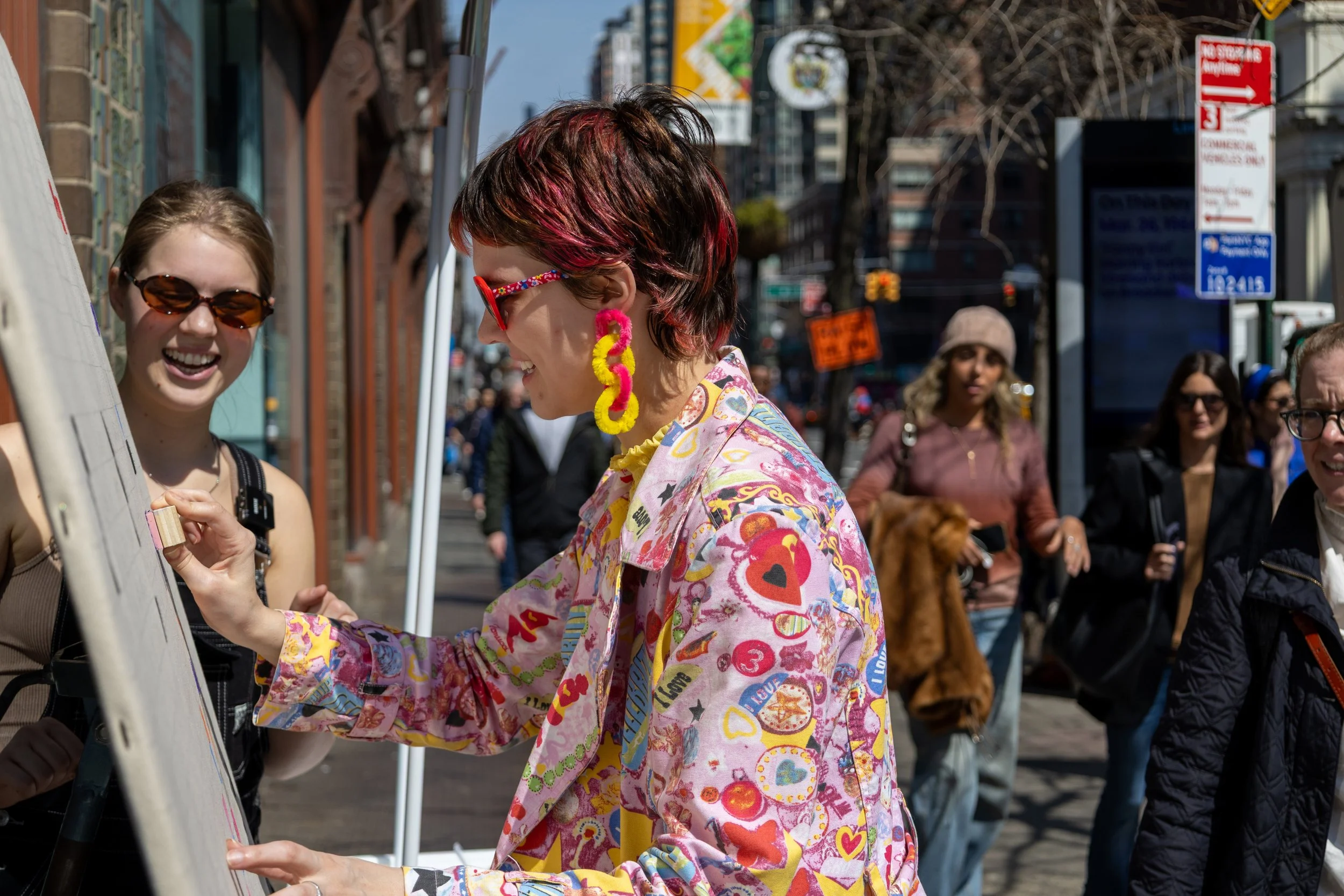
STAMPIX is a large public stamp-by-number installation that transforms a canvas into a welcoming creative opportunity. Sophia believed that stamps could be a nostalgic childhood tool and a low-barrier entry point for getting people to create something together.
Sophia’s goal was to use stamping as a hands-on creative process that gives people permission to experiment and helps them build confidence by using their hands.
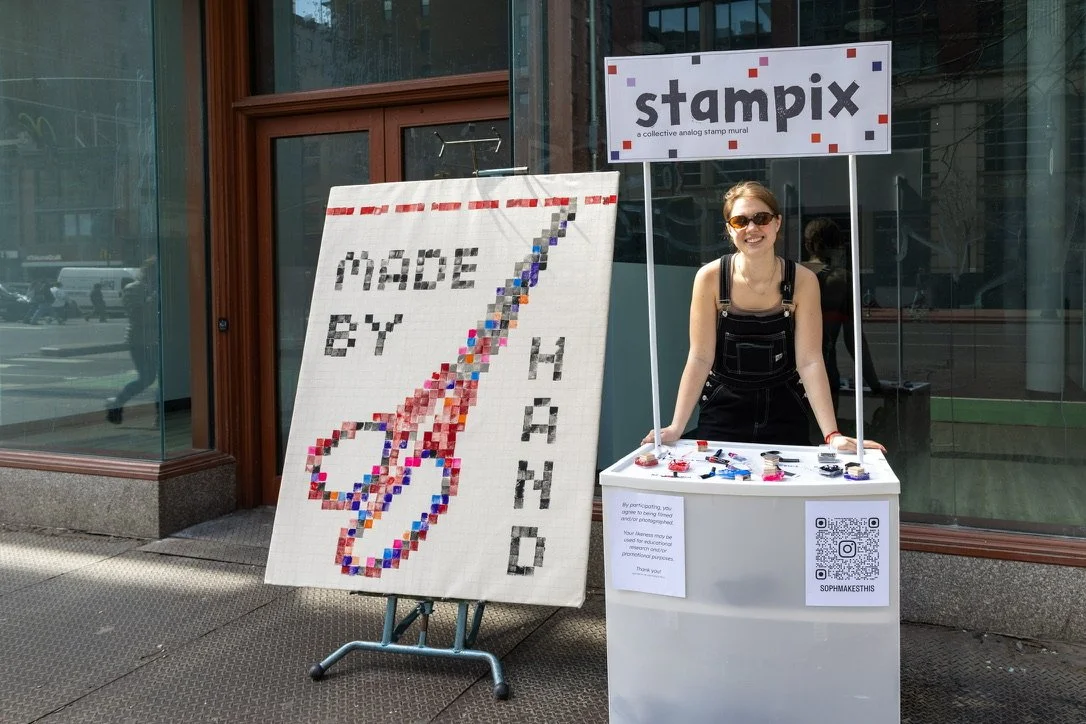
In order to eliminate the intimidation of a blank canvas, the grid was pre-marked with clear indicators for where the colors should go, providing participants with an easy and accessible entry point. The event was truly a success, and there were so many people who stopped on their walk to contribute a stamp and experience the joy of analog.
Dextra: Built to Be Seen
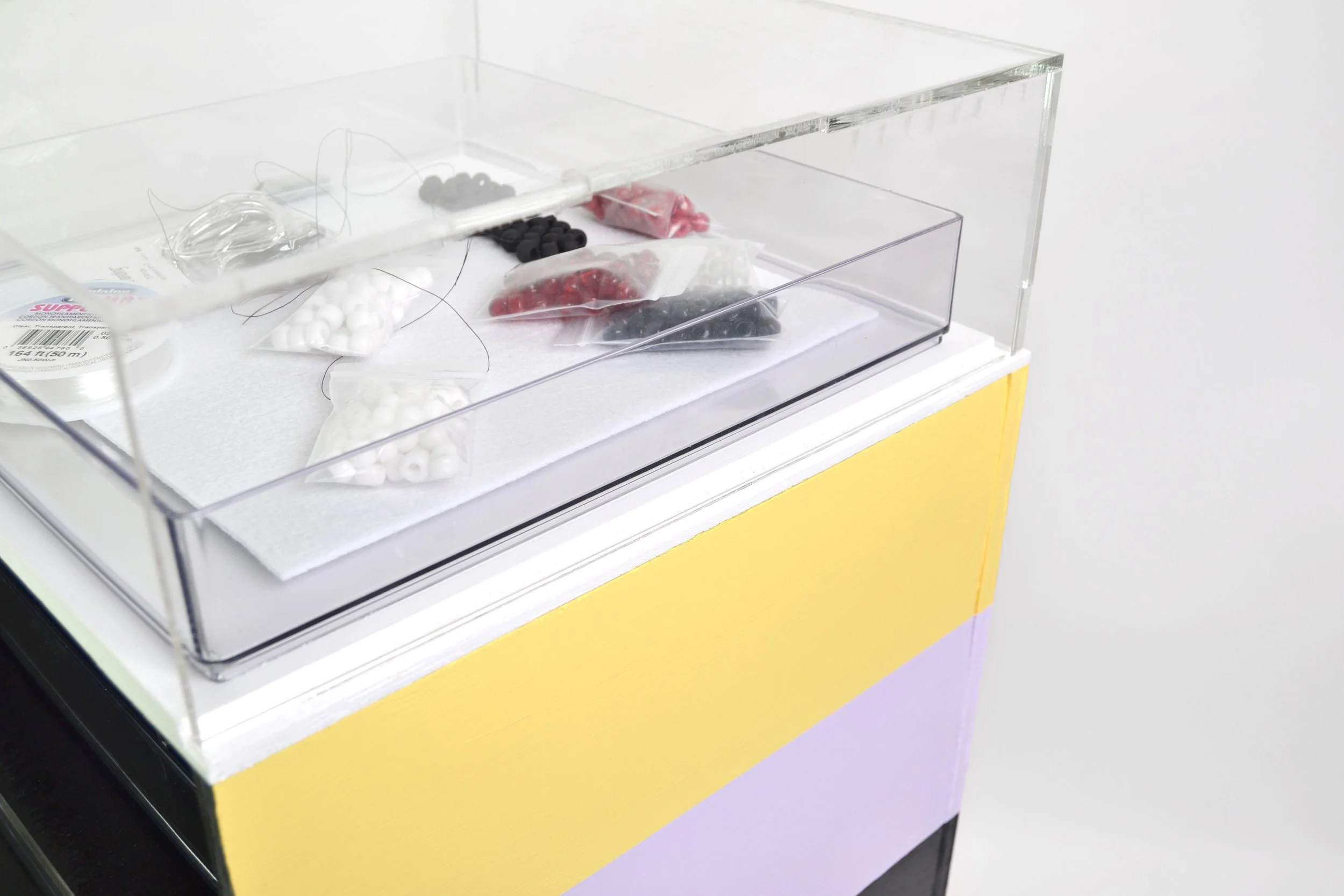
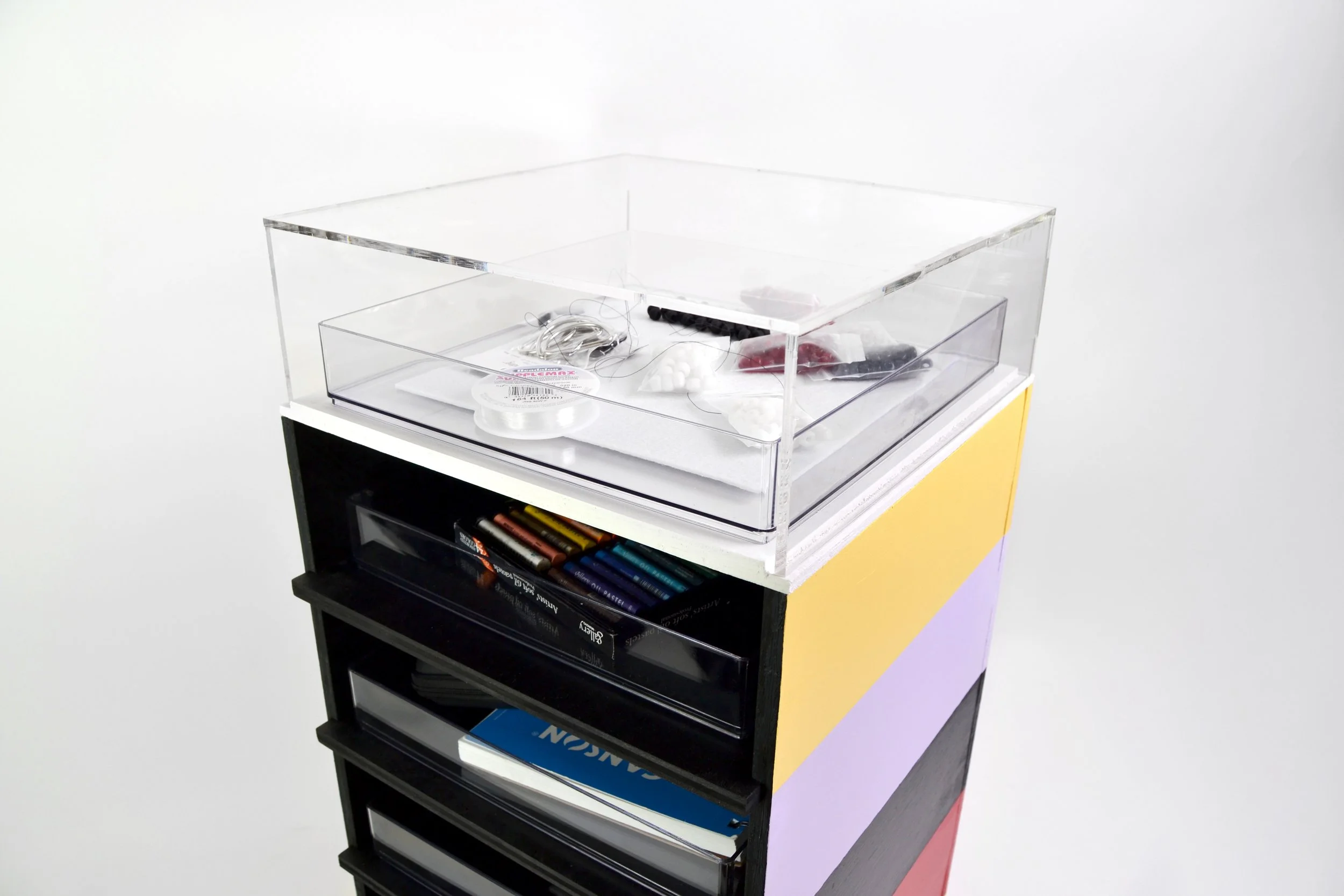
Dextra is a multi-level storage system for your crafts, tools, games, or any materials from your analog hobbies. It provides storage for those who live in small spaces, but also focuses on visibility, highlighting the individual's handiwork. The logo and color palette are heavily inspired by the past. Sophia pulled the vibrant red and soft pastels from vintage toys and furniture to trigger physical memories, evoking a sense of tactility and nostalgia.
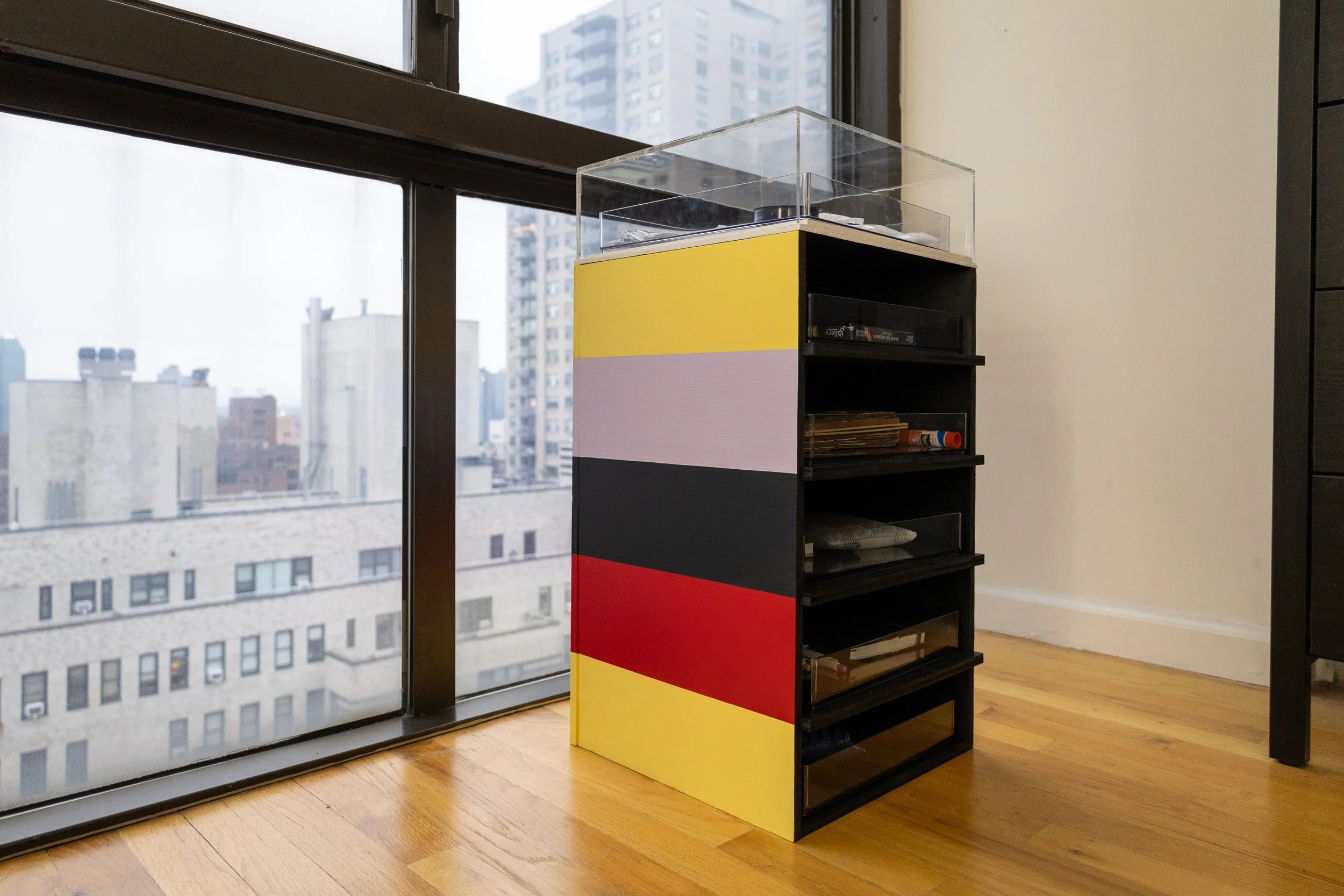
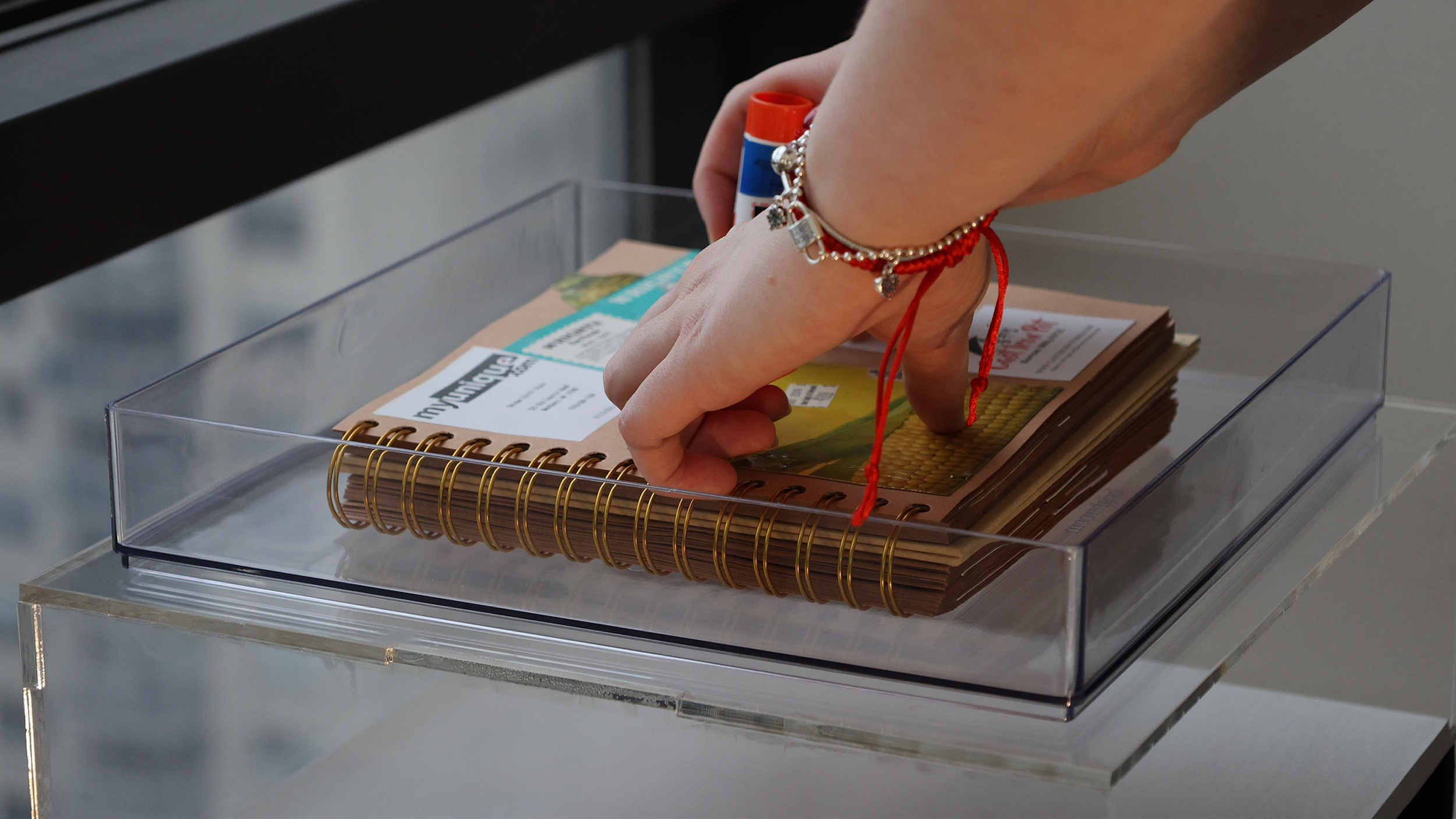
Dextra’s colorful exterior keeps every project contained and organized, while inside, each tray doubles as a workspace. You can make, play, or build right in the tray, and put it away once finished.
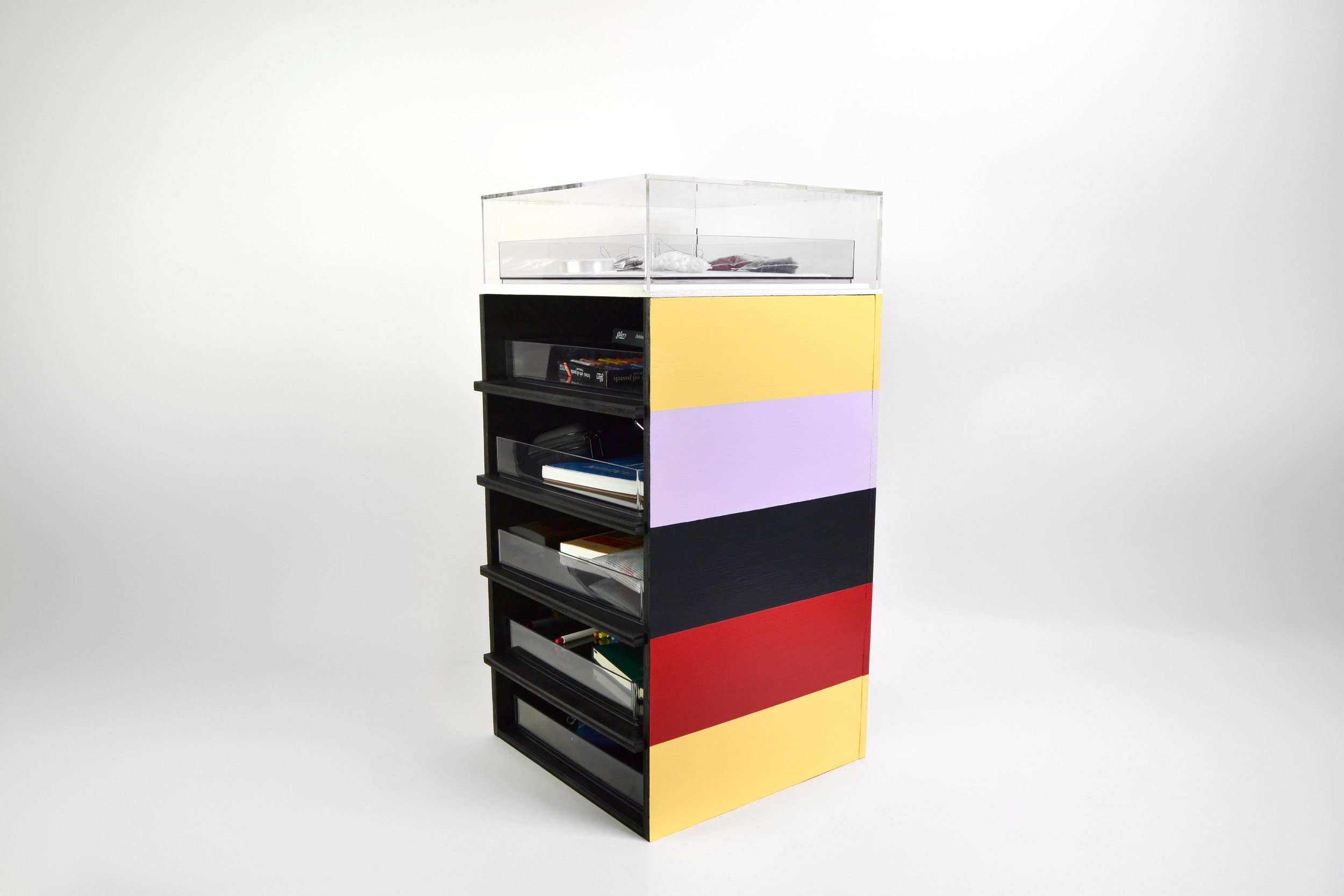
The transparent top layer becomes an exhibit of your current work, keeping it visible and accessible, while the rest of the drawers store other in-progress tasks for later. The final product is not only an eye-catching piece to keep in your home, but a constant reminder to you and those in your life of the benefits of daily handwork.
In a world where so much happens on screens, Sophia’s thesis is a reminder that our hands still matter—that there’s value in trying, doing, and making. She hopes that others can see through her work that nostalgia shouldn’t be used as a way to escape the present, but to engage with it more fully—one analog experience at a time.
For a deeper look into Sophia’s thesis process, research, and reflections, explore her website here: sophmakesthis.com.