

Industrial Design Student Projects
Check out some of our featured industrial design student projects below.
For the latest projects and department news, take a look at the department blog!
Seona Joung, as a first-generation immigrant, has often dwelled in the in-between spaces of two geographies and cultures. Her thesis, Home in Progress: Designing Systems of Collective Care for Migrant Communities through Food and Multi-Sensory Experience, questions how design constructs and narrates a new relationship between people and multiple locations and thus serves as an ideal site to interrogate how immigrants relate themselves to the place of origin and the place of residence. Looking at the consequences of what migration does to the family relationship and social structure that influence our identity and health, her design work offers multilocal strategies that leverage sensory experiences, specifically triggered by food preparation and consuming.

In his thesis, Journey to the West: Integration of Chinese students in America, Hui Zheng set out to face his contemporaries' problems, focusing on the international student community in the United States. Hui argues that the most significant challenges in this journey are finance, information, language, and culture. In his projects involving multiple disciplines, he answered each of the topics with unique design styles. He hopes that the effort to tackle the challenges in his thesis may encourage more designers to join the league against this inequality that exists under the surface.

Last month we were thrilled to host Layla-Joy Williams, the Founder and CEO of IYLIA. Layla-Joy shares her inspiring personal journey as a footwear designer—from starting out as a student at Pratt Institute to her first jobs in the fashion industry to launching her own company.
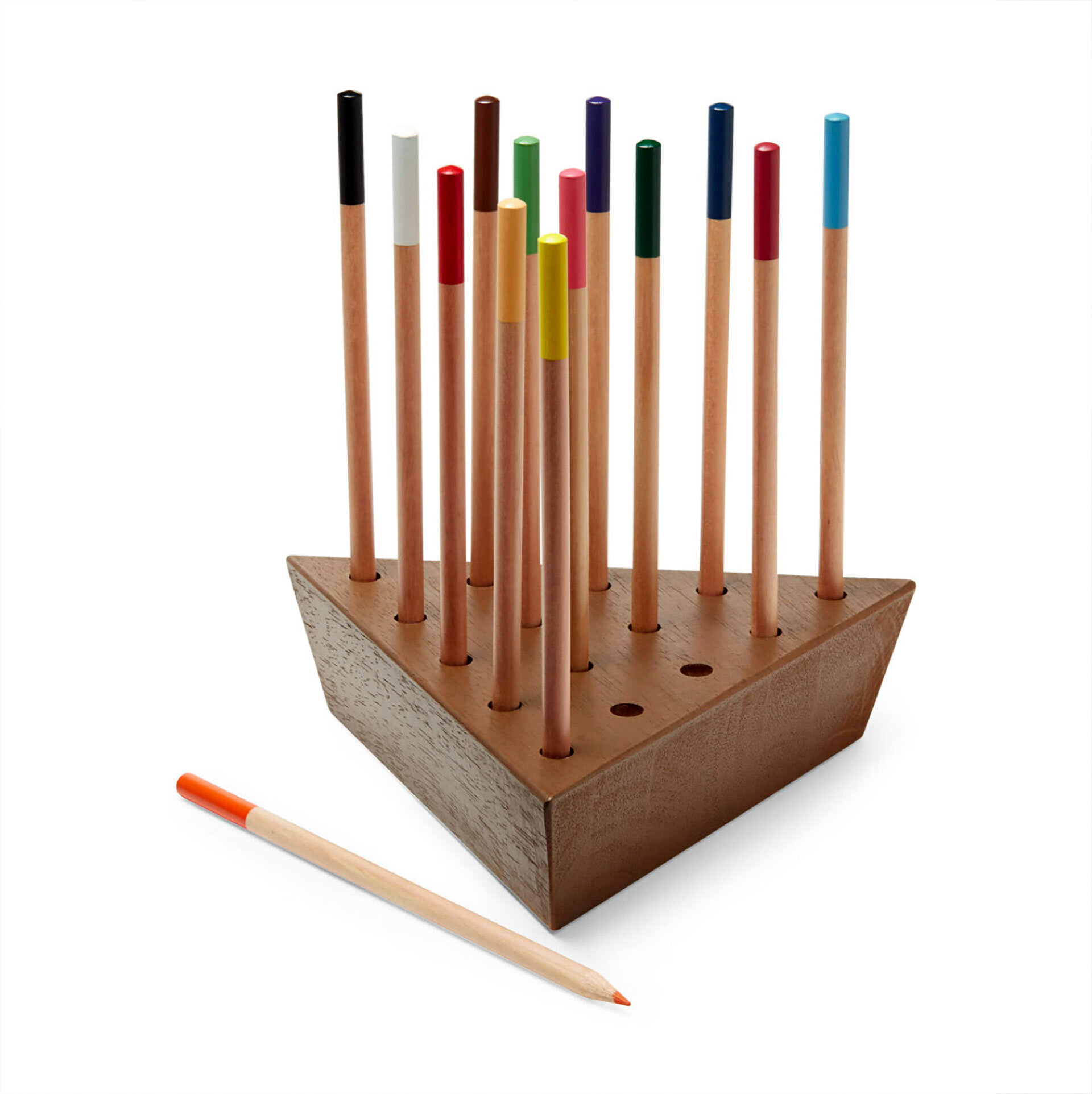
We are so proud to share that the two latest products from our partnership with MoMA have debuted in Museum of Modern Art Catalog—and are now for sale in their museum store as well as gift and museum shops around the world! Congratulations to Julia and Micah!
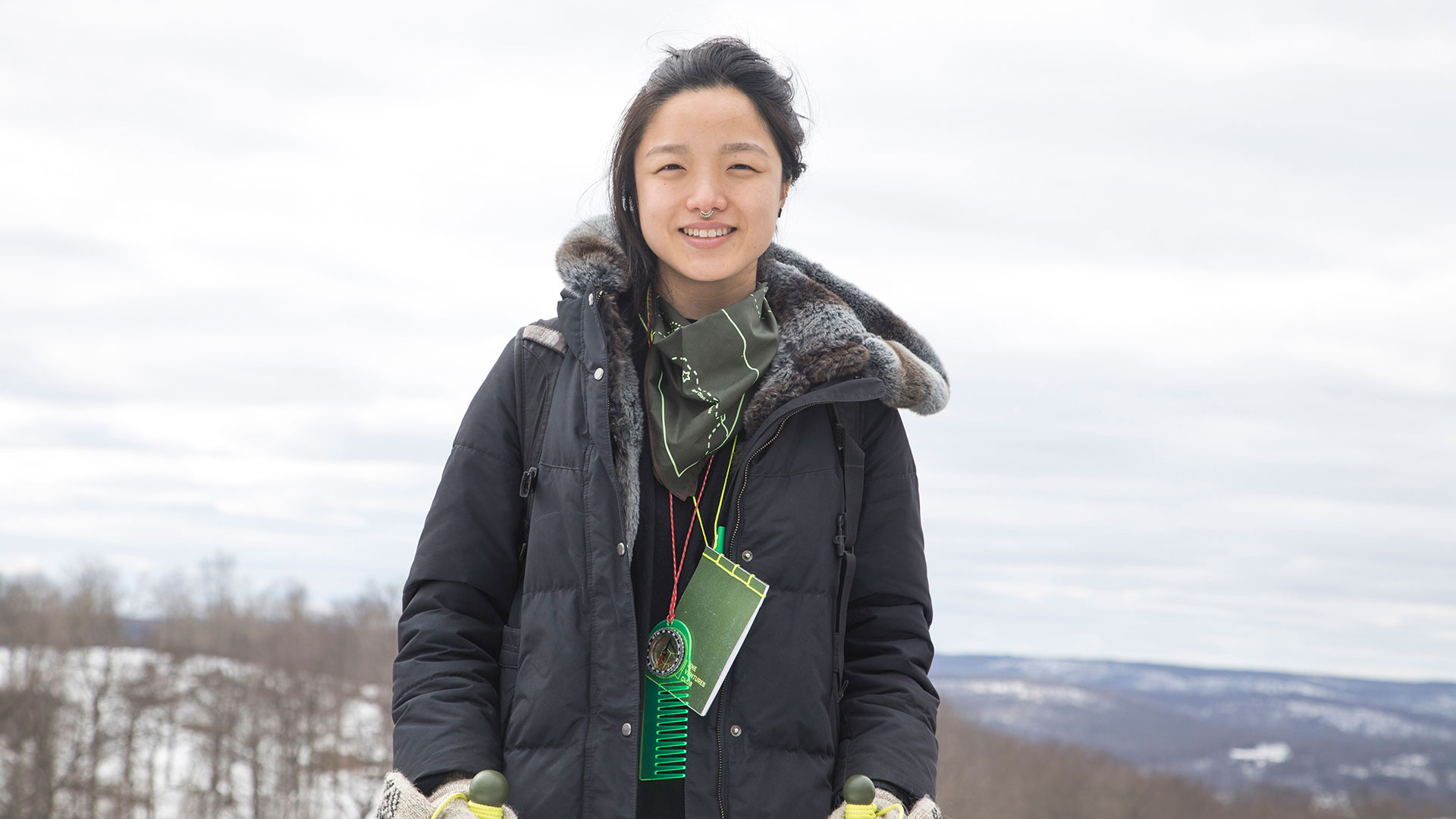
As an avid climber and hiker, Alexia Cohen found herself interested in examining the role of women in the great outdoors. When she started climbing three years ago, she attended an event organized by Flash Foxy—a group of women dedicated to celebrating and empowering women climbers. Through this event, she met her climbing partner Janice, who as Alexia recalls “quickly became a friend and a mentor. Her guidance and support helped me develop my climbing technique and become more comfortable in this new space.” She also began to understand the importance of community and women mentors in traditionally male-dominated spaces.
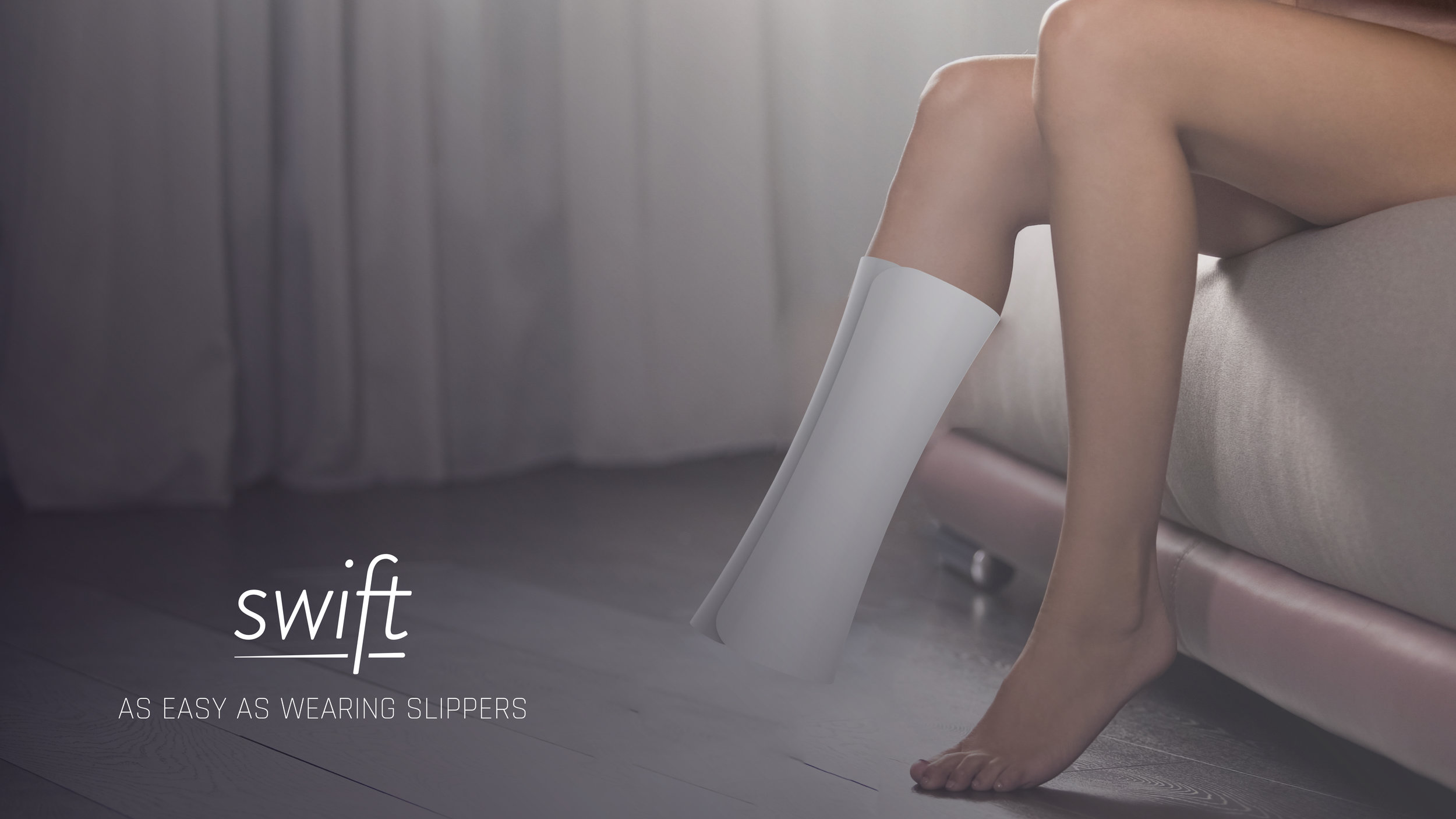
The idea for Swift came about while Smruti watched videos on the YouTube channel “AmputeeOT” by Christina Stephens, an occupational therapist and below-knee unilateral amputee. Smruti was especially struck by a video in which Stephens describes the annoyances of going to the bathroom or getting up for a glass of water in the middle of the night; Stephens mentions that she usually crawls on the floor to get to the bathroom or kitchen because putting on her prosthetic is so time-consuming.
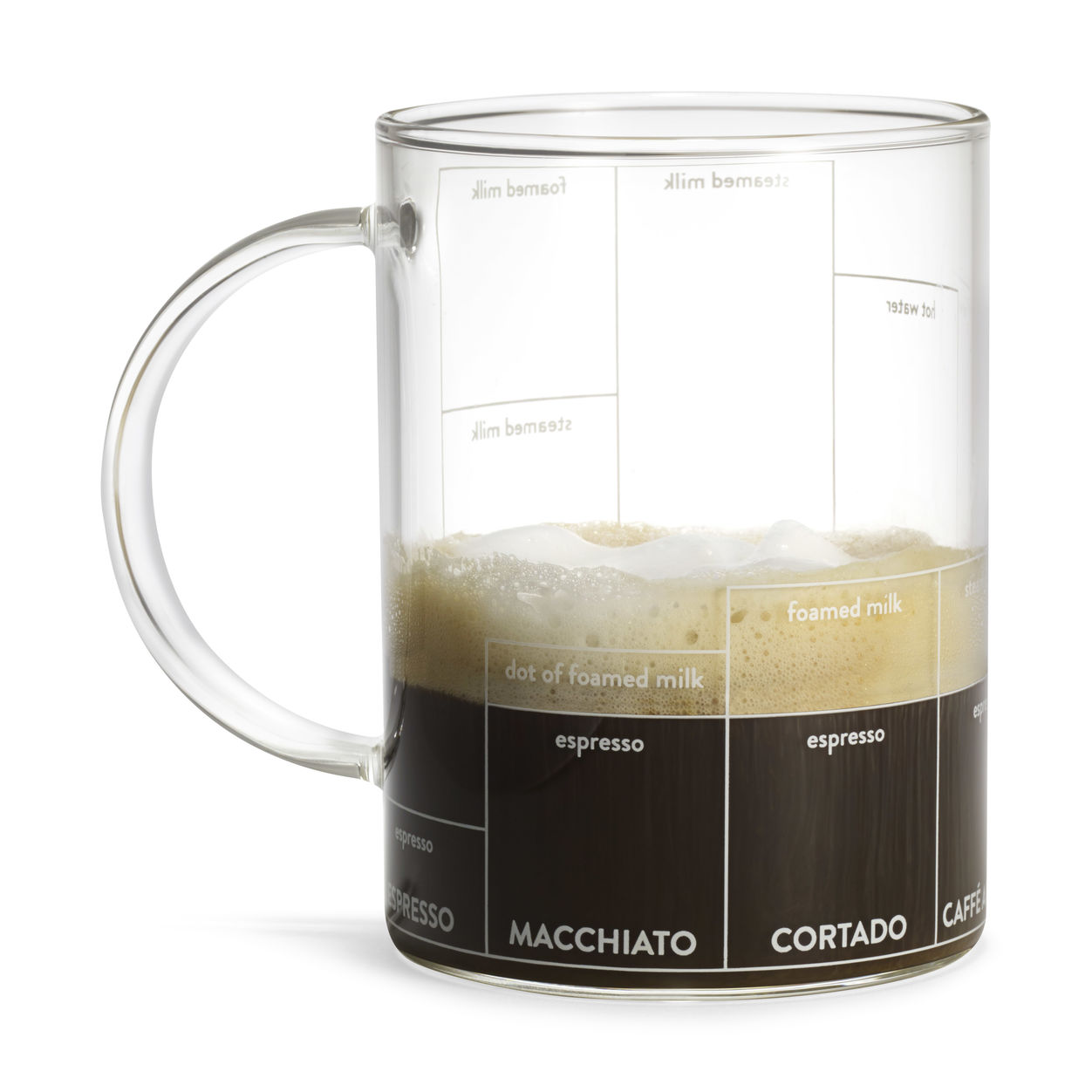
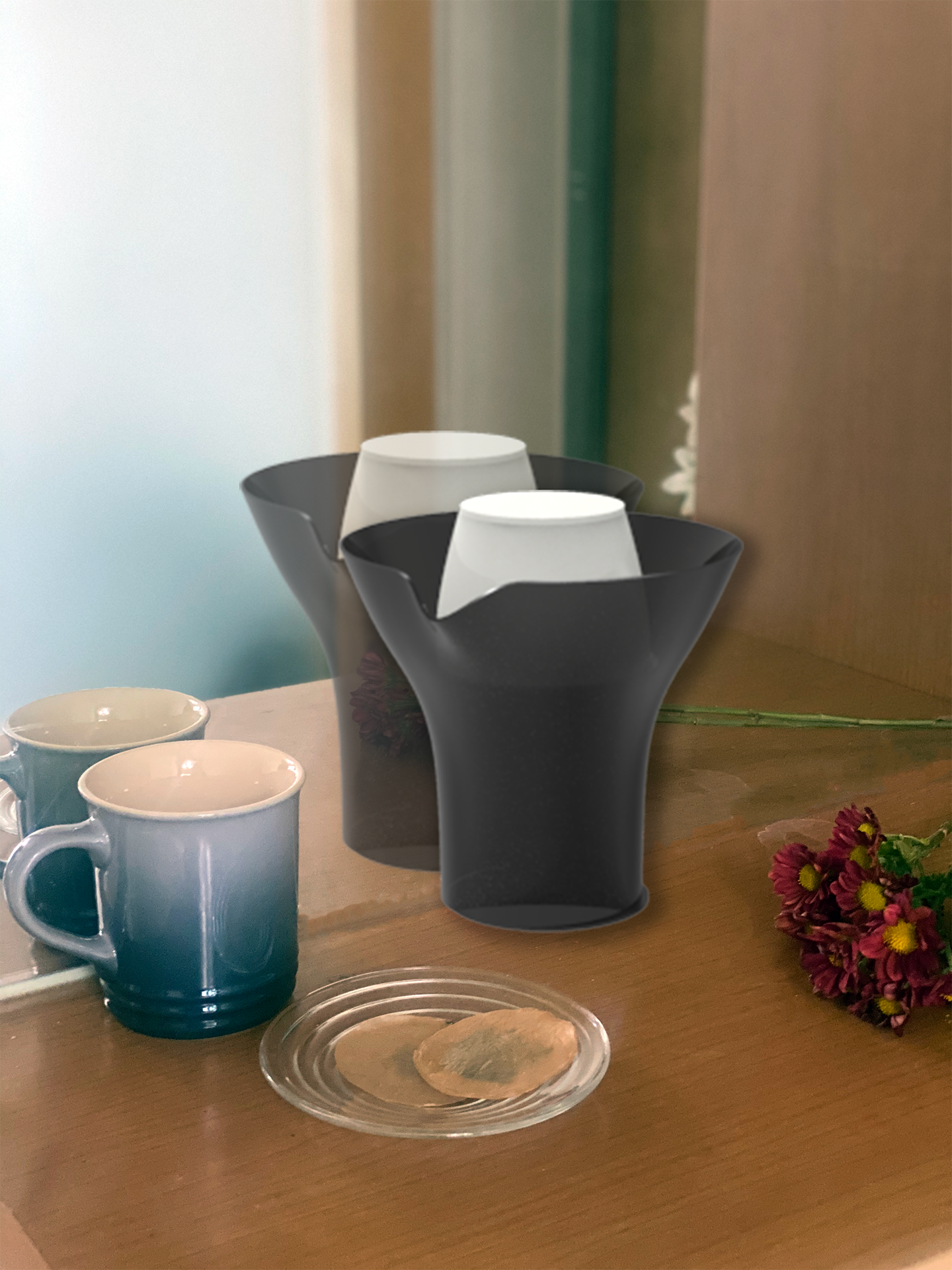
Florence Fabricant (herself!) wrote up an item in the New York Times about Josh Corn's Multi-ccino Mug in the New York Times this week—one of 6 MFA Products of Design objects that will be celebrated during the month of April in both MoMA retail stores! (The department is also designing the window displays for both the midtown and SoHO stores.) Congratulations Josh!

The objective of Adem Önalan’s master’s thesis, Vakit: On the Elasticity and Subjectivity of Time, is to reframe our relationship with time—identifying opportunities that lead people to spend time well—from recontextualizing time, to slowing it down through meaningful, memorable life experiences.

In order to become more brave and confident, MFA Products of Design student Eden Lew embarked on a year-long experiment to become a better designer by learning the ways of a criminal mastermind.
In her thesis, Masterminds and the Art of Misbehaving, Eden’s definition of a criminal mastermind alludes to the romanticized sector of criminals—including burglars, con men, hackers and heist planners. They are con artists who persuade victims into giving up money and valuables. They are craftsmen and tinkerers who decipher the mechanics of systems in order to later break them down. They are hackers who write inventive code to go around highly-secured firewalls, and drug cartel kingpins who run businesses as effectively as CEOs of major corporations.

Jon Lung's master's thesis, At the Ready, is an inquiry into "preparedness" in all its forms—from the fancifully speculative, to the soberly real. It traverses the many boundaries of design in order to understand how to better fortify oneself for the ever-changing challenges that life throws our way. His thesis journey started at the individual scale—focusing on how he could better prepare himself personally. As the project continued, he looked at how he could use his skills and abilities to help those he cared about. And toward the end of his thesis journey, he concentrated less on the objects of preparedness, and more on the requisite skills.
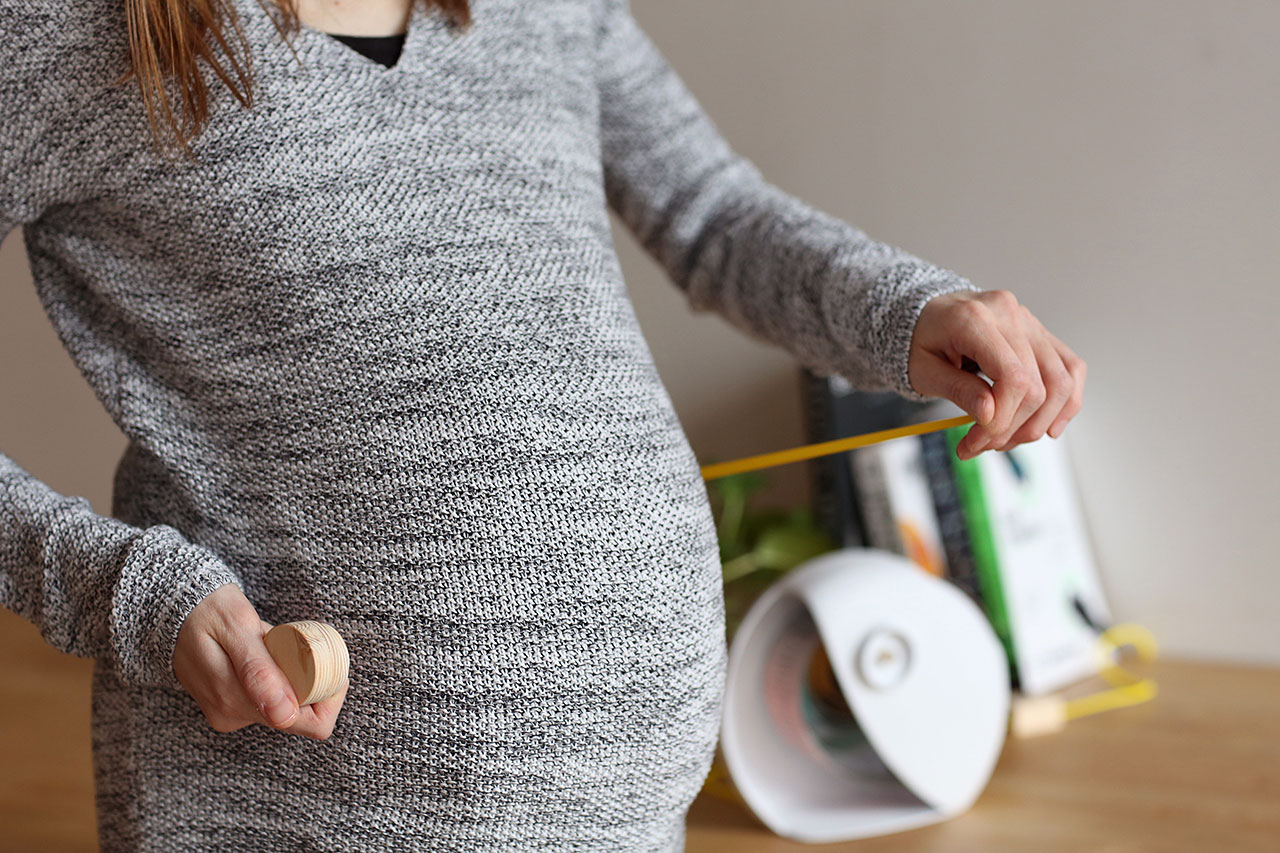
"Bud" is a smart pregnancy companion that acts as a support system for pregnant women. Designed by Vidhi Goel and Eliz Ayaydin, the device emerged from the design brief of "Reimagining home monitoring" in the Product, Brand & Experience course of the MFA Products of Design Program. The project celebrates pregnancy for parent and child—a precious time that deserves care and attention, and a product category not yet addressed in the from a technology standpoint that is user-centric and humanistic.
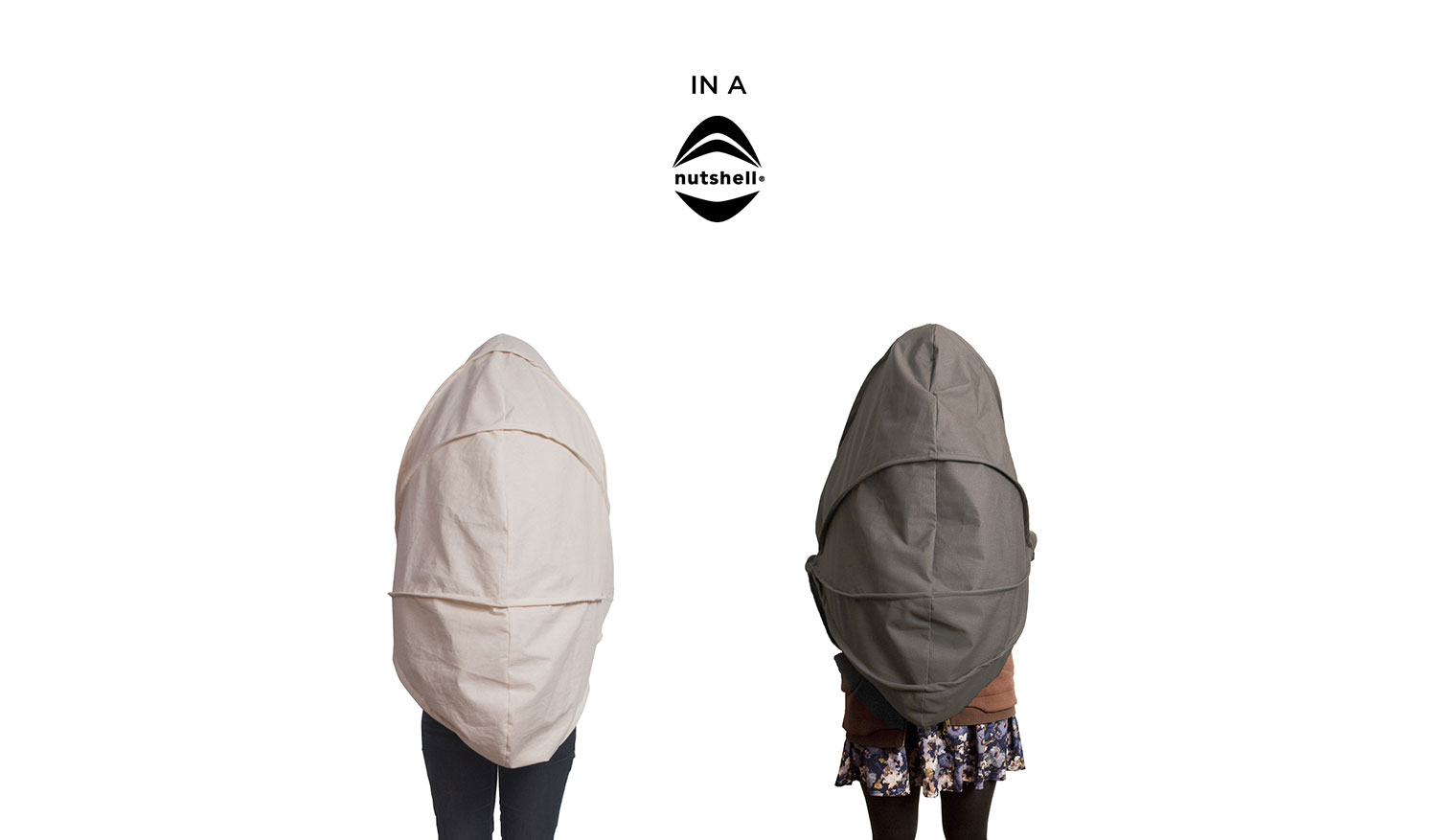
Students were asked to "redesign the next thing they threw out," and in seven weeks Eden Lew took a discarded sandwich wrapper on a journey through prototyping and branding, ending with Nutshell—a pod-inspired platform for productive break-taking.
The objective of Lucy Knops' master's thesis, The Void: Finding Value in Nothing, was to reframe the "role of absence" in people's daily lives. She began on a conceptual level by asking simple questions: What if nothing could be something? What if we could add to our lives by taking away more?