
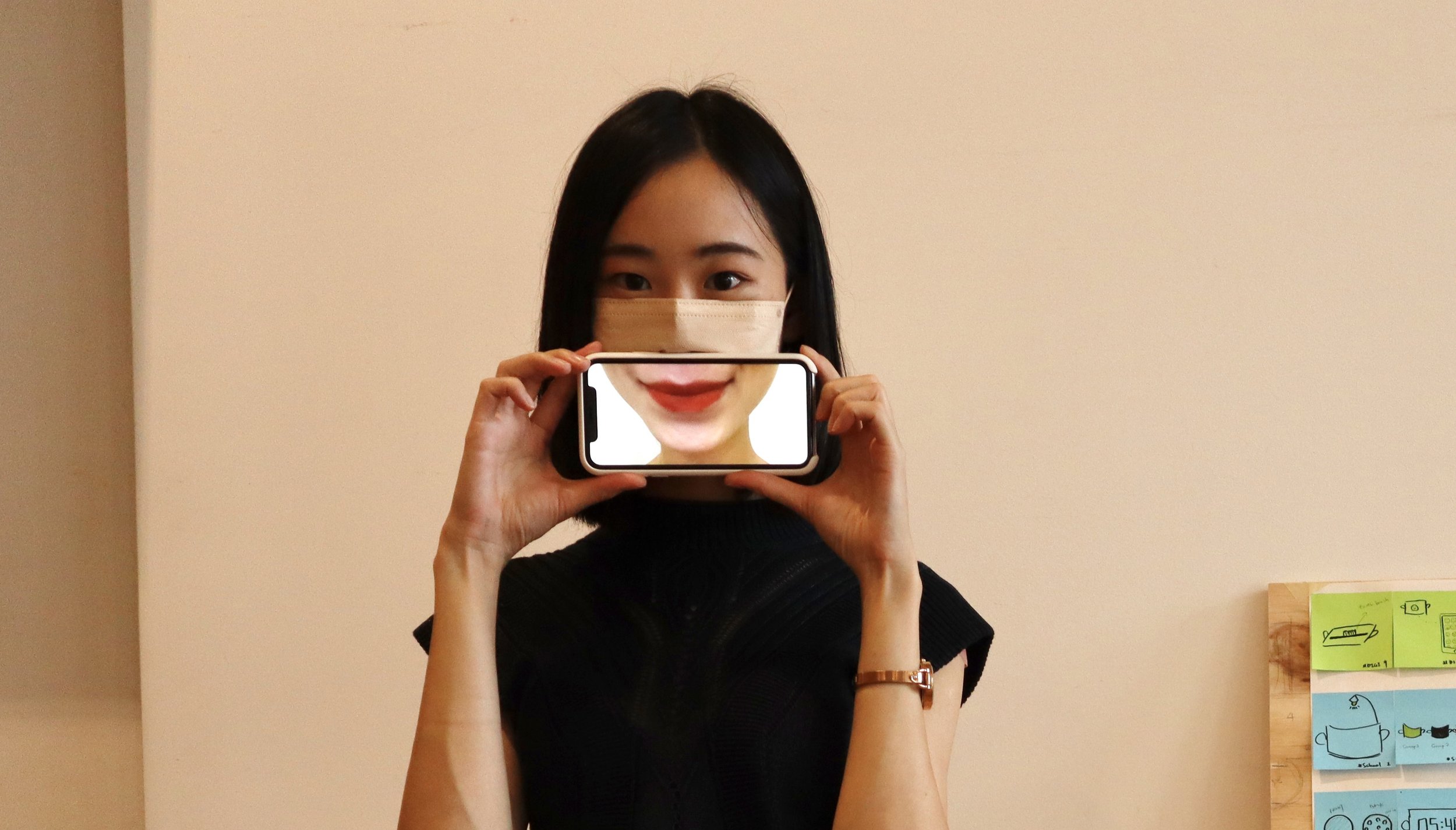
Interaction Design Student Projects
Check out some of our featured interaction design student projects below.
For the latest projects and department news, take a look at the department blog!
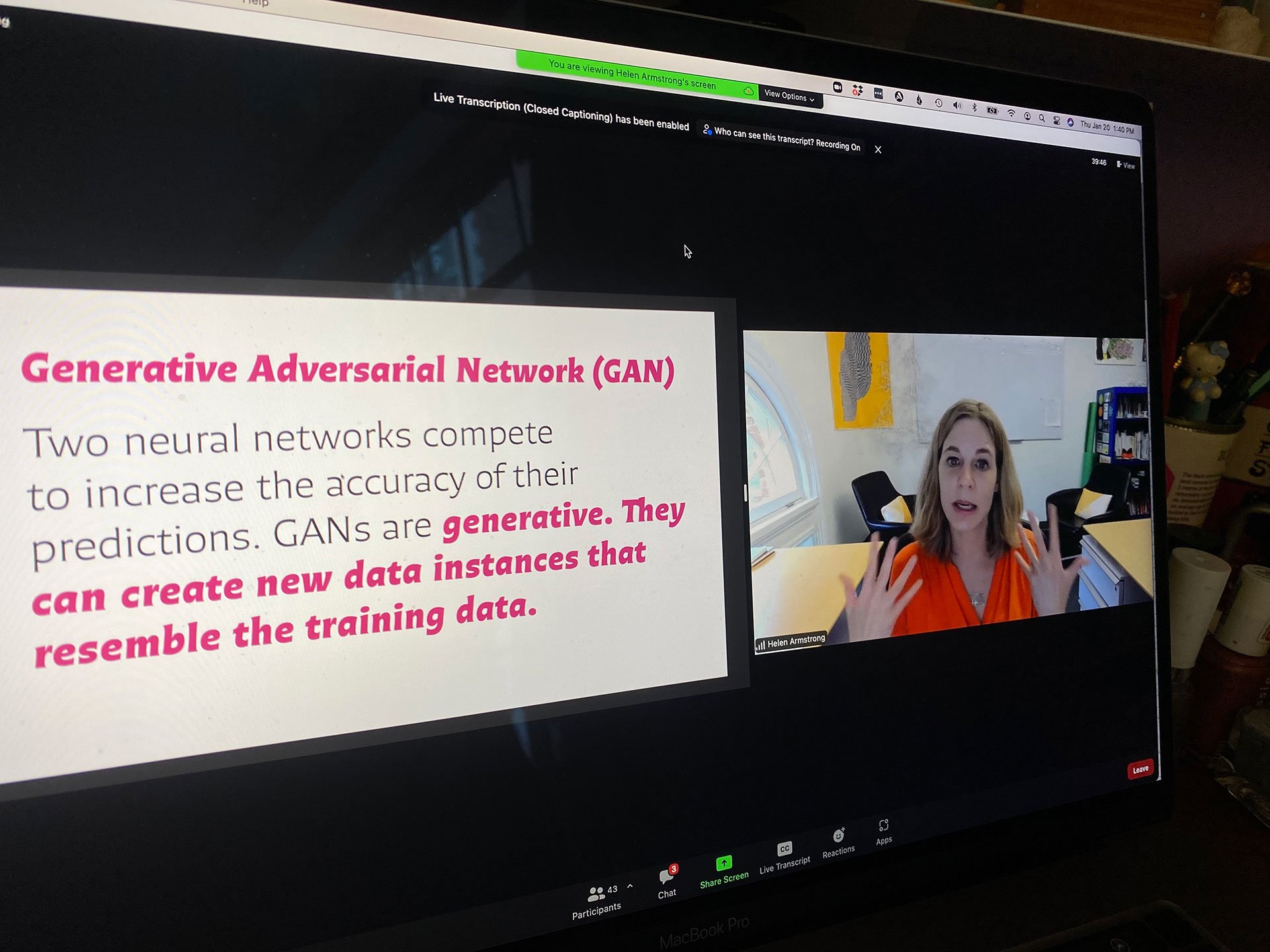
On January 20, 2022, MFA Products of Design was pleased to host a guest lecture by writer & educator Helen Armstrong. Helen is a professor of graphic design at North Carolina State University. She authored Graphic Design Theory: Readings from the Field (Princeton Architectural Press, 2009) and co-authored Participate: Designing with User-Generated Content (Princeton Architectural Press, 2011) with Zvezdana Stojmirovic.
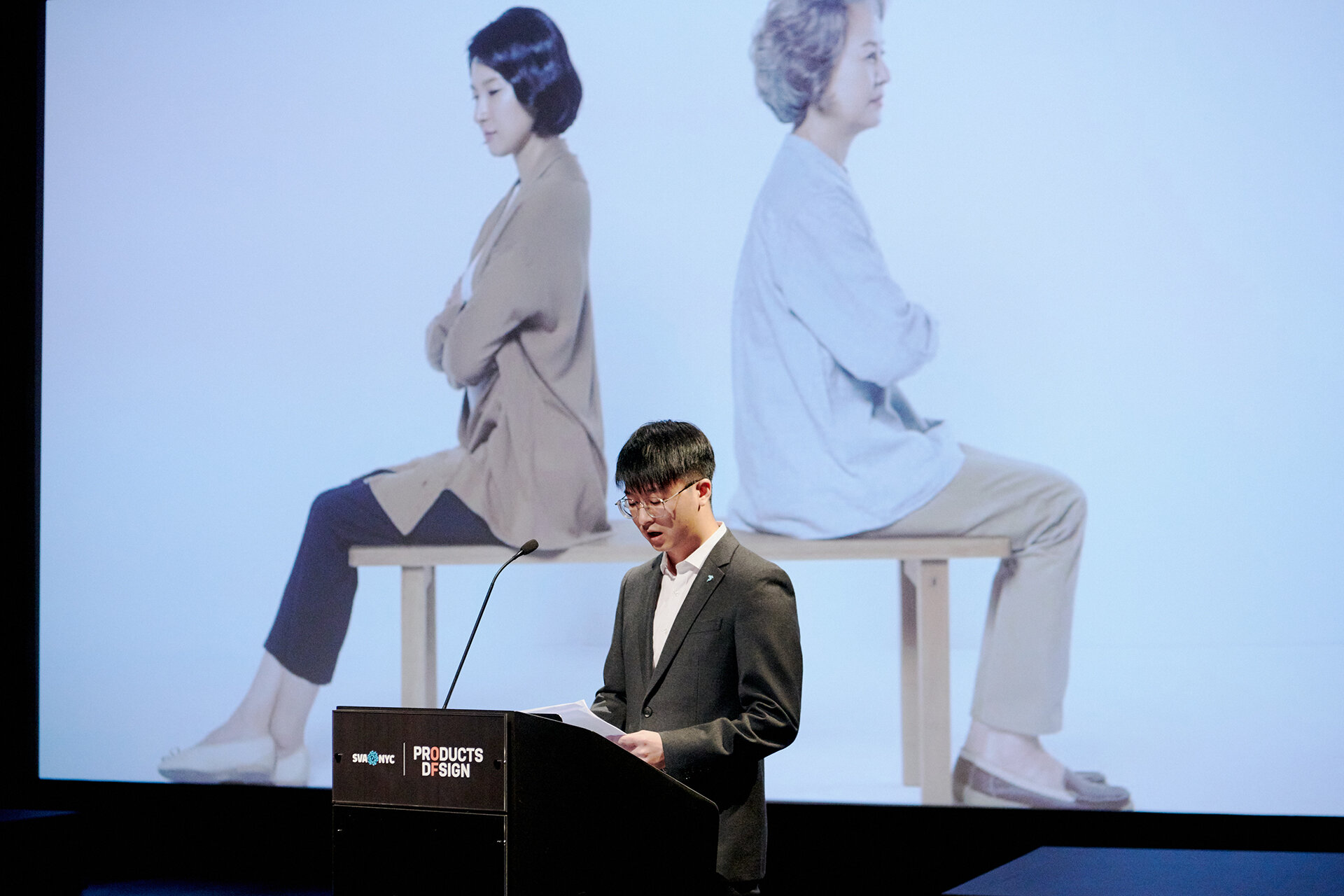
In his thesis, Inter-Generate: A Set of Design Offerings for Chinese Empty Nesters, Hang “Joey” Yuan deconstructs the "empty-nest syndrome" from three perspectives: medicine, interpersonal relationships, and philosophy. He argues that this is more than a syndrome —it's also a state of mind. Through his research, he discovered that sharing is an effective way to help the elderly change their negative mindset towards living apart from their adult children.
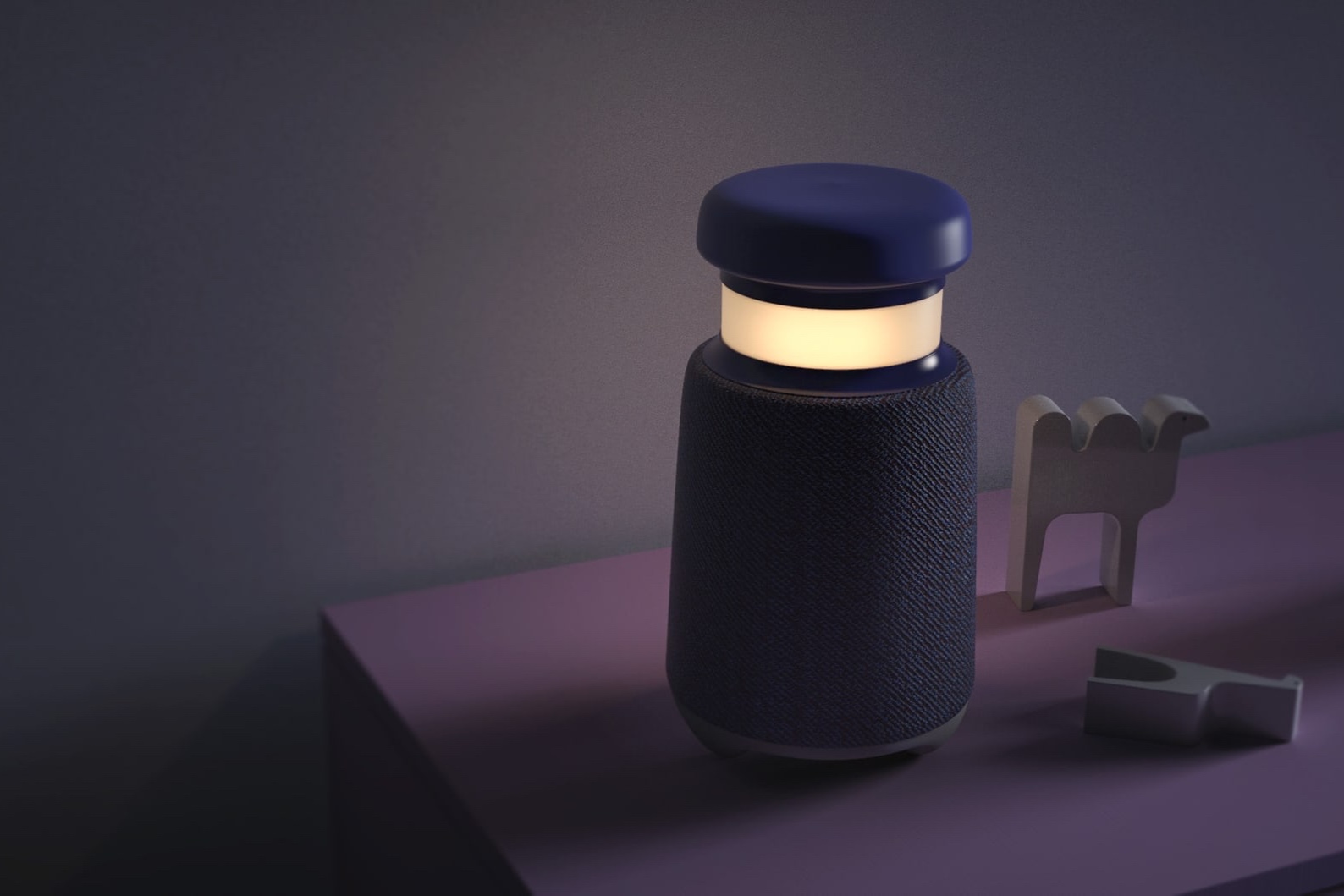
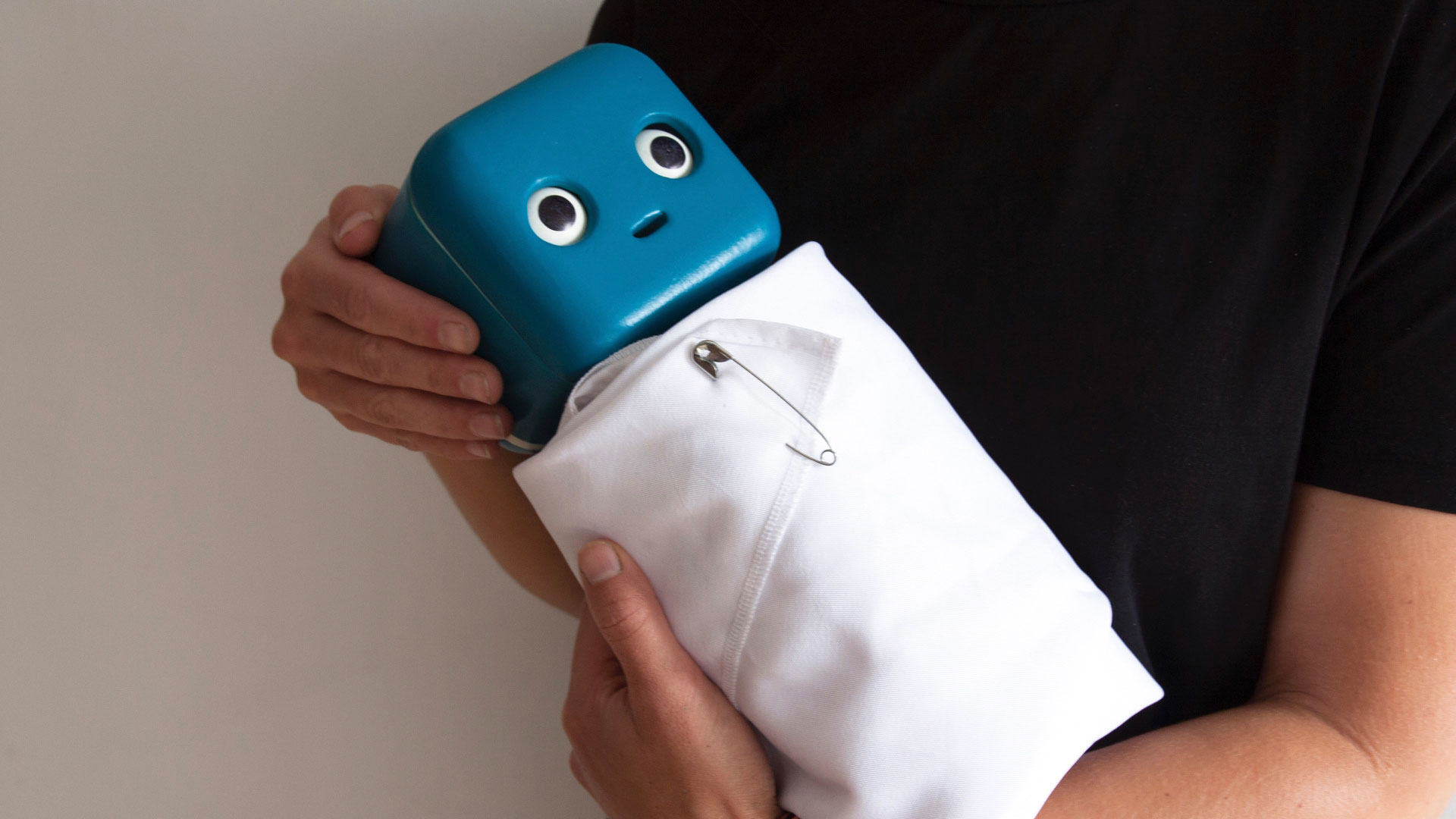
Roger is a device that helps children of low-income families get consistent sleep. Designed for the many children whose parents work irregular hours, it aims to get children to bed on time, especially when parents are not available. Created by recent graduate Kevin Cook as part of his thesis, Closer Kin: Building Stronger Family Environments, Roger releases a pre-recorded bedtime story every night at a specified time and gives children an incentive to get to bed on their own.
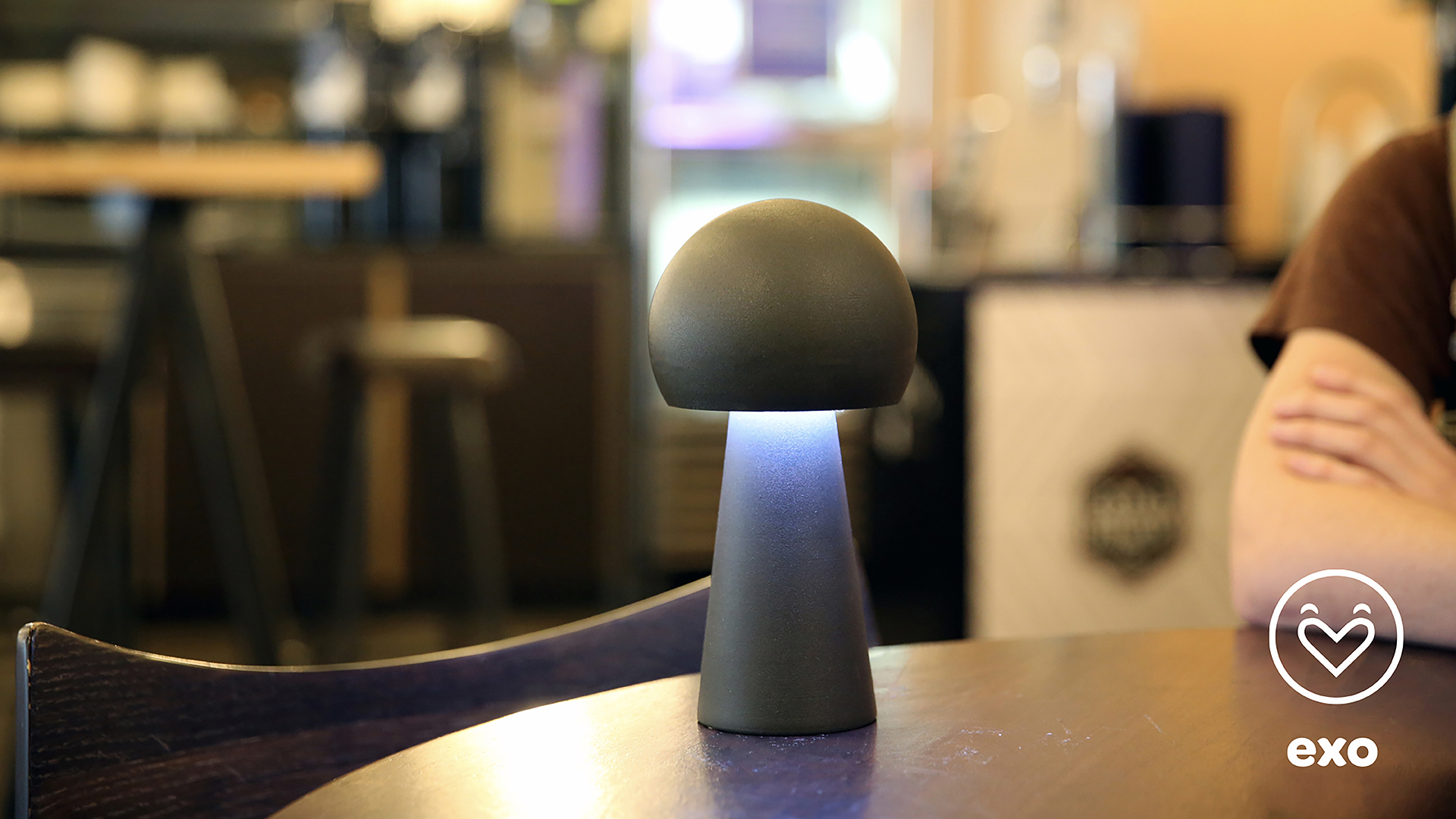
As someone who has suffered from public speaking anxiety her whole life, Eugenia Ramos decided to face her fear and treat her condition as a case study and a personal challenge for her thesis, Public Speaking Anxiety: The Environments That Make or Break Us. She designed a set of tools that help people improve their communication skills, overcome the anxiety caused by public speaking.
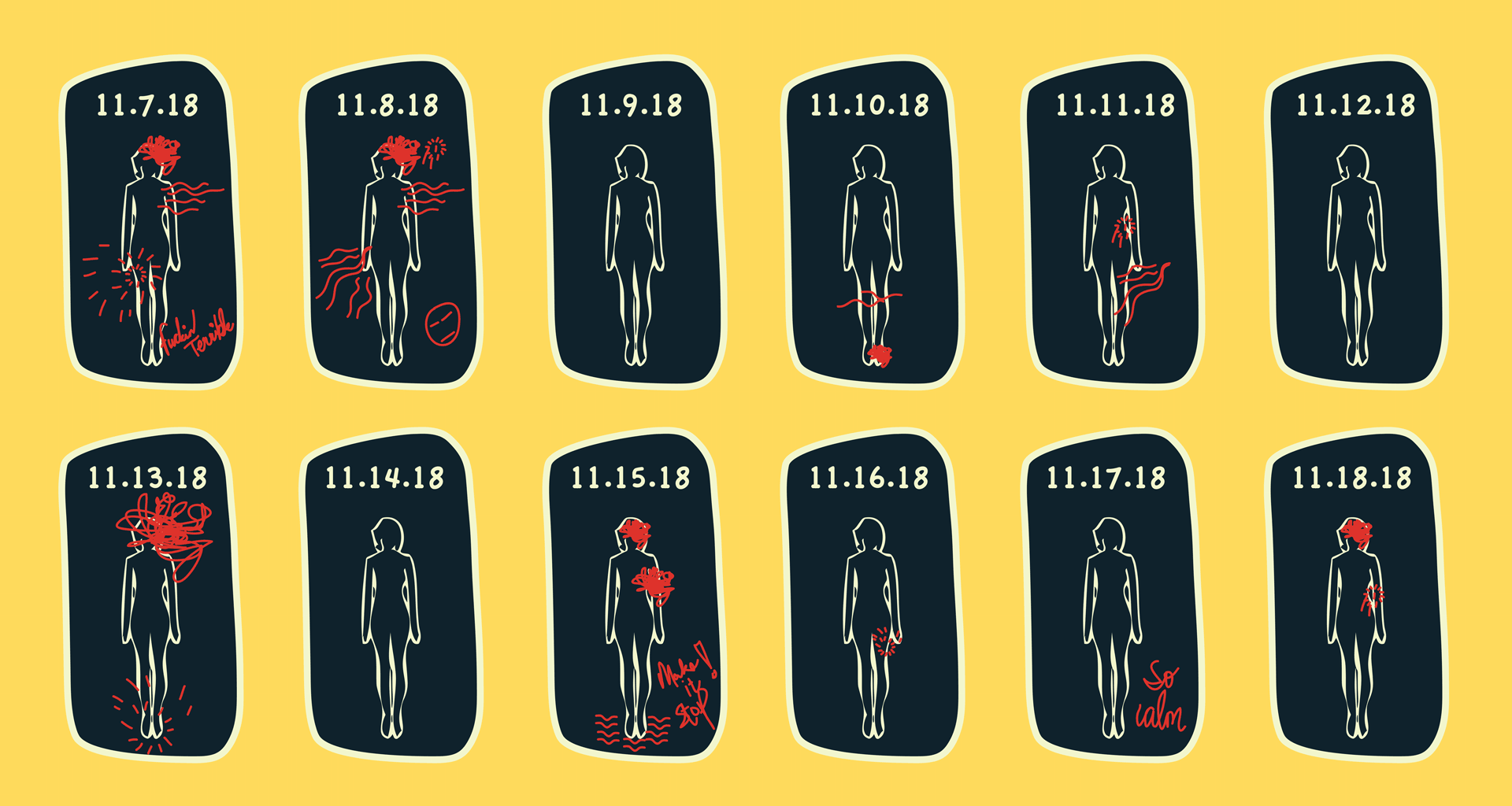
Paint is an app that allows patients to document and describe their symptoms in more than words. As part of her thesis, Hysterical, second-year student Rhea Bhandari designed Paint to help women advocate for themselves while navigating a healthcare system that often dismisses their symptoms, leaving them misdiagnosed and in avoidable pain.
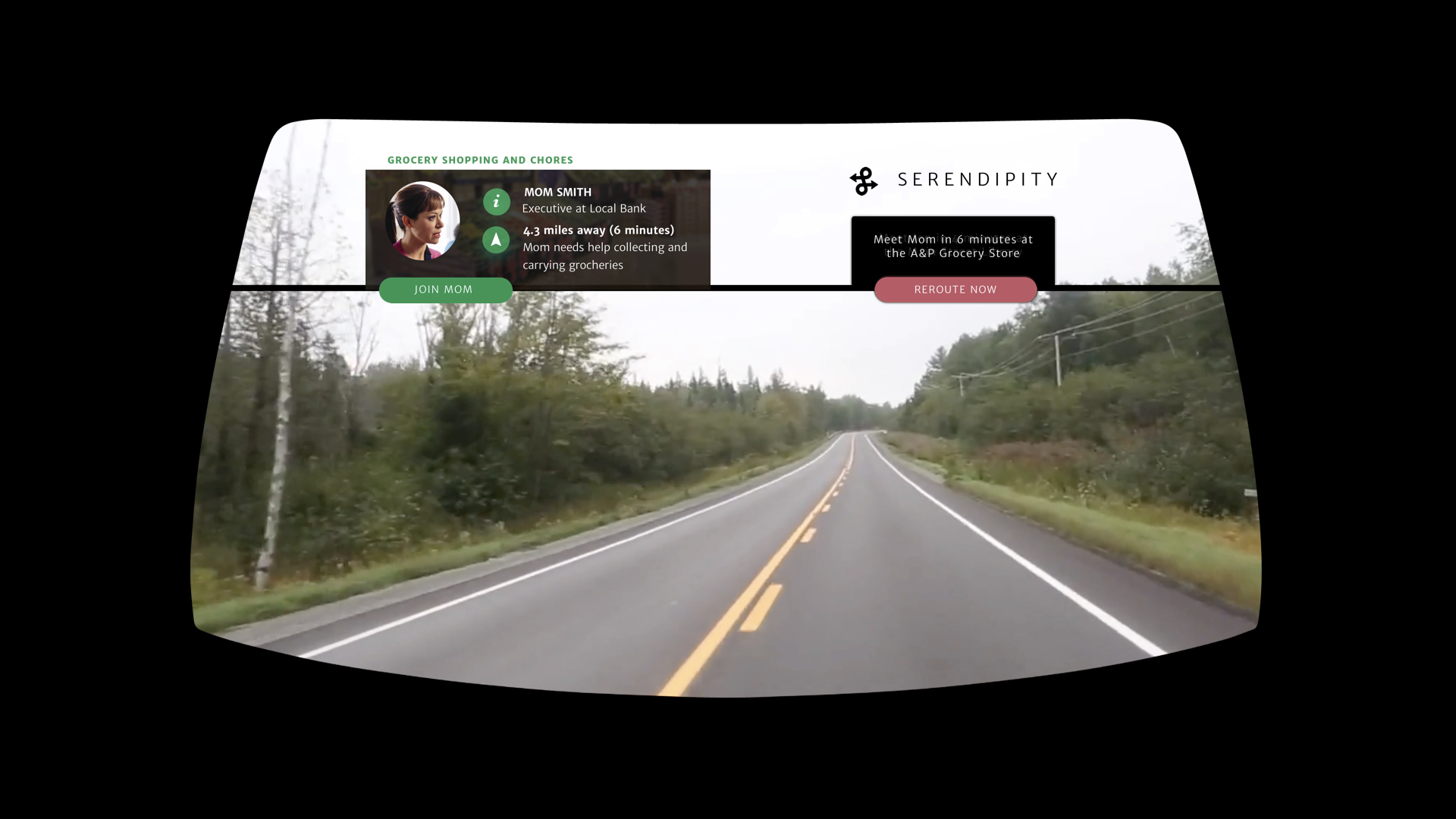
Lassor Feasley’s thesis You Are on the Fastest Route: Intentional Community and Responsible Autonomy examines how self-driving cars might impact American culture and the habits of everyday life. For many Americans, the traditional motor vehicle mediates access to everything from social and economic connections to childhood independence and family roles. "What happens when the underlying calculous behind motor age culture is rewritten and the way people explore and understand the world is reimagined?”, Lassor asks. Through his research, Lassor wanted to try and anticipate the consequences that autonomous cars might inspire. Over the past year, he has explored the social, the economic, and the ethical aspects of car culture, and leverages the tools of design to imagine how an advanced mobility system might drive positive change.
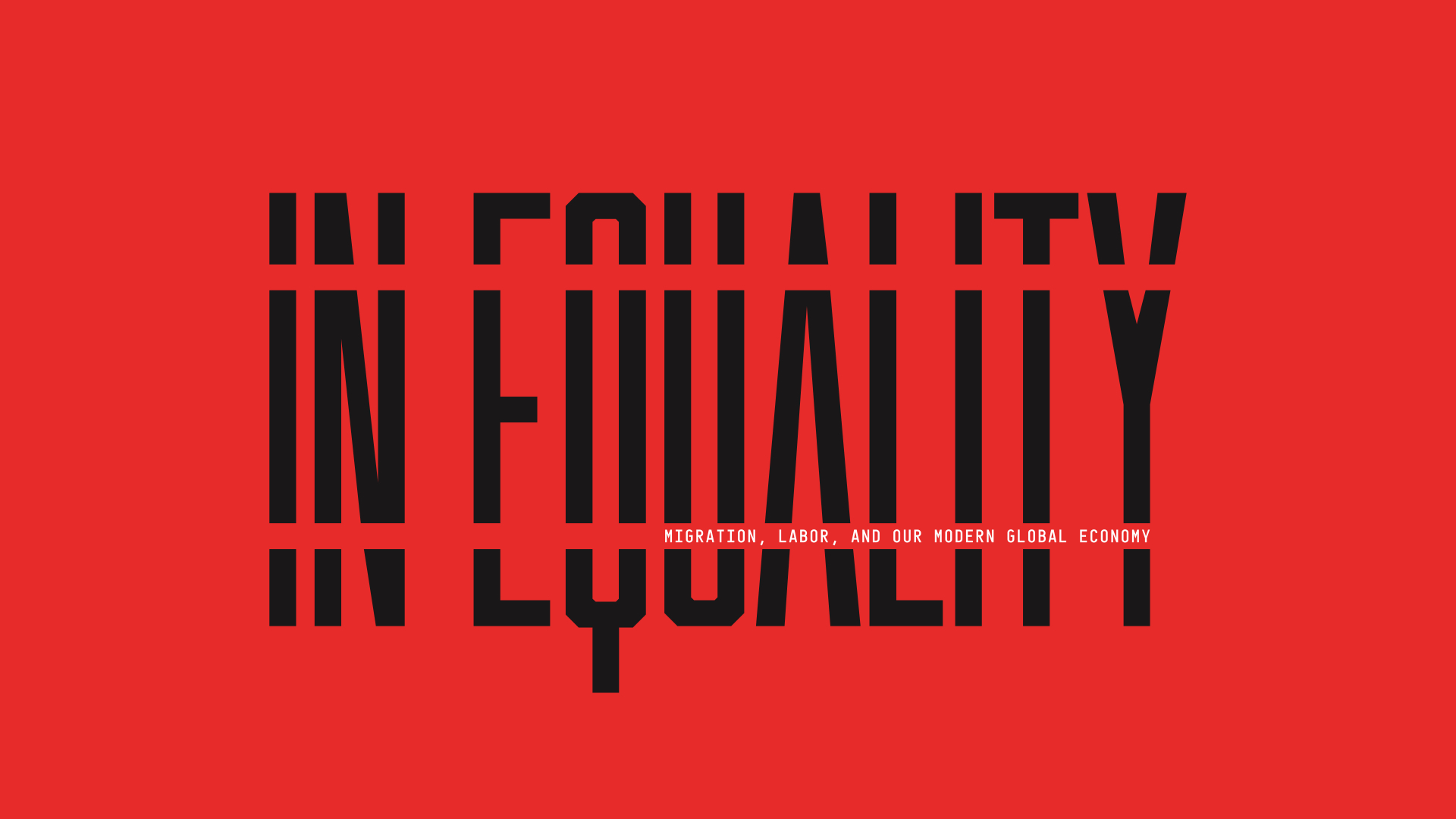
Bernice Wong’s thesis, In Equality: Migration, Labor, and Our Modern Global Economy, explores our relationship and role in the interconnected systems that allow some to prosper and others to suffer exploitation or enslavement. She traces the state of labor rights in today’s American agricultural industry back in time to the abolition of slavery in 1865, understanding that agriculture in the U.S. remains rooted in a system historically intended to control and repress the black body. Her design projects seek to intervene where there are structures of abuse, confronting the issues of immigration, exoticism, colonization, and race as intersected and inseparable.
As artificial intelligence’s capabilities continue to expand, there’s a growing anxiety that the impending AI Revolution may automate more jobs than it creates—triggering a crisis of worker displacement to rival the Dust Bowl and the Great Depression. In response, Will Crum developed Me, Myself and A.I.: How I Learned to Love the Machine That Took my Job, a thesis of speculative designs that imagine near and distant futures where AI is used to increase individual agency—not diminish it. Crum’s proposals and provocations address access to work and other ways to protect human dignity in an automated age.
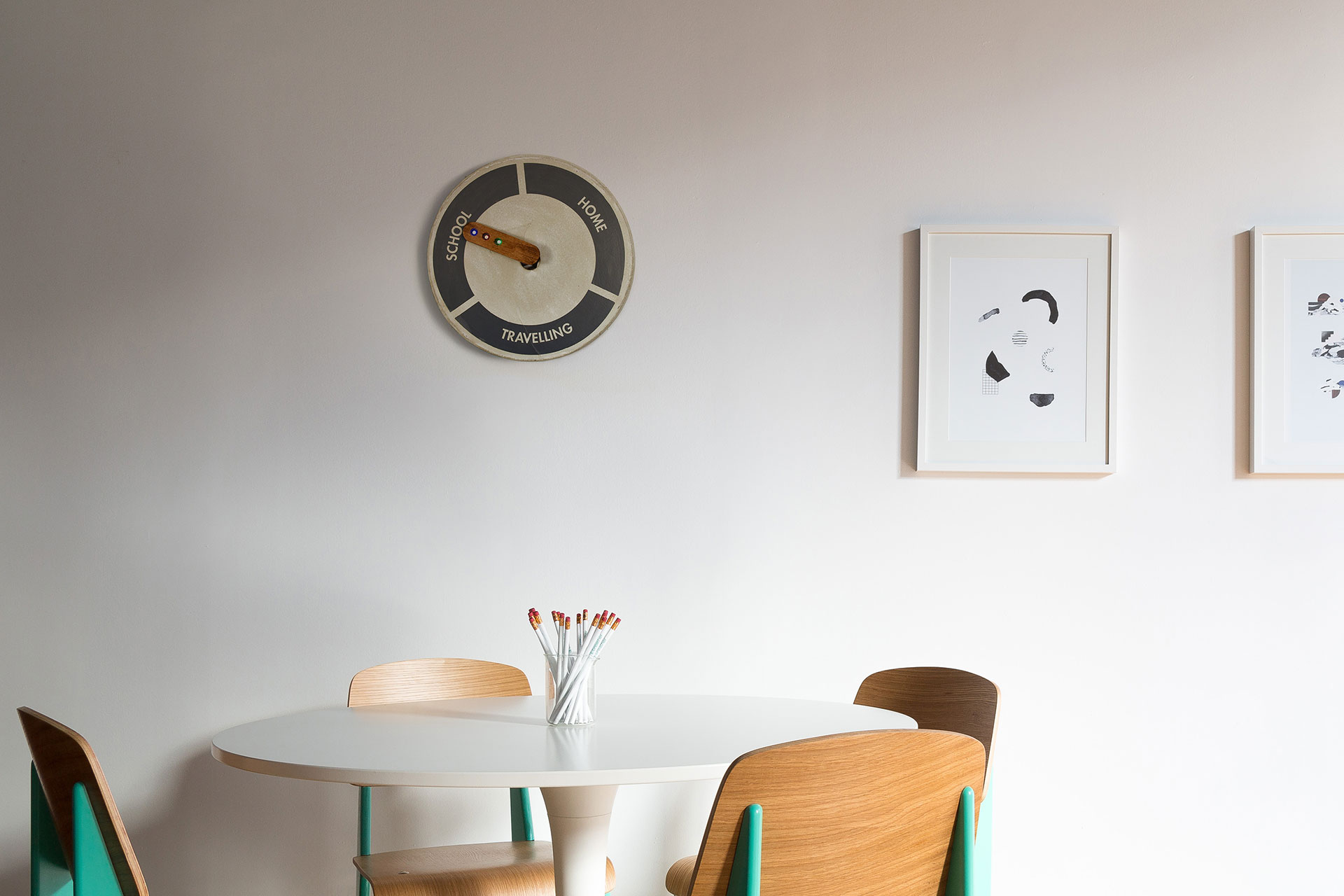
It's probably the biggest cliché—and the biggest truth—that a long-distant parent wants to know if their kid has eaten, if she's home or at work, and basically know that they're okay. First-year student Smruti Adya's cleaver Arduino-based invention—the Eez Clock—solves the problem by notifying the concerned parent about the general whereabouts of their distant child and whether that child has eaten all the meals for the day.
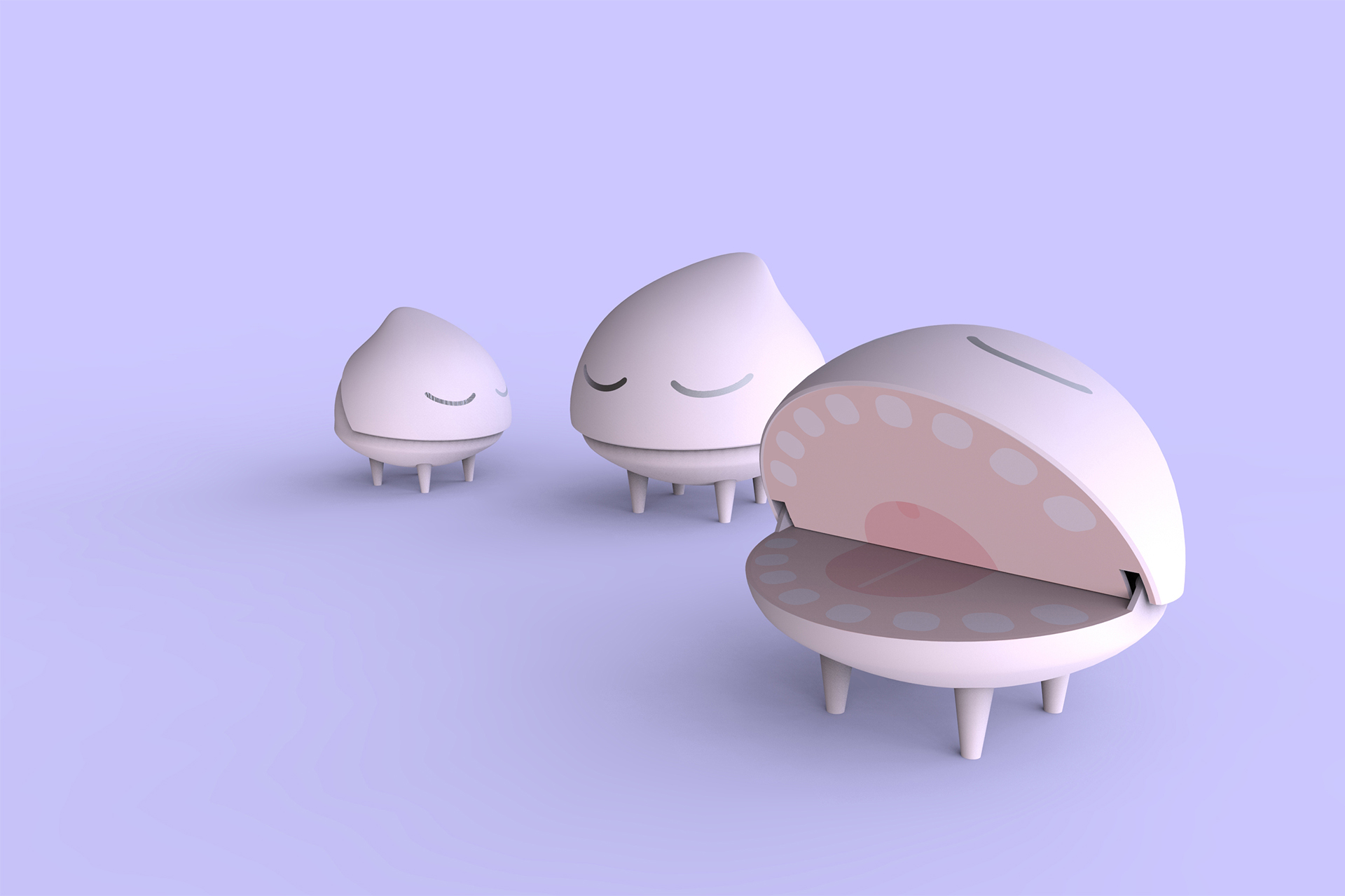
Yawnie is a smart product that helps people develop good sleeping habits. Designed by Products of Design students Roya Ramezani and Ziyun Qi and Interaction Design student Nic Barajas, Yawnie tracks users' sleeping conditions and reminds them to go to bed on time by triggering them to yawn. Yawnie capitalizes on the notion that yawning is contagious, and uses it to help improve the sleeping habits of its user.
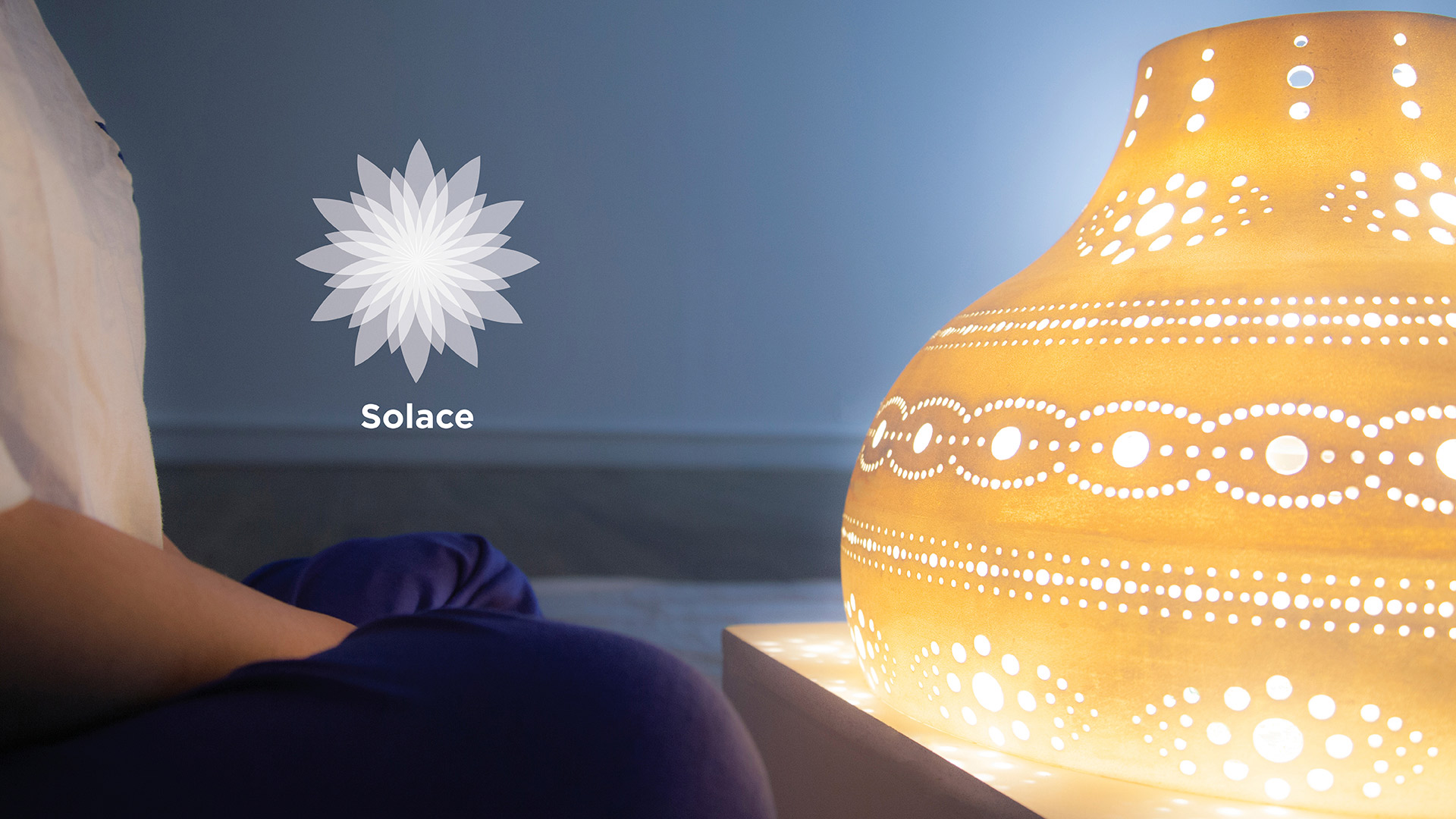
Products of Design MFA graduate Oscar de la Hera’s thesis, Finding North, plays at the intersection between Western, “social interventions”—such as help from friends, family or professionals—and Eastern, “introspective interventions”—such as yoga or meditation. The work aims to help individuals who have recently suffered emotional trauma transition to a more hopeful, happier, and healthier state of mind.
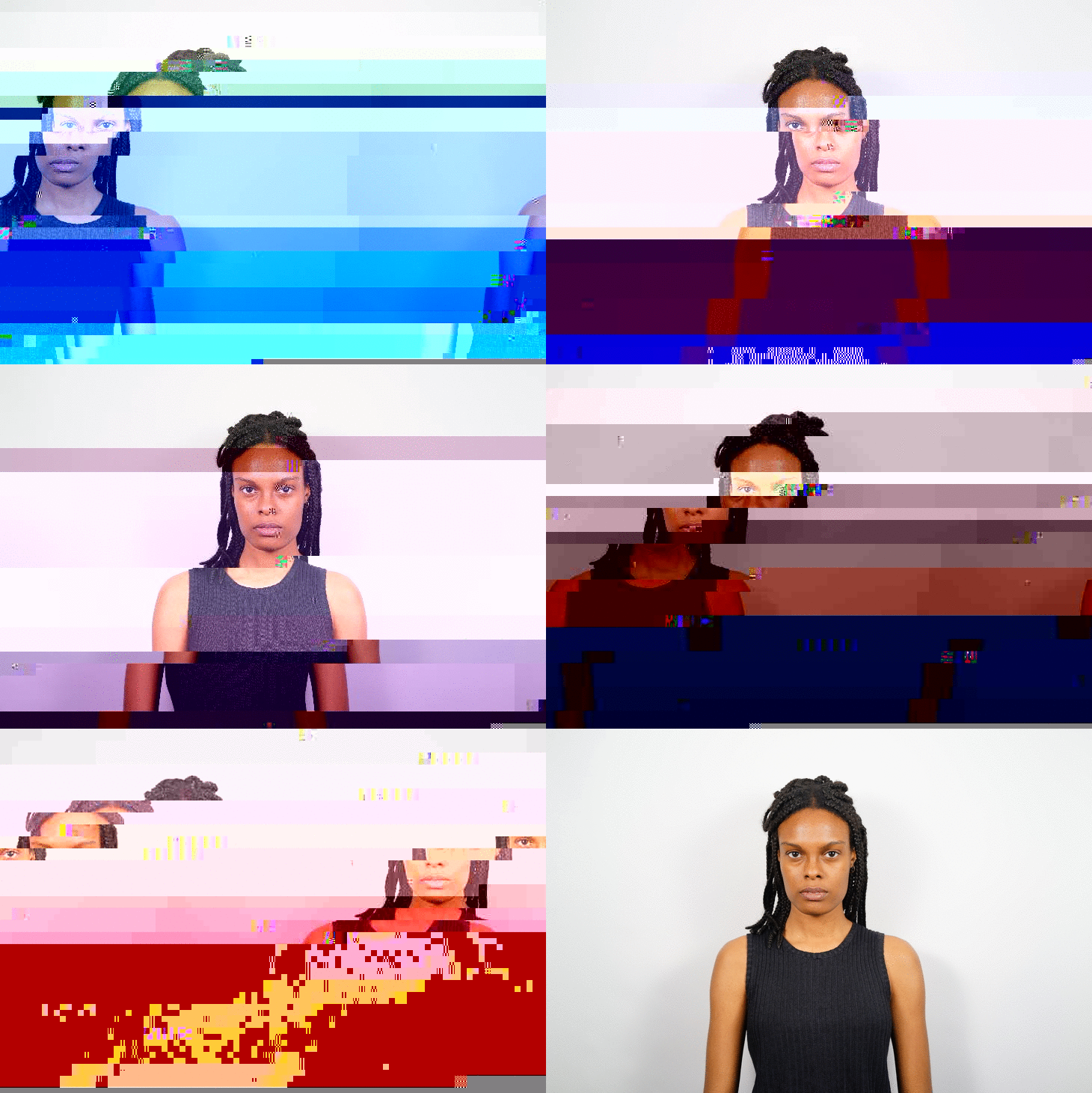
In Flux, the master’s thesis of Isioma Iyamah, is about how we communicate our identities, both verbally and non-verbally. It’s about the myriad ways we create and conceptualize our spaces, using language and behavior to structure, categorize and tell our stories. And it explores the patterns of behavior that frame our social identities.
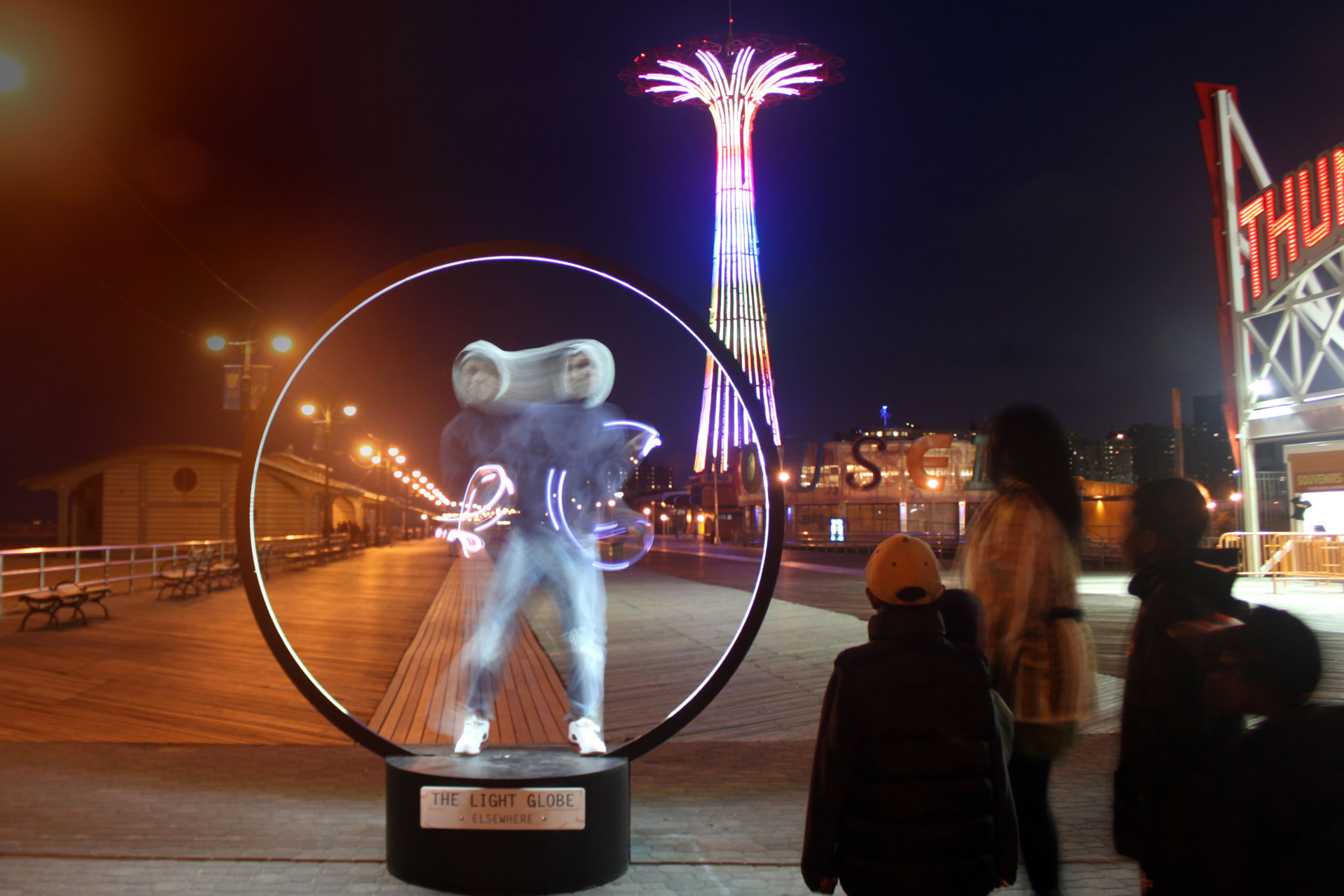
Here, There & Elsewhere is a masters thesis project about the experiences of travel and place. Leila Santiago was born and raised in São Paulo, Brazil, one of the largest and most complex cities in the world. There she trained as an architect and urbanist, studying the built environment and the complexities of the urban space. In the midst all of that, Leila also learned that the urban space "is a place for playing."

Fear of public speaking is often cited as the most common phobia, outranking even the fear of death. As Jerry Seinfeld famously quipped, “That means that the average person at a funeral would rather be in the casket than giving the eulogy!” At the same time, the ability to express oneself clearly and confidently in group settings is highly valued and admired. To confront this dilemma, designer Julia Lindpaintner created an application called Orator: karaoke for public speaking. Conceived as a way to make the art of oration accessible and entertaining, Orator gives people the opportunity to improve their own speaking by imitating great rhetoricians of the past and present.
Berk Ilhan’s master’s thesis, Uplift, addresses the quality of life of cancer patients—identifying opportunities that cultivate joy and happiness, and strengthening the support group around the patient. Based on his hypothesis that, through design, joy and humor can positively change most experiences—and inspired by the revolutionary physician Hunter Doherty (popularly known as “Patch Adams”), advocate of humor, fun, and love in healthcare—Berk’s work re-imagines hospital and outpatient experiences beyond conventional boundaries.