
PoD Students win 2026 NYCxDESIGN Award!
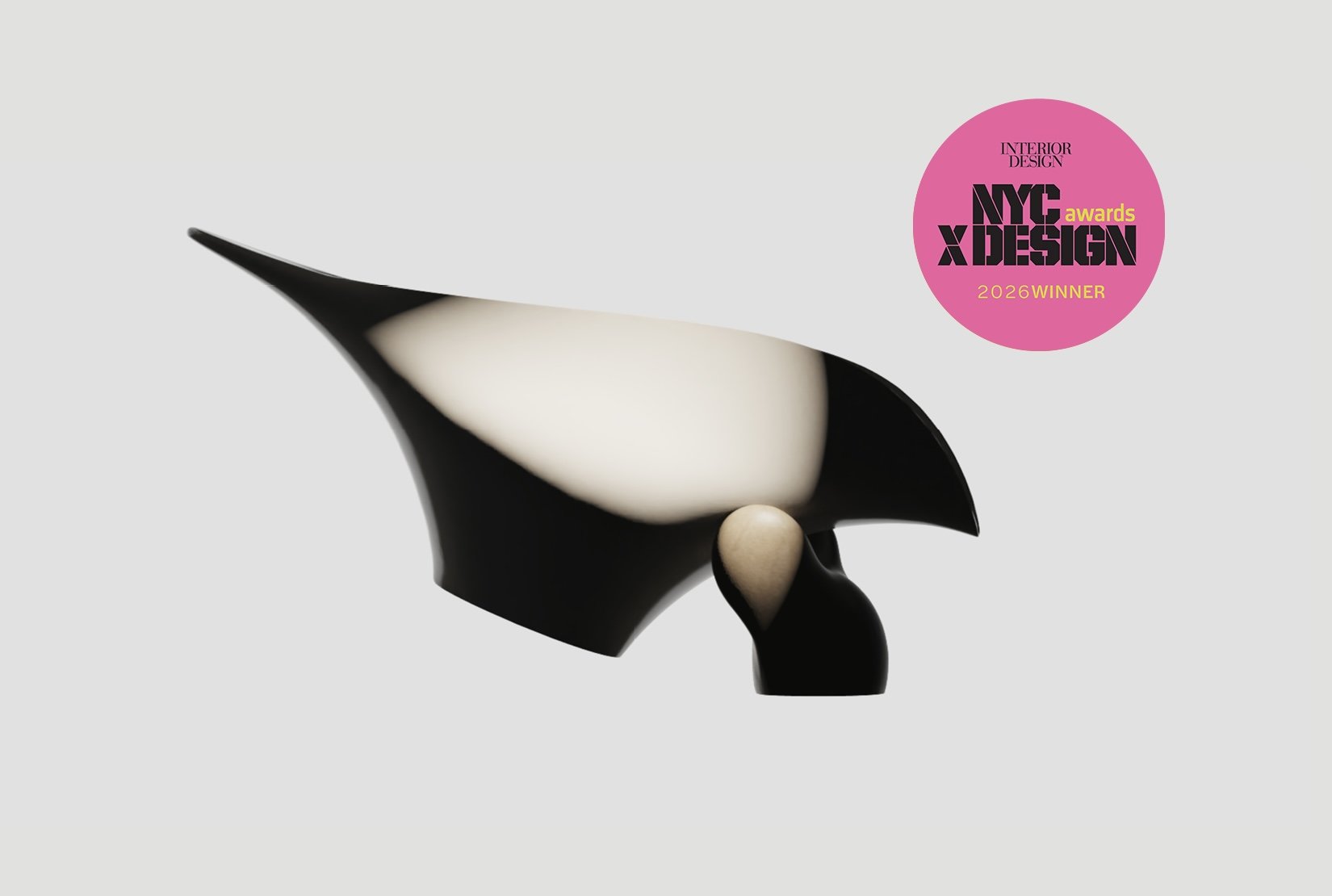
Class of 2026 alumni Jessie Qian Wang, Lauren Palazzi, and Tong Zhao are winners of the 2026 NYCxDESIGN AWARDS for their work on the “Please” Teapot— an innovative yet traditional teapot design inspired by Chinese tea culture.
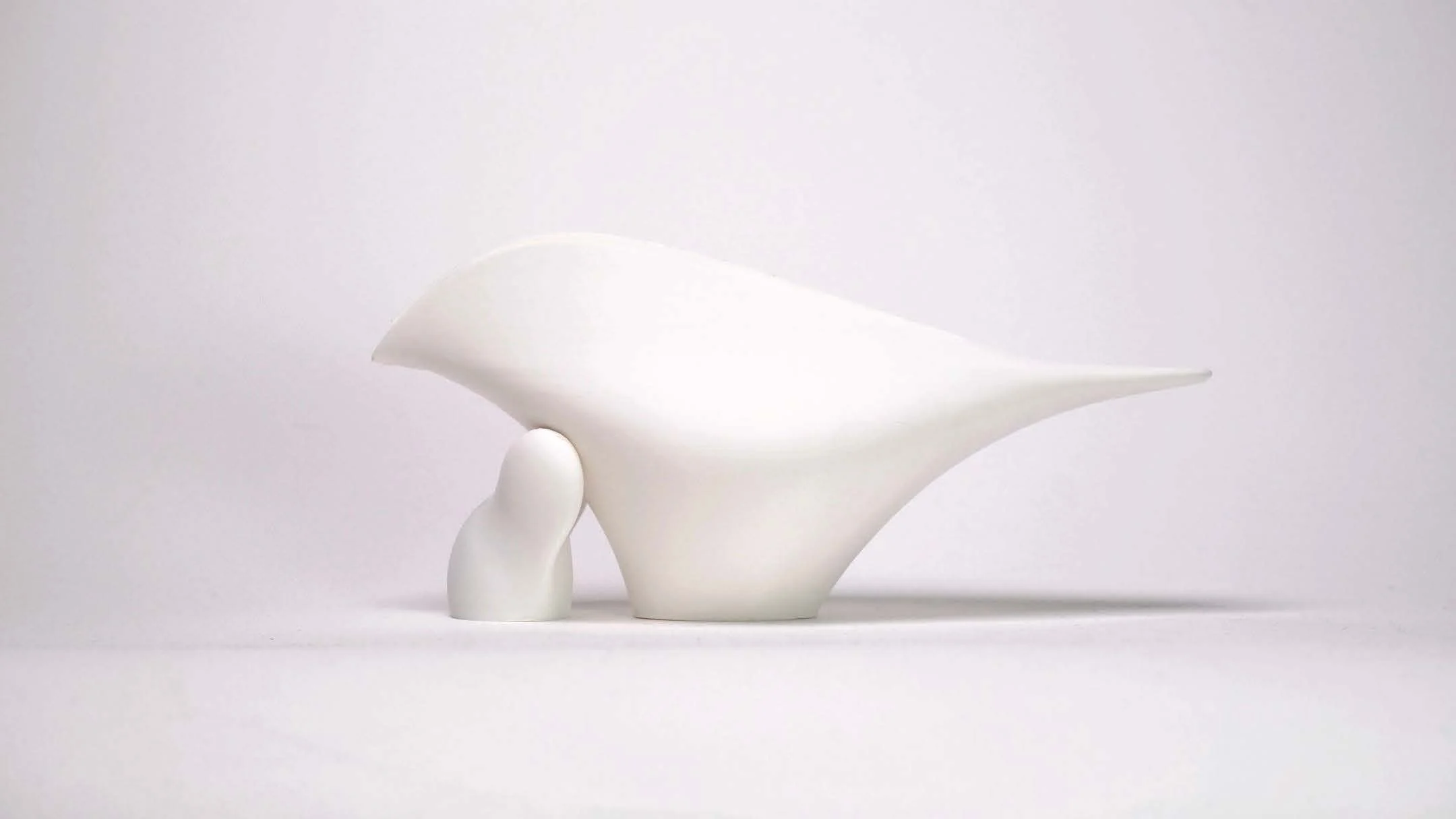
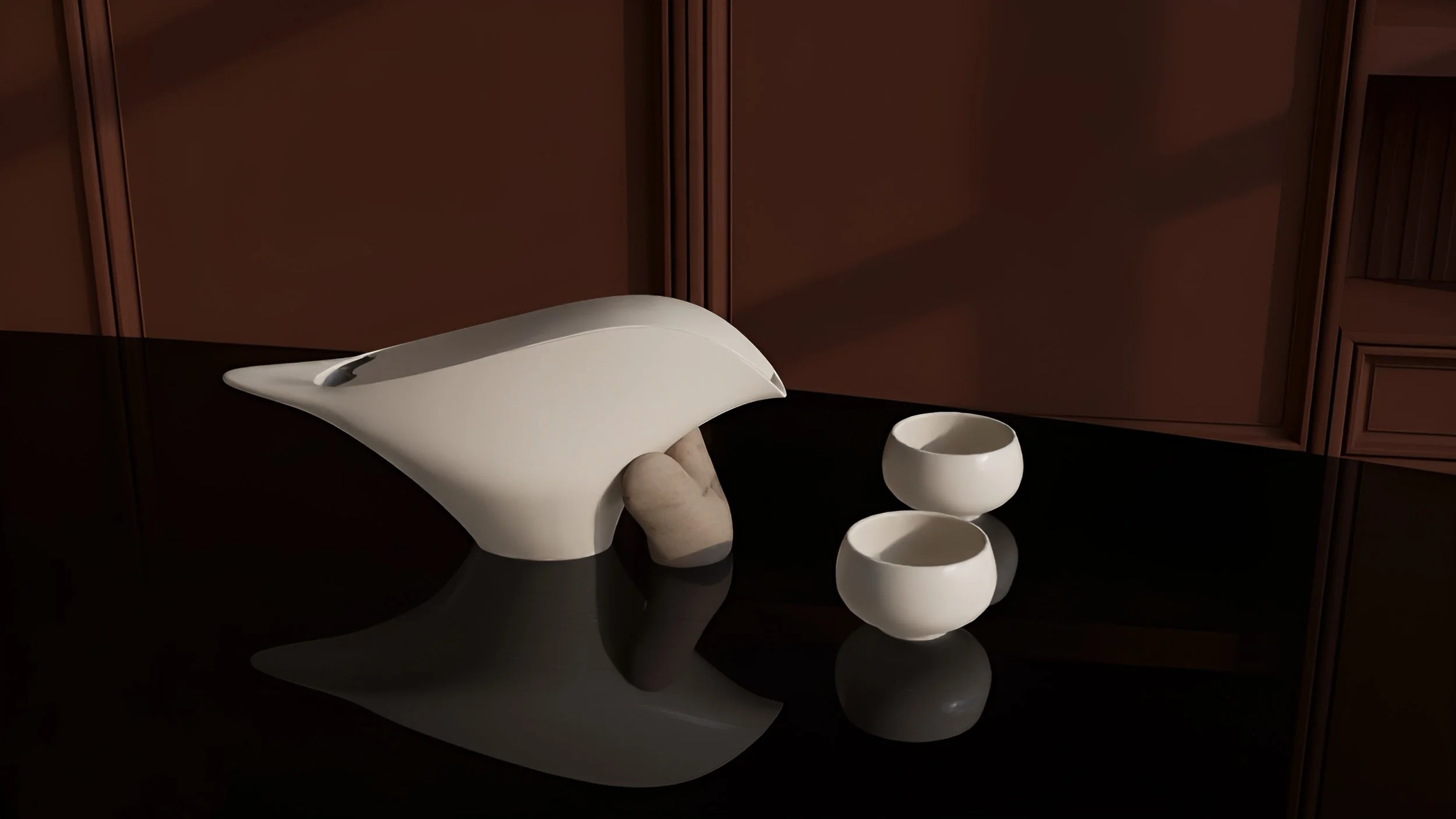
When tea is poured for someone, a “please” gesture is often made by gently placing hands together, palms facing upward, as a sign of respect. The designers translated that gesture into the teapot itself. Instead of lifting the whole pot, the pourer gently raises the tail to serve the tea. It makes the act of pouring feel softer, more polite, and more intentional. The teapot is made of smooth white ceramic.


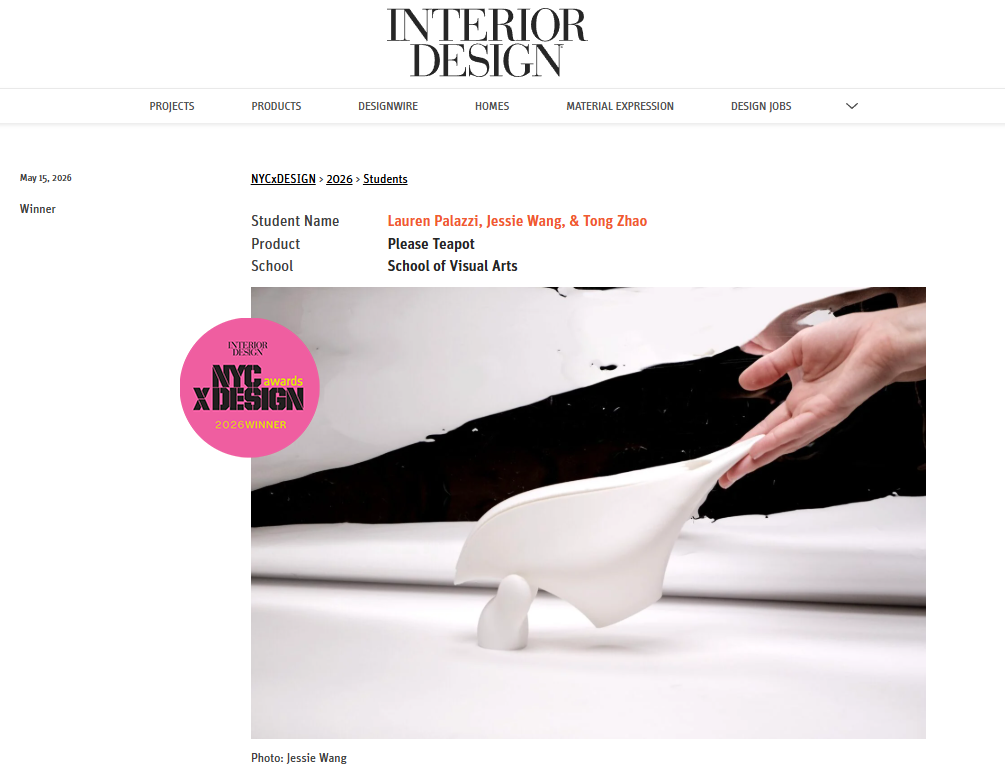
“Please” was developed in the second-year fall course Product Brand Experience, a ten-week studio class taught by multidisciplinary designer Dino Sanchez. The class invited students to treat the idea of “home” as both anchor and provocation, using it as a lens to create products and brands that capture their personal and cultural understandings of comfort, belonging, and place.
Below is a look at Jessie, Lauren and Tong’s approach to the “Please” Teapot.
A Practice Rooted in Ritual and Presence
“Please” Teapot exists to reimagine the rituals of everyday life. A sculptural object formed from honest, natural materials, “Please” shifts unconscious actions into conscious, meaningful gestures. At the center of this product is the idea of balance—both a design principle and a technical pursuit. The teapot’s design explores harmony between:
Function and sculpture — purposeful yet expressive;
Grounding and elevation — stable yet refined;
Tradition and modernity — rooted in craft, reimagined for today.
This search for balance guided Jessie, Lauren, and Tong in the creation of the product.
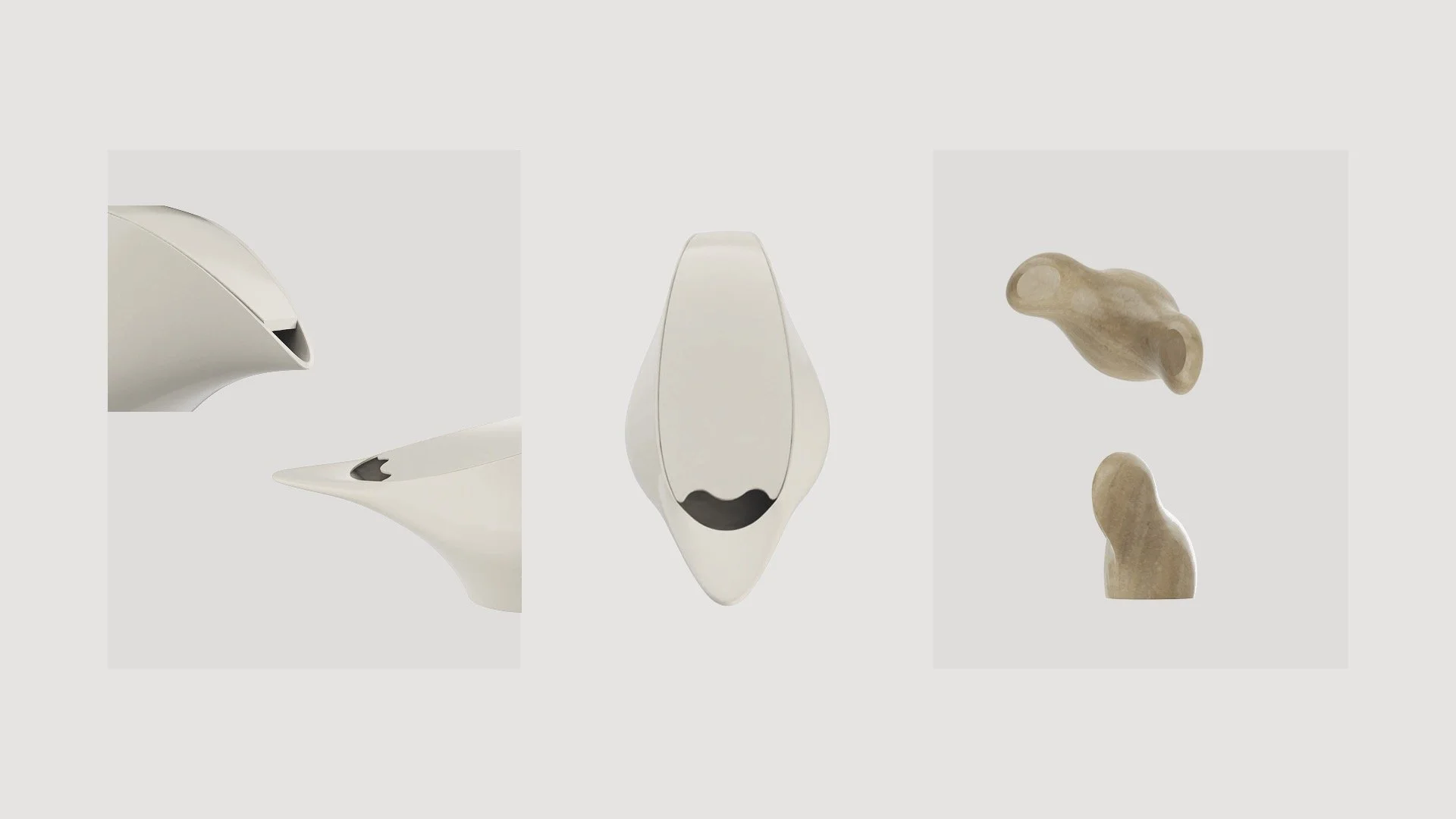
Design Details
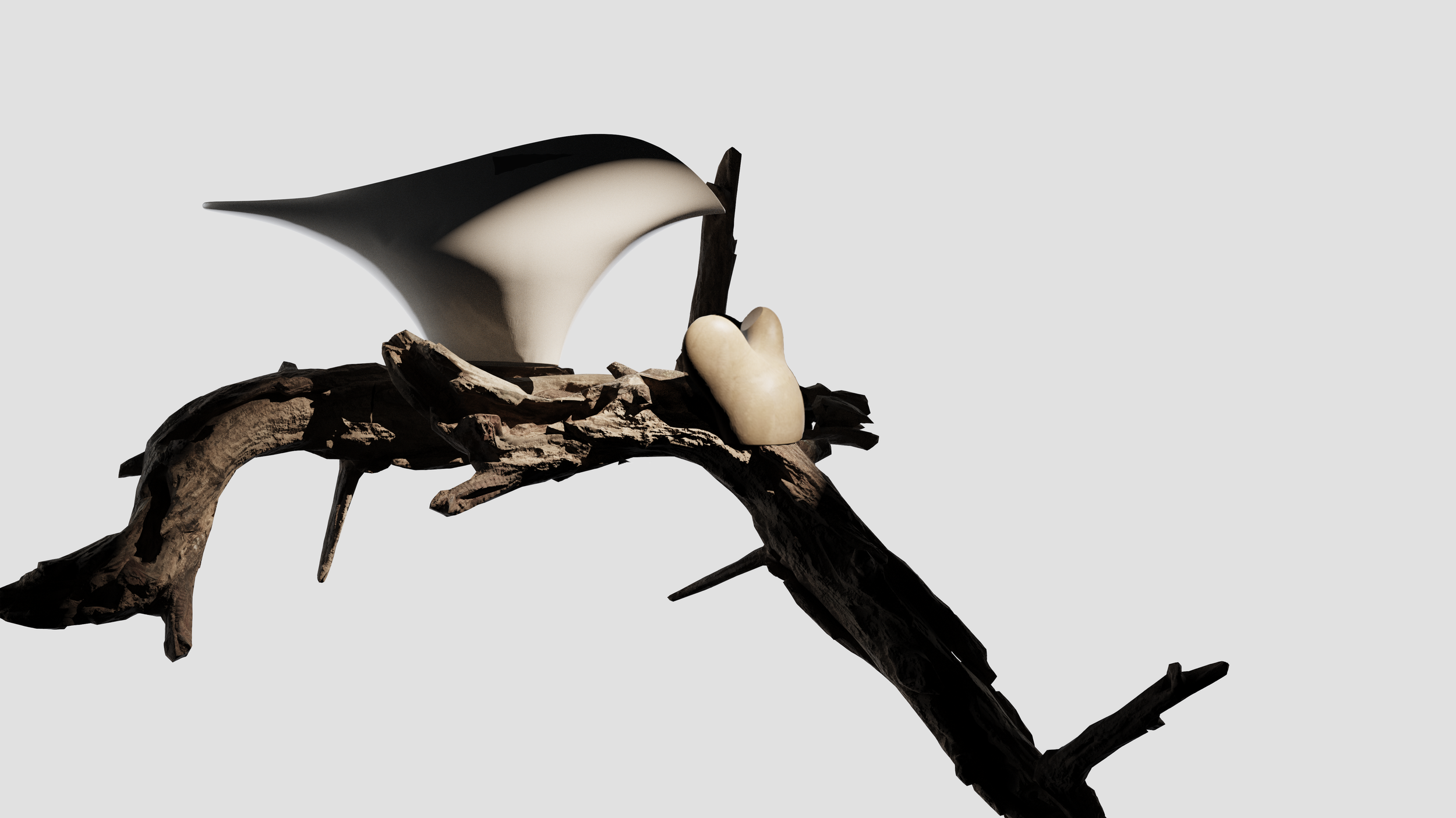
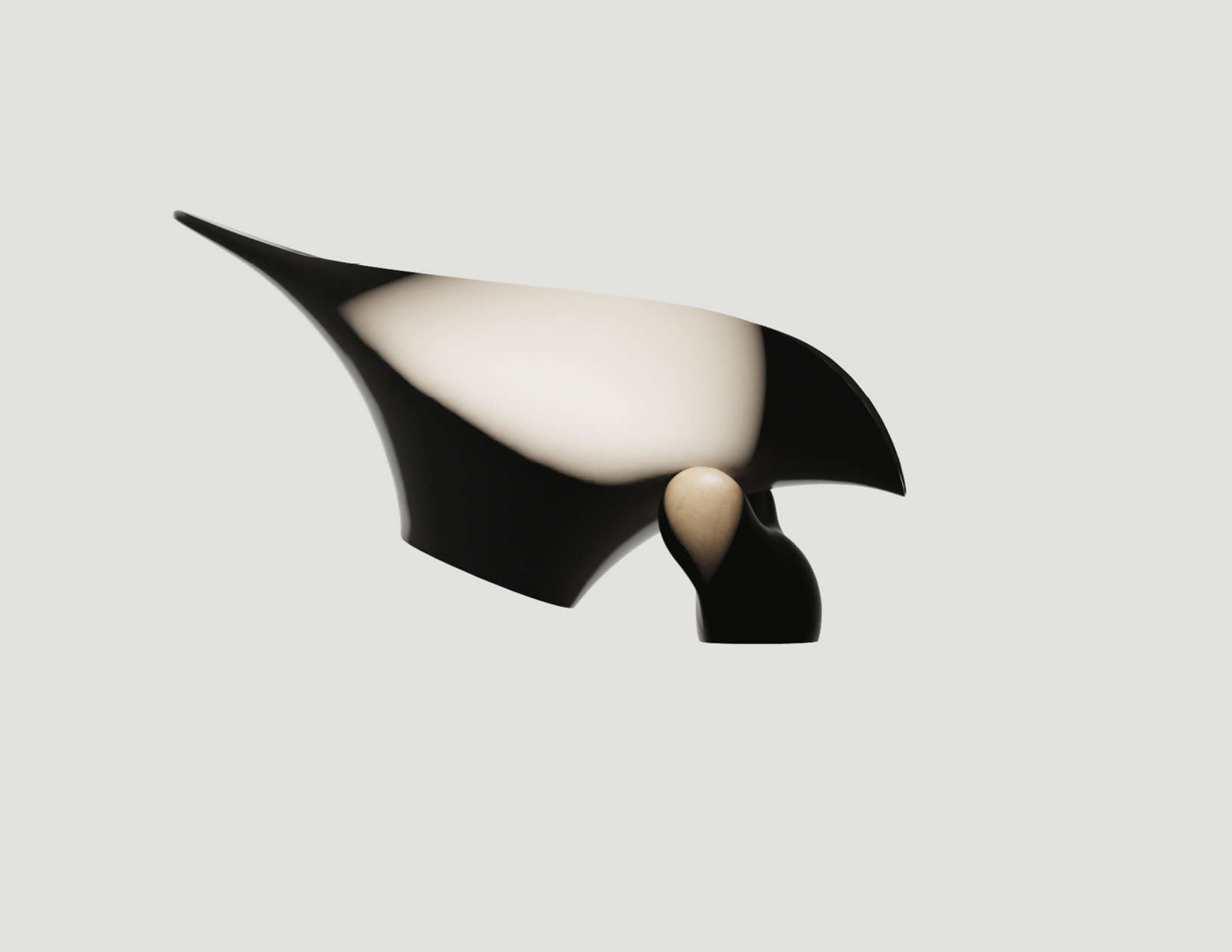
The “Please” Teapot was born from a desire to change the act of pouring tea from an automatic motion to something more consciously considered. Rather than lifting the pot, the user tilts it over the fulcrum of a natural stone base. The motion feels intuitive and graceful.
The subtle arc of the pour not only inspired the product but also became the foundation of the teapot’s visual language.
The teapot holds 12 ounces, enough for two cups—intentionally sized for sharing. It is handcrafted from double-walled porcelain, keeping the tea warm while allowing the user’s hands to remain cool. The porcelain is lightweight, giving the tilt a sense of effortlessness. In contrast, the marble base is heavy and grounding, acting as the counterweight. Though the two components are not physically attached, they meet in a way that feels secure and intuitive. The base seems to hug the pot, guiding the motion with natural precision. This relationship of two separate forms that support one another is central to the product’s meaning.
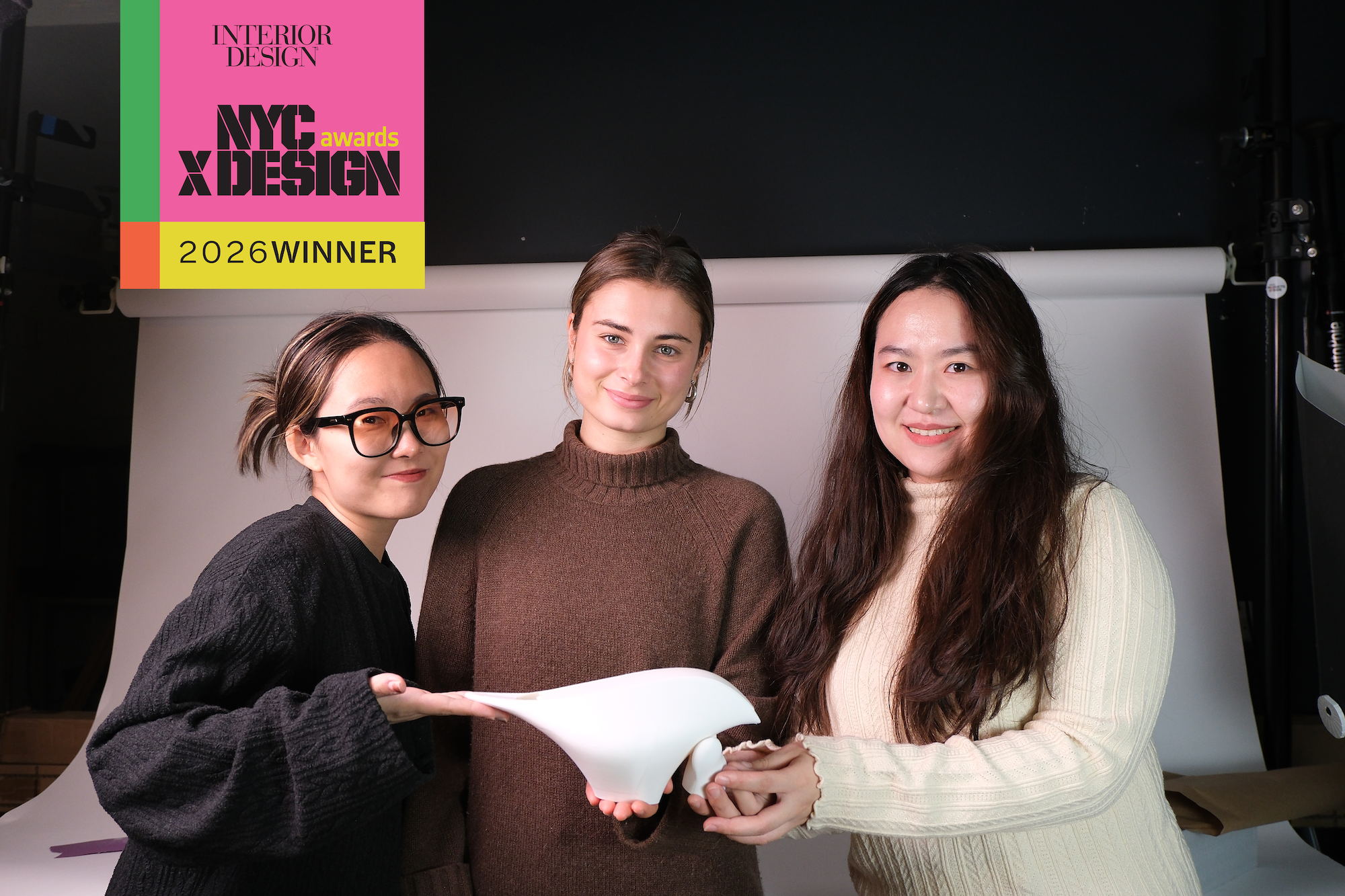
Congratulations to these Products of Design Class of 2026 alumni!
