
The Language of the Road: From Noise to Nuance
Christiana Aghjayan's thesis, The Language of the Road: From Noise to Nuance, begins with a sound. A horn. Maybe two. If you've spent any time in New York City traffic, you know exactly what that sounds like, and more importantly, you know it means almost nothing and everything at once. Is that honk signaling anger? A warning? A “Hello”? An accident narrowly avoided? Road communication, as it turns out, is a deeply broken design system, and Christiana has spent the last two years figuring out why and what to do about it.
The thesis argues that the tools available to drivers for communicating with one another, and with the road itself, are blunt, binary, and insufficient: horns, lights, gestures. These instruments were designed for a different era of driving and have not kept pace with the complexity of what it means to share the road today. The result is a kind of noise, literal and figurative, where nuance goes to die. Christiana's proposition is not to automate our way out of this problem, but to design our way through it. Human-centered, tactile, manual solutions that return expressiveness and fluency to the driver.
Fluency is the operative word. Every project in this thesis is an on-ramp. Each one lowers a barrier, adds a layer of meaning, and extends an invitation: you belong in this conversation.
Christiana came to this topic the way most people come to the things that matter most to them, through a life lived inside it. Growing up in New Jersey with a father whose cars were practically family members, raised on a diet of Top Gear, Nitro Type, and the Fast and Furious franchise, she was a car person before she had the language for it. This thesis is, in many ways, her attempt to build that language for everyone else.
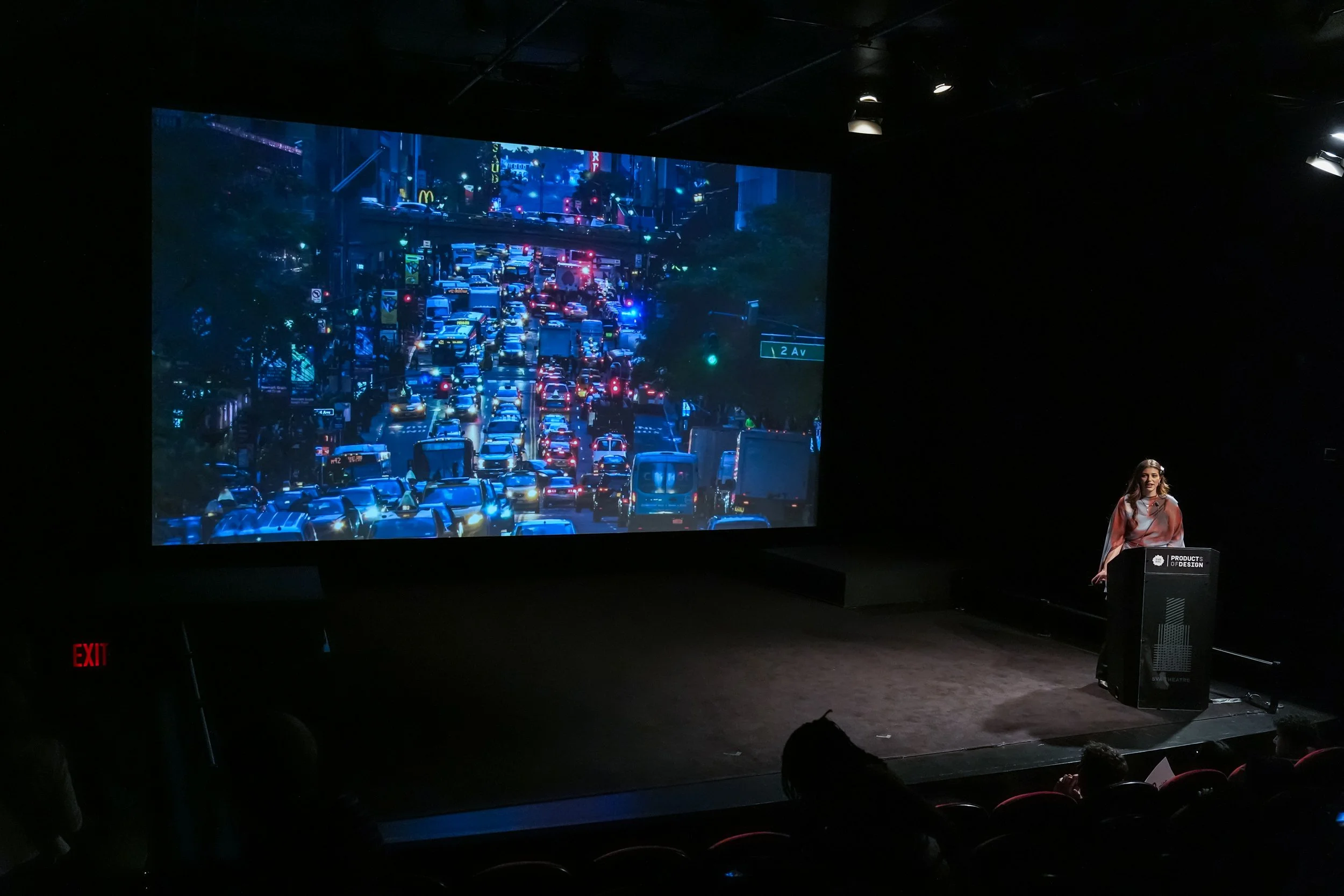
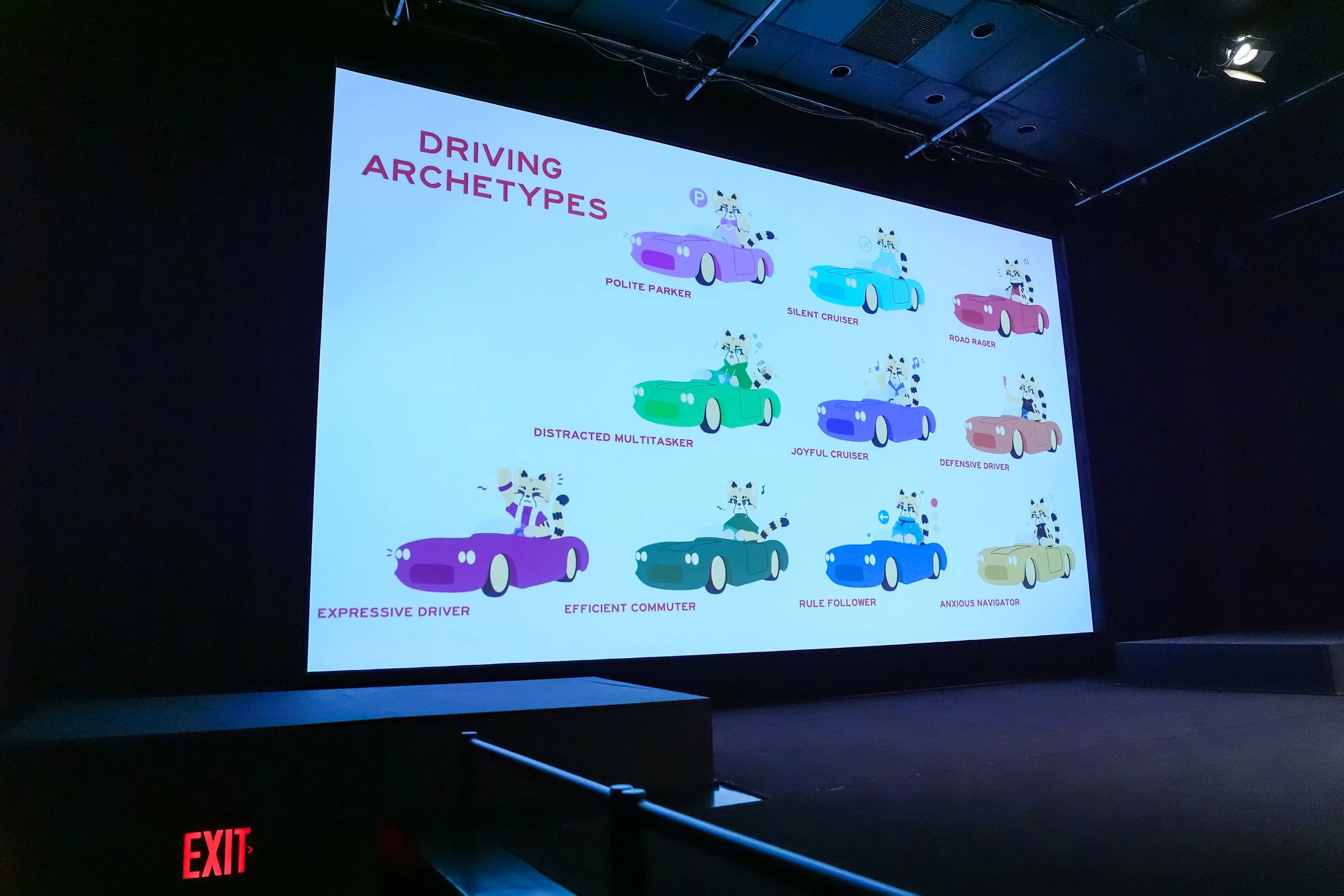
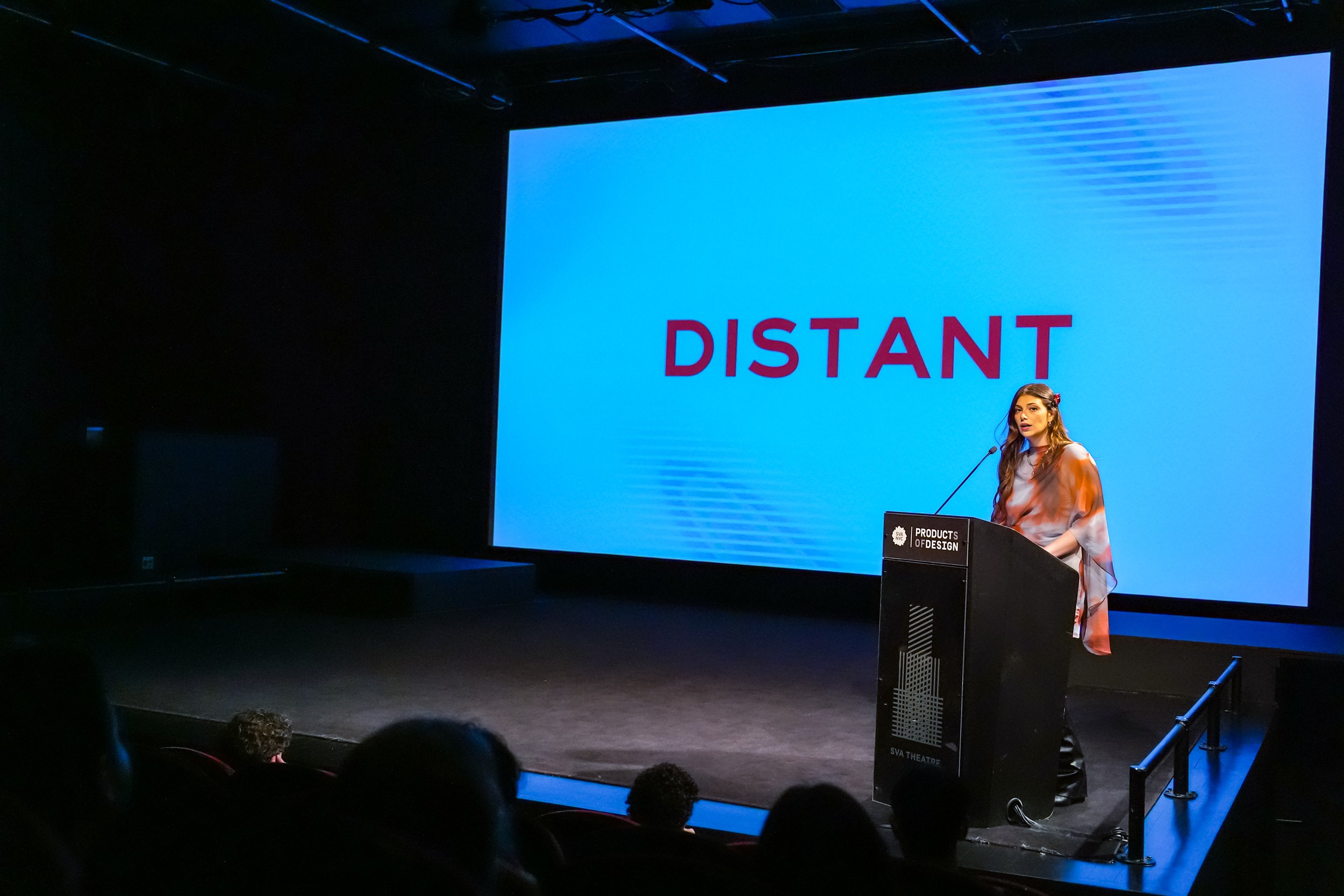
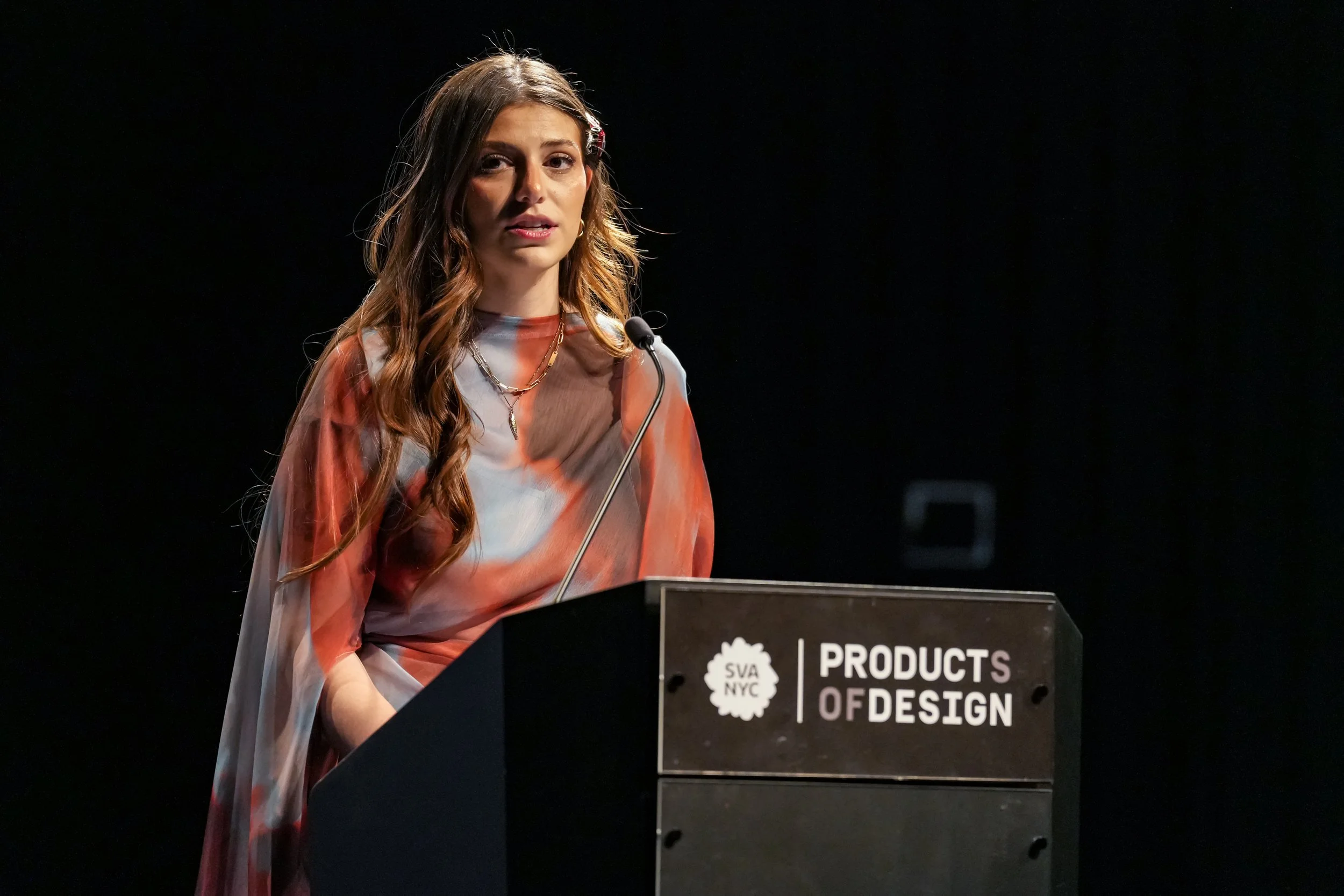
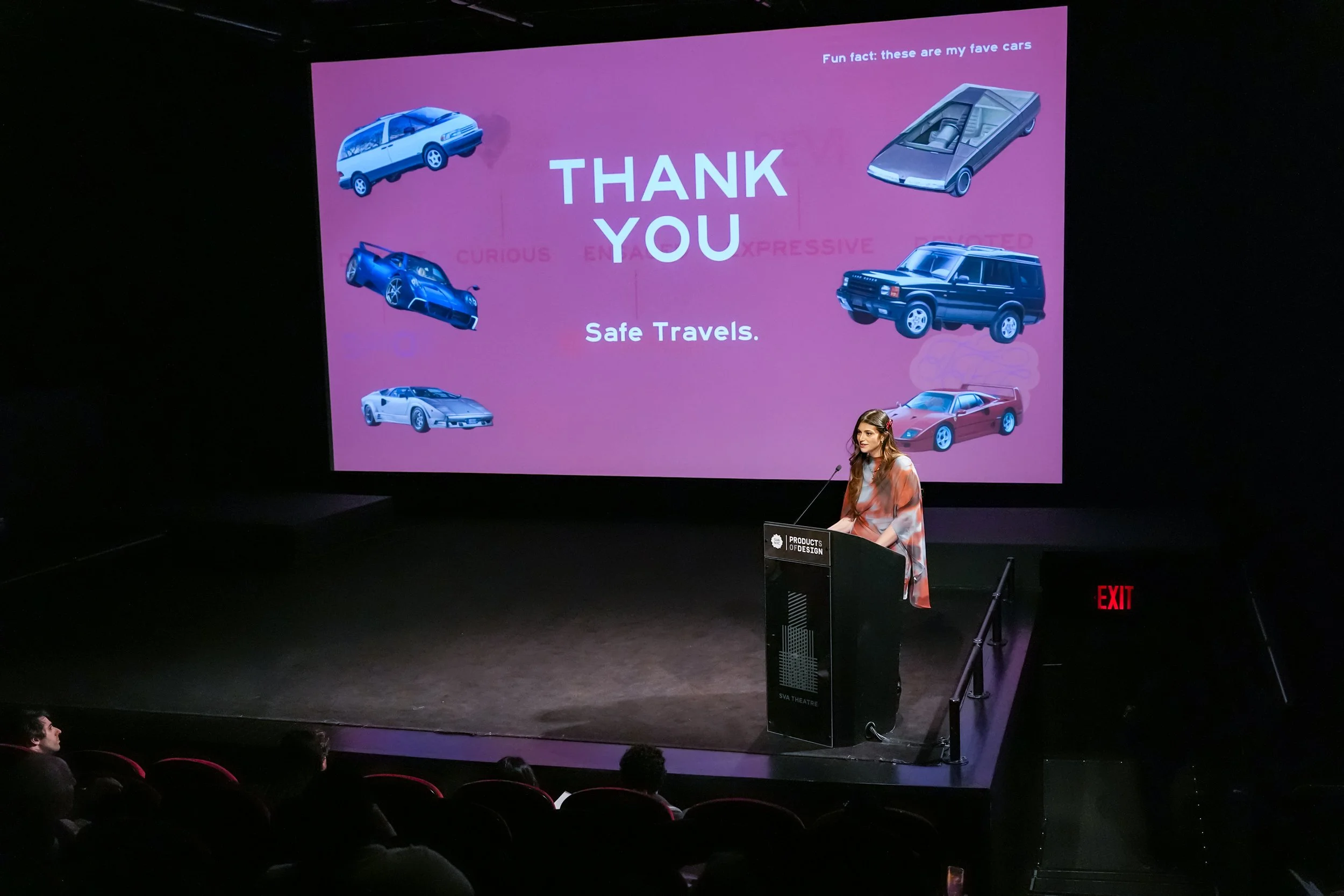
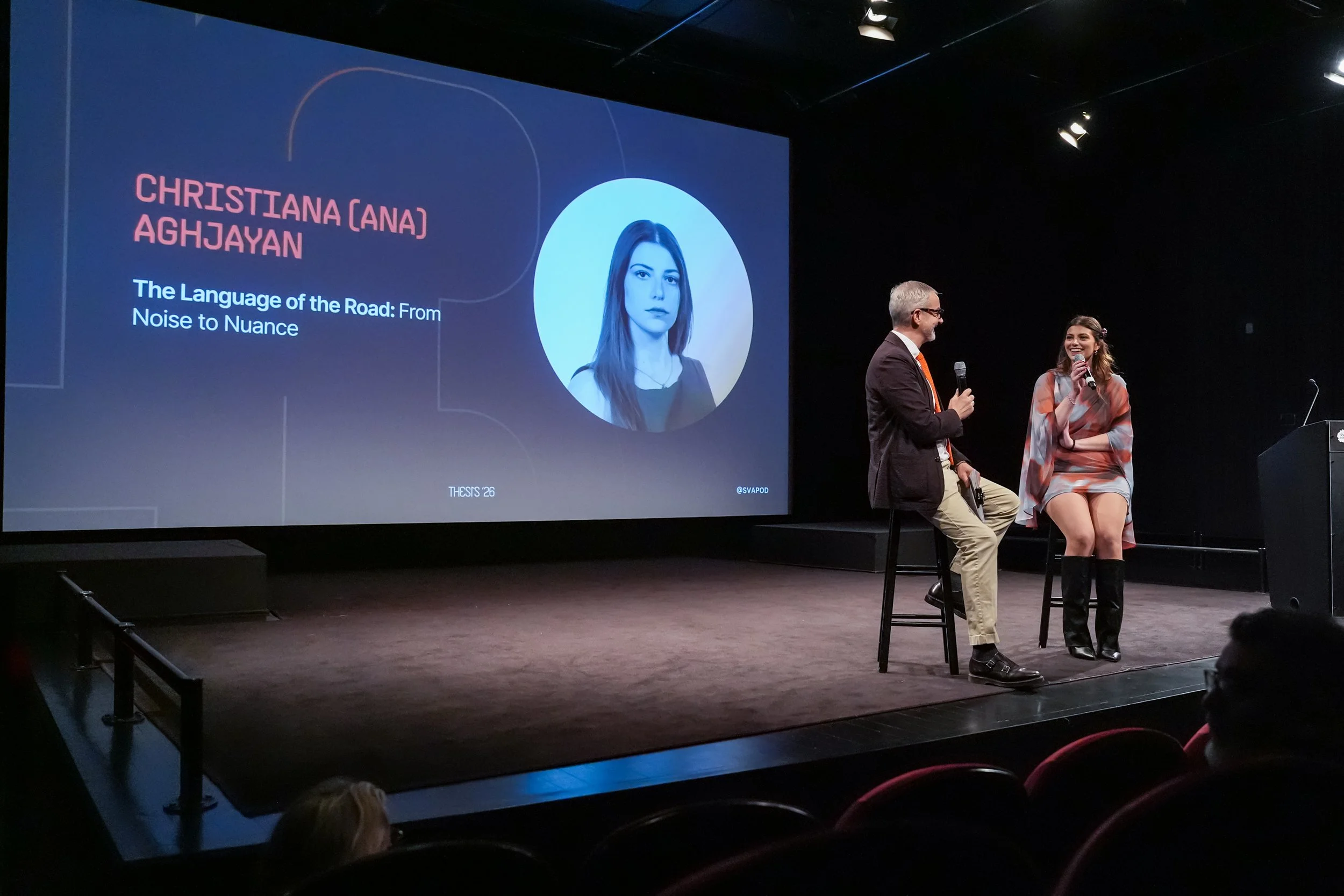
The research behind it is equally wide-ranging. Christiana conducted expert interviews with designers, engineers, and cultural thinkers across the automotive world, including Zac Moseley, Co-Founder of Classic Car Club Manhattan, who put it plainly: "There is a difference between driving a car and feeling a car." That distinction, between operating a machine and being in genuine dialogue with it, is the spine of the entire thesis. She also ran a primary research workshop called DND: Decisions in Driving, which surfaced a set of driver archetypes that informed the design logic of each project that followed.
What emerged is five projects, each one mapped to a stage on a spectrum of fluency. From feeling completely distant from car culture, all the way to being wholly devoted to it. Distant. Curious. Engaged. Expressive. Devoted. A project for each stage, and an on-ramp for every kind of driver.
SPOT
The spectrum begins at Distant, which is exactly where most people actually are. SPOT is a car spotting platform that lets you capture, identify, and collect vehicles you encounter in real life.
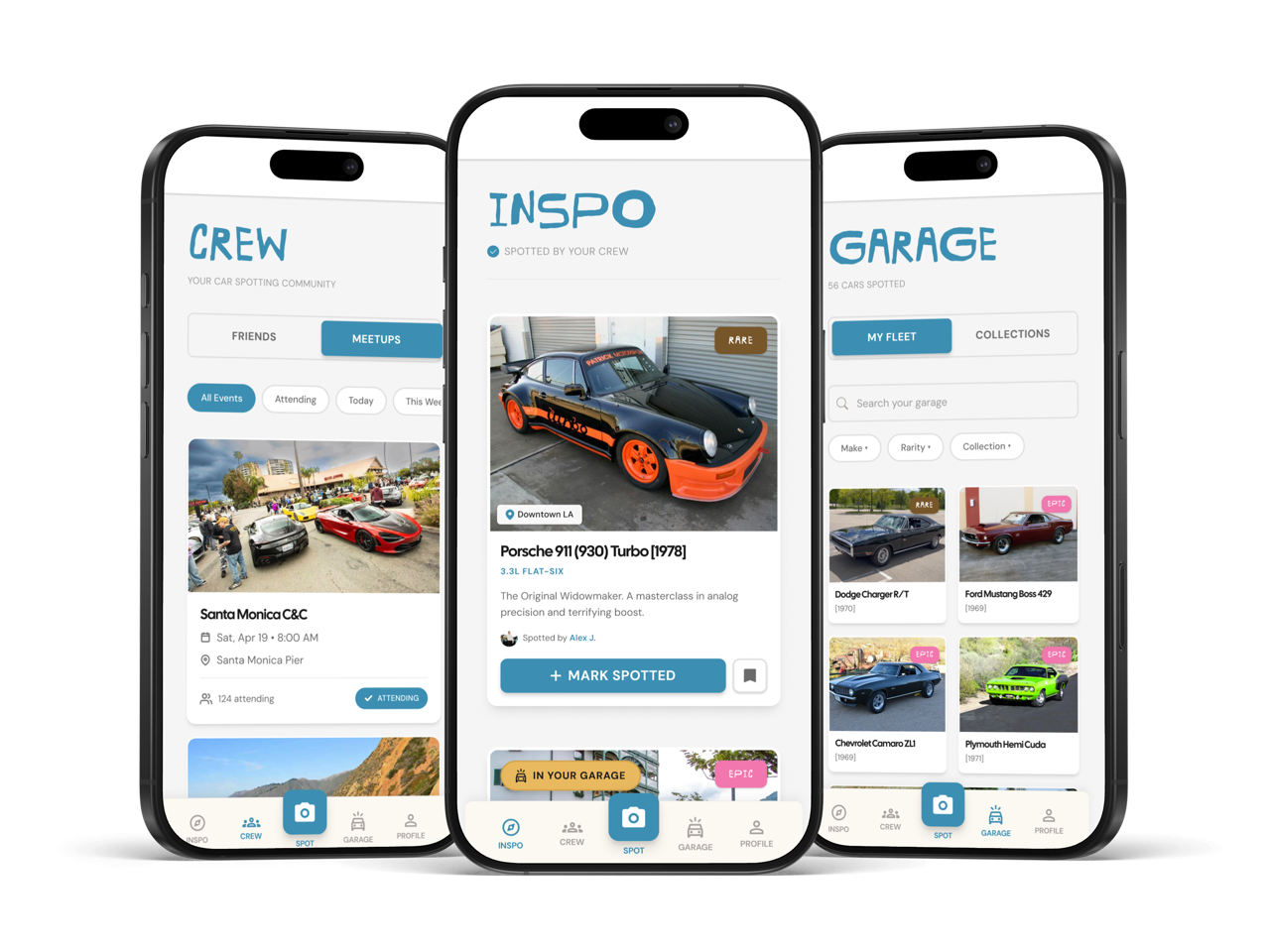
Think Pokémon Go, but for cars. SPOT was designed with three distinct users in mind: the die-hard enthusiast who wants to build a digital collection with zero budget, the car-curious newcomer who wants to learn about automotive history without feeling gatekept by expertise, and the community-seeker looking for local car events and the people who show up to them. SPOT meets each of them exactly where they are. No barrier to entry. No prerequisites. Just the street, and what is on it.
Not everyone who loves cars knows why yet. SPOT gives them a place to start finding out.
Are You Car-Curious?
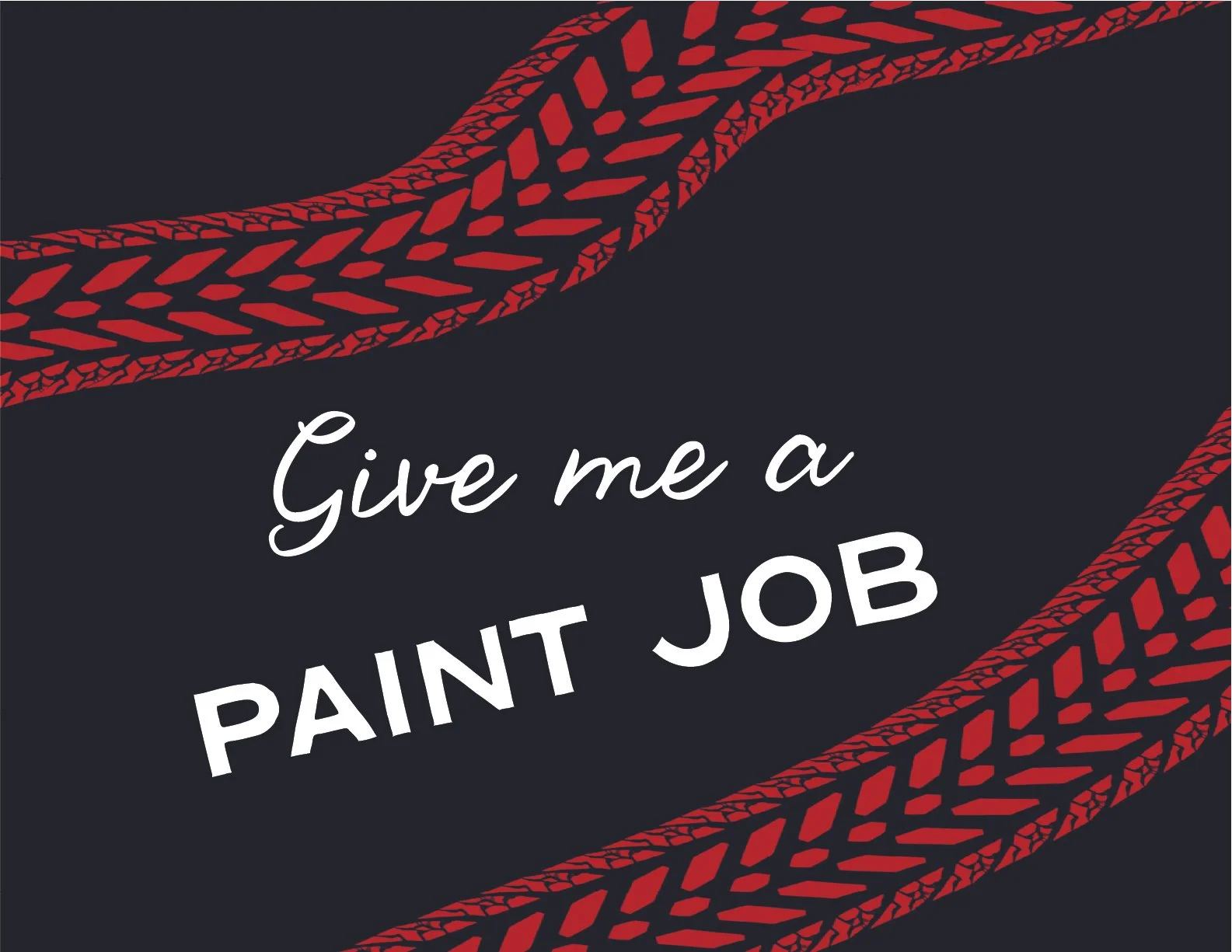
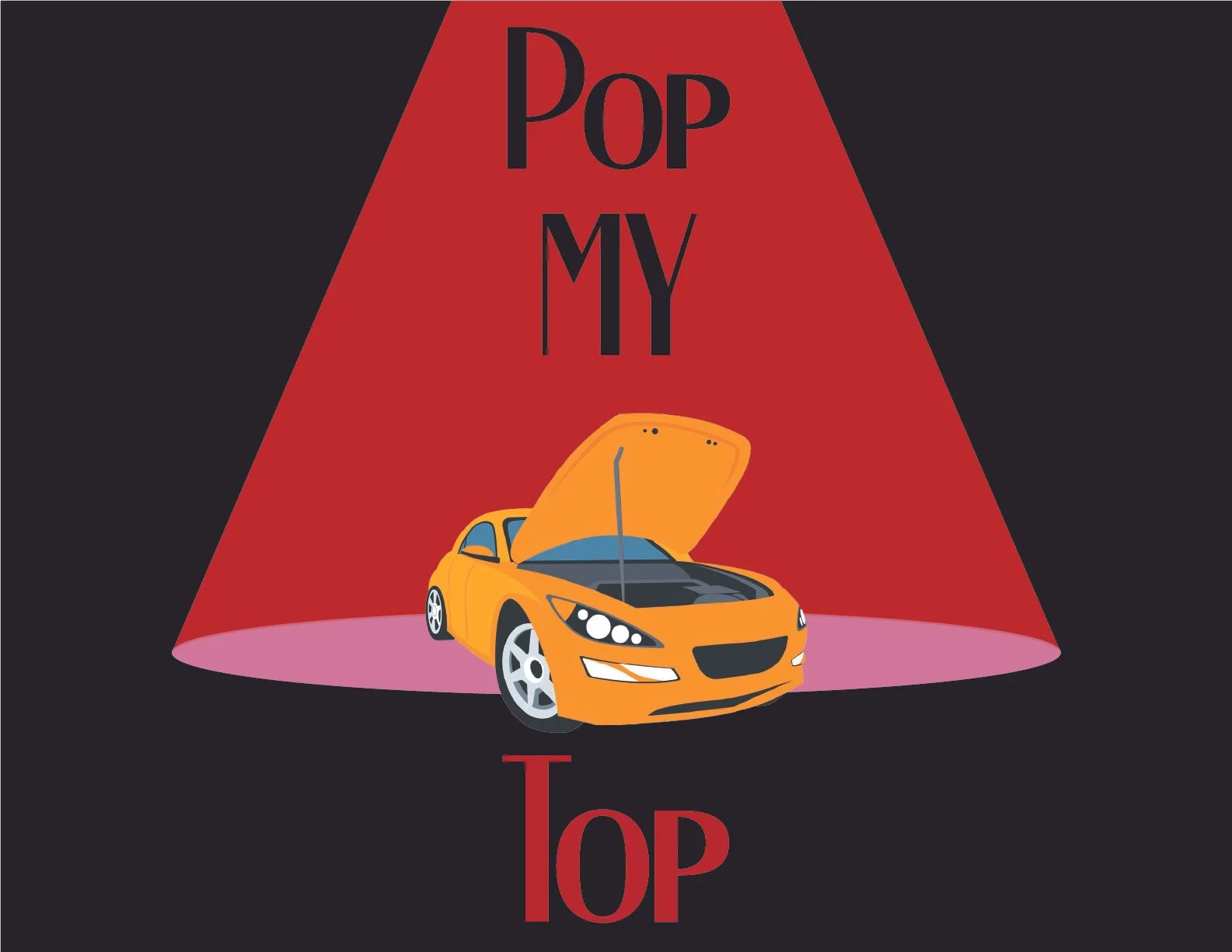
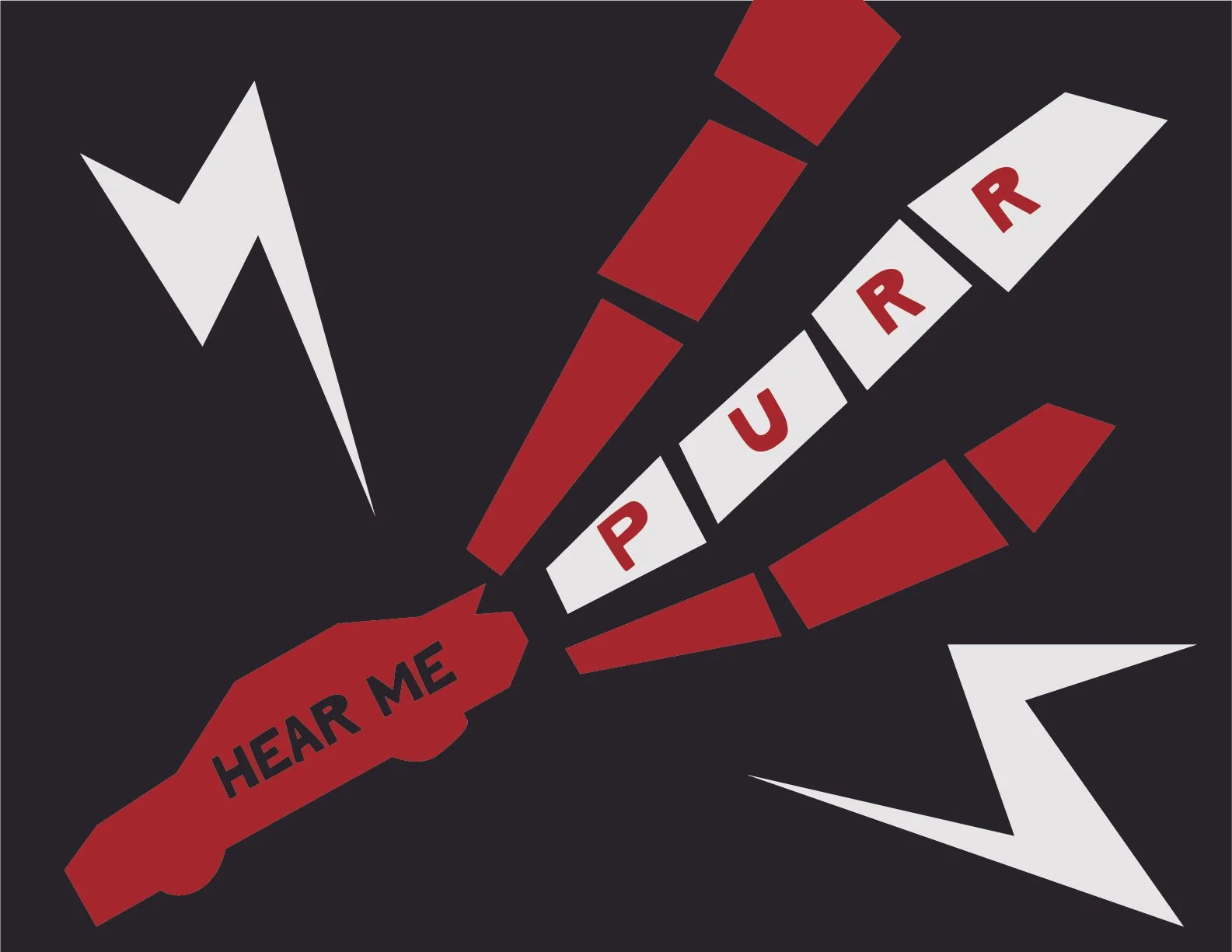
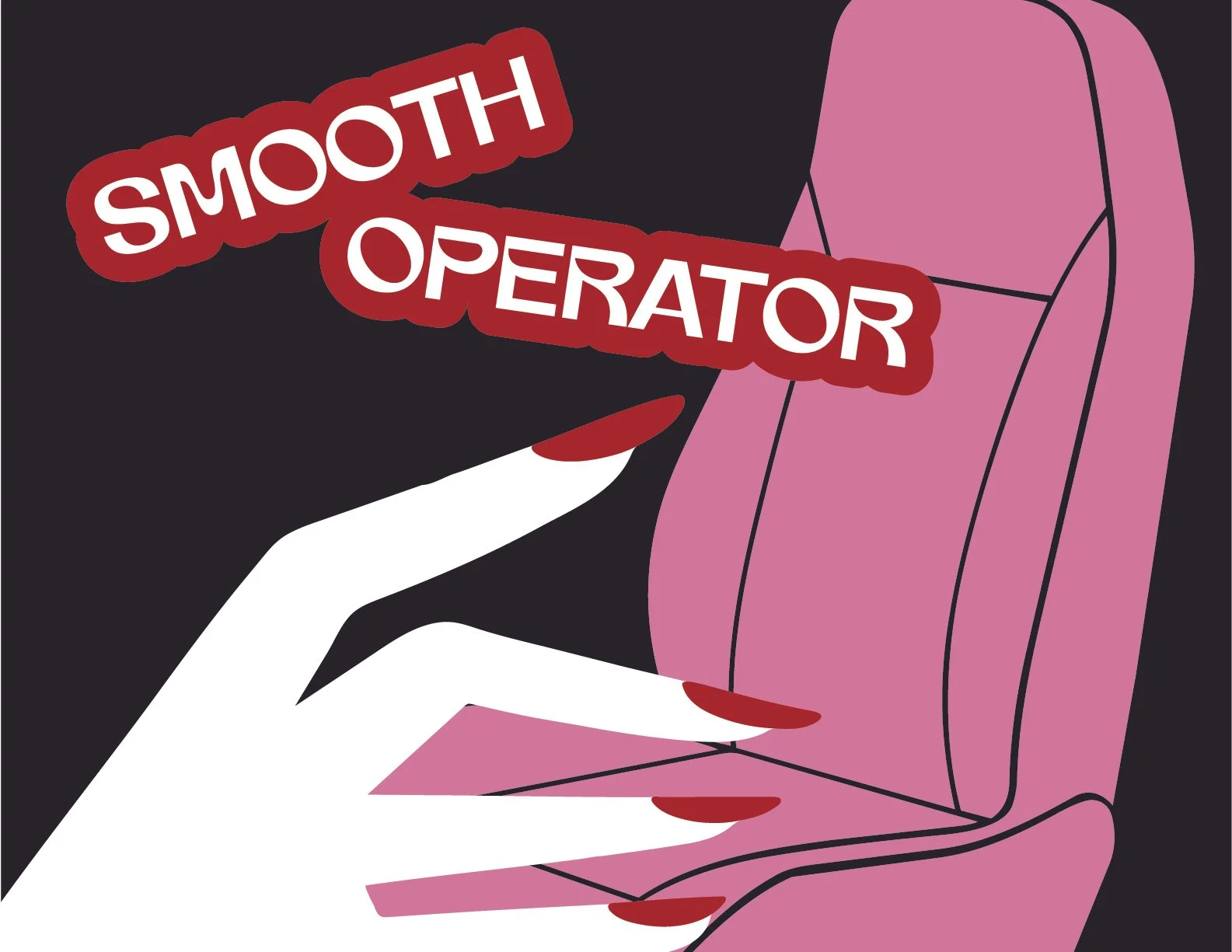
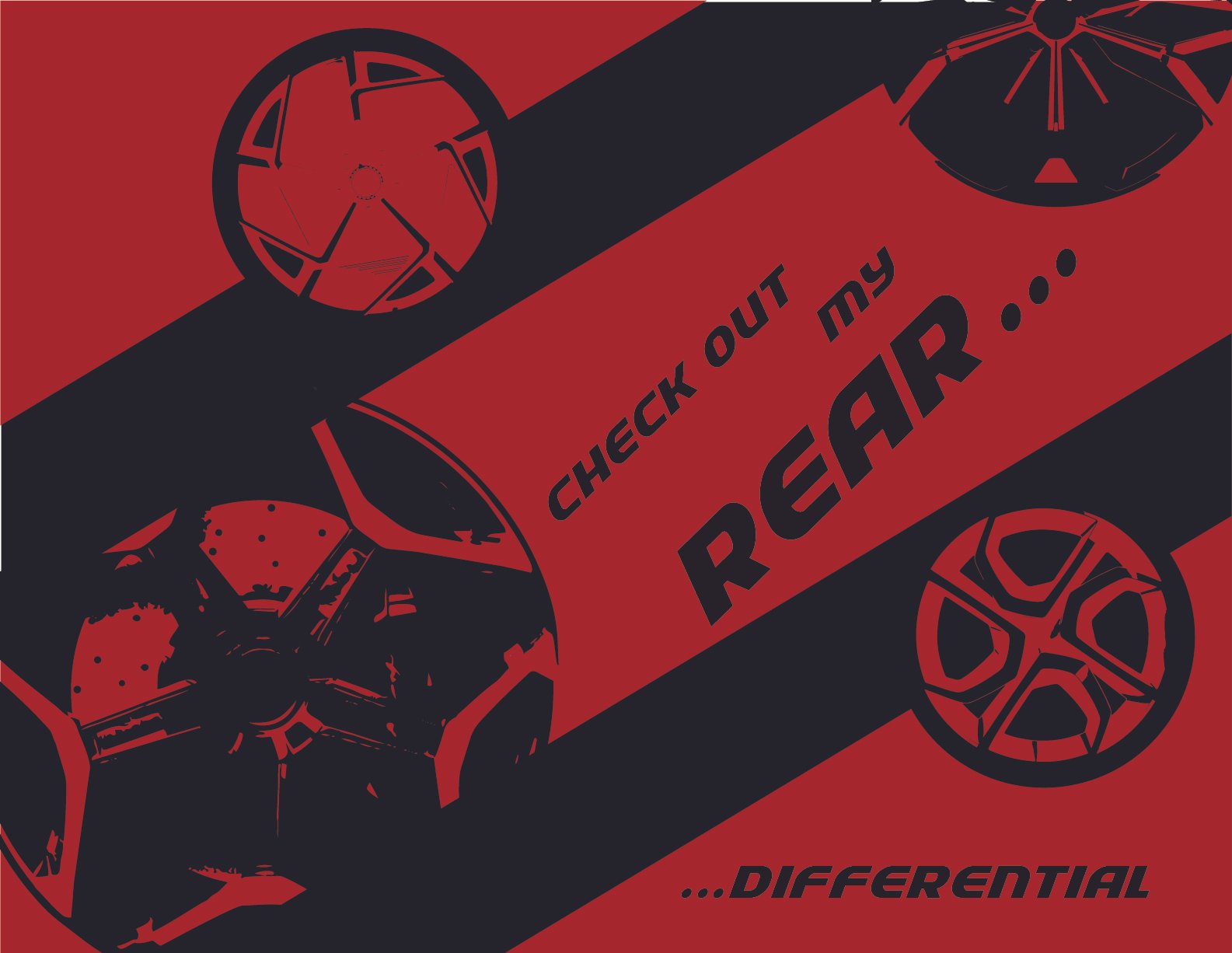
Speaking of car-curious, Christiana coined that term herself and then built an entire experience around it. Are You Car Curious? An Automotive Peep Show is a five-station shadowbox installation that invites visitors to encounter cars through smell, sound, touch, texture, and material, before anyone mentions horsepower or price tags.
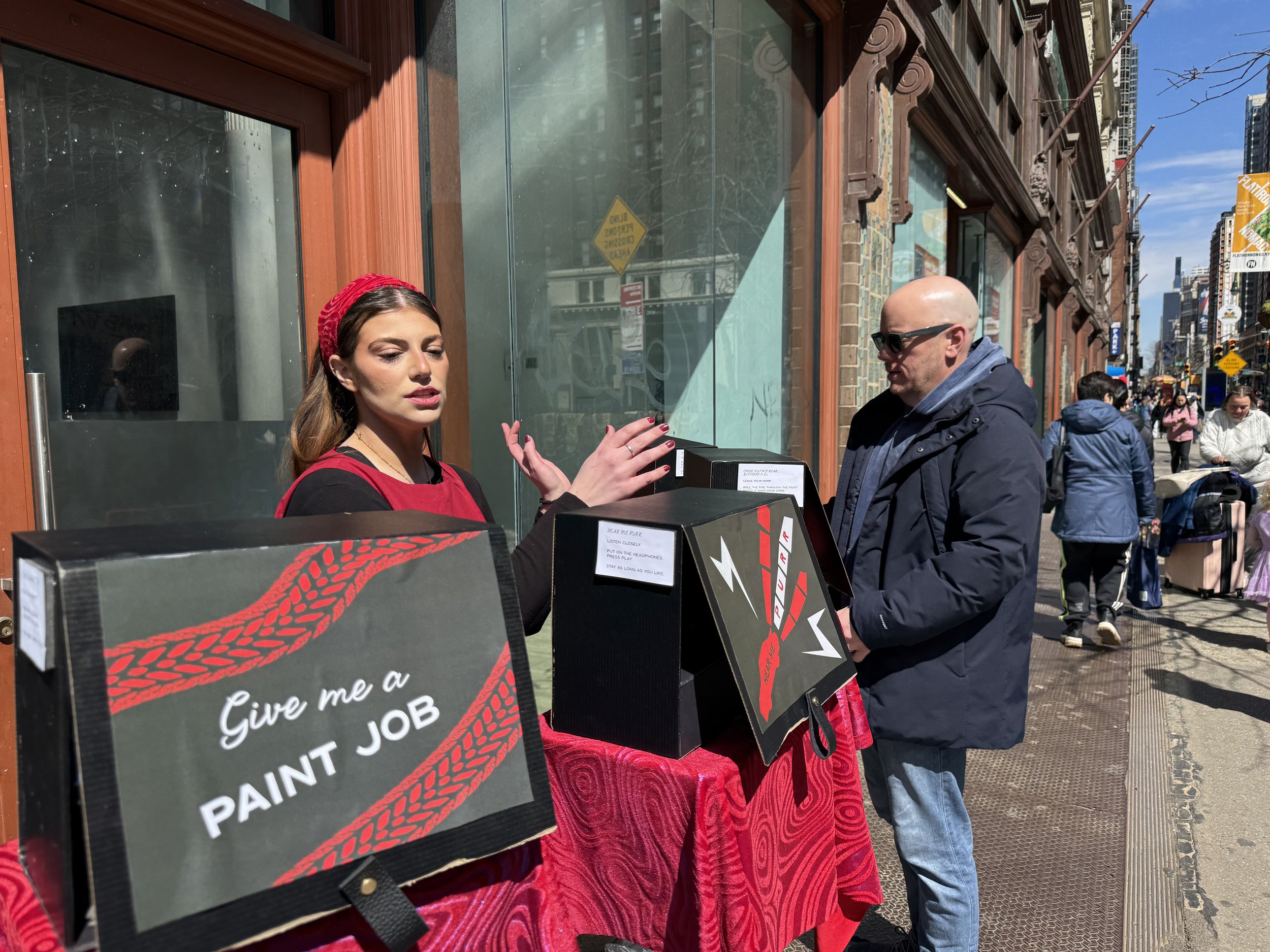
“Because here’s the thing: cars are hot, objectively,” says Christiana. “You do not need to be a car person to notice. And yet car culture has a remarkable talent for taking one of the most viscerally compelling objects in modern life and making it feel like it belongs to someone else.”
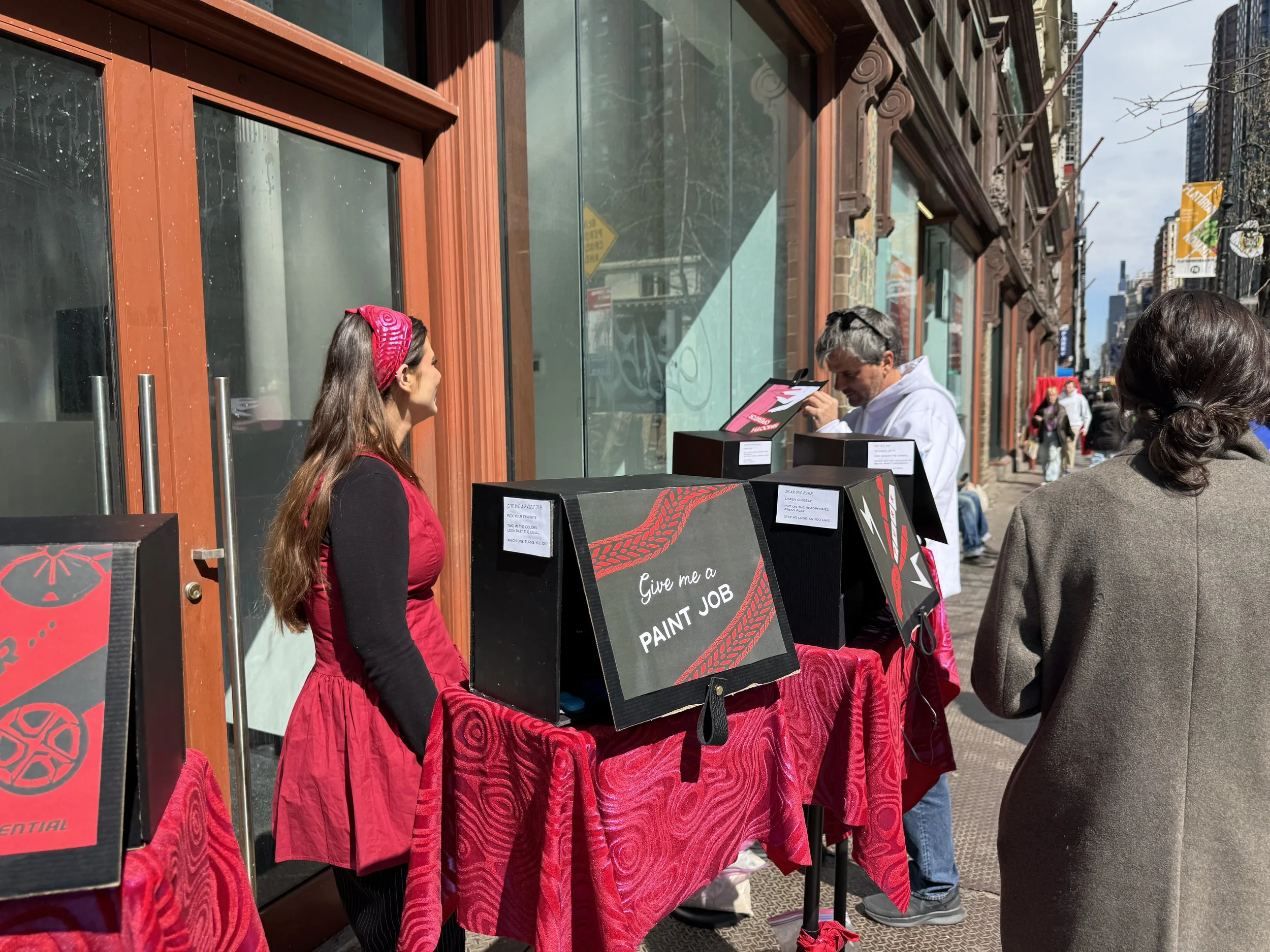
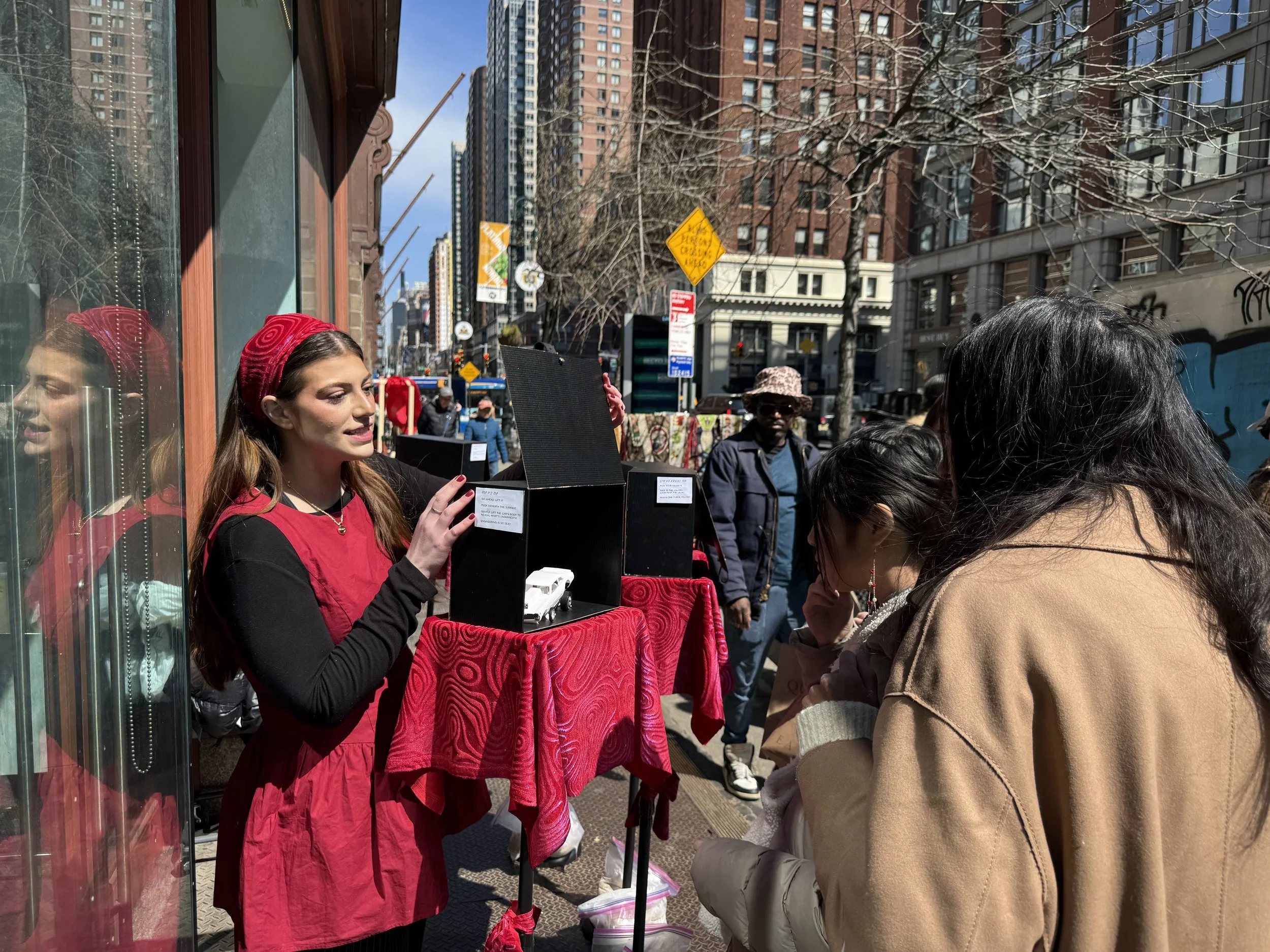
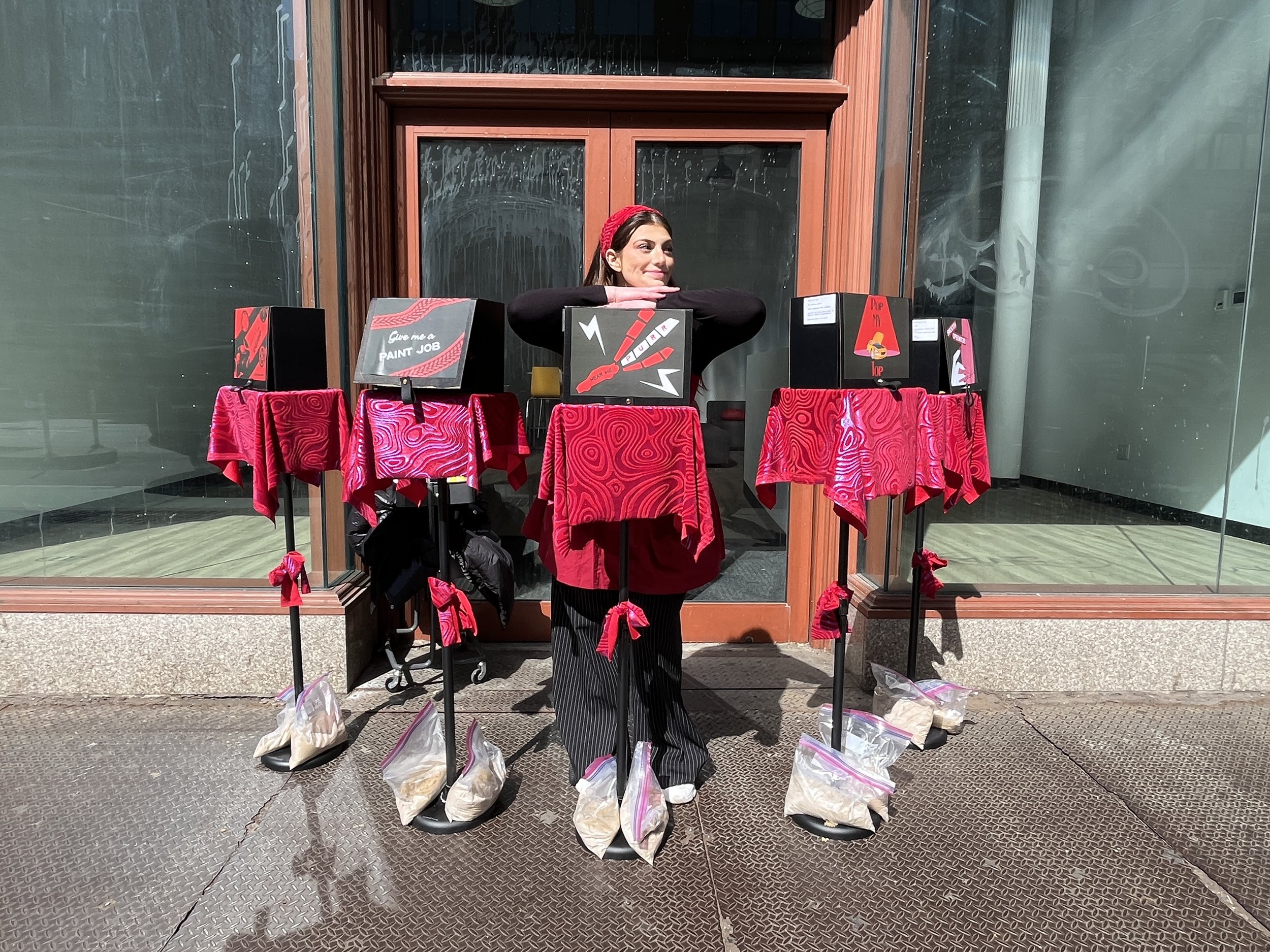
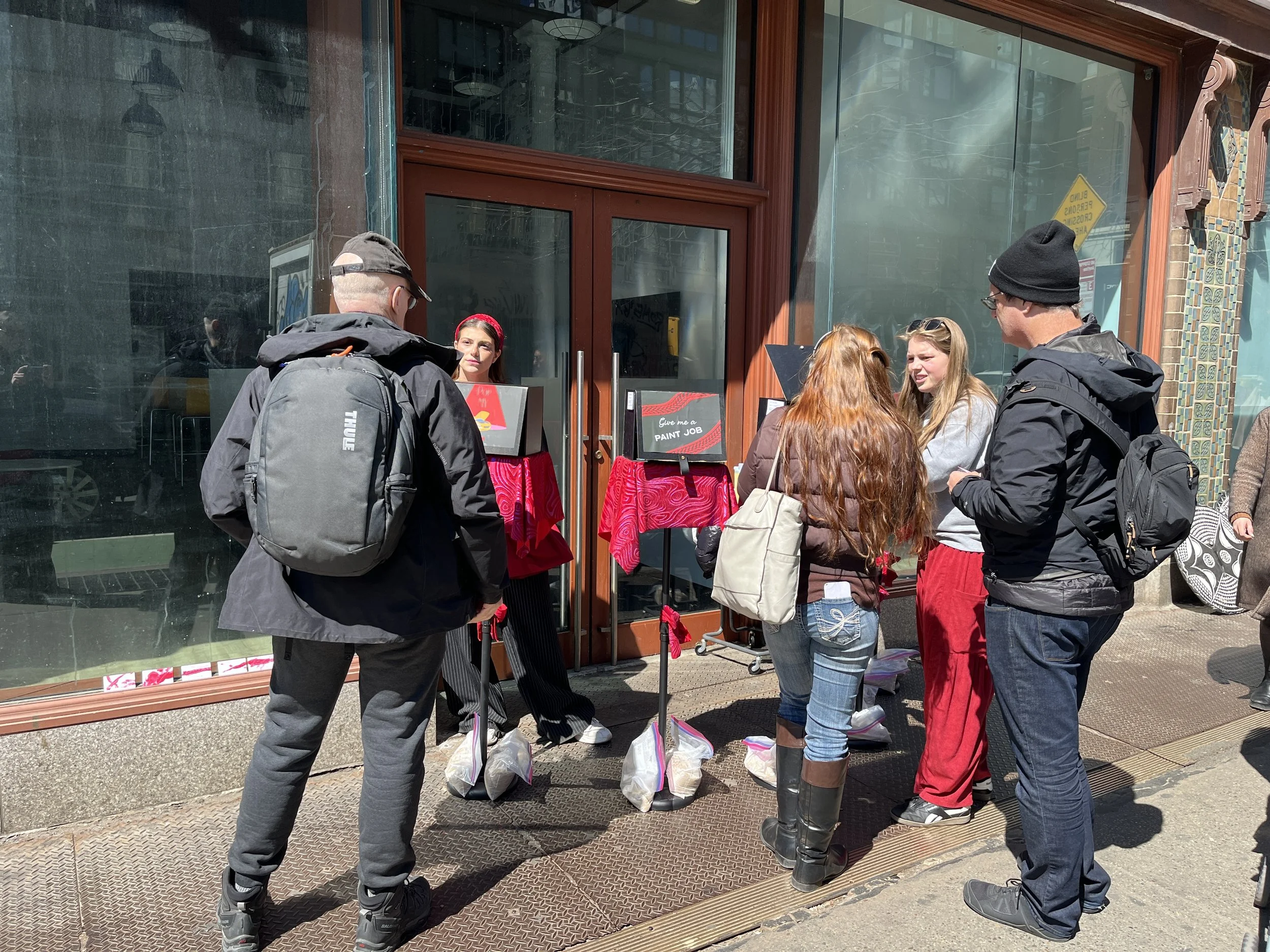
Christiana designed Are You Car-Curious? as the antidote to that. Each station offers a different sensory entry point into automotive language, no credentials required, no jargon, no velvet rope. Just you, a shadowbox, and the sneaking suspicion that maybe you have always been a little car-curious after all.
Caravan
“Once someone is curious,” Christiana explains. “the next step is engagement, and engagement rarely happens alone. Because at some point, loving cars stops being a solo experience. You want to share the road with people. And that, it turns out, is messier than it sounds.”
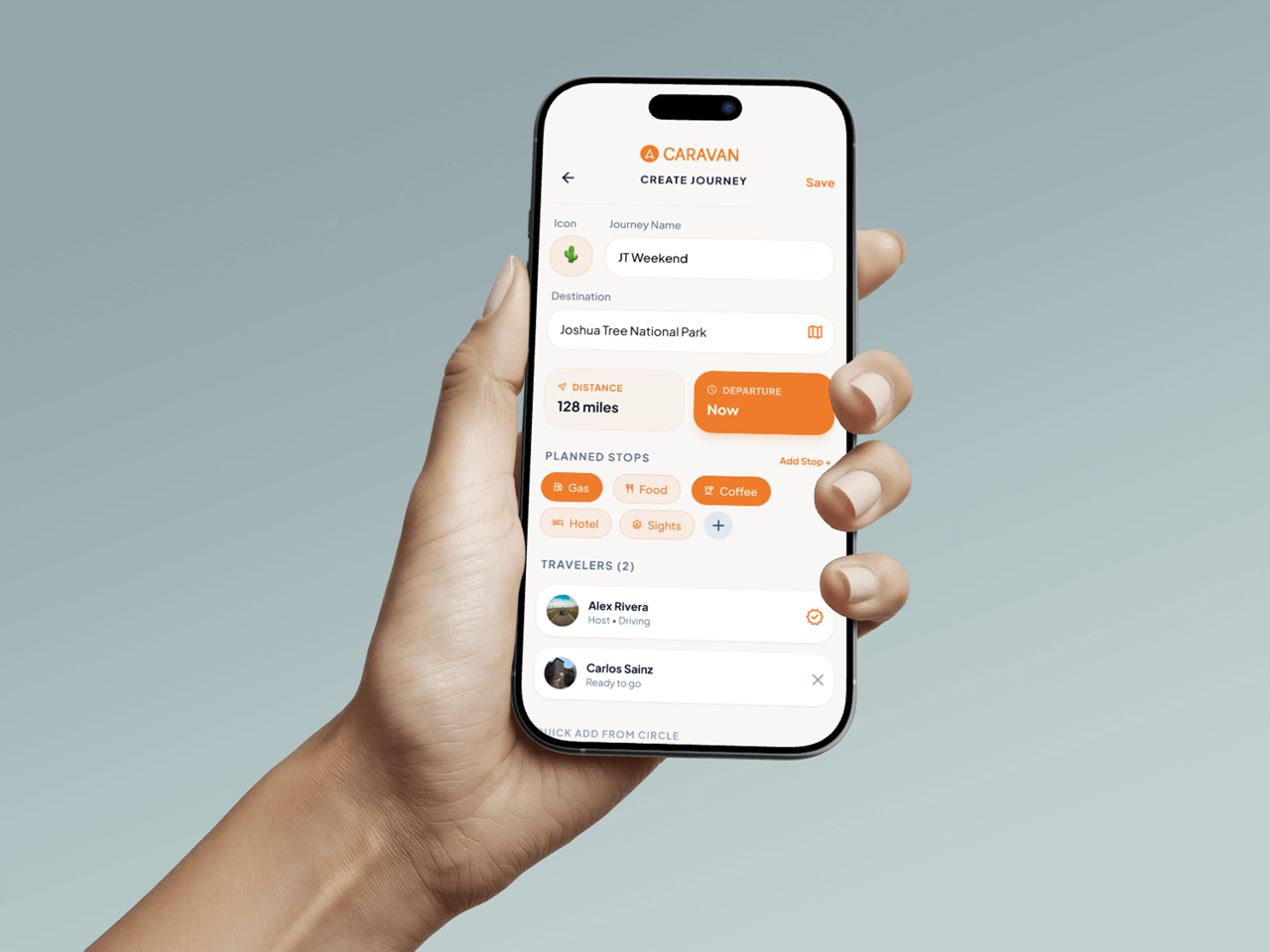
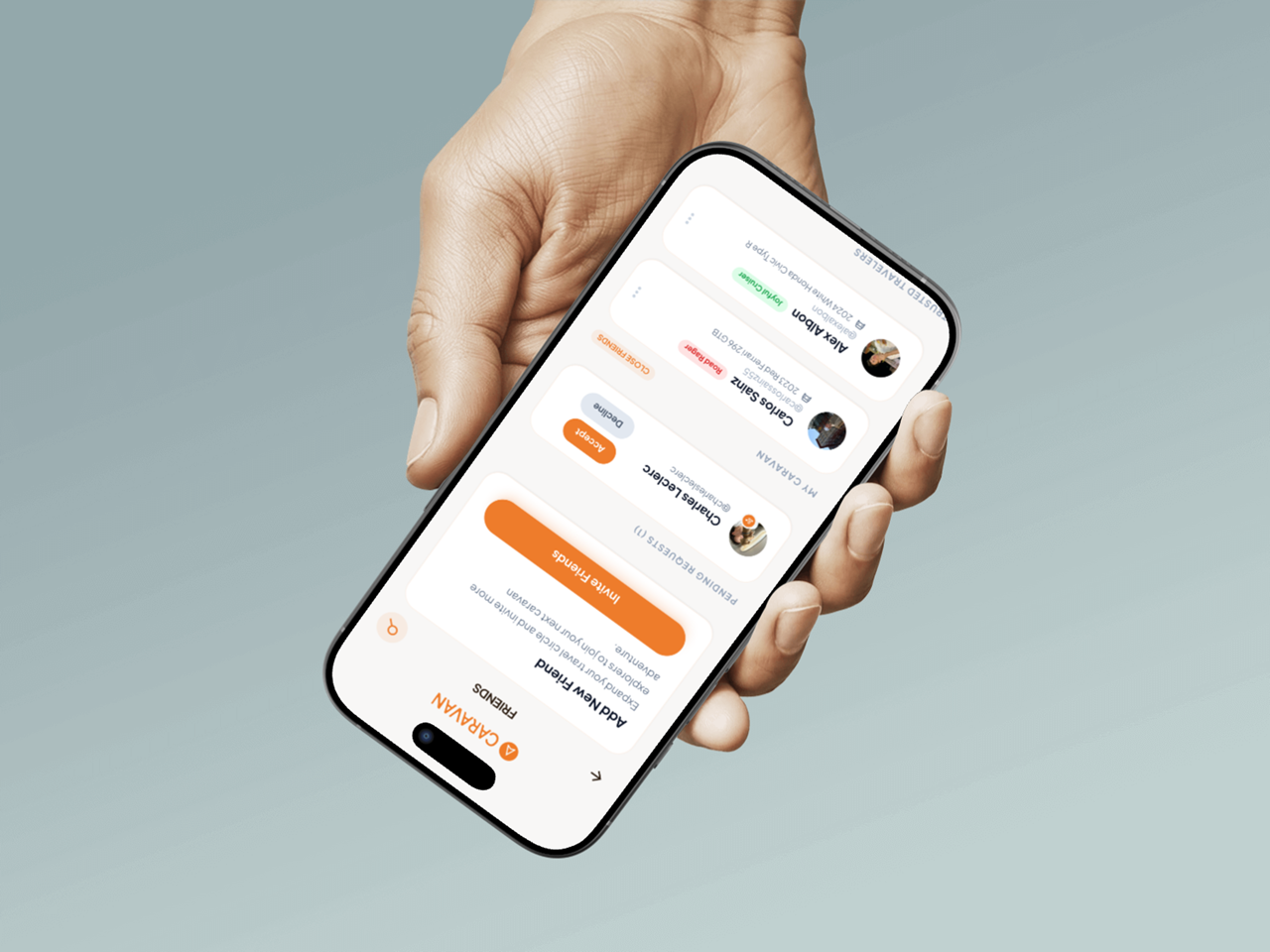
Caravan is a real-time coordination app for groups traveling in separate vehicles. Everyone in the group is visible on a shared route, moving together with full awareness of where your caravan is at any given moment.
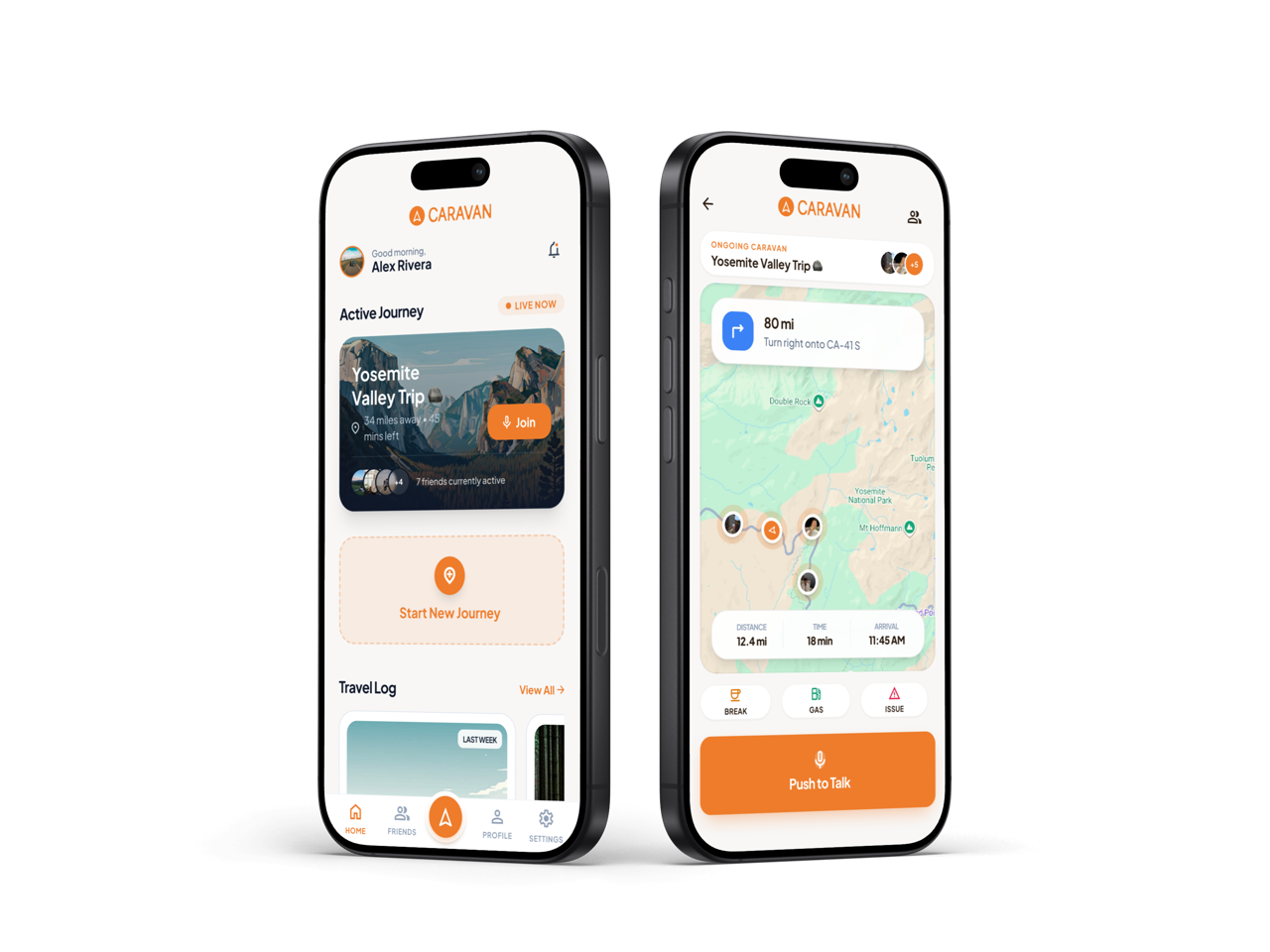
A built-in walkie-talkie lets you reach anyone in your group without ever taking your hands off the wheel or your eyes off the road. And if something changes, whether that is a detour, a stop, or a last-minute reroute, the whole group can adjust together in real time.
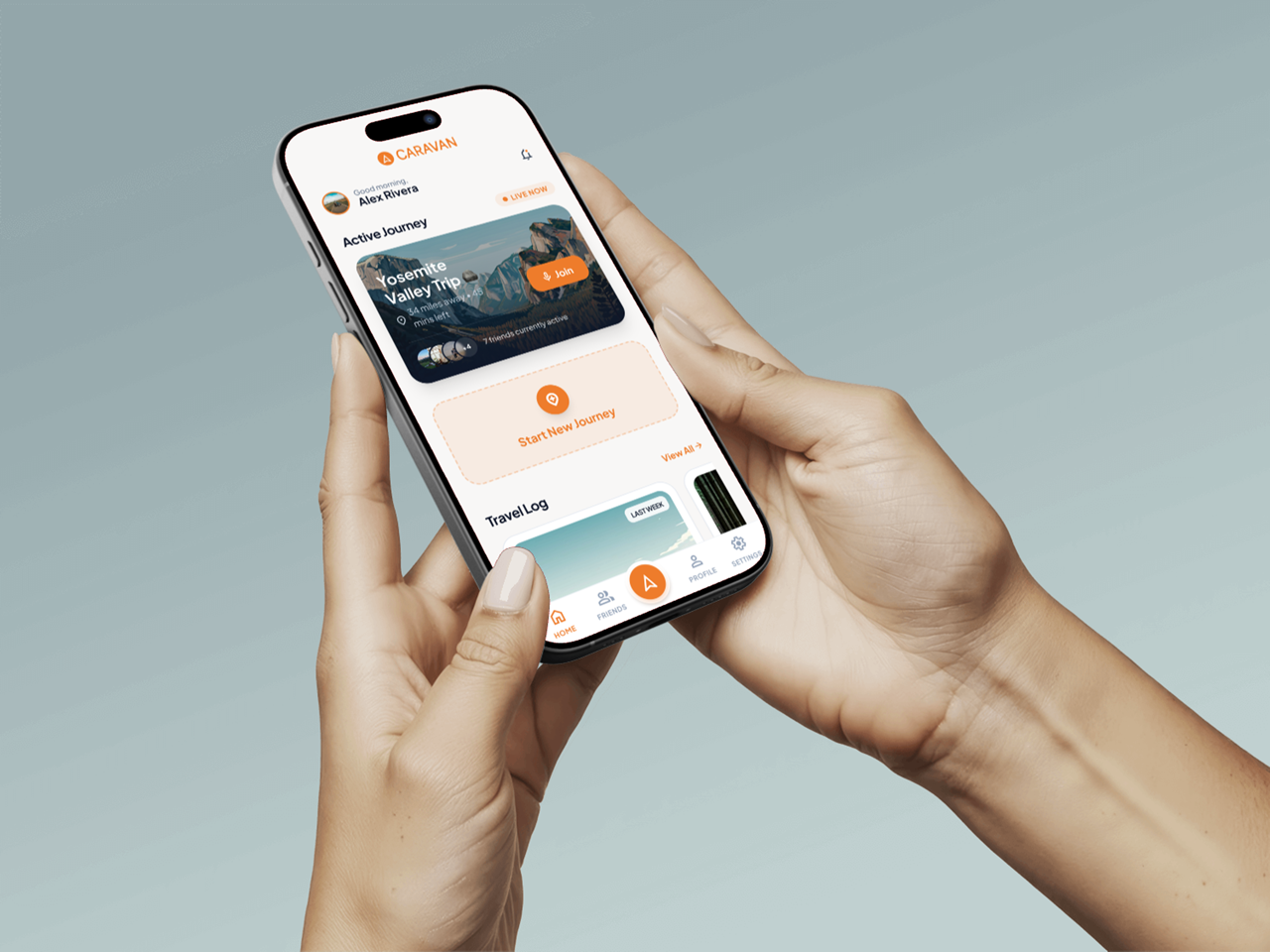
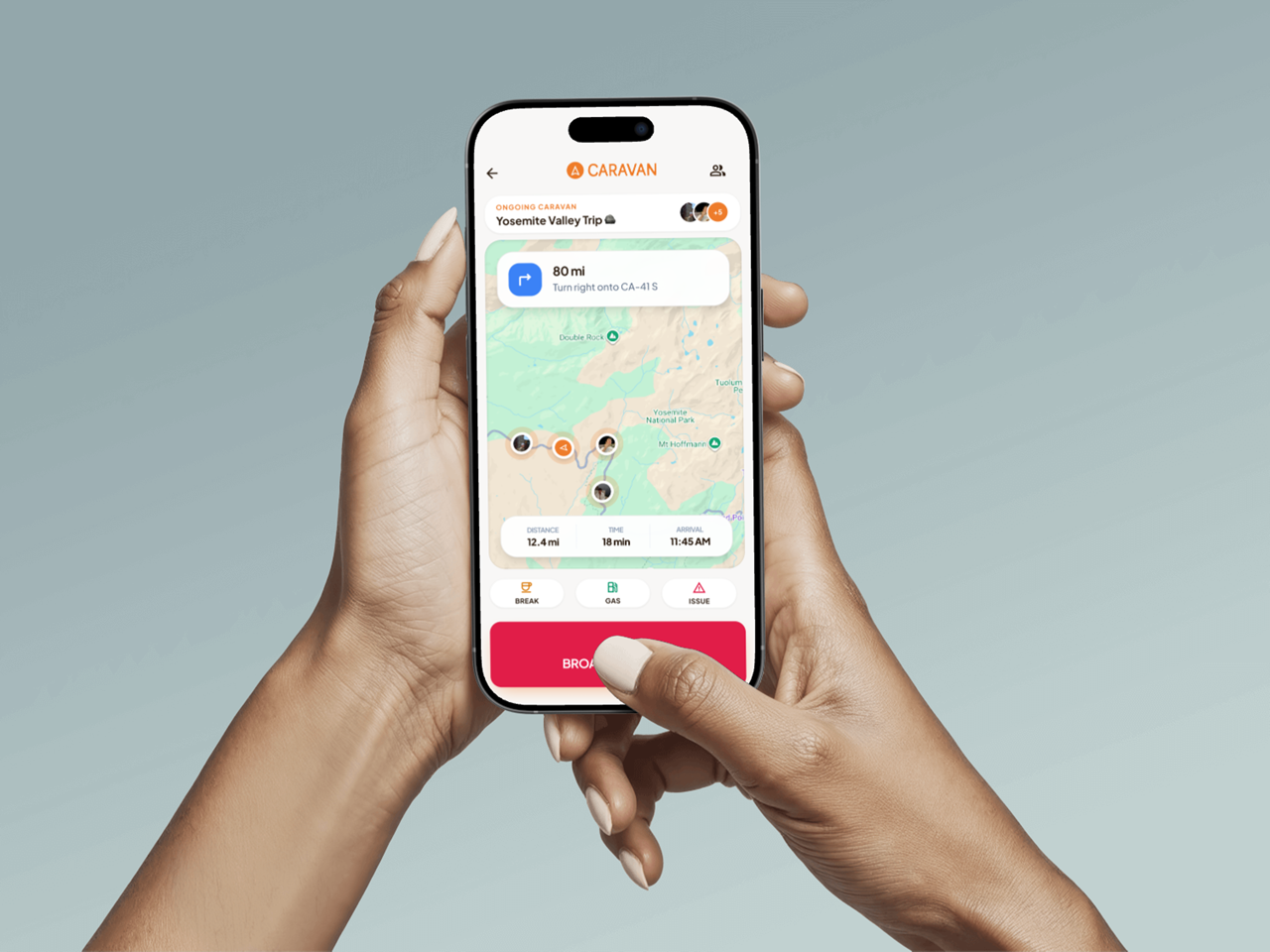
Split-second decisions on the road should not require a group chat. Caravan replaces the dangerous improvisation of mid-drive texting with something much simpler: instead of reacting, you are coordinating.
REVI
From engagement to expression. This is where the road starts to feel personal. Even when you are driving alone, you are never really alone on the road. You are constantly reacting to other people. Frustration. Hesitation. Anxiety. The road brings all of it out, and most of the time, there is nowhere for it to go. With this in mind, Christiana designed REVI, which stands for Responsive Emotional Vehicle Interface. It’s an in-car emotional mediator that hangs from the rearview mirror or sits on the dashboard.
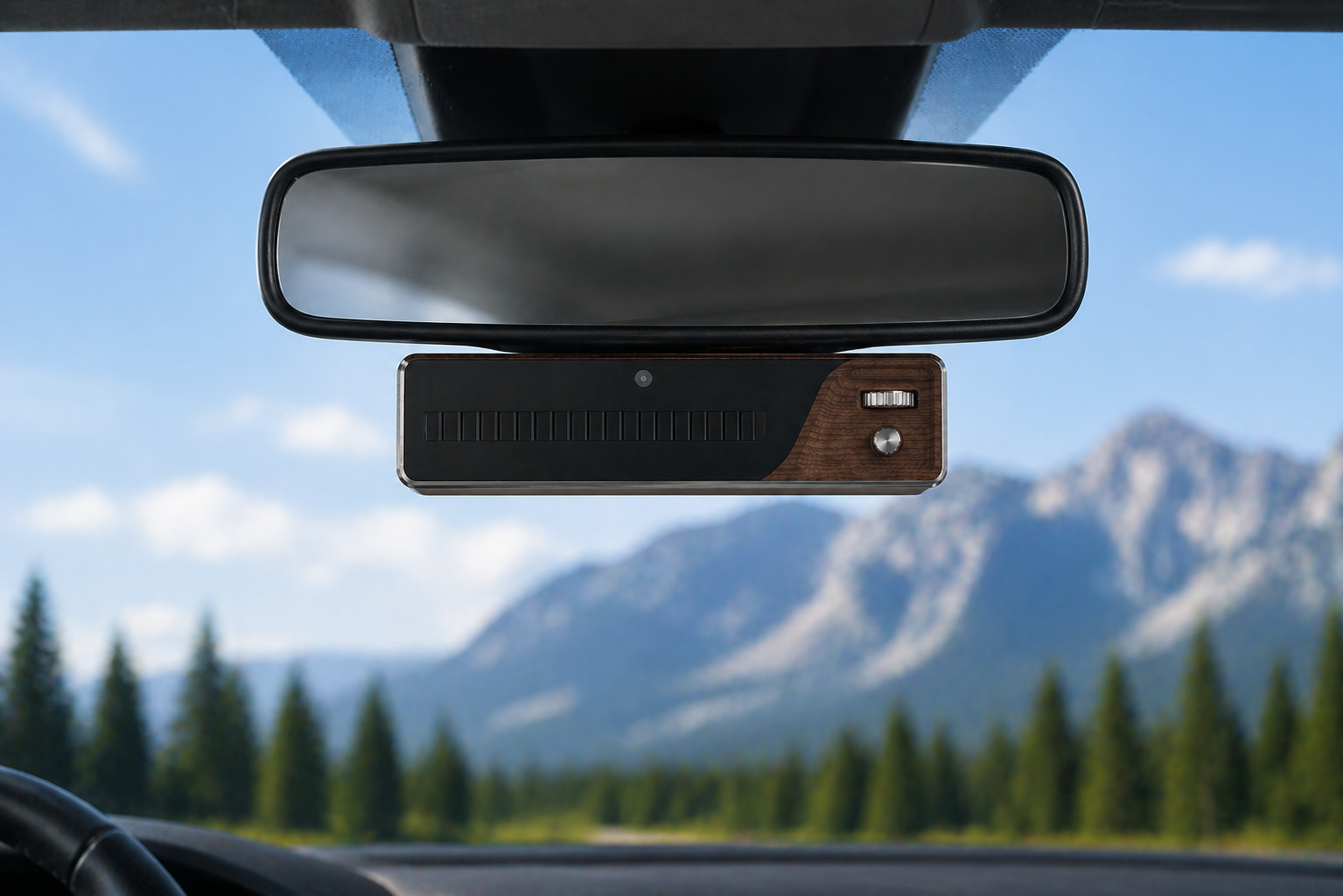
When something happens on the road, REVI responds to the driver's emotional state in real time through light and voice, calming you down, validating how you feel, or simply keeping you company.
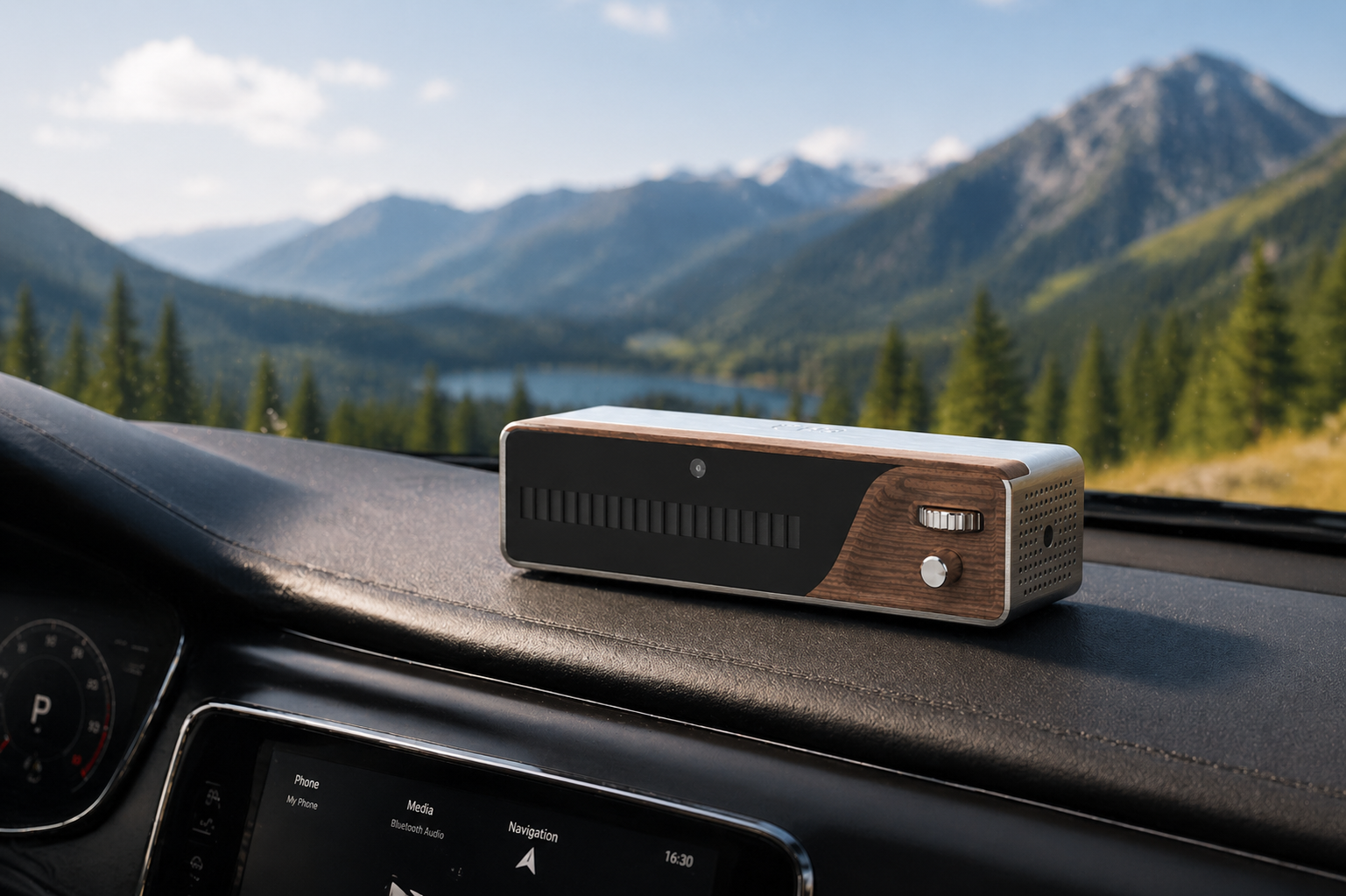
The personality is yours to choose: maybe you want Molly, a calming British granny who talks you off the ledge in bumper-to-bumper traffic. Or maybe you need Tony, a passionate, classic New Jersey Italian co-pilot who isn’t going to calm you down so much as confirm that yes, that guy absolutely cut you off, and yes, it was personal.
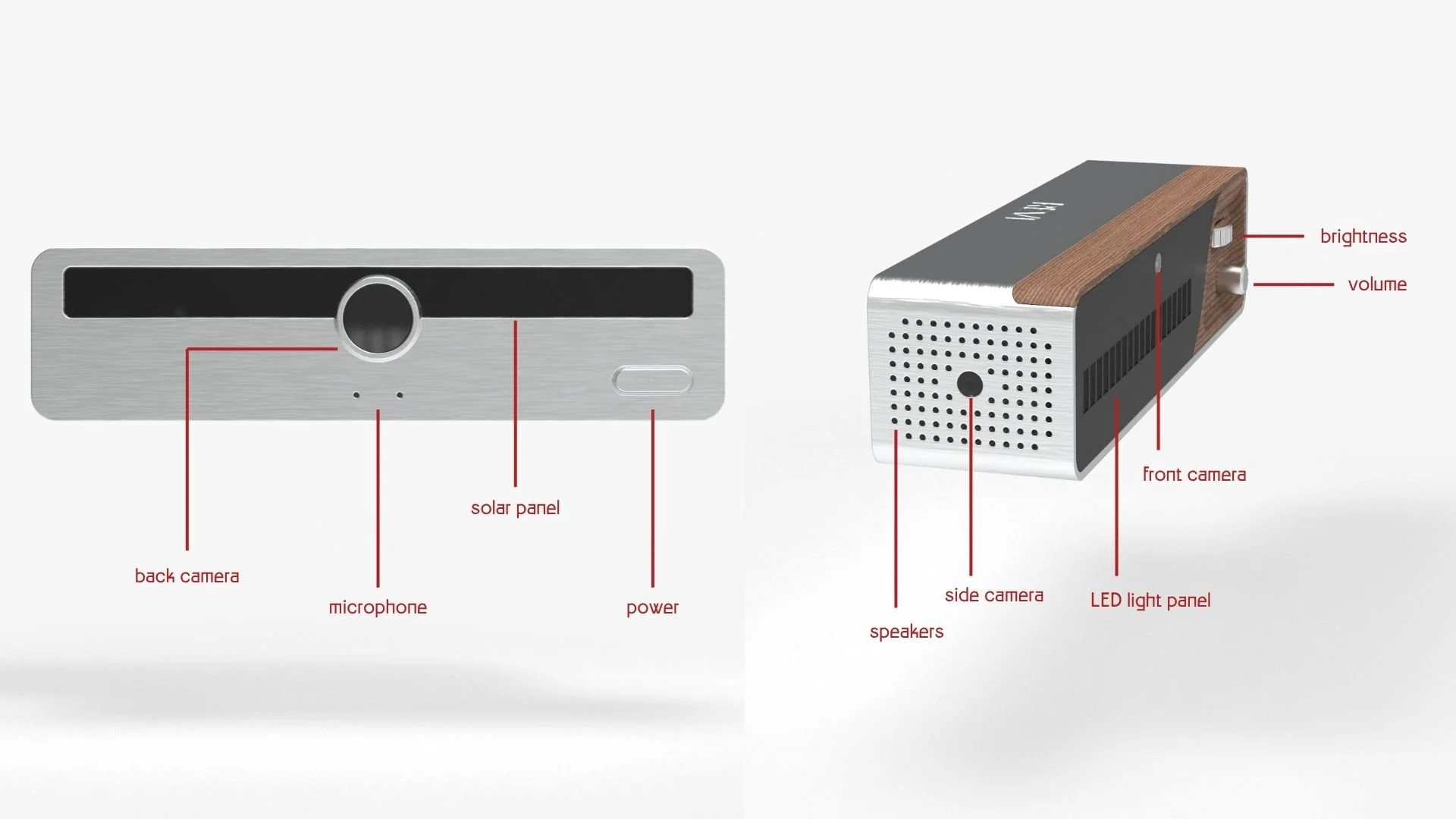
Road rage is not a personality flaw. It is a design failure. REVI is the missing infrastructure. Because it is not always about what happens on the road, but how we react to it.
TinyFleet Co.
The thesis closes where all good obsessions eventually lead: to making something of your own.
After all of that, from spotting cars on the street to feeling them in a shadowbox to coordinating convoys and co-piloting emotions, Christiana started thinking about what cars mean to us beyond the road itself. Because for a lot of people, a car is not just a car. It is their first car. A family car. A memory tied to someone they love. A thing that meant something before it meant transportation. TinyFleet Co. is the world's first die-cast atelier, where people can design their own car and bring it to life as a collectible.
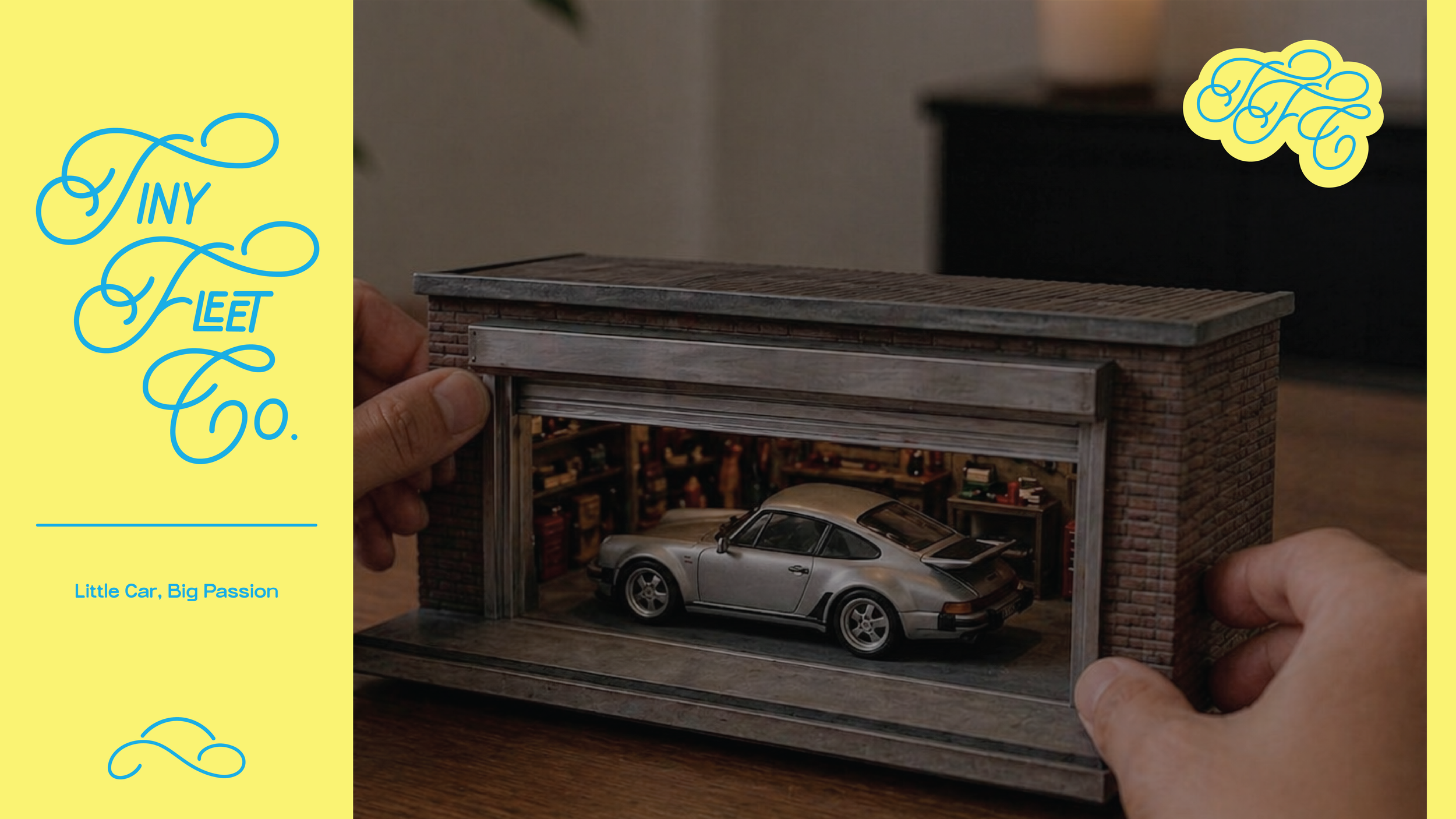
You can recreate something from your past or design something that has never existed. The process is collaborative: you bring your ideas, your references, your story, and work with a designer through a series of sessions until it is ready to be produced.
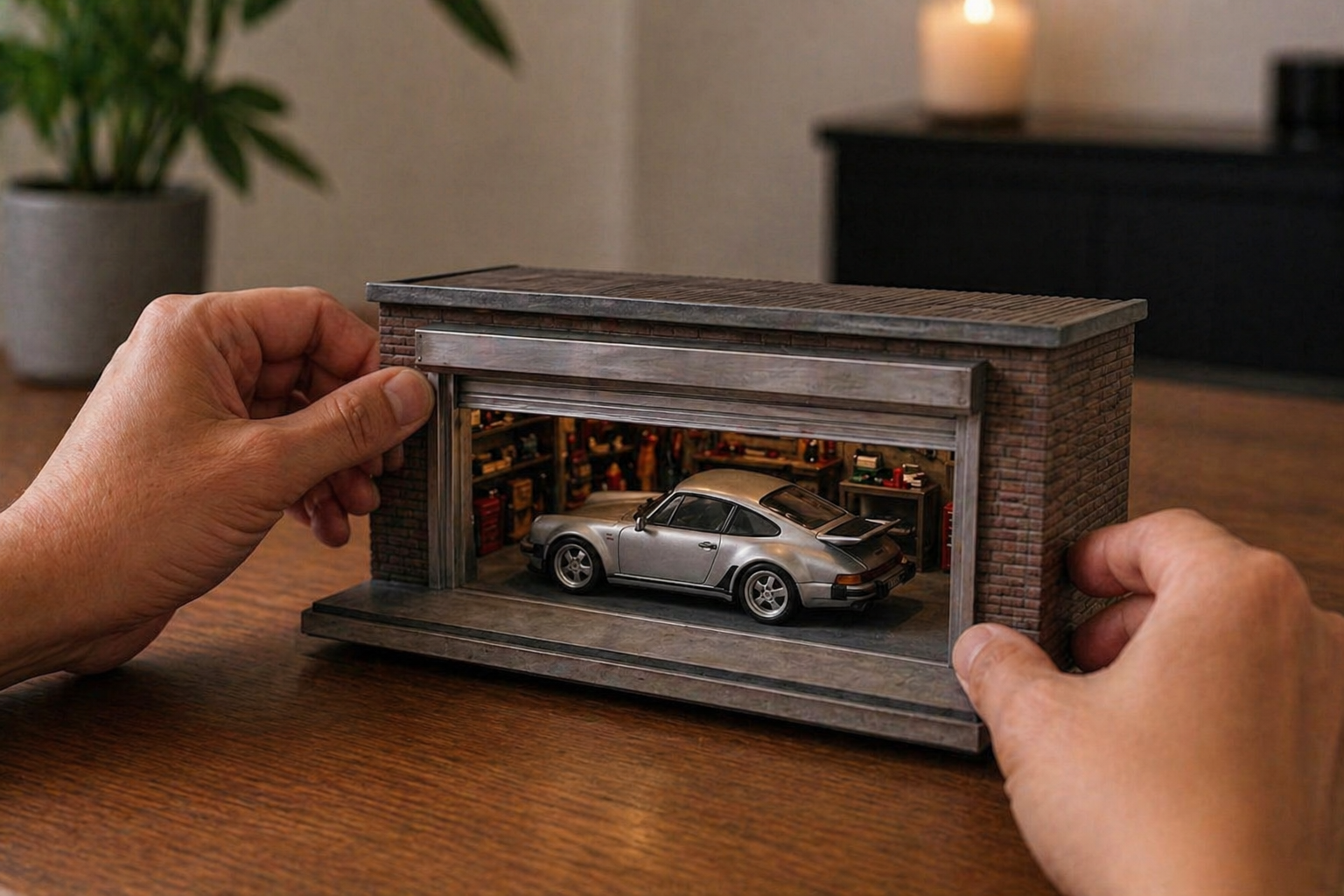

As automotive design becomes increasingly regulated and homogenized, the miniature becomes one of the last spaces where full creative freedom still exists. TinyFleet Co. takes that freedom seriously. It turns car design into something personal, something expressive, and something that lasts.
Christiana’s thesis was built on a love of cars and a quiet insistence that the driver's seat belongs to a person. Someone who honks, hesitates, gets lost, and shows up anyway. The road has always been a conversation. These five projects are Christiana's way of making sure more people get a seat at the table. The question she started with was about horns. What it became was something much bigger than that.
To learn more about Christiana Aghjayan's work, explore The Language of the Road: From Noise to Nuance, and visit her portfolio.