

Check out some of our featured projects below. For the latest projects and department news, take a look at the department blog!
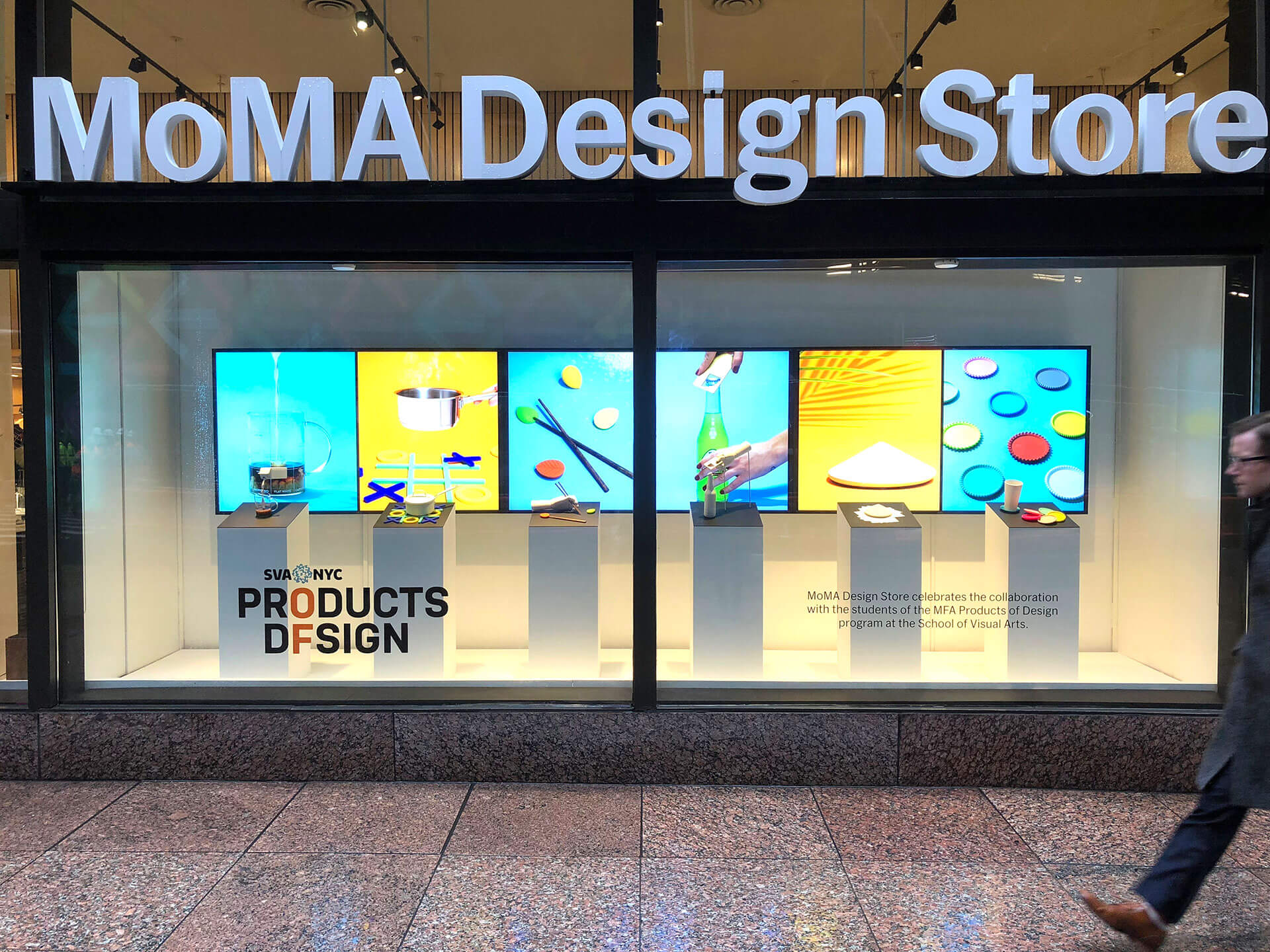
We are extraordinarily proud that for the entire month of April, the two New York-based MoMA Design Stores are dedicating their windows and in-store displays to the collaboration with MFA Products of Design department! For the launch of 6 new products, an Opening Reception was held in midtown Manhattan last Thursday night. Check out photos below of the packed house, guests, and featured products designed by Products of Design students!
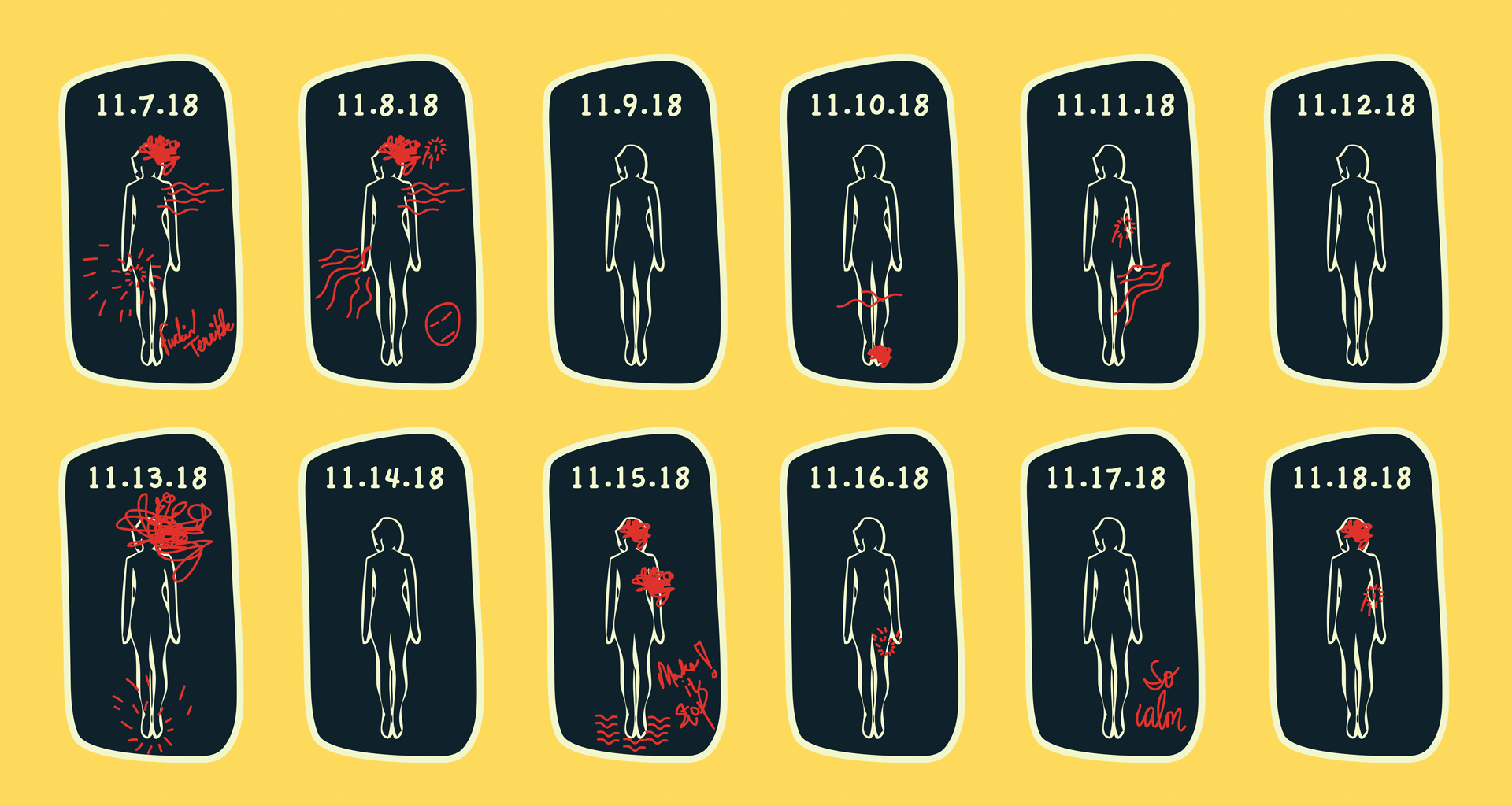
Paint is an app that allows patients to document and describe their symptoms in more than words. As part of her thesis, Hysterical, second-year student Rhea Bhandari designed Paint to help women advocate for themselves while navigating a healthcare system that often dismisses their symptoms, leaving them misdiagnosed and in avoidable pain.
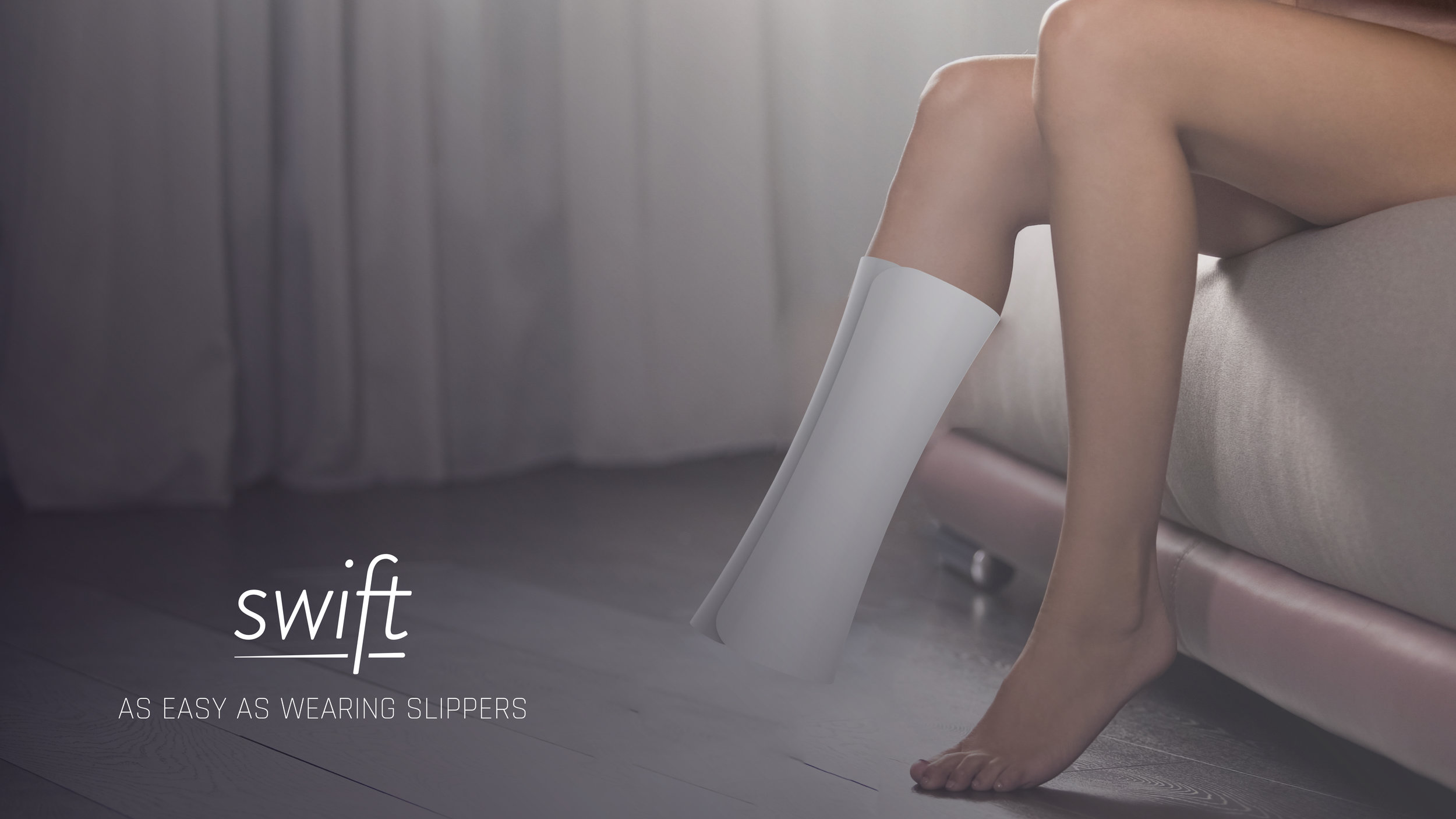
The idea for Swift came about while Smruti watched videos on the YouTube channel “AmputeeOT” by Christina Stephens, an occupational therapist and below-knee unilateral amputee. Smruti was especially struck by a video in which Stephens describes the annoyances of going to the bathroom or getting up for a glass of water in the middle of the night; Stephens mentions that she usually crawls on the floor to get to the bathroom or kitchen because putting on her prosthetic is so time-consuming.

The students have created The Datalogue, a four-part stationary machine which emulates the systems and unmasks the consequences behind data collection. Though data mining is an invisible procedure that occurs through countless digital channels, the exhibition transforms it into a visible, tangible process.
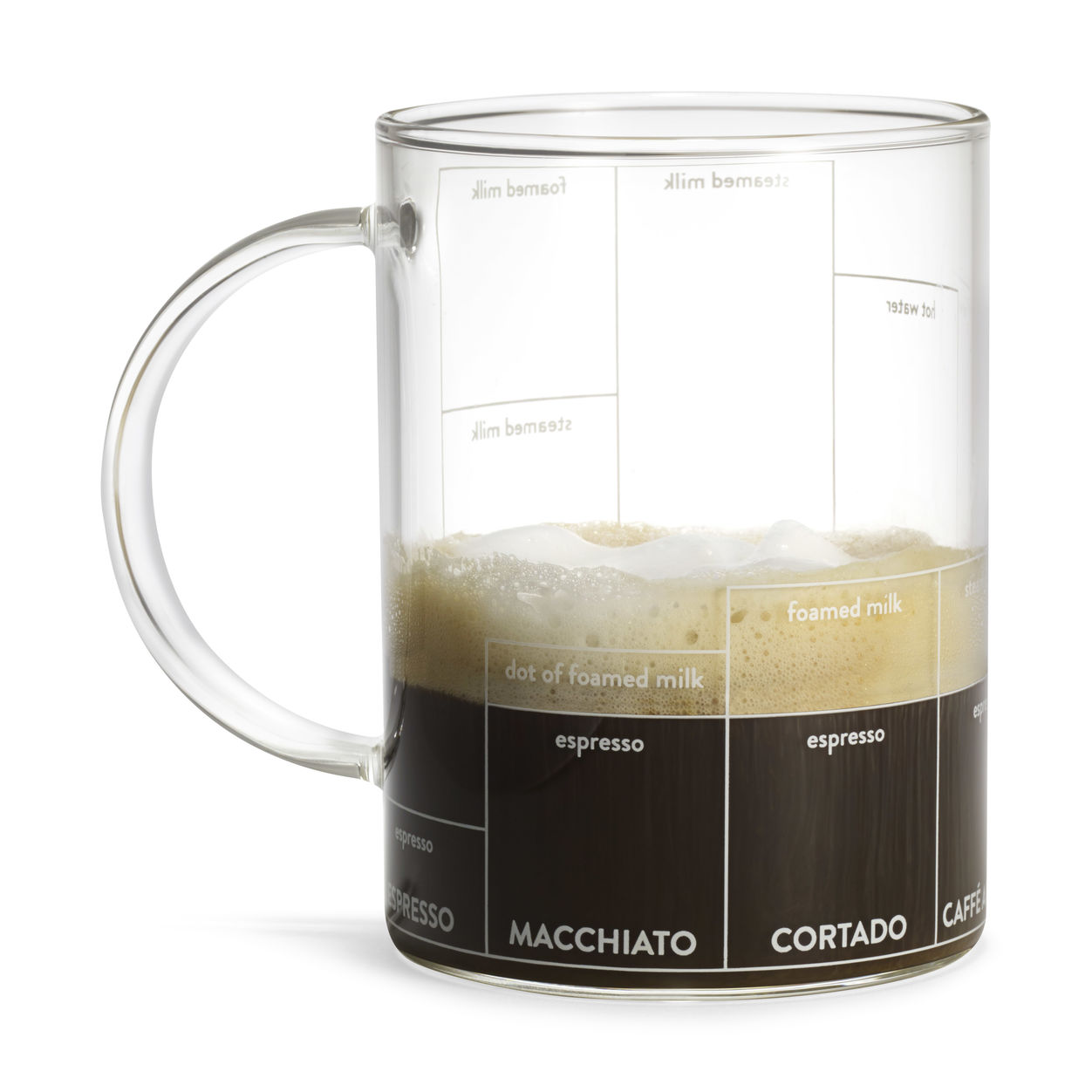
Florence Fabricant (herself!) wrote up an item in the New York Times about Josh Corn's Multi-ccino Mug in the New York Times this week—one of 6 MFA Products of Design objects that will be celebrated during the month of April in both MoMA retail stores! (The department is also designing the window displays for both the midtown and SoHO stores.) Congratulations Josh!
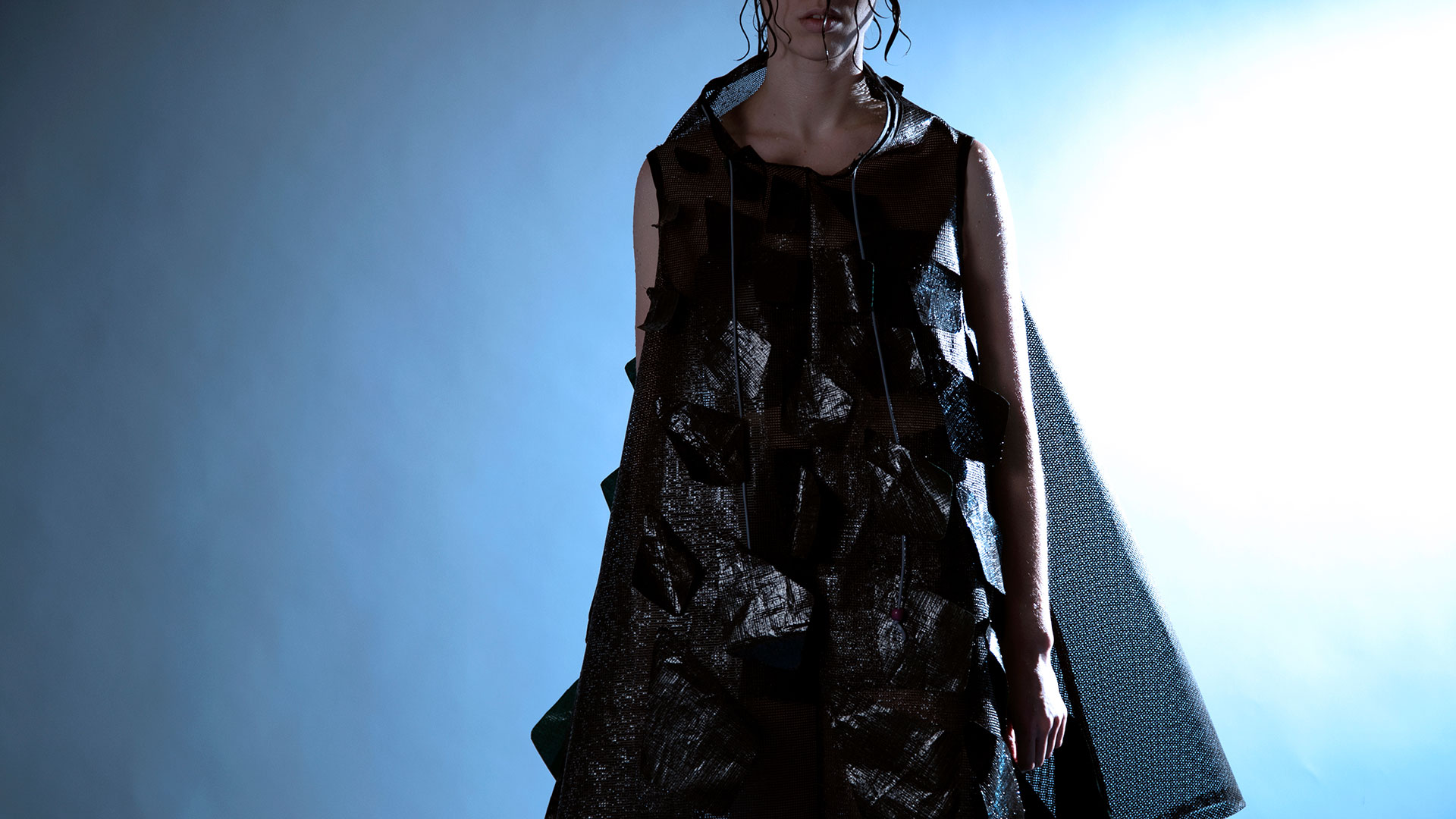
Jenna Witzleben’s Master’s thesis, Finding the Wild: A Visceral Approach to Sustainability, explores an alternative future trajectory—“rewilding”—and how physical and emotional reconnection with our natural environments can inspire lifestyles of environmental stewardship.
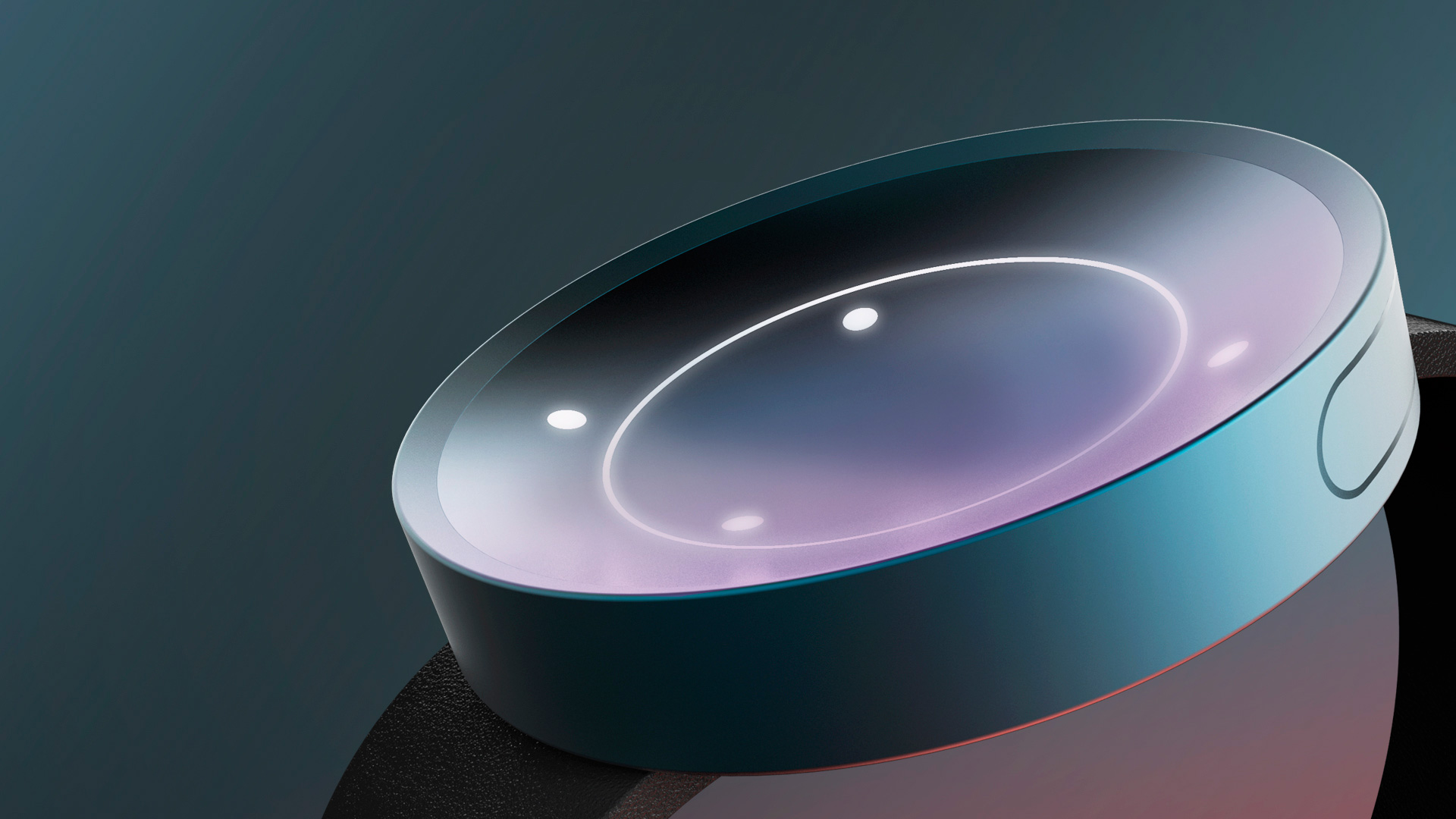
The objective of Adem Önalan’s master’s thesis, Vakit: On the Elasticity and Subjectivity of Time, is to reframe our relationship with time—identifying opportunities that lead people to spend time well—from recontextualizing time, to slowing it down through meaningful, memorable life experiences.
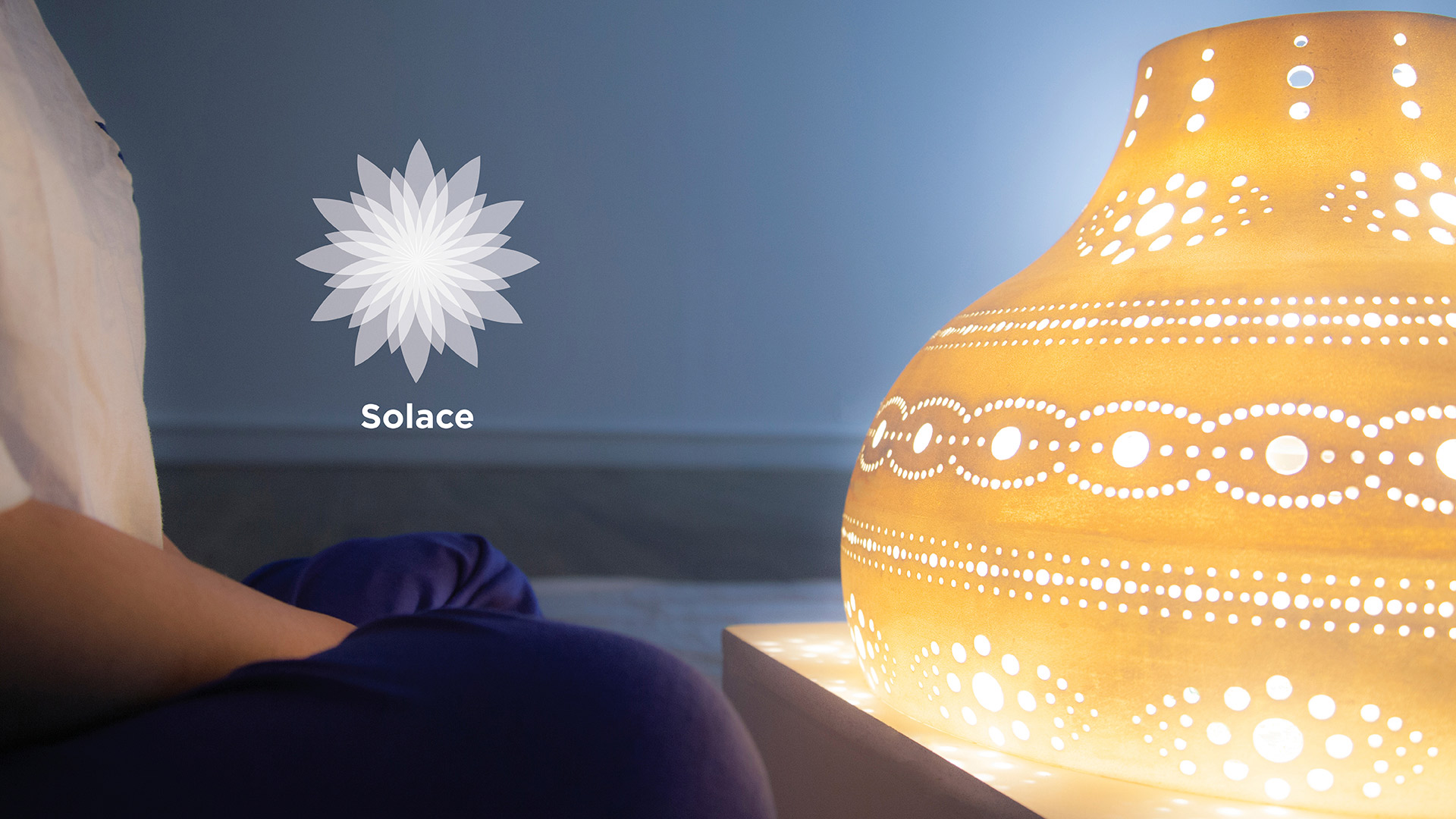
Products of Design MFA graduate Oscar de la Hera’s thesis, Finding North, plays at the intersection between Western, “social interventions”—such as help from friends, family or professionals—and Eastern, “introspective interventions”—such as yoga or meditation. The work aims to help individuals who have recently suffered emotional trauma transition to a more hopeful, happier, and healthier state of mind.
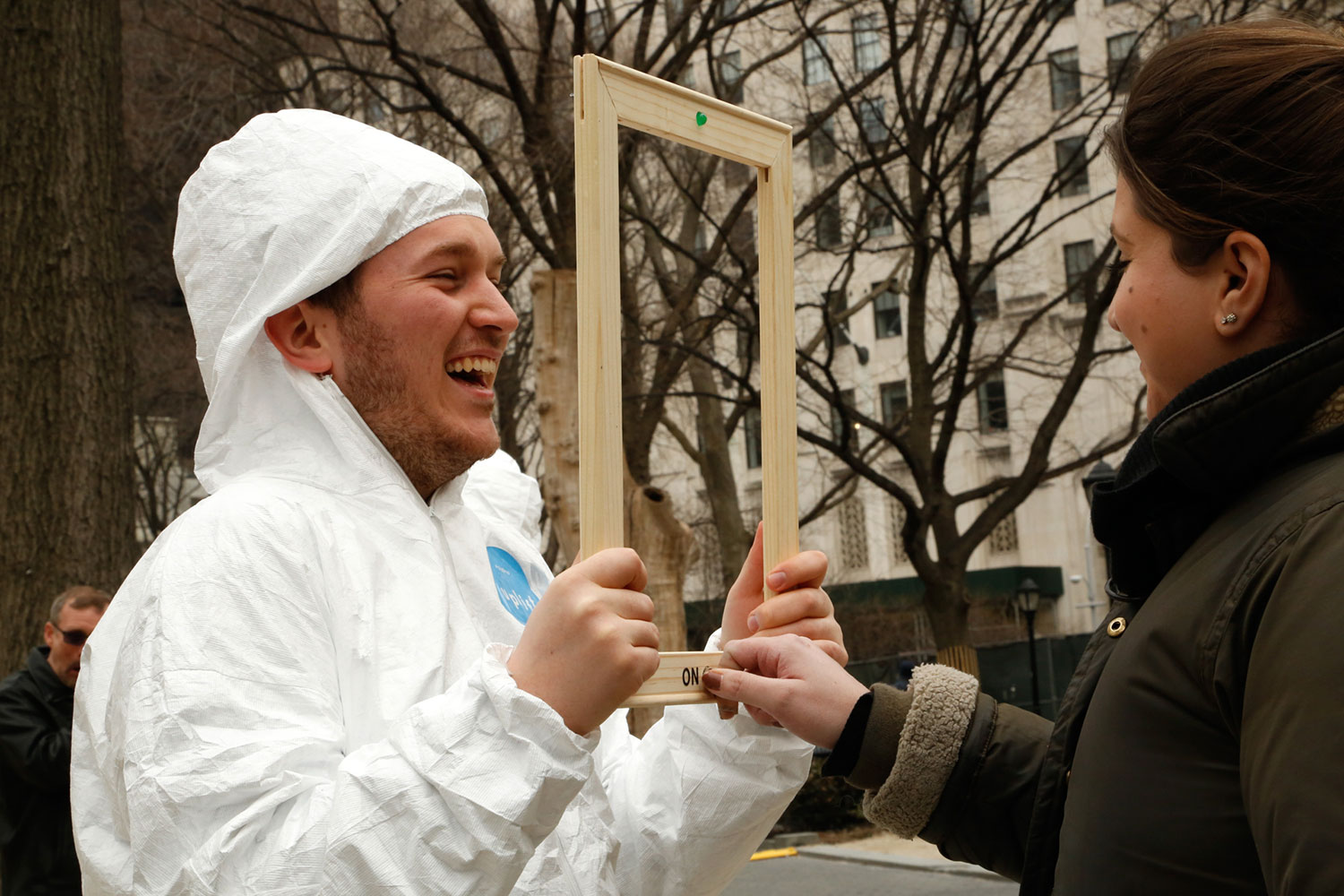
Berk Ilhan’s master’s thesis, Uplift, addresses the quality of life of cancer patients—identifying opportunities that cultivate joy and happiness, and strengthening the support group around the patient. Based on his hypothesis that, through design, joy and humor can positively change most experiences—and inspired by the revolutionary physician Hunter Doherty (popularly known as “Patch Adams”), advocate of humor, fun, and love in healthcare—Berk’s work re-imagines hospital and outpatient experiences beyond conventional boundaries.
Steve Hamilton’s master’s thesis, Enough is the New More: Reframing Scarcity to Feel Like Abundance, began with a manifesto of dialectics, eschewing our persistently growth-based metric for success, rejecting the last several centuries of western economic culture that led to the consumerization of happiness in the United States, and offering a more humane and sustainable alternative. His early research centered around a plethora of “wicked problems”—including those pertaining to vastly embedded systemic structures such as energy, materials, transportation, and the design of our cities—and culminated in a set of radical artifacts that speculate on an alternative future.