
Creativity to Enterprise: Art Education as a Pathway to Entrepreneurship
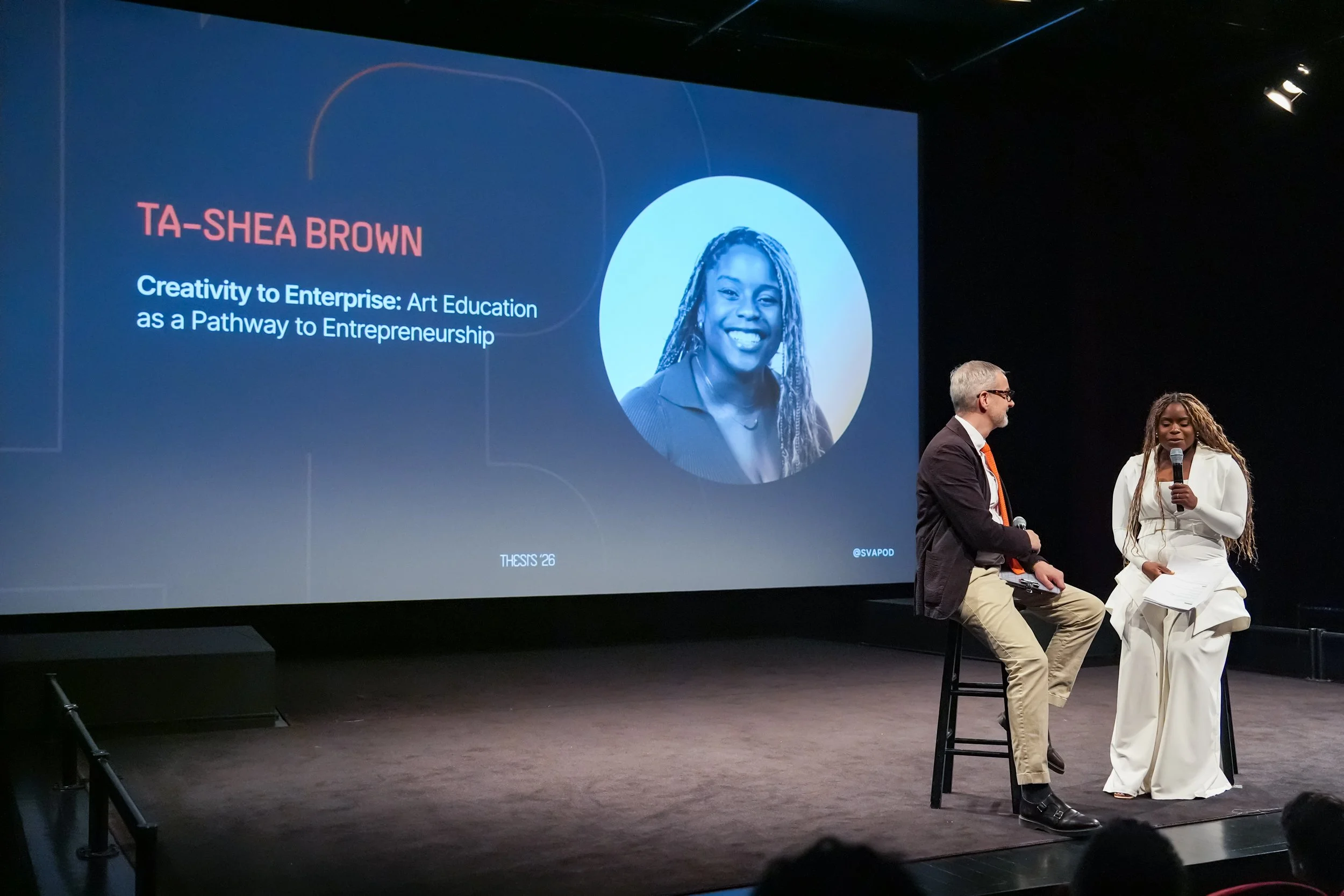
What began as a five-day art and travel summer camp in Barbados became the foundation for Ta-Shea Brown's thesis, Creativity to Enterprise: Art Education as a Pathway to Entrepreneurship. During the camp, children aged 8–12 visited local landmarks and created on-site observational paintings. The experience revealed not only a strong enthusiasm for creative expression, but also a larger question: what happens after a child's first creative experience? How might that early interest be nurtured into confidence, skill-building, mentorship, and future opportunity?
“By connecting creative learning to real-world experiences, children are not only students but collaborators, creative thinkers, and contributors within their communities.”
Rooted in qualitative research and community engagement, Ta-Shea's thesis explores the gap between the creative potential of young people in Barbados and the limited pathways available to help transform that creativity into long-term opportunity.
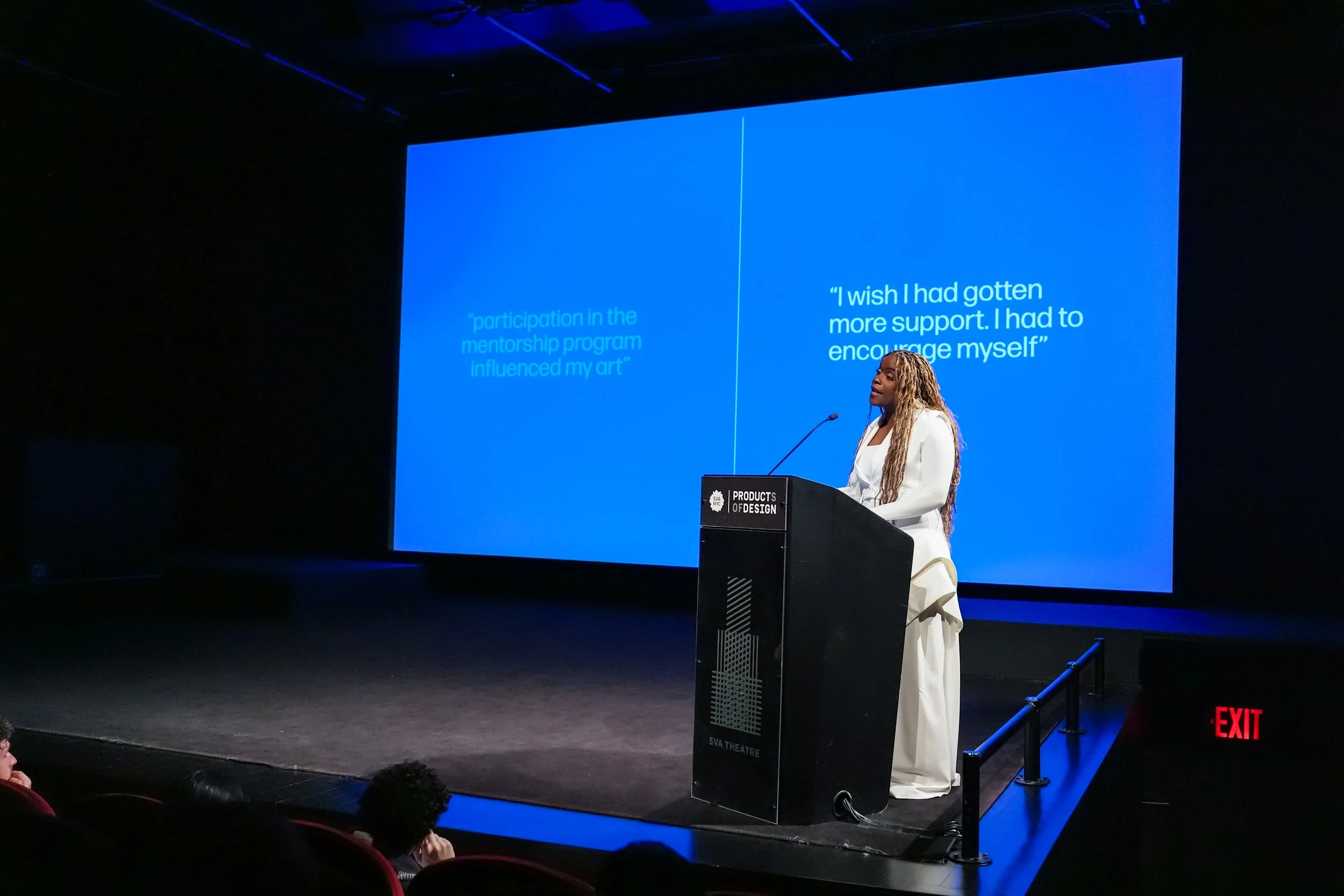
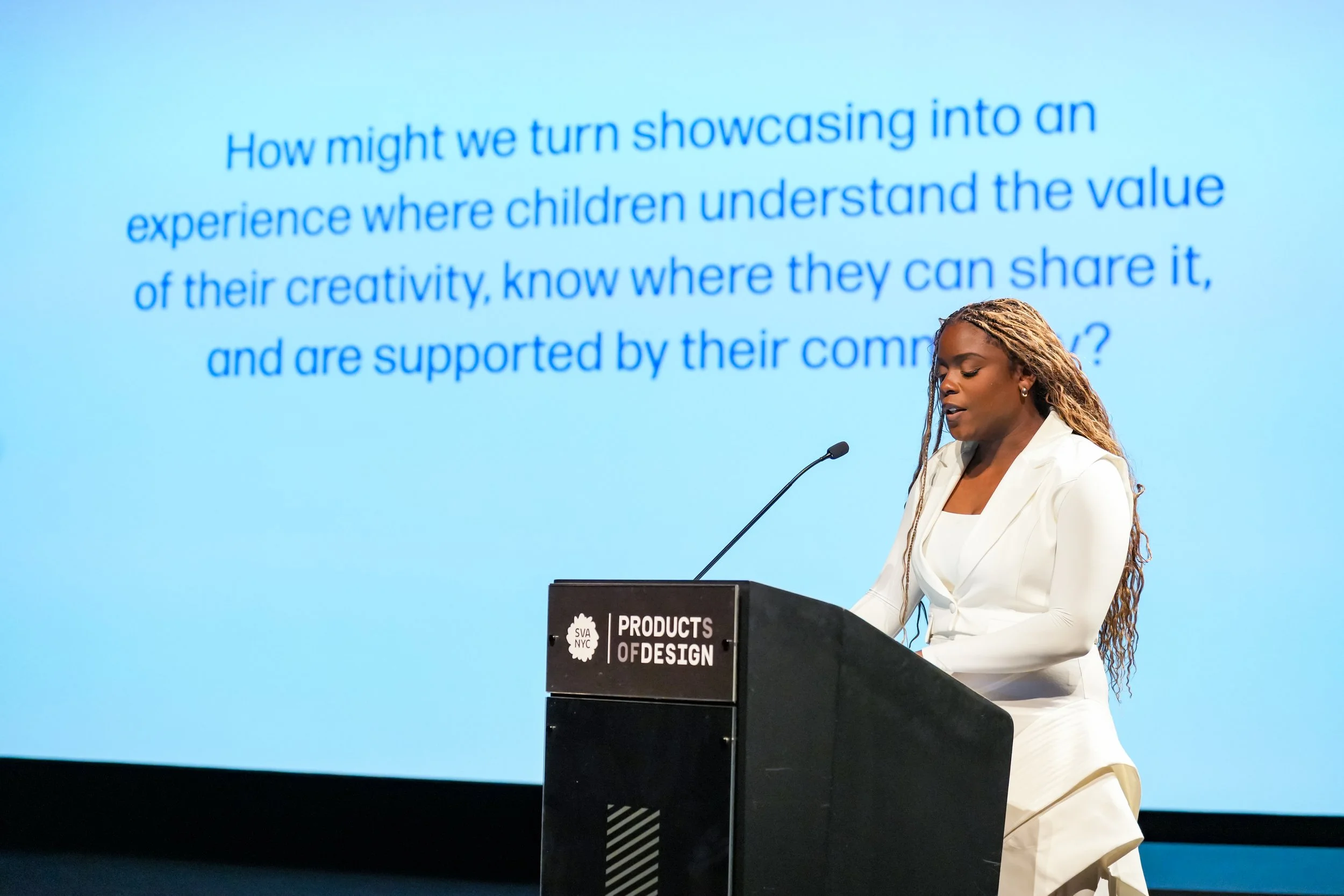
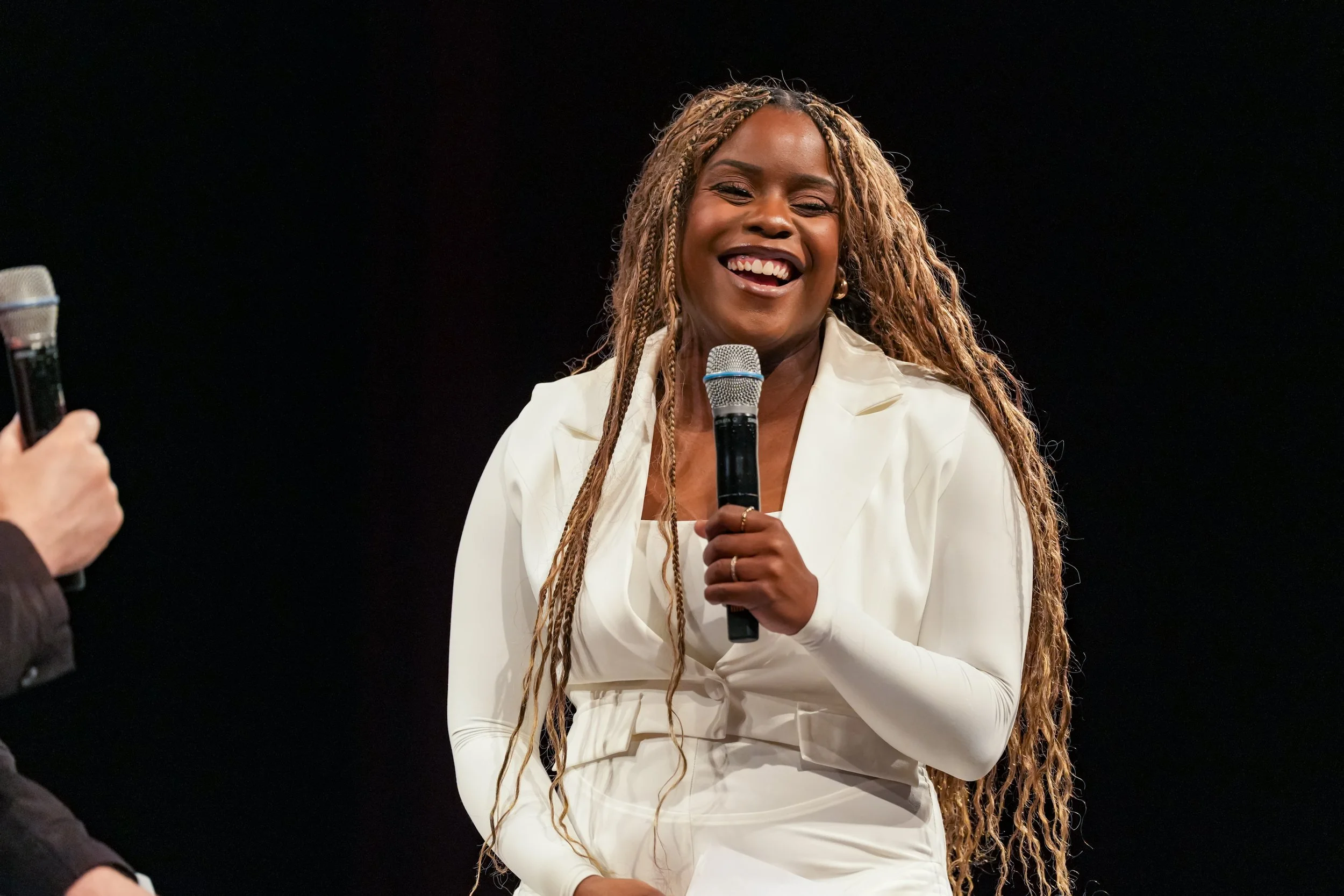
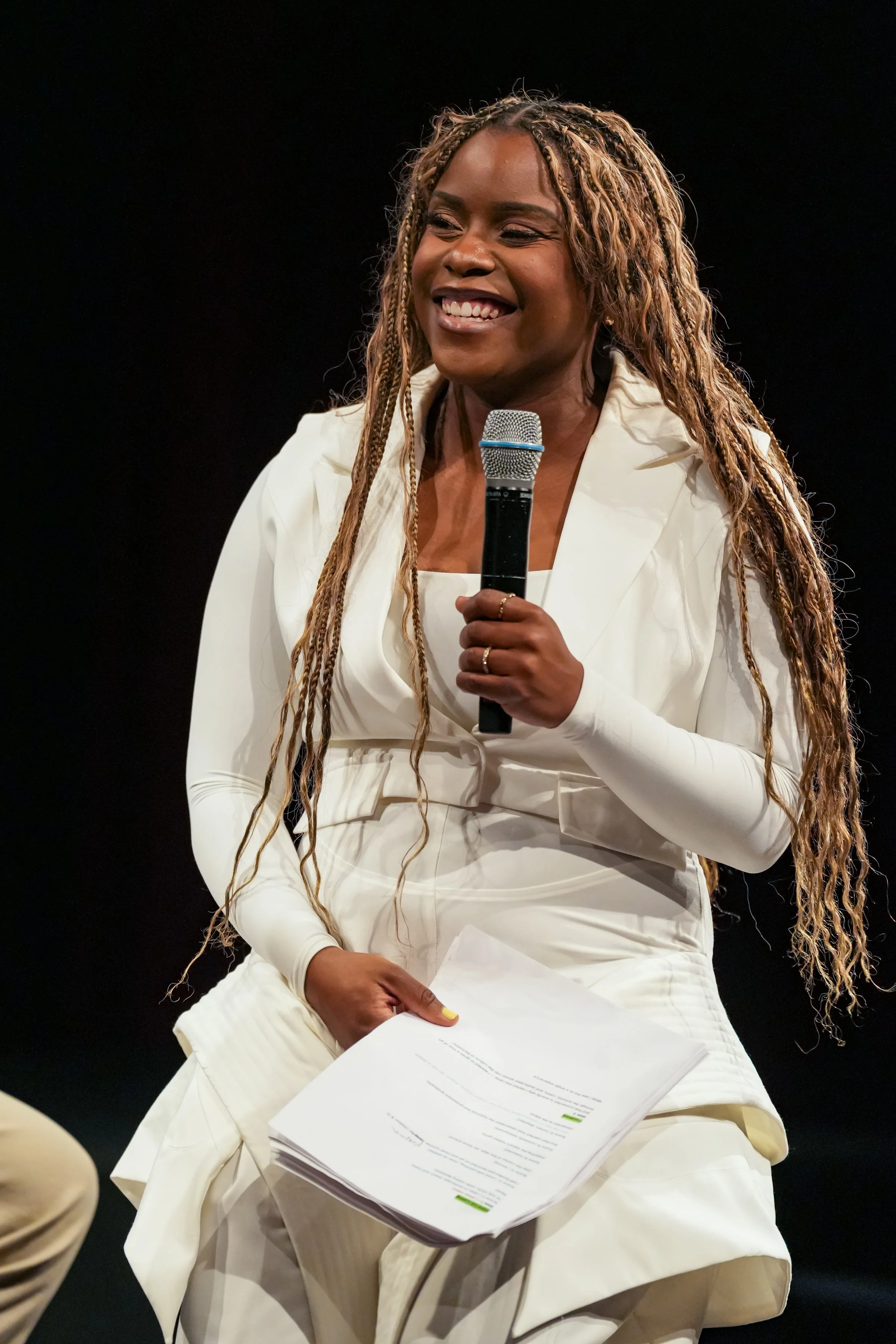
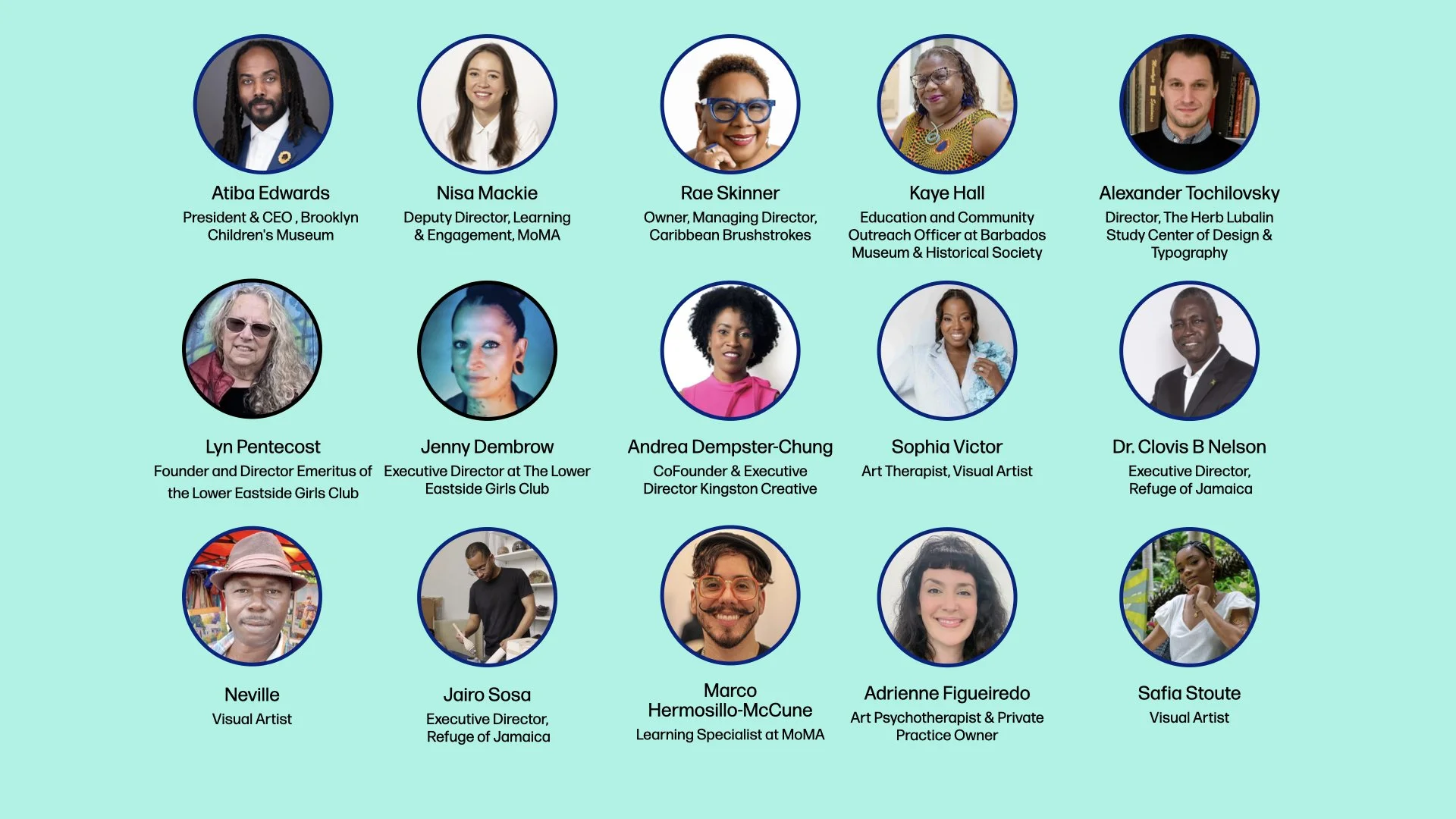
To better understand these challenges, Ta-Shea interviewed museum leaders, educators, artists, and art therapists working across creativity and youth development. What emerged was a four-part ecosystem: a set of interconnected tools, programs, and experiences designed to support children at every stage of their creative journey, from first mark-making to public entrepreneurship.
Sugarcane
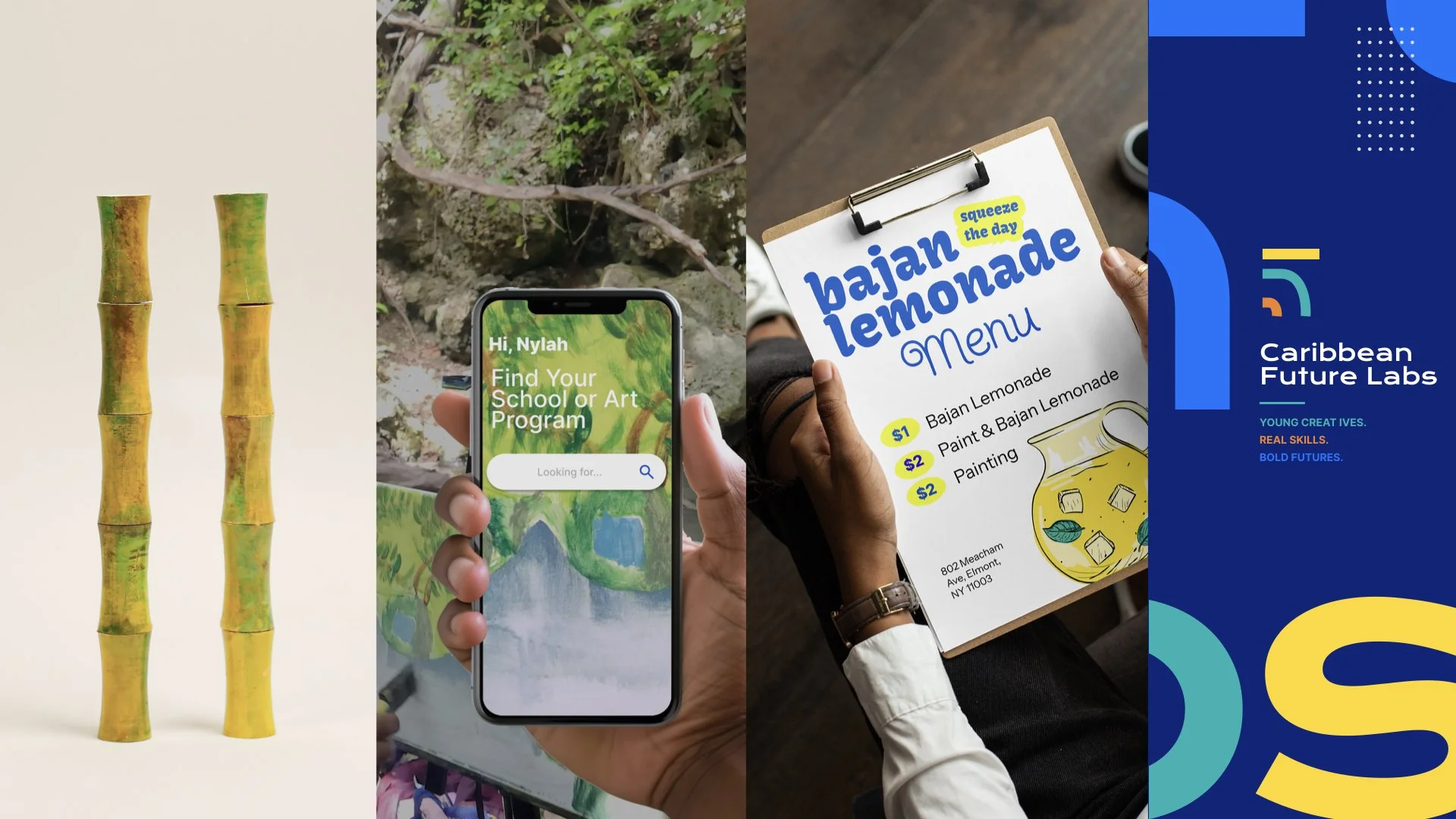
Ta-Shea's first project, Sugarcane, is a multifunctional drawing tool inspired by one of Barbados' most recognizable crops. Each node of the pen contains a different drawing function, including a pen, marker, and paintbrush. By transforming a symbol of the island's colonial past into a tool for imagination and self-expression, Ta-Shea reimagines sugarcane as a creative resource rather than a historical commodity.
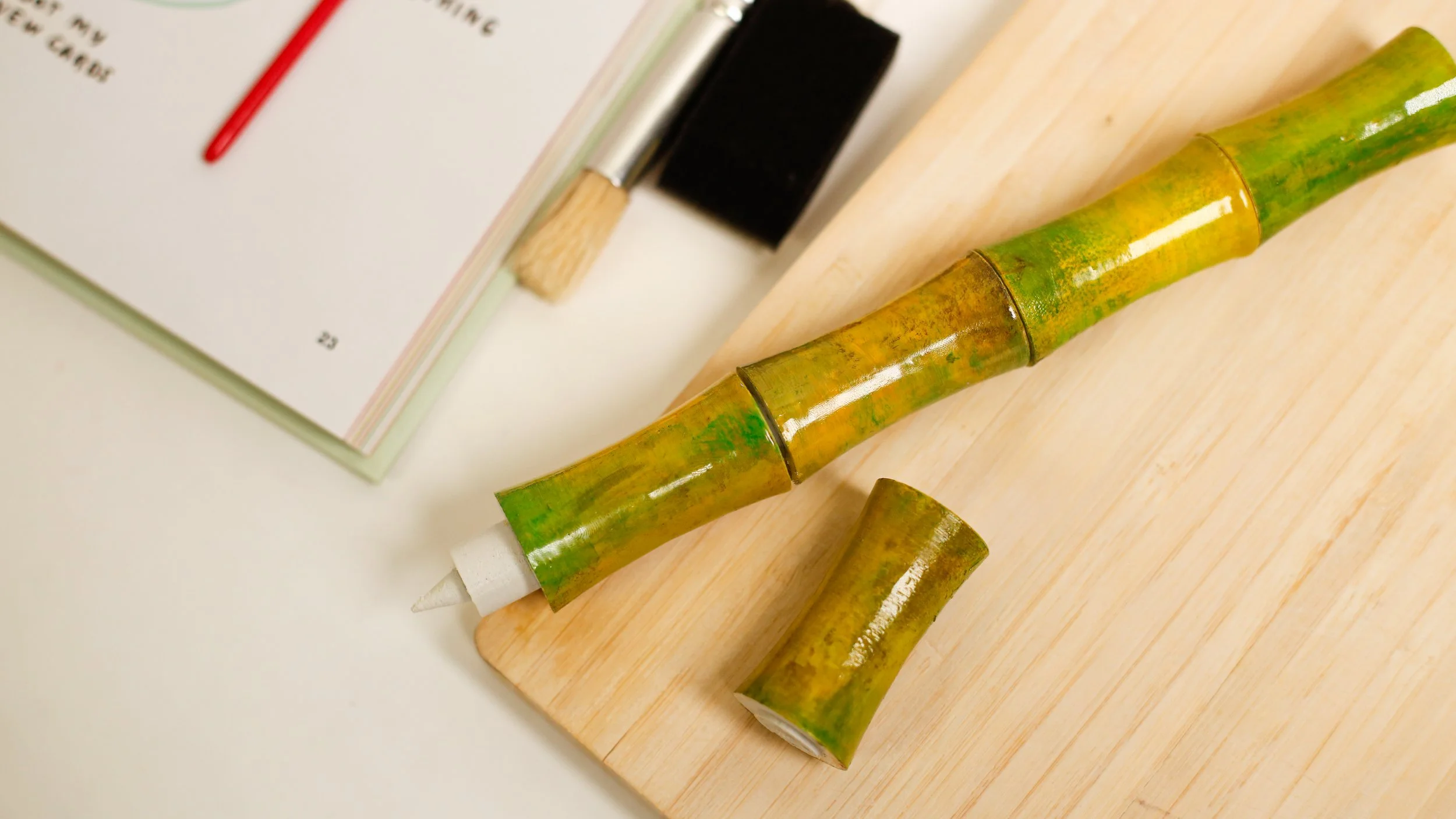
By combining multiple creative tools into a single playful object, Sugarcane encourages experimentation while introducing children to Caribbean history through design. The project aims to make creative exploration both accessible and culturally grounded from the earliest stages of a child's artistic development.
Caribbean Futures Lab
While Sugarcane focuses on introducing children to creative exploration, Ta-Shea recognized that long-term development requires sustained opportunities for learning, collaboration, and mentorship. This insight led to Caribbean Futures Lab, a hybrid youth arts program and creative agency designed for children ages 6–12 in Barbados.
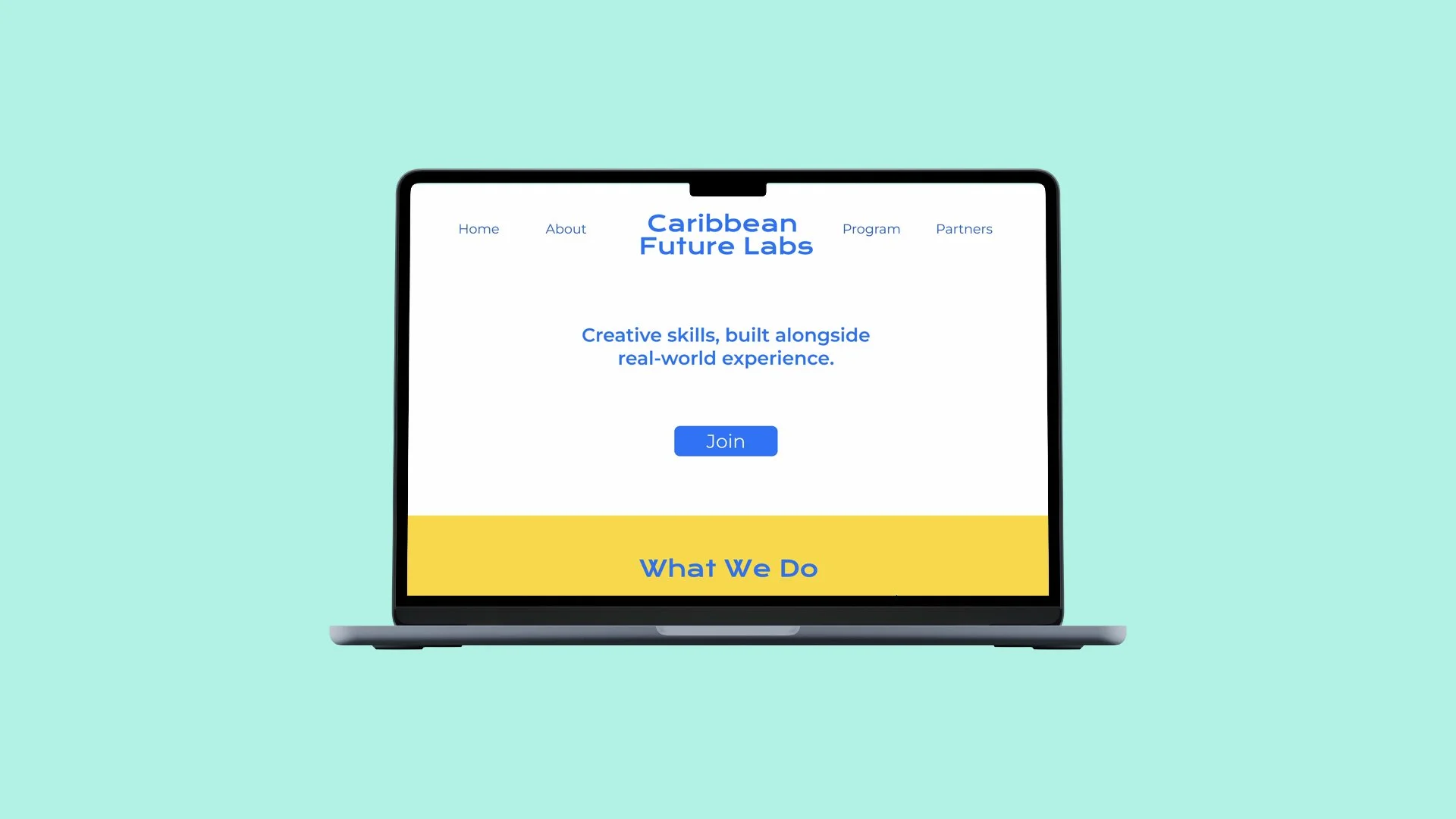
The program combines creative education, entrepreneurship, and real-world collaboration. Through workshops focused on branding, storytelling, design thinking, and art-making, participants develop creative and professional skills before applying them to projects created in partnership with local businesses and cultural organizations.
By connecting creative learning to real-world experiences, Ta-Shea positions children not only as students but as collaborators, creative thinkers, and contributors within their communities.
Loop
Through her interviews, Ta-Shea also identified a recurring need for mentorship and recognition. Many young people have opportunities to make art, but fewer opportunities to receive meaningful feedback or feel connected to a broader creative network. To address this gap, she developed Loop, a platform designed to make encouragement, visibility, and professional guidance a consistent part of a child's creative journey.
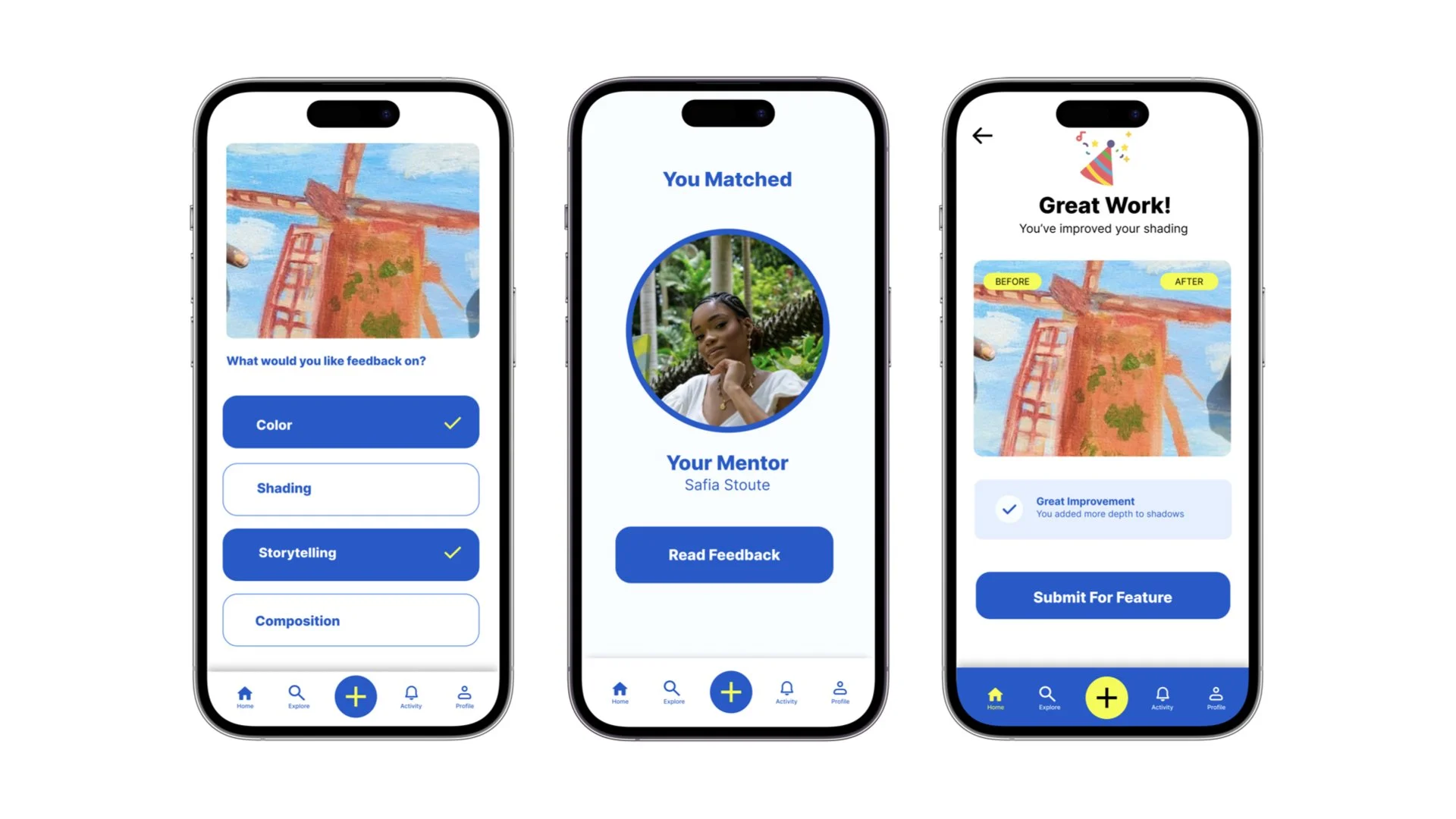
Students share artwork created through the Loop app and receive feedback from professional artists both in Barbados and across the Caribbean diaspora. Their work can then be shared with classmates, families, schools, and the broader creative community, helping children feel seen, supported, and motivated to continue creating.
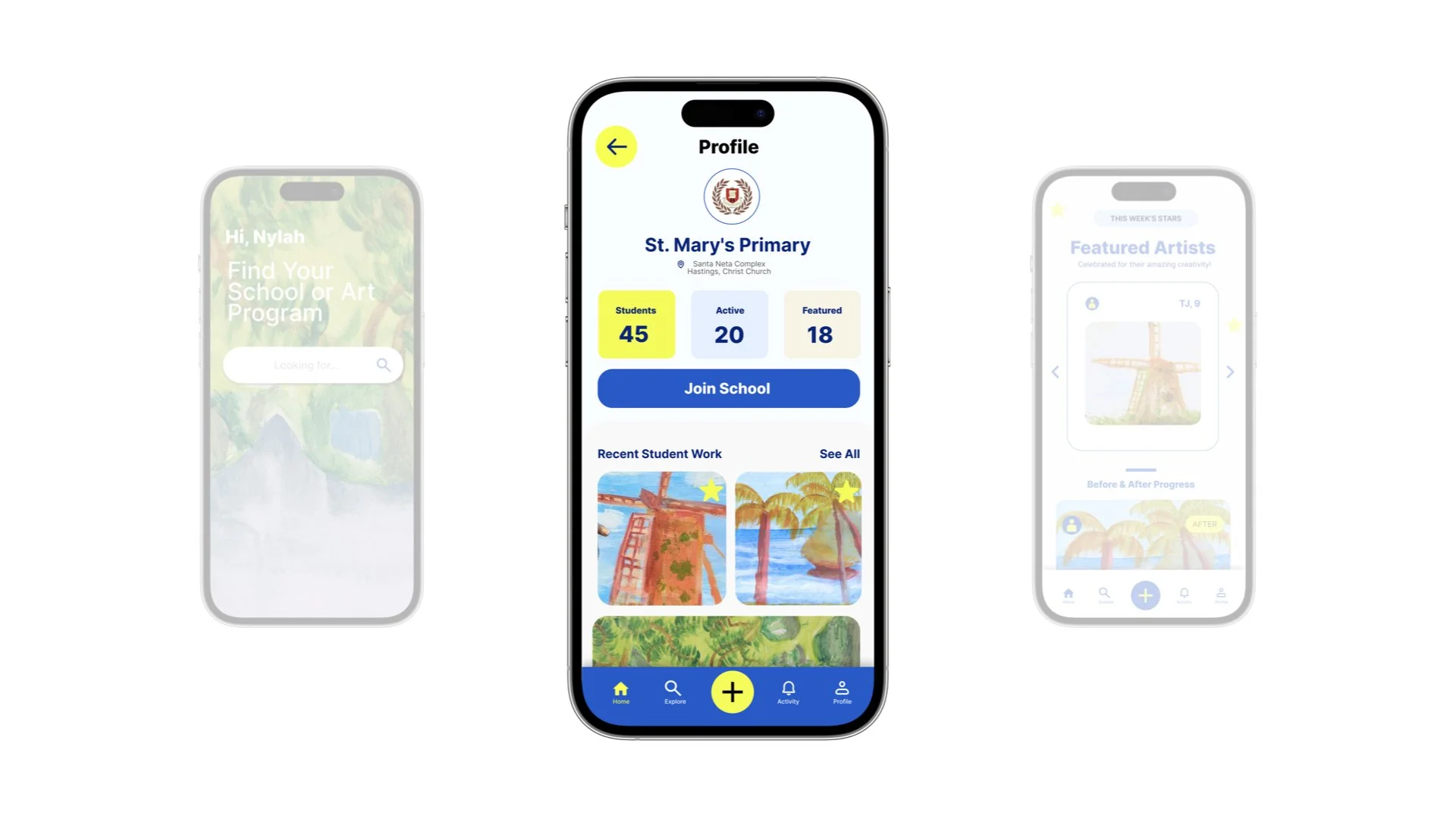
By expanding access to mentorship while celebrating creative progress, Loop aims to strengthen confidence and reinforce the value of creative thinking at an early age.
Bajan Lemonade Art Stand
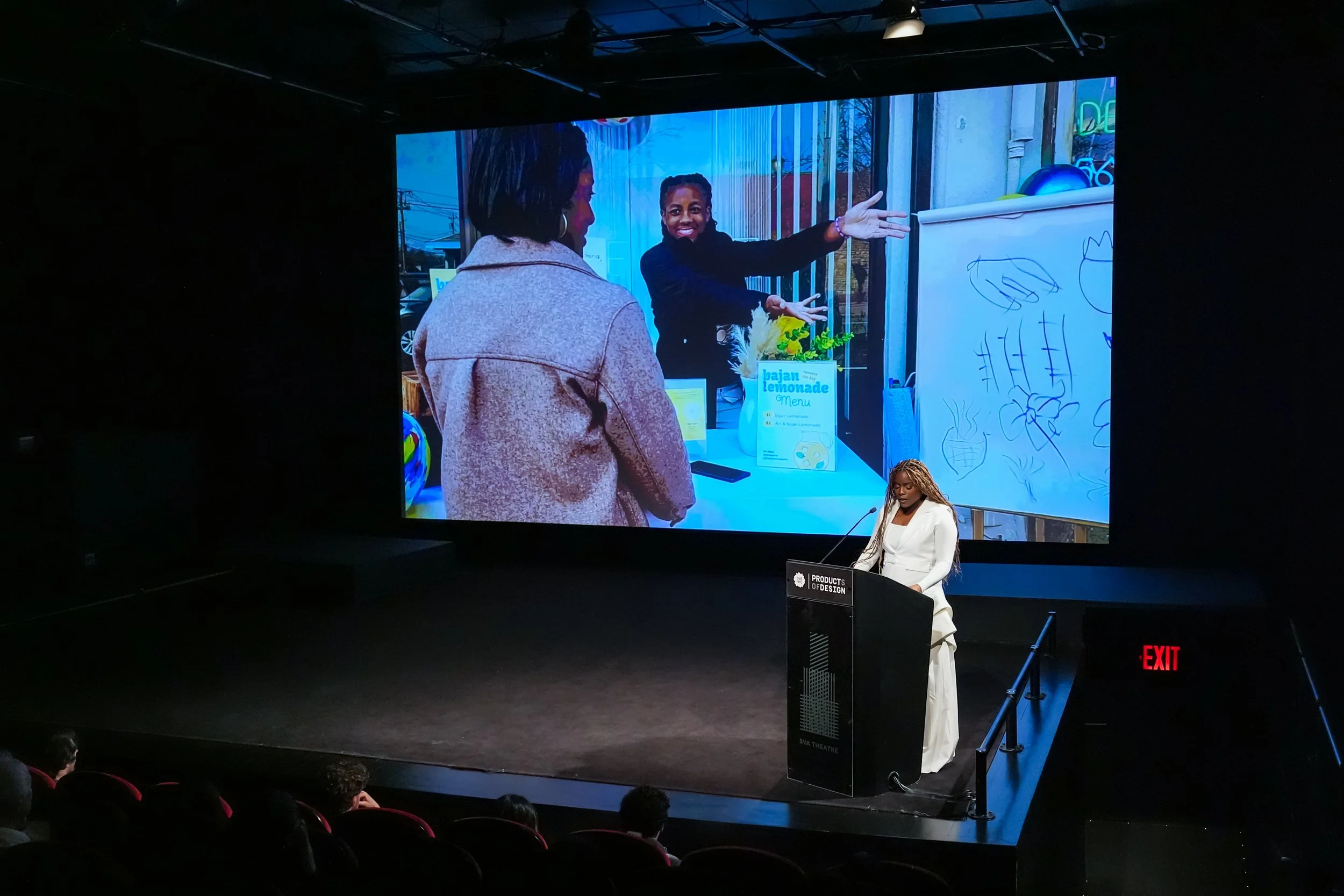
As a final project in her thesis, Ta-Shea wanted children to experience what it feels like to share creative work with the public and receive tangible recognition in return. This led to the Bajan Lemonade Art Stand, a public pop-up experience where children exhibit and sell their artwork directly to the community. The concept includes a playful twist: anyone who purchases a work, or participates in creating a collaborative artwork of the day, receives a complimentary glass of Bajan lemonade. The exchange becomes social and welcoming rather than intimidating or purely transactional.
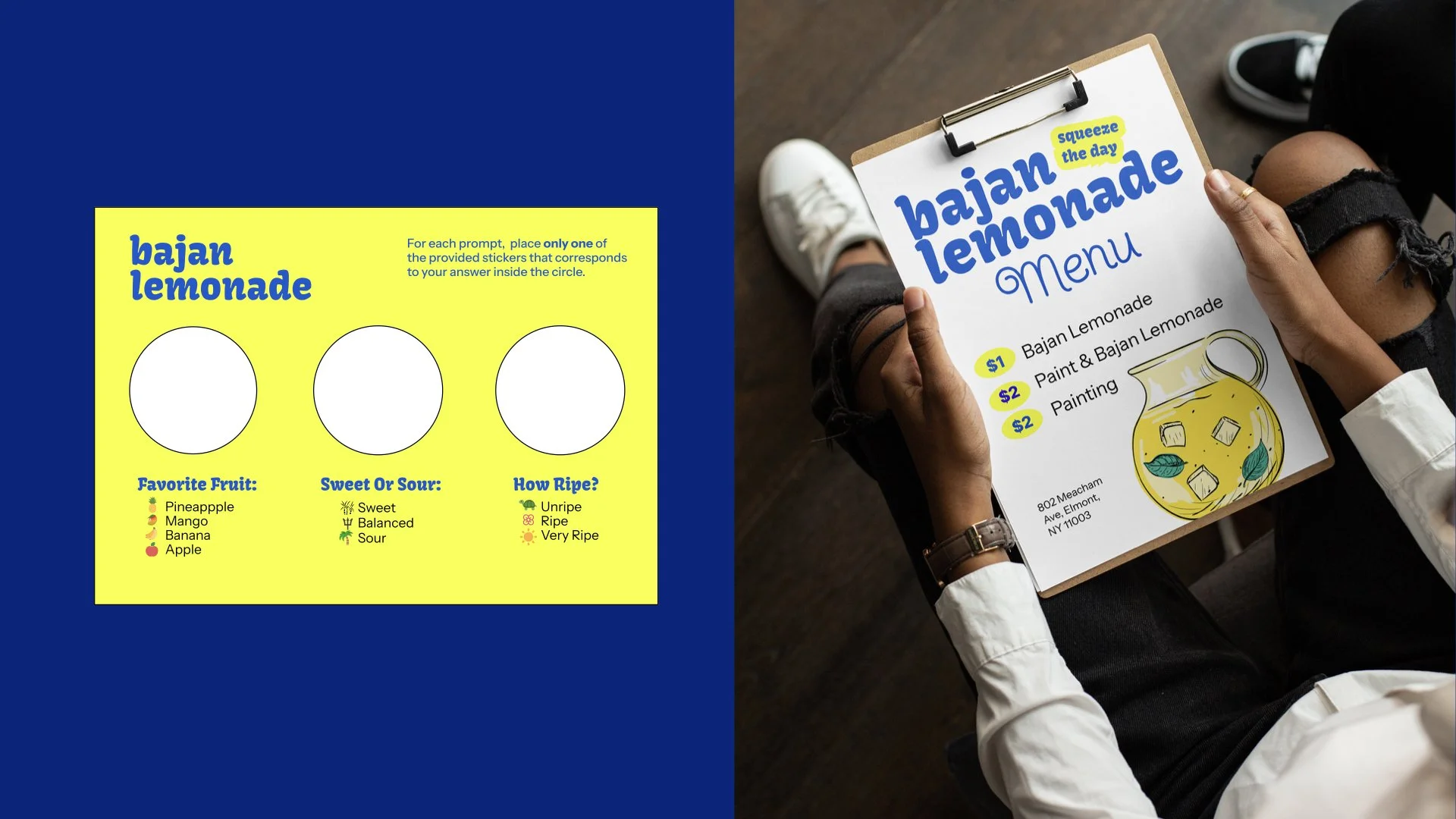
At its core, the Bajan Lemonade Art Stand is about helping children experience the value of their creative work. By introducing ideas of presentation, pricing, and exchange in an accessible format, the stand demonstrates that creativity can hold both cultural and economic value. The project also invites parents, neighbors, and passersby to recognize and celebrate the contributions of young makers. In doing so, it makes creativity visible not only to children themselves, but to the broader community that surrounds them.
Together, these four projects form an interconnected pathway designed by Ta-Shea to support children from their earliest creative experiences through mentorship, community engagement, and entrepreneurship. From holding a creative tool, to joining a program, to receiving professional feedback, to sharing work with the public, each project is designed to build upon the previous one.
Ta-Shea's thesis argues that Barbados already possesses the foundations for a thriving creative future: a rich cultural landscape, a committed diaspora, and young people eager to create. The challenge is building systems that can nurture that potential over time. Across all four projects, Creativity to Enterprise explores how design can help children see creativity as more than a form of self-expression. It can also become a pathway to confidence, opportunity, entrepreneurship, and community impact. Ultimately, the goal is not simply to help children make art, but to help them recognize the value their creativity can hold for their futures, their communities, and the broader cultural life of Barbados.
To learn more about Ta-Shea’s work, take a look at her projects in more detail at: www.ta-shea.com.