
Sensory Overload and the Reduction of Environmental Attention
Qi Guan’s thesis, Sensory Overload and the Reduction of Environmental Attention, investigates how to support sensory-sensitive individuals in regaining focus within urban environments. The project addresses the anxiety and sensory overload induced by fast-paced city conditions, which often lead to attention fatigue and withdrawal from surroundings. By identifying critical moments of stress and introducing targeted design interventions, the project seeks to mitigate cognitive overload and facilitate more stable attentional states.
“For most people, the city is not a choice but a constant condition. The challenge is not how to escape it, but how to design within it to support everyday wellbeing.”
— Ivy Leung, Urban Planner
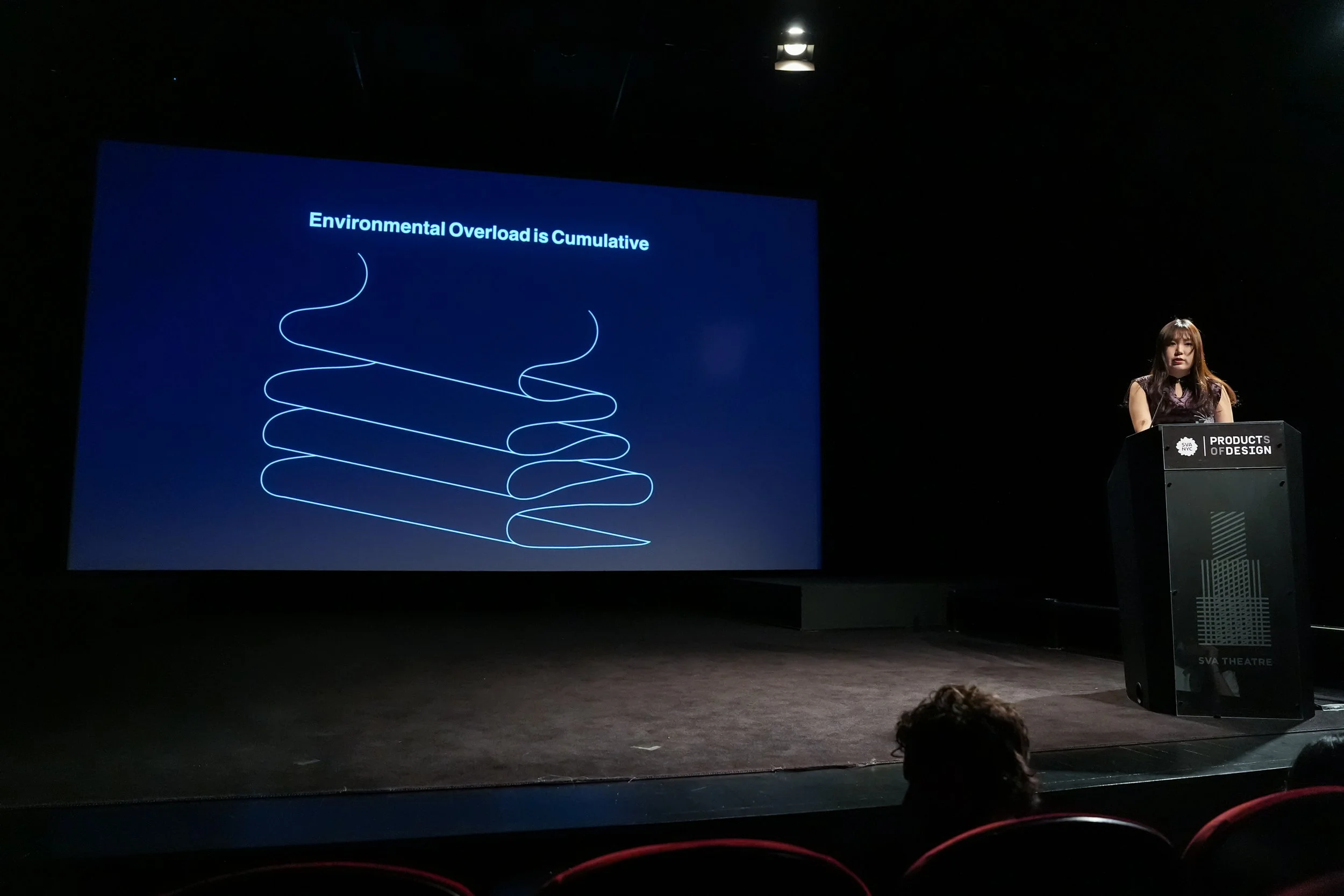
Many individuals with heightened sensory sensitivity experience urban environments as overwhelming. Intense auditory stimuli, complex olfactory conditions, and high-contrast visual elements—such as dense crowds and large-scale digital displays—can lead to disorientation, anxiety, and cognitive fatigue. For those who live and work in cities, avoidance is rarely a viable option. Instead, many people cope by redirecting their attention toward their phones, using screens as a way to escape overstimulating surroundings. Today, 58% of individuals report using their phones to manage stress and anxiety. However, shifting attention to digital devices does not necessarily create genuine restoration. Rather than recovering attention, people are often replacing one form of stimulation with another.
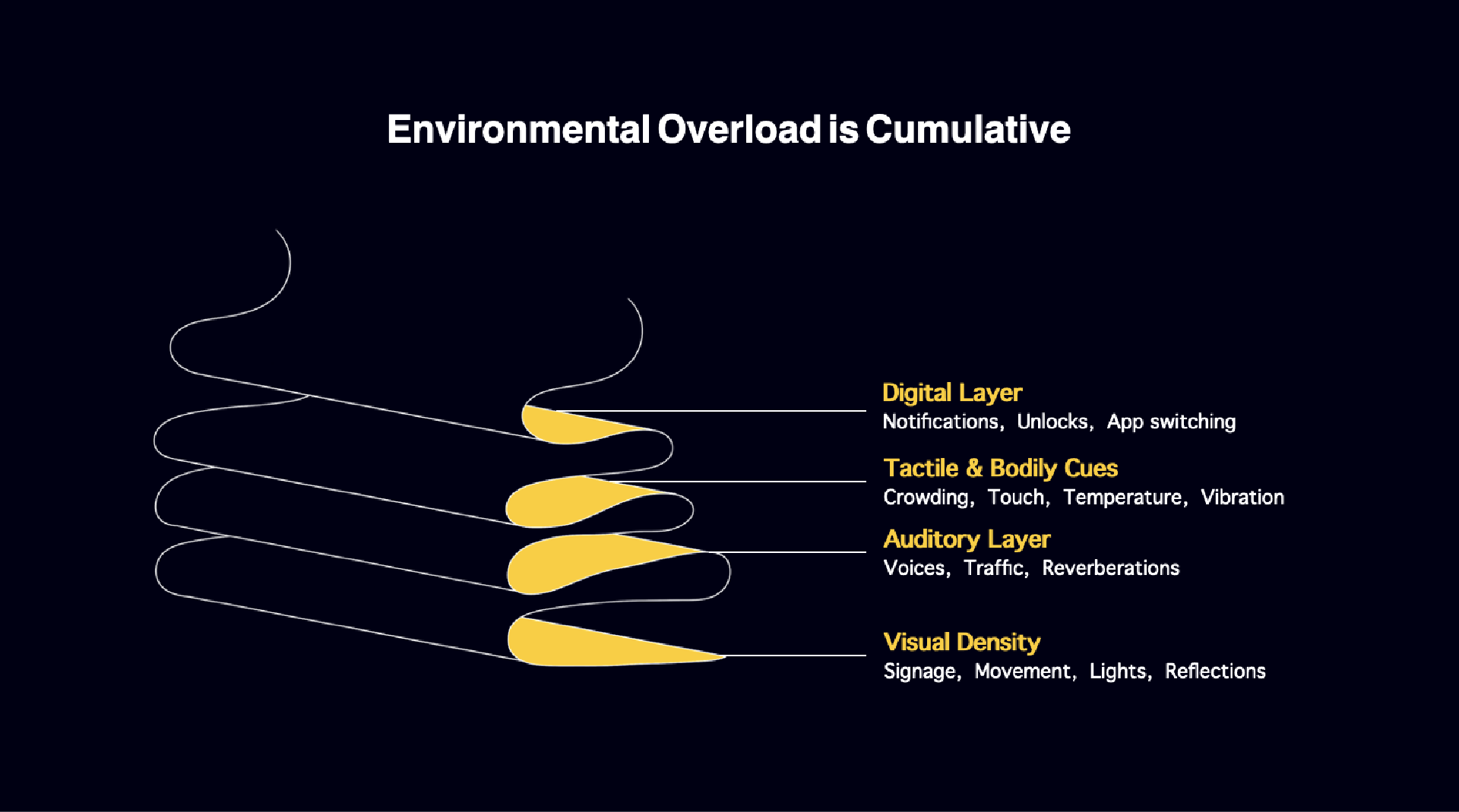
“Putting your attention onto your phone is not recovery — it’s just replacement.”
— Linda Stone, Researcher
This raises a critical question: can design meaningfully intervene to provide timely and adaptive support for individuals experiencing sensory and attentional overload? In response to these conditions, many individuals develop habitual patterns of withdrawal, most commonly by redirecting their attention toward mobile devices. As familiar and controllable interfaces, phones offer a temporary sense of stability within otherwise unpredictable environments. Yet this behavior often replaces one source of stimulation with another, rather than creating genuine attentional recovery.
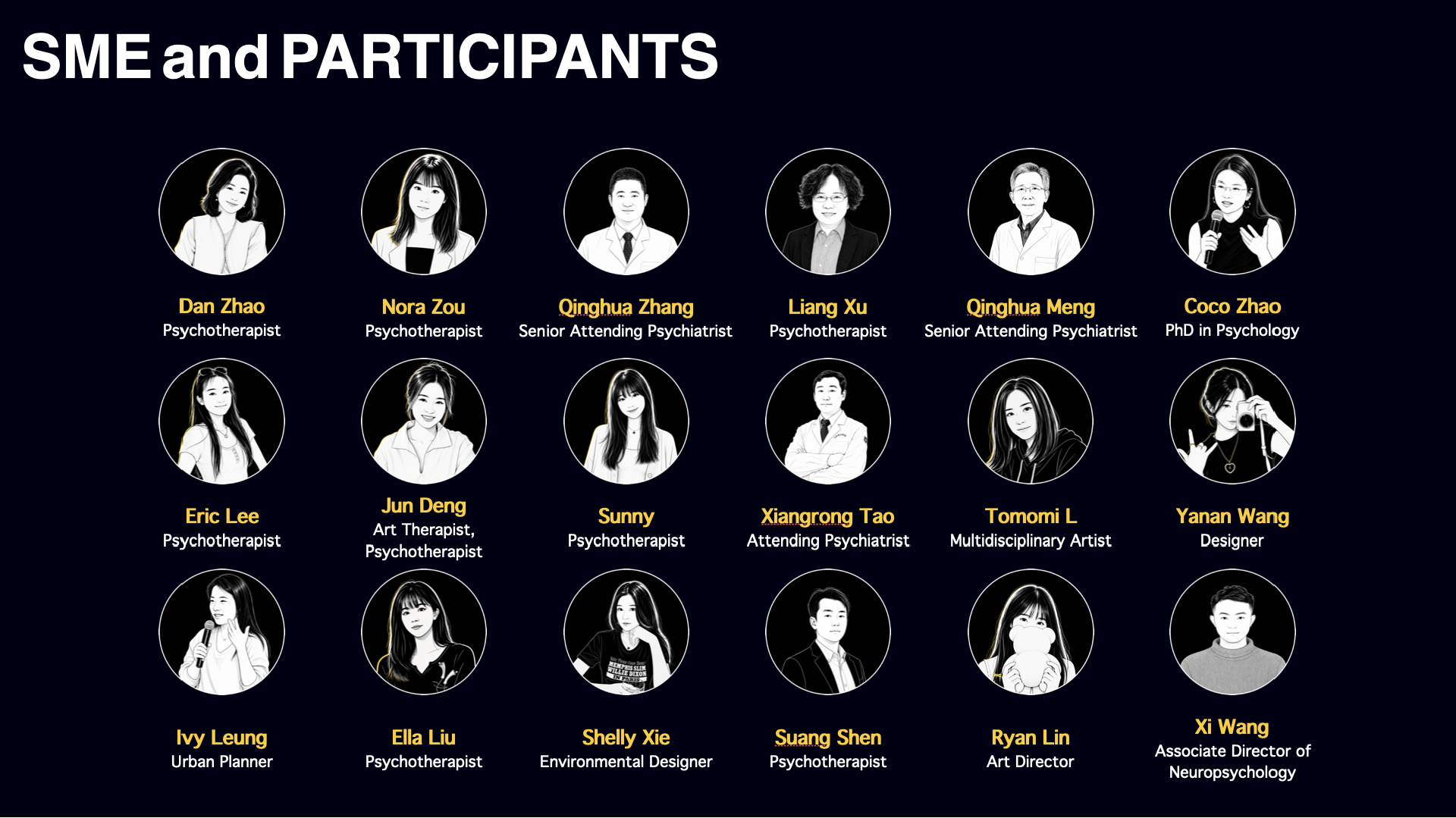
Instead of asking how people can escape the city, this project shifts the question toward how urban environments themselves might be designed to better support everyday emotional and sensory well-being.

Qi’s thesis proposes a three-layered design system—spanning the internal, external, and urban scales—to address sensory and attentional overload. Each layer operates at a different level, collectively supporting self-regulation, environmental awareness, and accessible moments of recovery within everyday urban contexts.
SOMA Touch: A handheld sensory device
When individuals experience sensory overload, they often seek physical contact—repetitive touch can help reduce anxiety and restore a sense of control. However, such tactile experiences are largely absent in contemporary products, which are typically designed with smooth, rigid surfaces that do not encourage interaction.
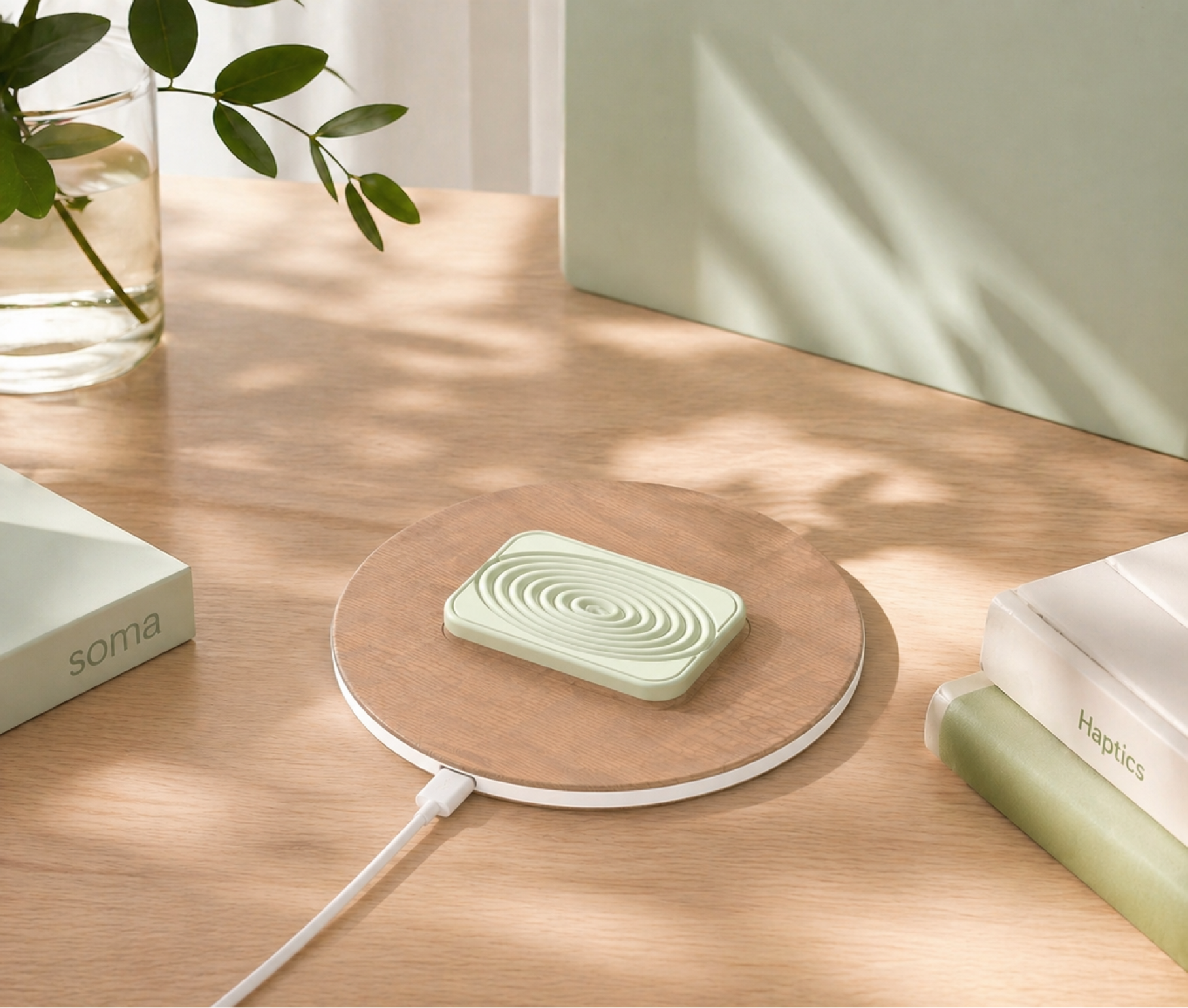
In response, Qi designed SOMA Touch, a handheld sensory device with a textured surface and low-saturation color palette to minimize visual stimulation while inviting continuous touch.
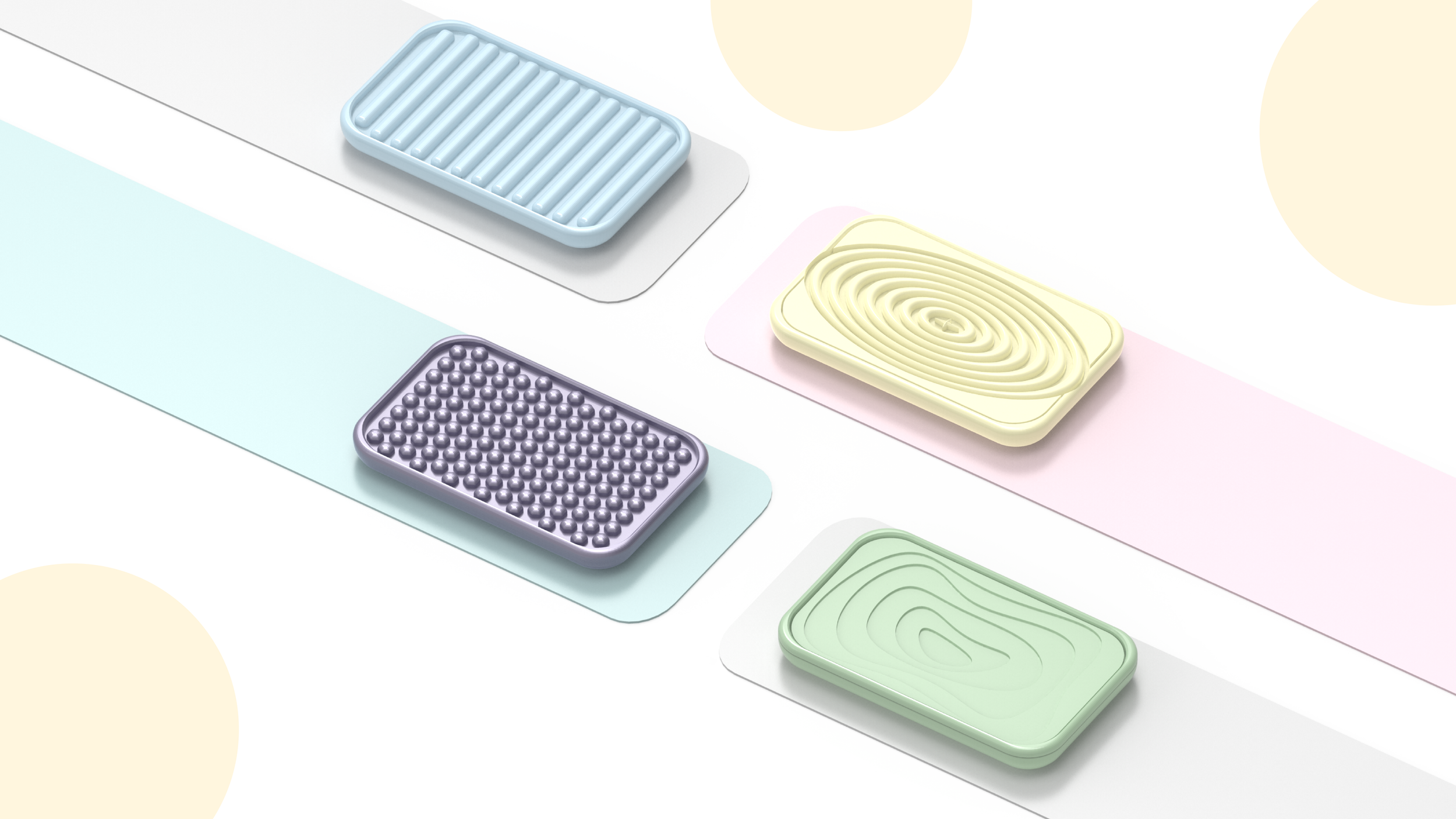
The SOMA device integrates sensors to capture physiological and behavioral signals—such as heart rate, pressure, and movement—and provides real-time feedback through a connected system. By translating subtle bodily changes into immediate guidance, it enables users to regulate their state in situ.
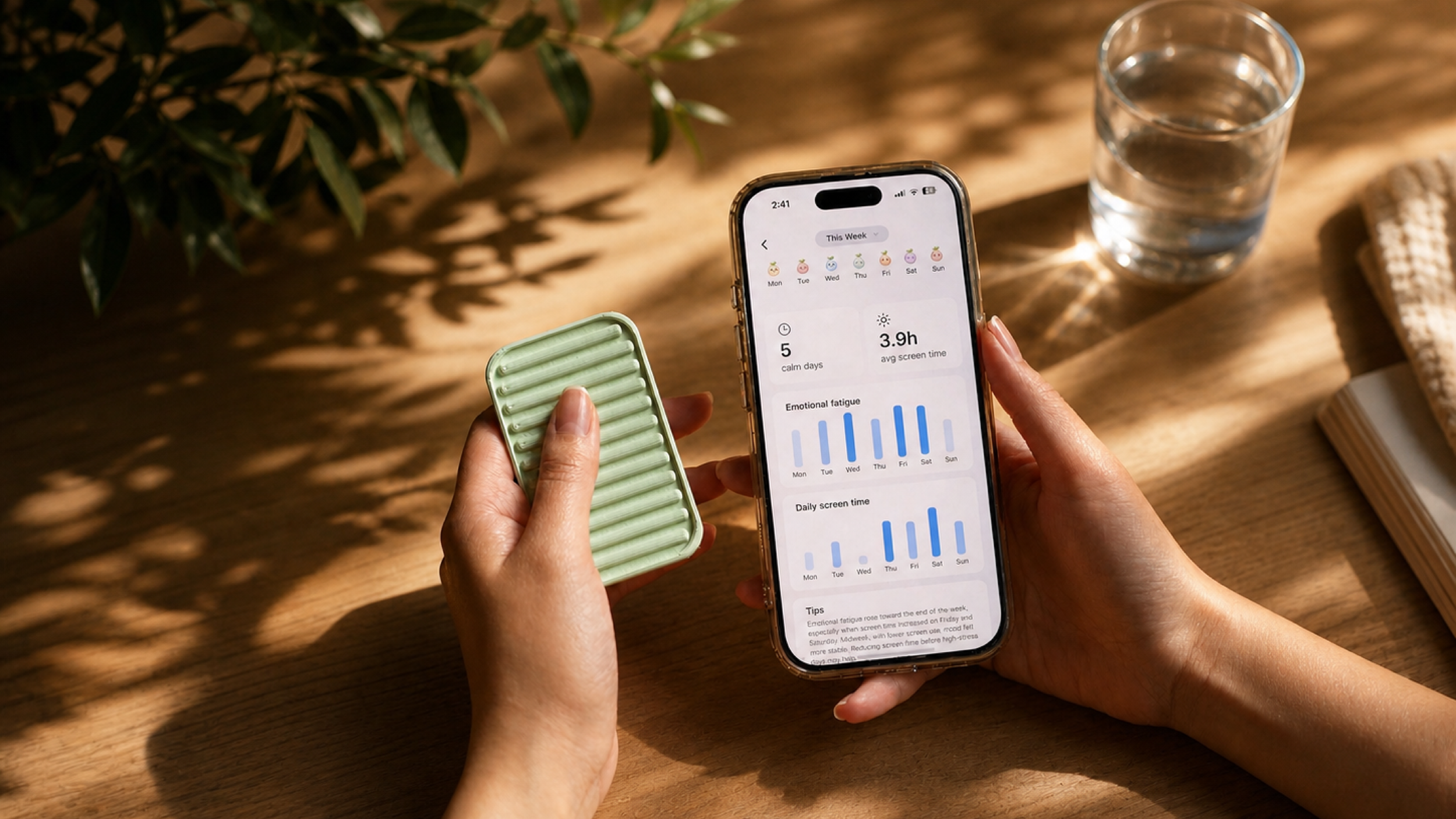
SOMA’s branding is designed to create a sense of calmness and sensory balance within overstimulating urban environments. Through a low-saturation color palette, soft natural tones, tactile textures, and minimal visual language, the brand aims to reduce visual tension and encourage emotional grounding.
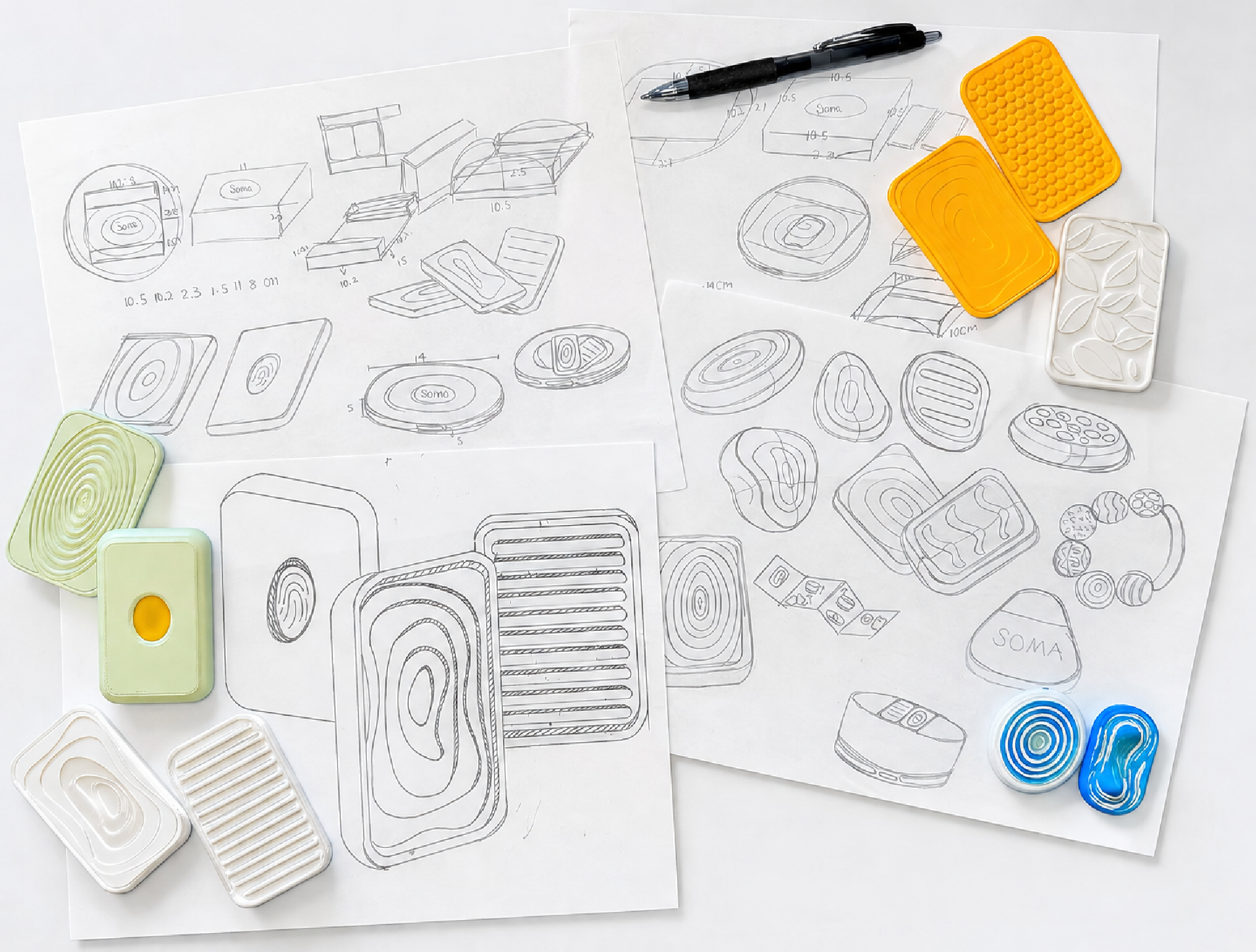
Rather than competing for attention like many digital products, SOMA is intentionally designed to feel quiet, gentle, and restorative, supporting mindfulness and everyday emotional well-being.
Moodi : An emotional tracking system
Next, Qi designed Moodi, an emotional tracking system that “visualizes urban feelings.” Based on workshops and field research, this project identifies that sensory overload is not solely determined by the quantity of stimuli, but by the predictability and legibility of an environment. When spatial rhythm is unclear and expectations are disrupted, individuals are more likely to experience anxiety.
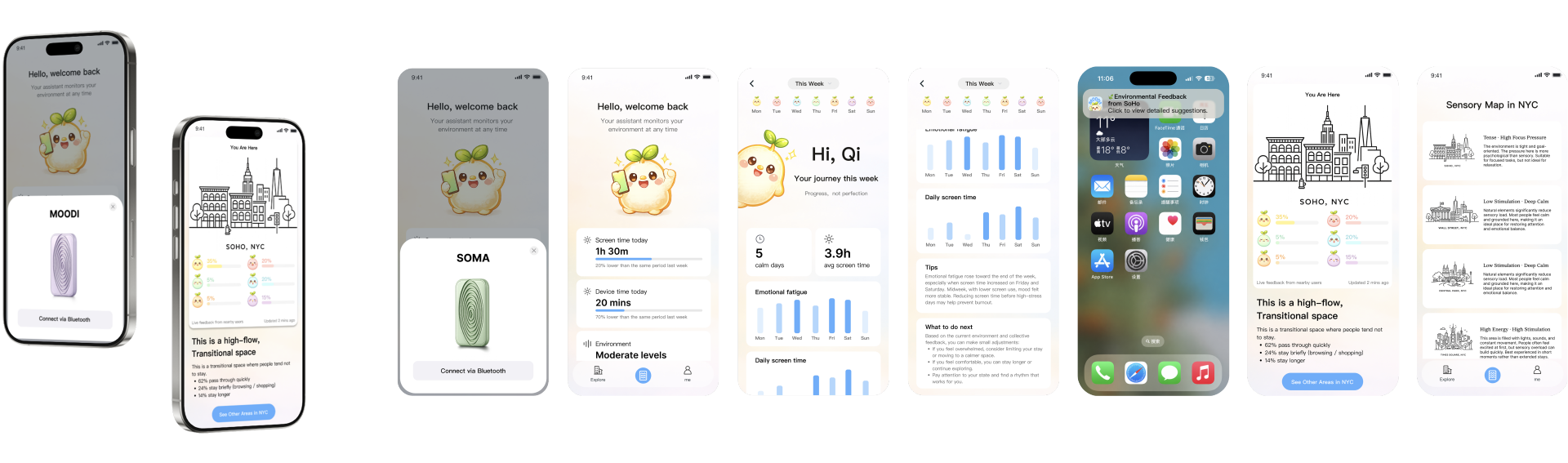
The interface system translates both personal input and collective data into an accessible layer of environmental insight. Users can check in with their emotional state, view aggregated emotional distributions, and understand behavioral patterns within specific locations. Over time, this forms an evolving emotional map of the city. In addition, the system tracks device usage and emotional fluctuations, offering lightweight, personalized suggestions to support ongoing awareness and recovery.
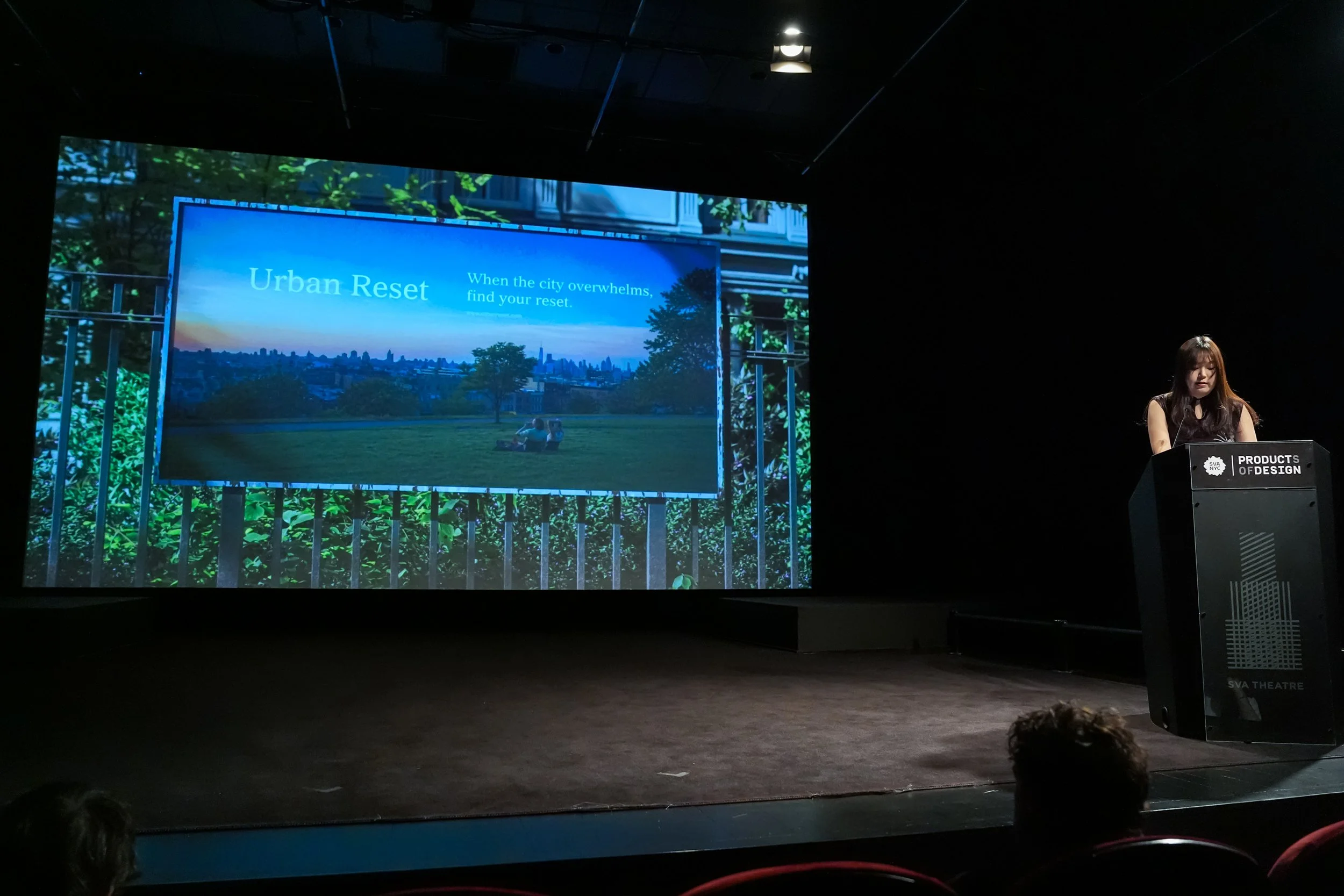
Urban Reset: A service system for restoring attention in the city
The urban layer scales individual awareness into a distributed support system embedded within the city. Research suggests that short, structured breaks in low-stimulation environments can significantly support attentional recovery, yet such spaces are often overlooked or inaccessible within dense urban contexts.
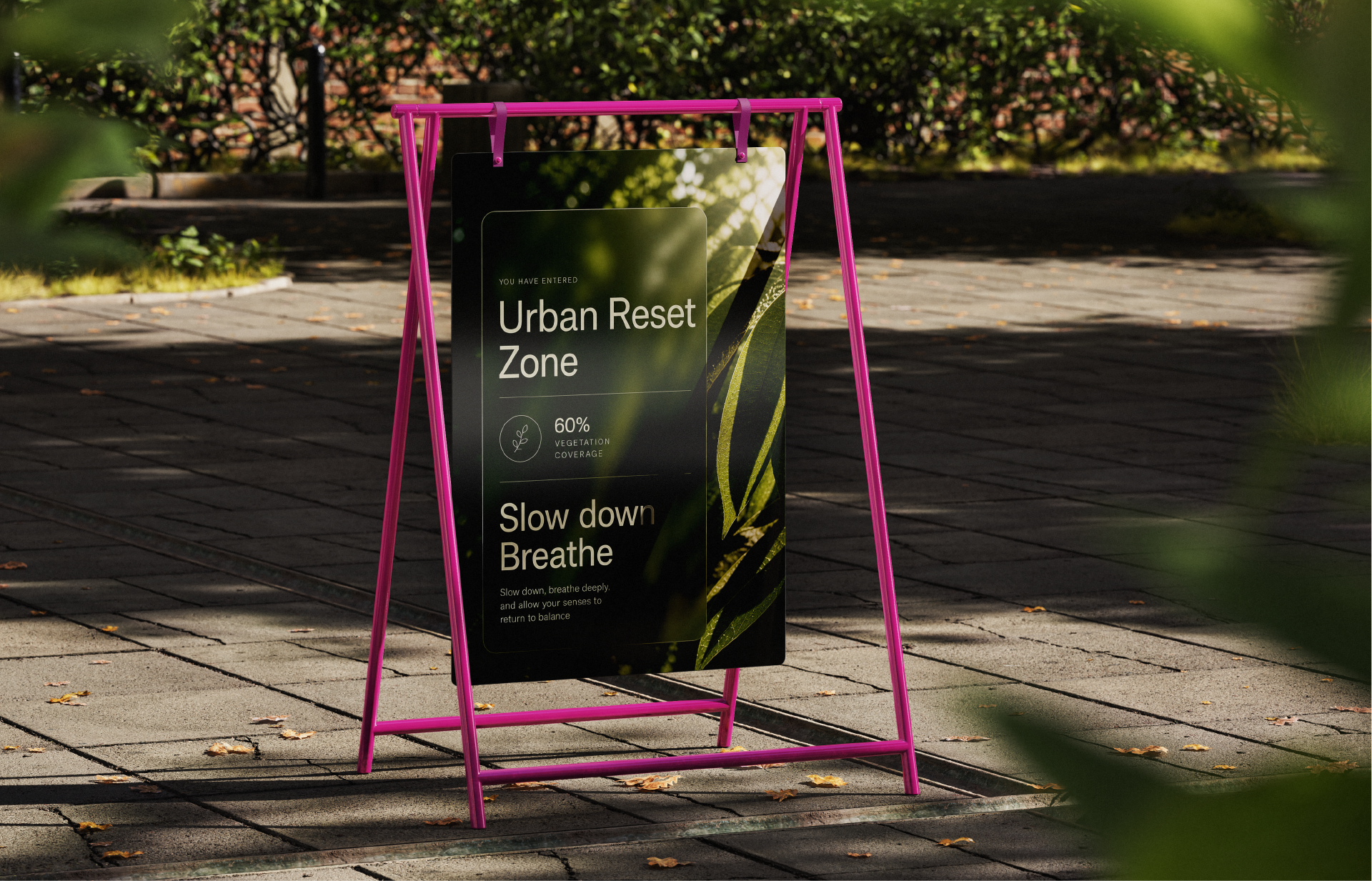
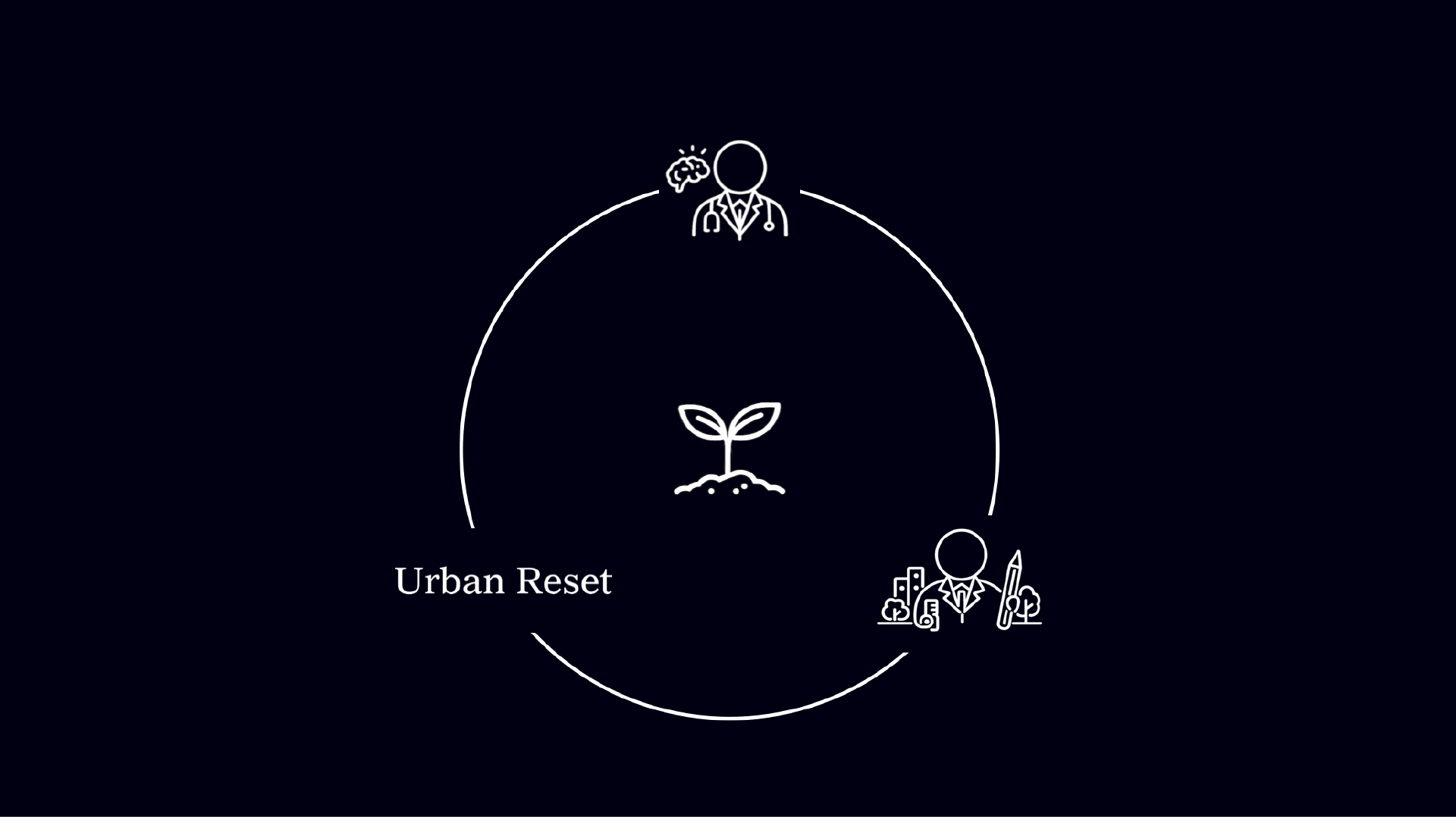
This project proposes a service that identifies and activates underutilized micro-spaces—such as areas beneath infrastructure or between buildings—and integrates them into a navigable system. Urban Reset collaborates with urban planners and mental health professionals to carefully select locations and design restorative activities that support emotional well-being and sensory balance.
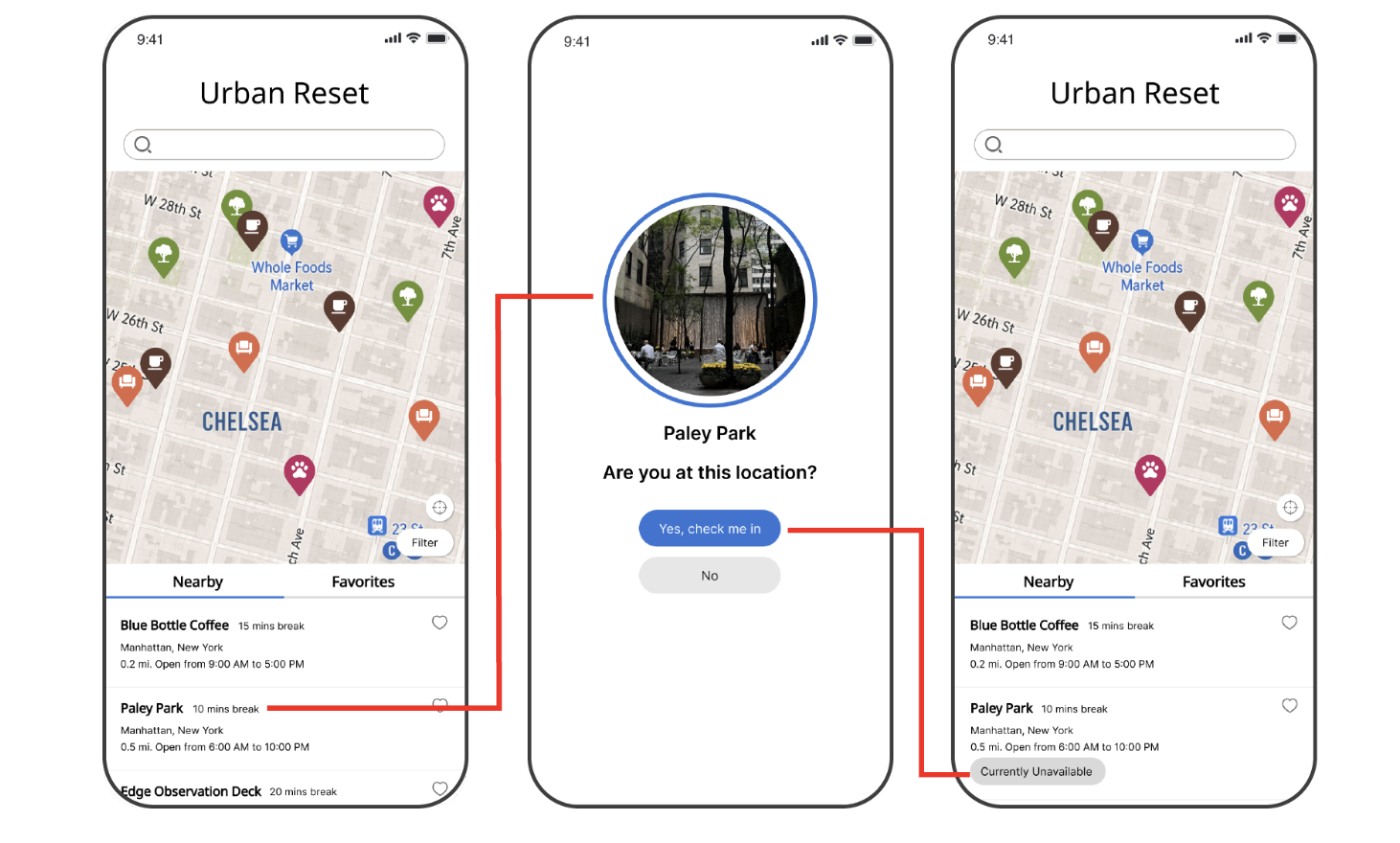
Through the Urban Reset app, users can locate nearby restorative spots, access key information, and receive guidance on how to engage with the space. Physical signage further supports accessibility on-site. To maintain a calm environment, the system dynamically manages visibility based on usage, preventing overcrowding and preserving the quality of the experience.
Together, the three projects in Qi’s thesis form an interconnected system that links internal states, environmental awareness, and urban infrastructure. Rather than encouraging escape, the project reframes the city as a space that can actively support attentional recovery. By enabling real-time self-regulation, informed navigation, and accessible moments of pause, the system offers an alternative to avoidance—helping individuals remain present, make clearer decisions, and gradually restore attention within complex environments.
Take a closer look at Qi Guan’s work here.