
Designing Everyday Energy: Reimagining Renewables in the Home
Guðrún Þöll Torfadóttir’s thesis Designing Everyday Energy: Reimagining Renewables in the Home explores how electricity can be generated within the home and how renewable energy can become more accessible in everyday life. Growing up in Iceland, where all electricity comes from renewable sources, Guðrún was surprised to discover that New York City, one of the world’s most powerful cities, still relies on fossil fuels to generate energy. Her thesis asks: how might renters in urban environments become active participants in the transition to clean energy while reducing their electricity costs?
“Climate issues are basically about one thing: removing
fossil fuels and replacing them with green energy.”
—Guðlaugur Þór, Former Minister of Environment, Energy, and Climate of Iceland
For Guðrún, the contrast between Iceland and New York revealed a larger challenge. While homeowners may have opportunities to invest in renewable technologies such as solar panels, renters often lack the space, resources, and decision-making power needed to adopt clean energy systems.
“How can renters in urban cities become part of the energy transition?” Guðrún asks. “They don’t have space and resources to put up solar panels. Can we reimagine generators in the home?”
New York is a city of renters. Many residents live in compact spaces they do not own, meaning they have little control over how their buildings source or use energy. Even if renters want to adopt renewable energy technologies, they often lack the physical space needed to accommodate them.
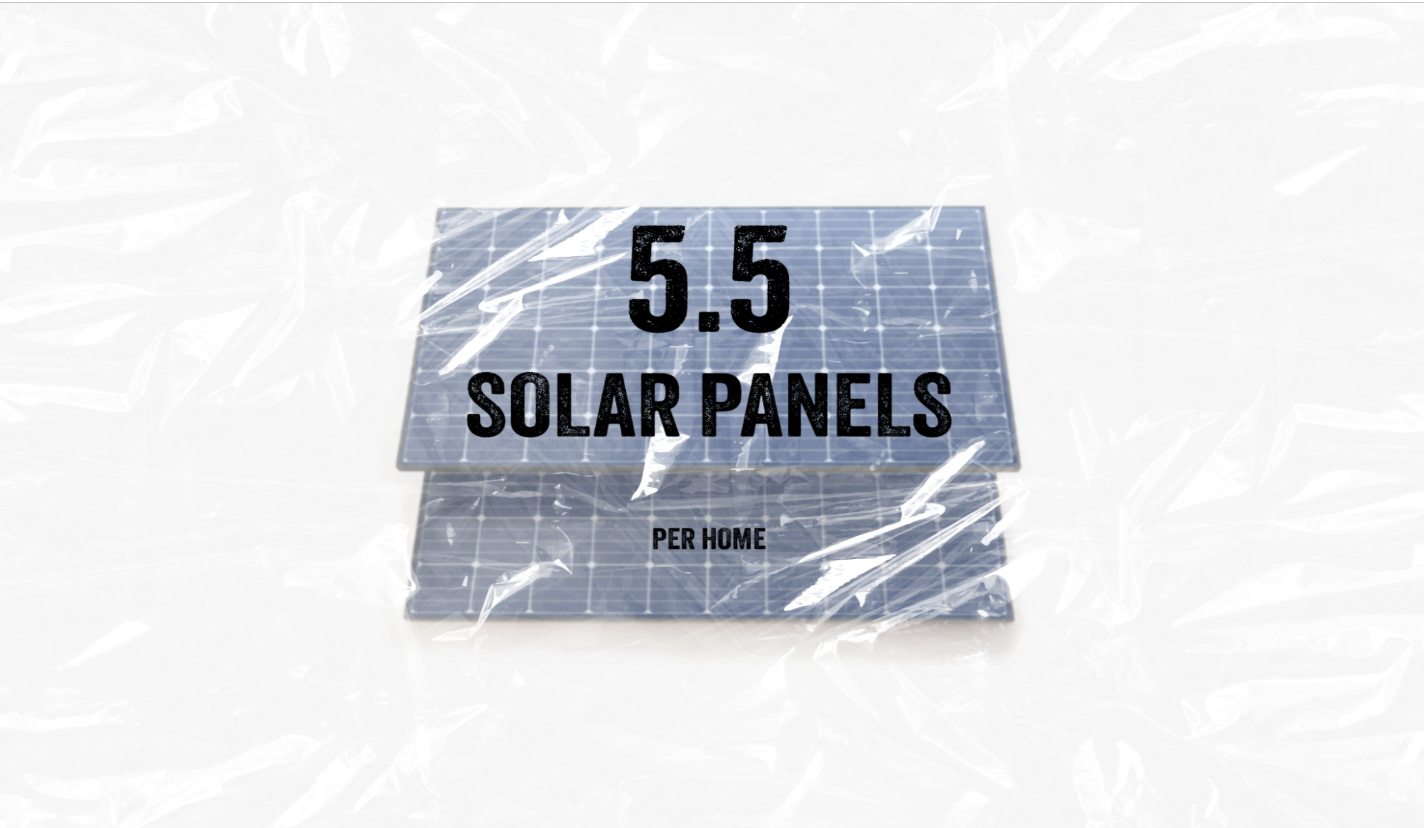
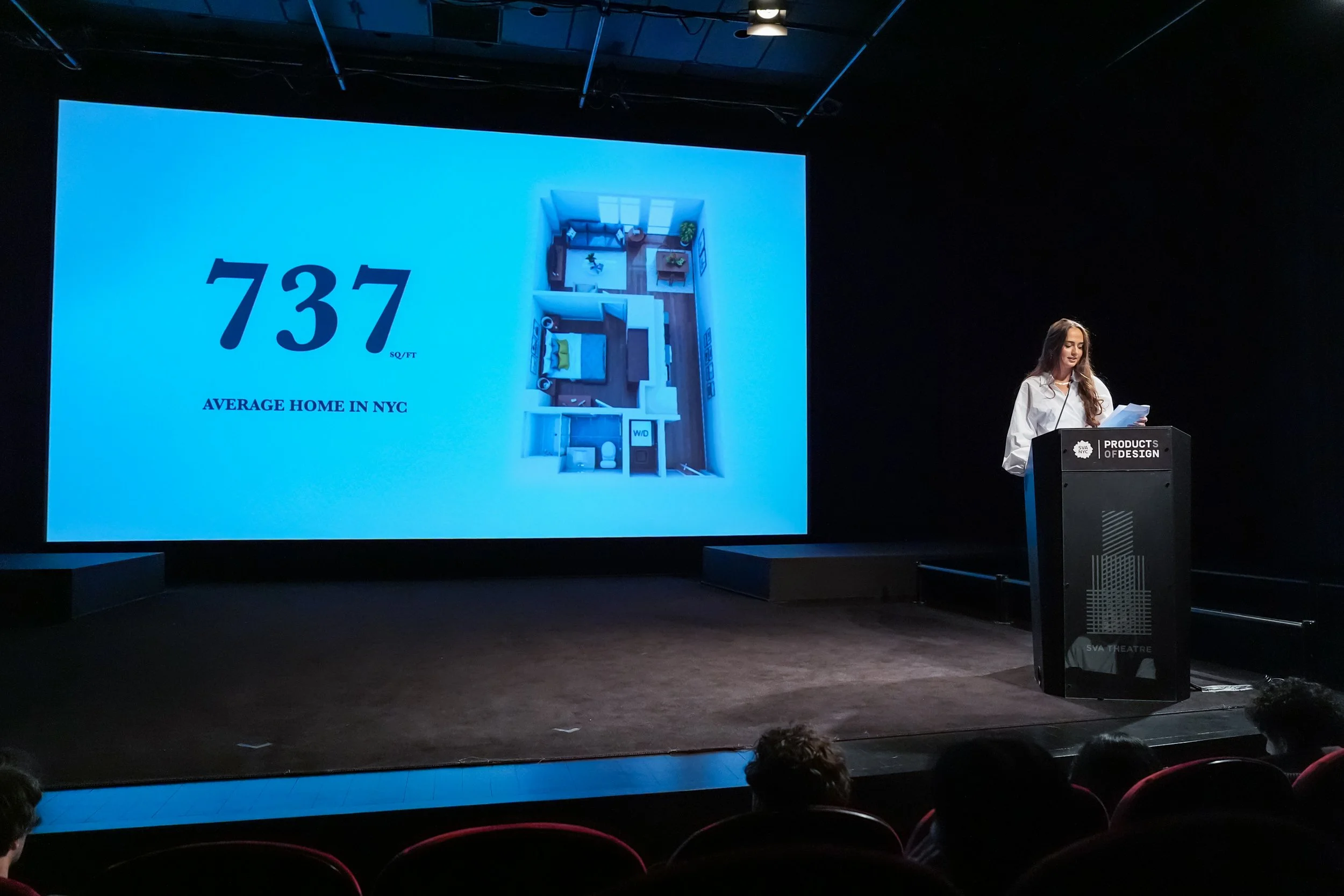
Solar panels remain one of the most common pathways into renewable energy, but they are not designed for dense urban environments. The average New York City home is approximately 737 square feet, meaning a renter would need roughly five and a half solar panels to power their home. Without access to roofs, balconies, or outdoor space, where could those panels realistically go?
“People don’t engage when systems are too complex or expensive”
—Guðlaugur Þór, Former Minister of Environment, Energy, and Climate of Iceland
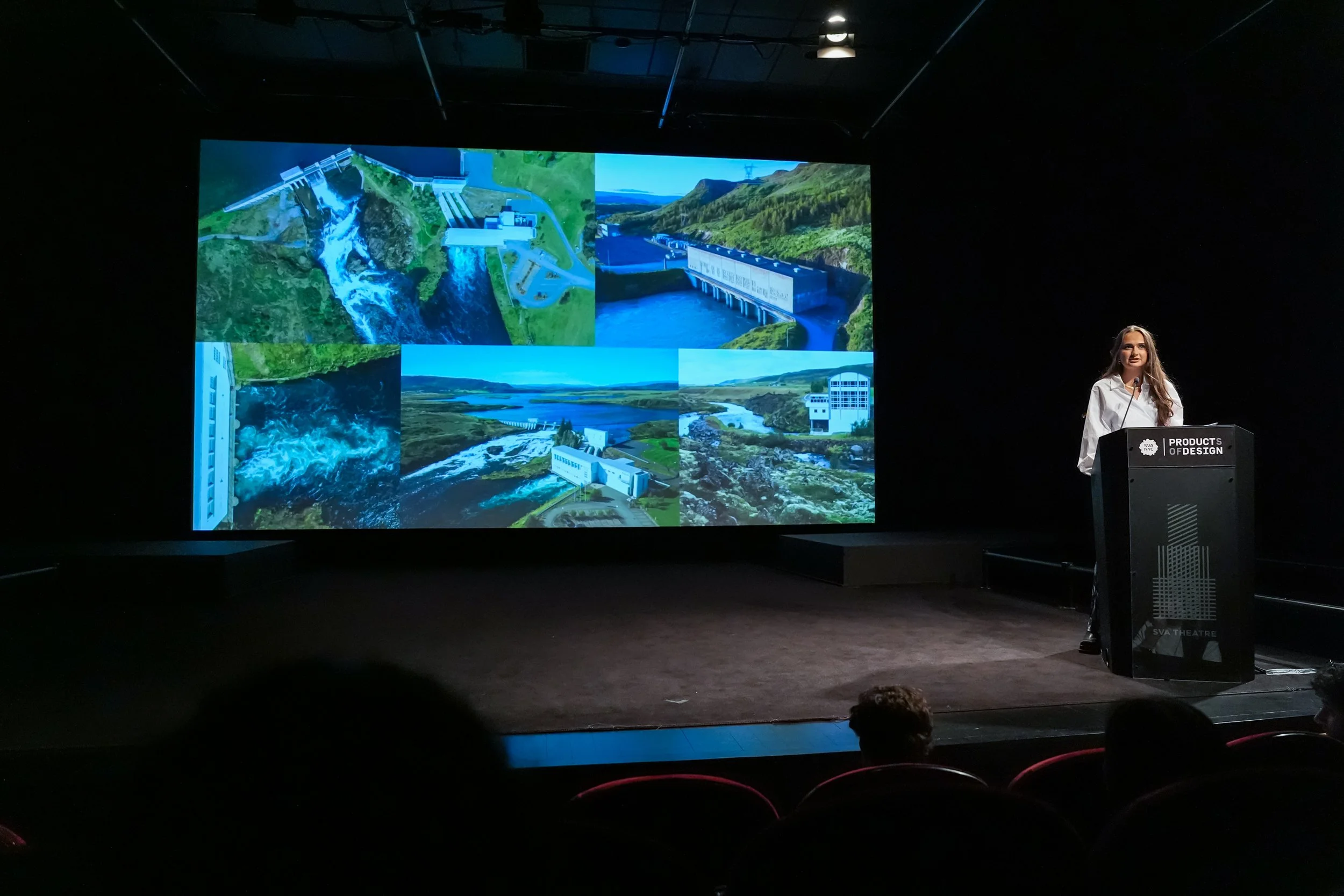
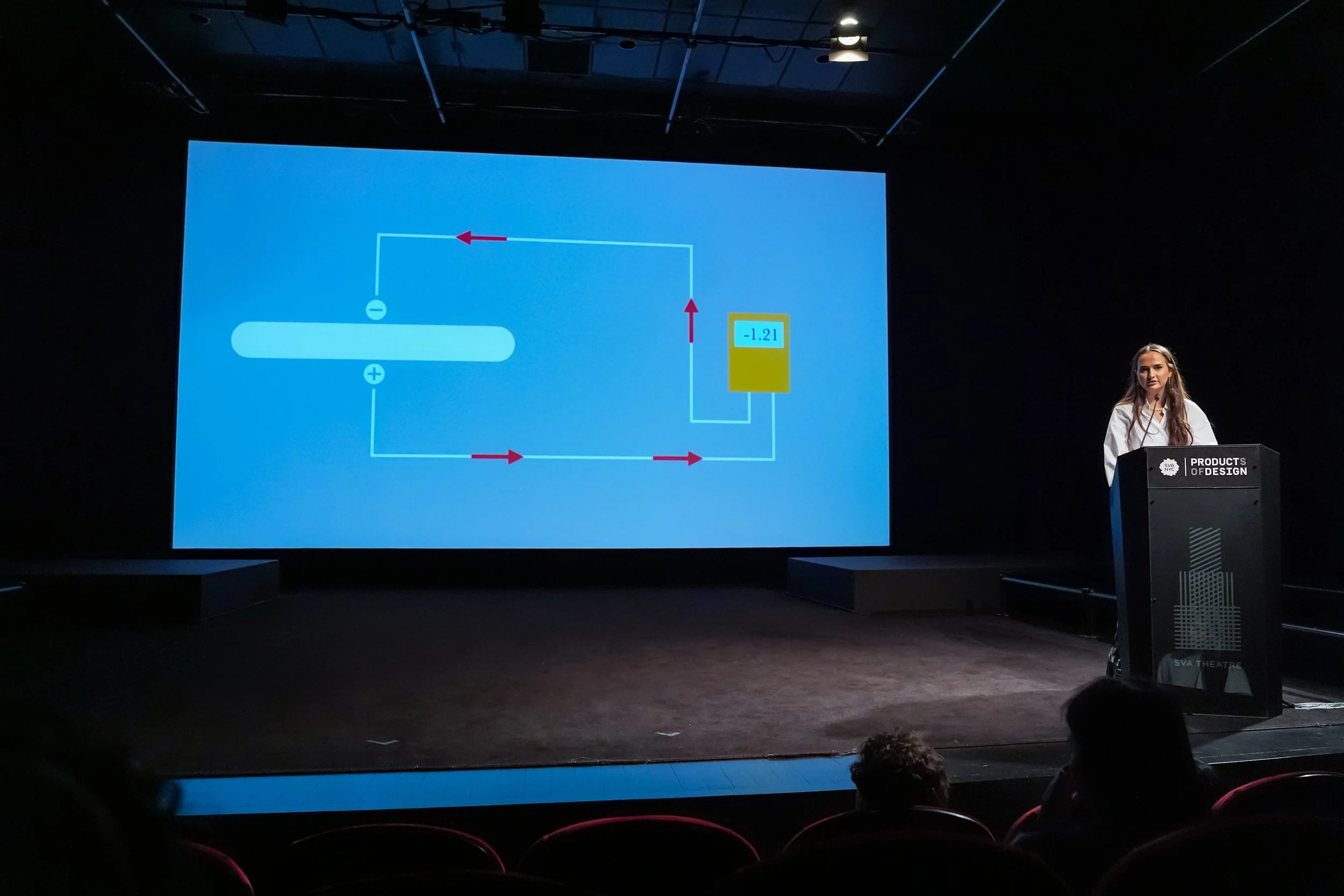


Renters are also unlikely to invest in permanent mechanical systems that improve a building’s energy efficiency. There is little incentive to pay for infrastructure they cannot take with them when they move. Solar installations often require significant upfront costs and professional installation, creating additional barriers for people living in rental housing.
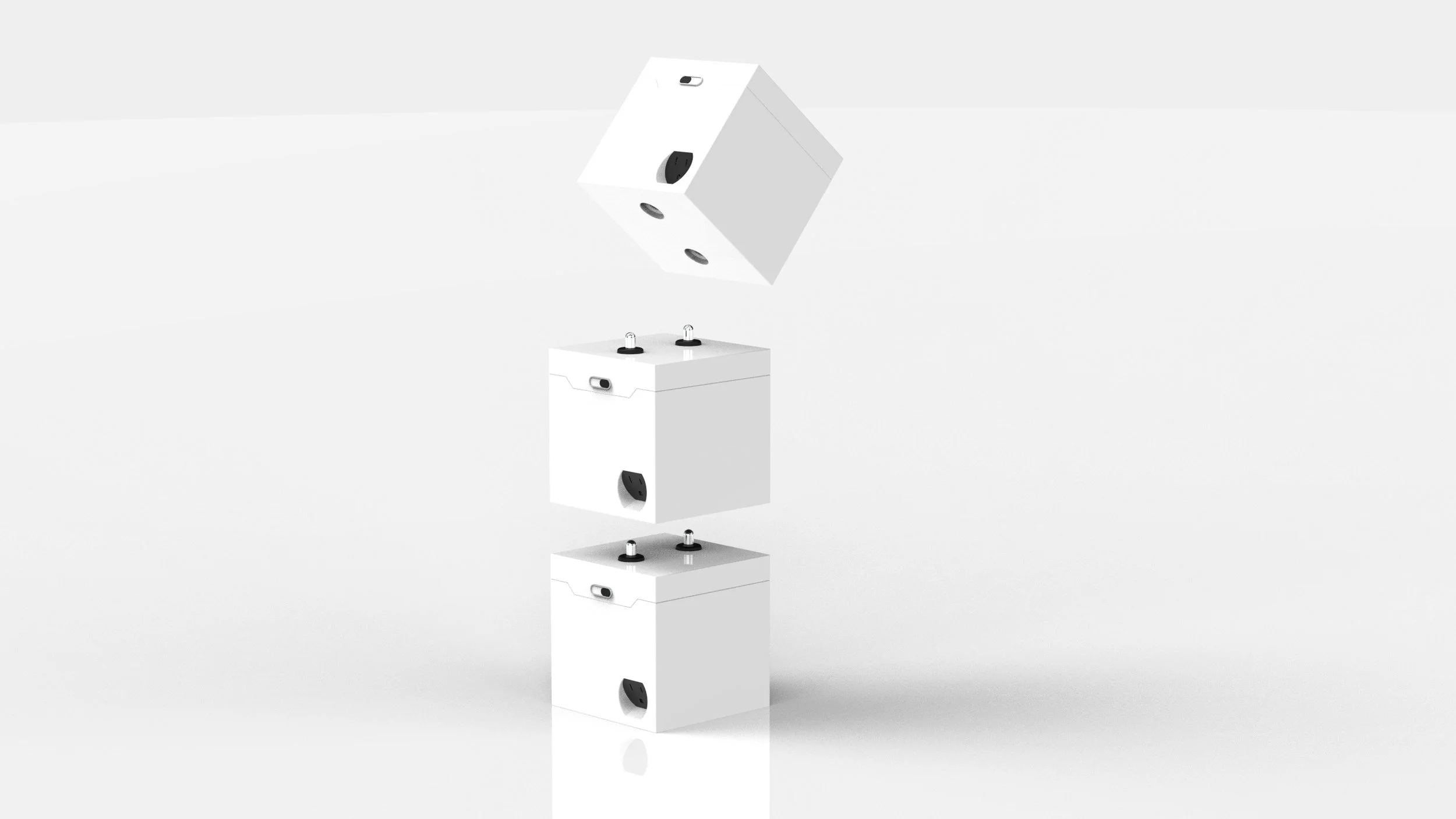
Battery Cube: Electricity Demand Shifter
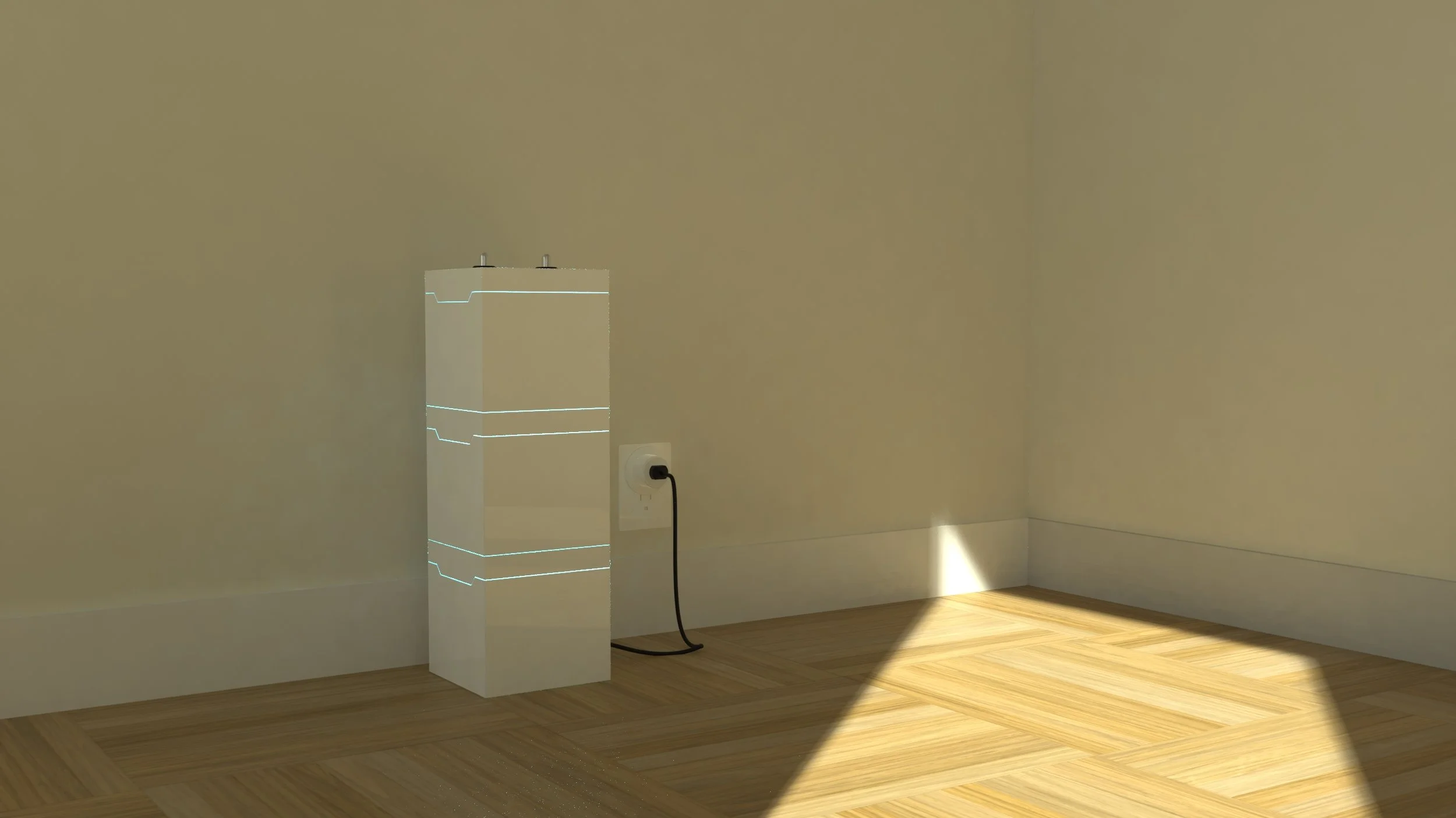
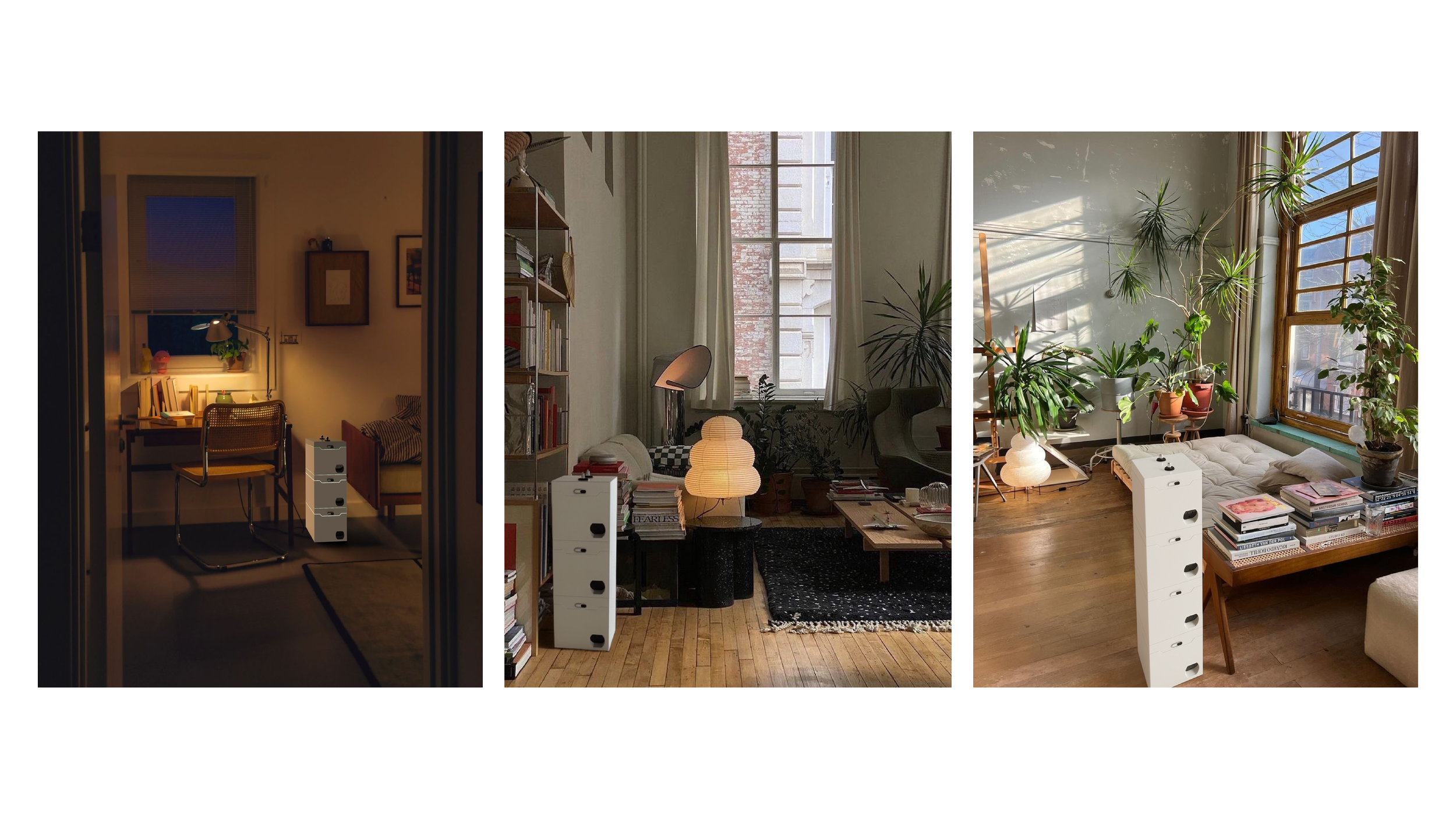
Battery Cube is a battery generator that harnesses electricity from the grid during the off-peak hours when electricity is the cheapest and charges the home during peak hours when it’s expensive, allowing users to save money on the difference.
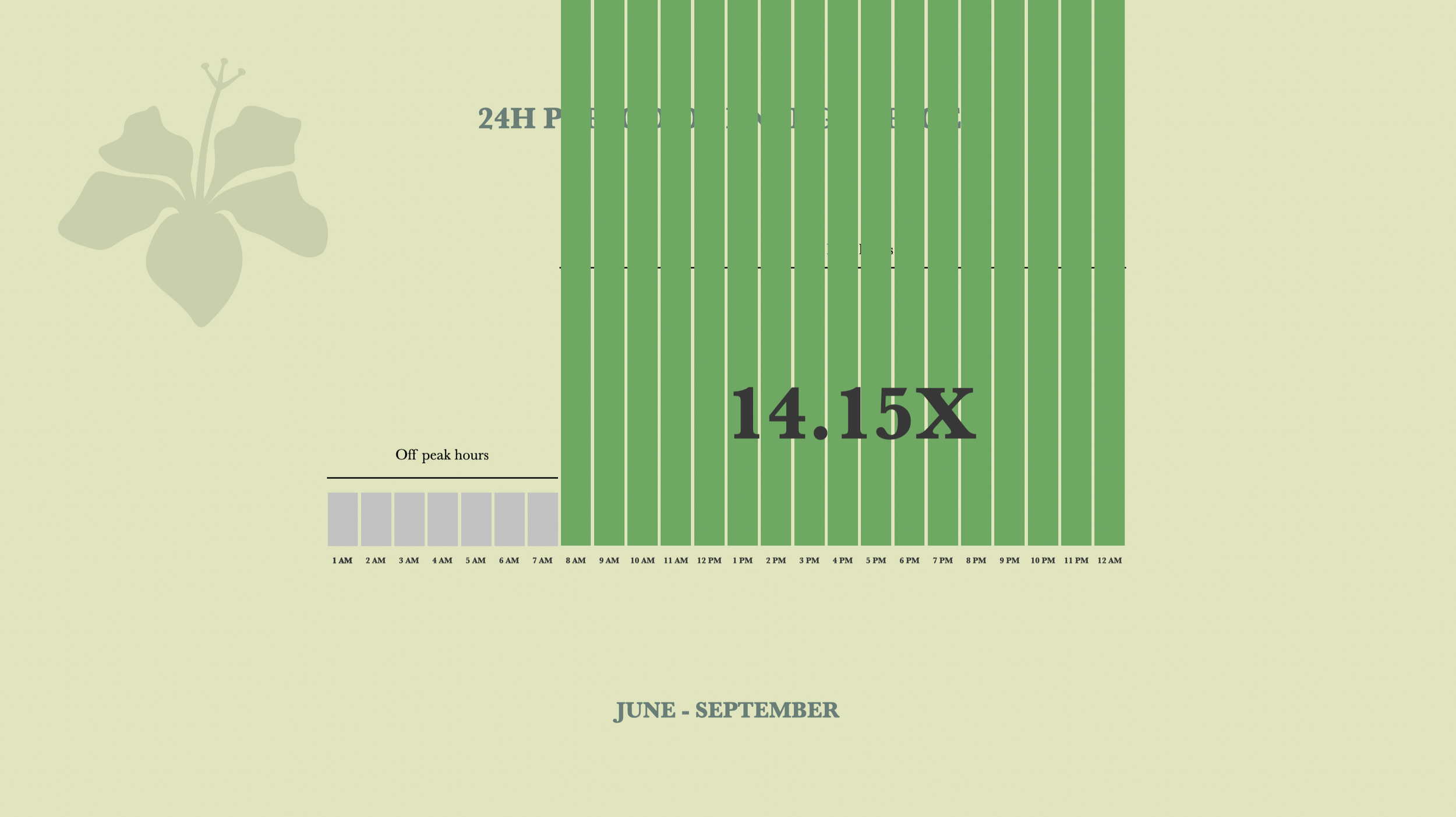
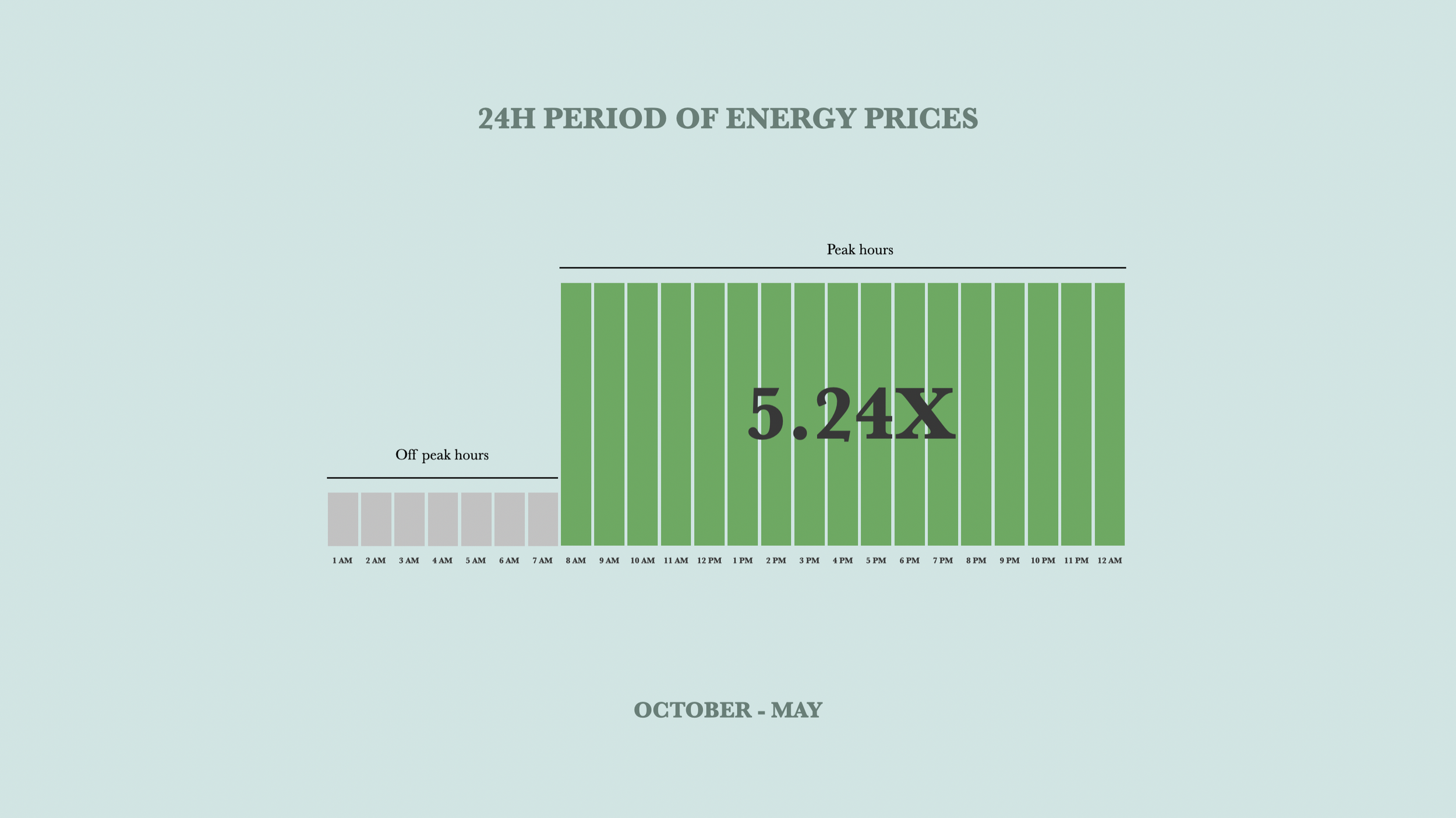
As Guðrún explains, electricity prices during peak hours can be 5 to 14 times higher than during off-peak hours.
The batteries come in an off-white color, designed to blend into the already crowded spaces of a New York home. Battery Cubes are stackable; that way, whether you live in a studio or a two-bedroom, the battery scales to fit your life.
Ruggi: An energy generating rocking chair
Ruggi is a rocking chair that generates electricity when rocked. The piezoelectricity is hidden in the rocker. When the chair is rocked, it puts force on the piezoelectric material, creating electricity. Ruggi is inspired by Danish midcentury furniture and shows that electricity generators can be integrated seamlessly into the home.

How might we capture electricity through the kinetic movement that already happens in our homes, while optimizing space efficiency? Guðrún explored all kinds of kinetic movement in the home, such as using doors, handles, sinks, and more. She kept coming back to one principle: Don't waste precious space. Guðrún had to design something that already existed in the home, and one of the most common pieces of furniture in the home is a chair. Since chairs can be rocked, Guðrún wanted to harness the motion to generate electricity.
The Ruggi chair uses piezoelectricity to generate electricity. When the chair is rocked, it puts force on the piezoelectric plates that are placed inside the rockers.
RAF: Power up nature with a hand-crank generator
Reflecting on her experiences growing up in Iceland, Guðrún wanted New Yorkers to experience energy as “alive and pure”—something tangible and connected to the natural world. This led her to create RAF, a hand-cranked generator nestled among moss that allows participants to generate their own electricity.
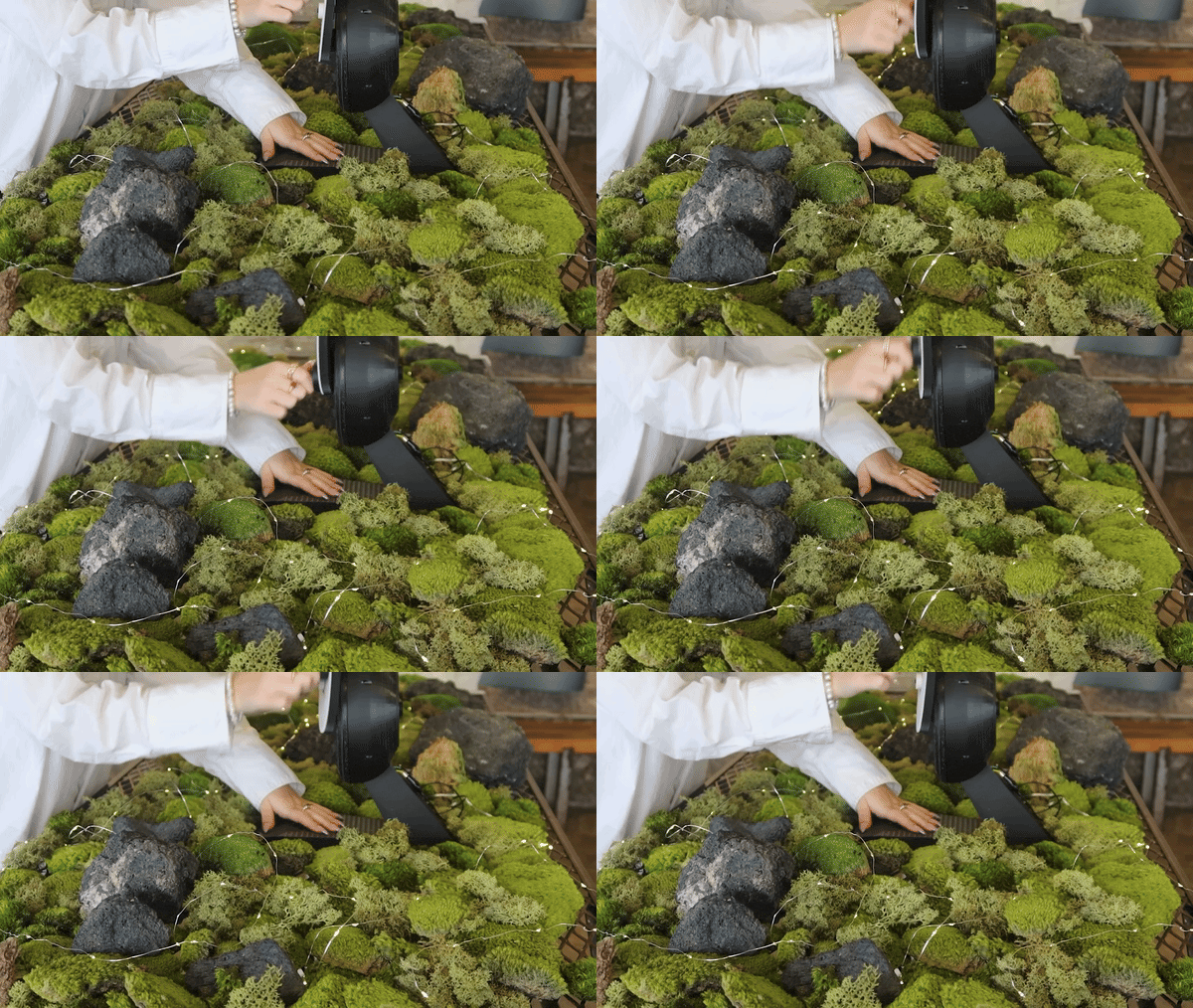
As users turn the crank, the generator powers a series of string lights woven through the moss, creating an immediate connection between human effort and energy production. The act of generating electricity becomes visible: you create the energy, and you watch it come to life.
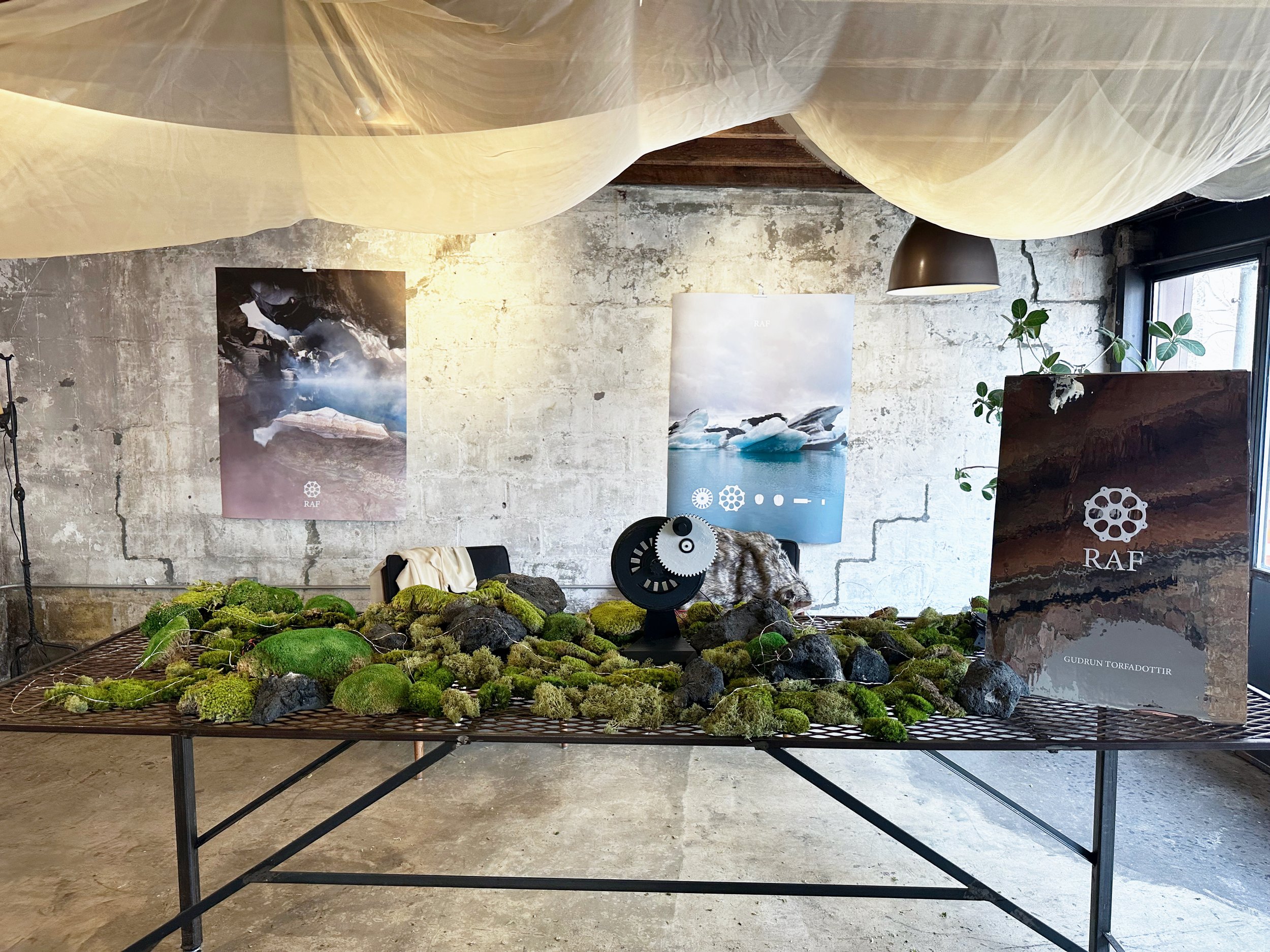
To build RAF, Guðrún returned to the fundamentals of energy generation. After sketching different forms for the device, she constructed the generator from scratch using basic components, including copper wire and magnets.
To learn more about Guðrún’s work, take a look at her projects in more detail at gudruntholl.com.