
From Compulsive to Conscious: Using Somatic Rituals to Rewrite Behaviors
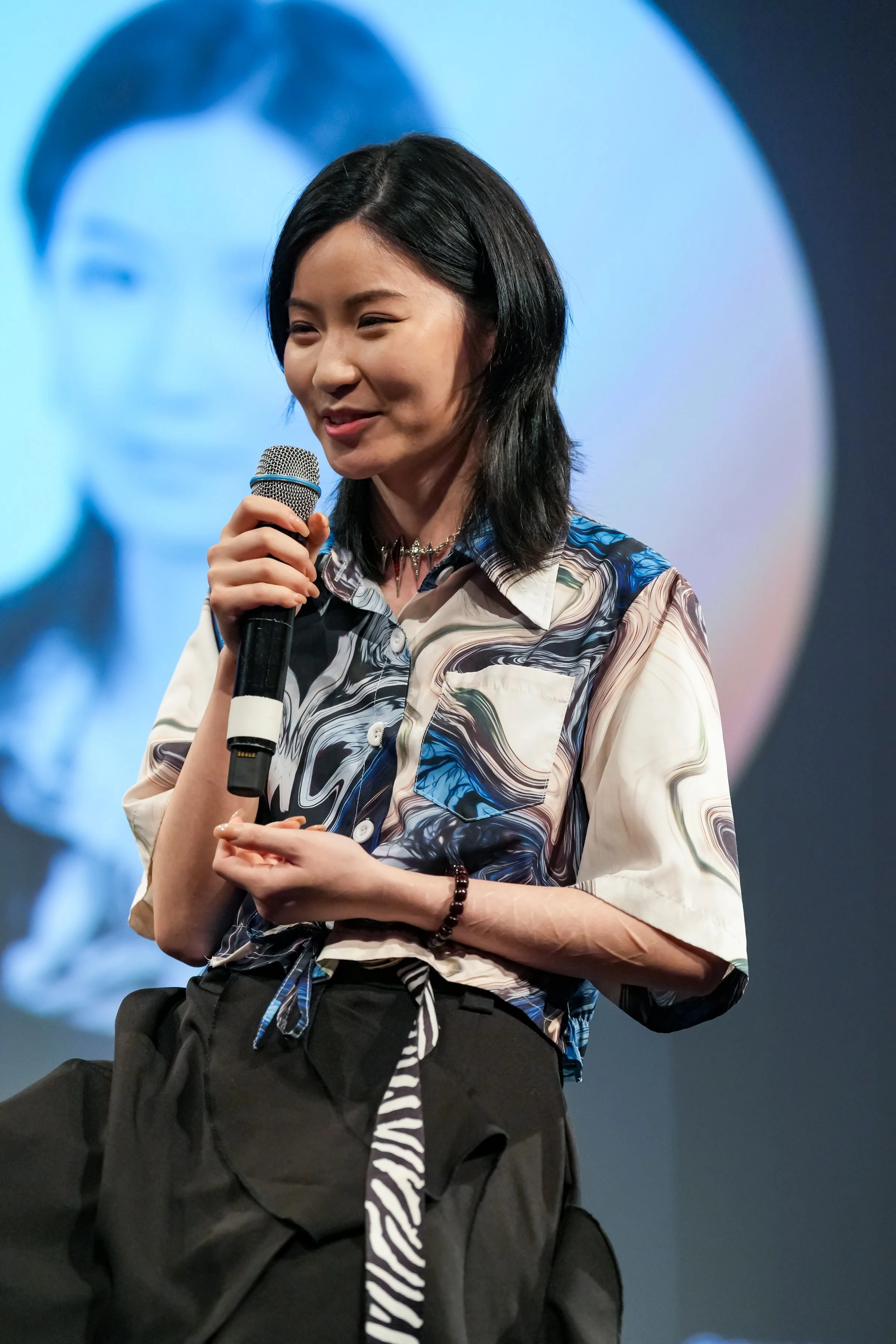
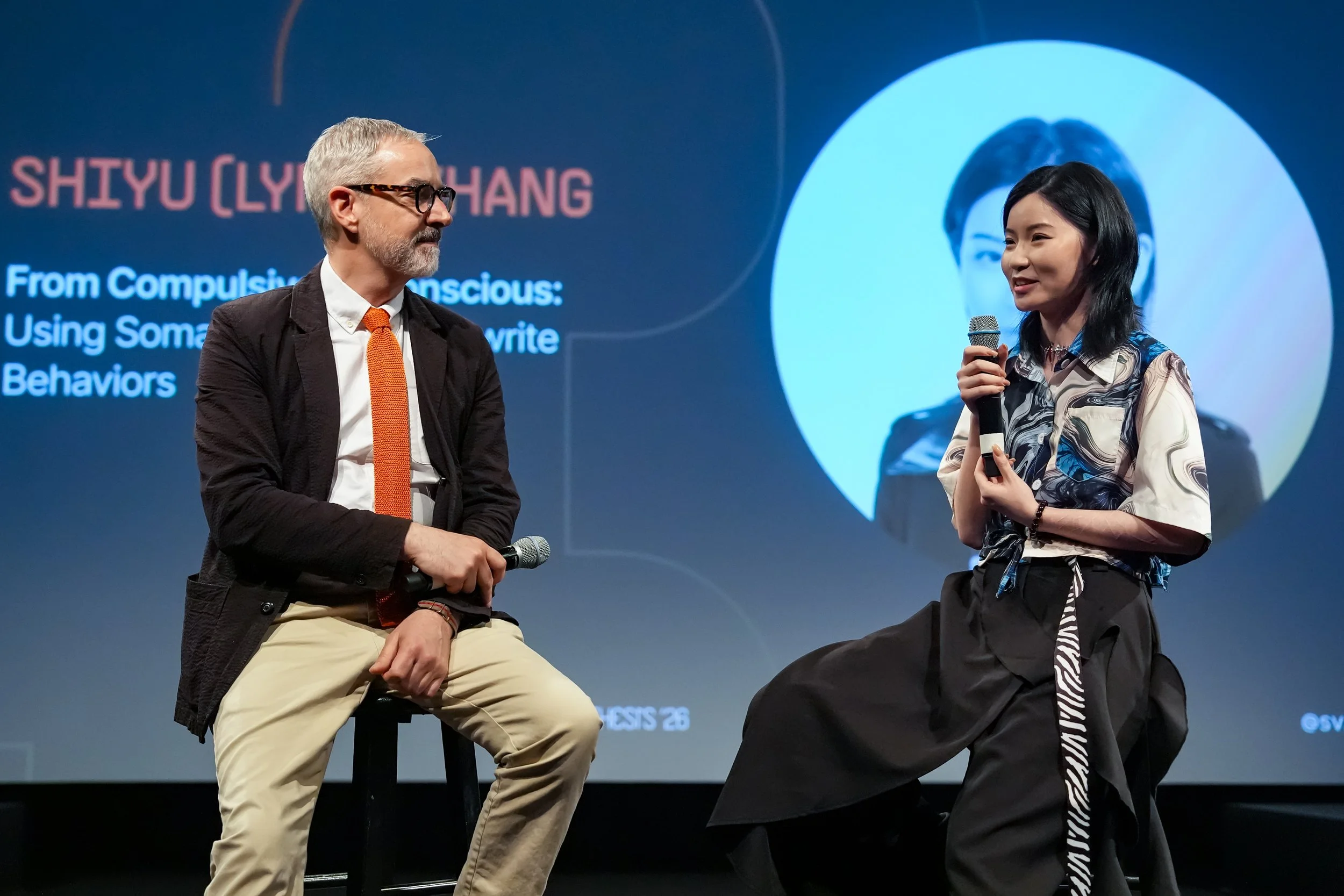
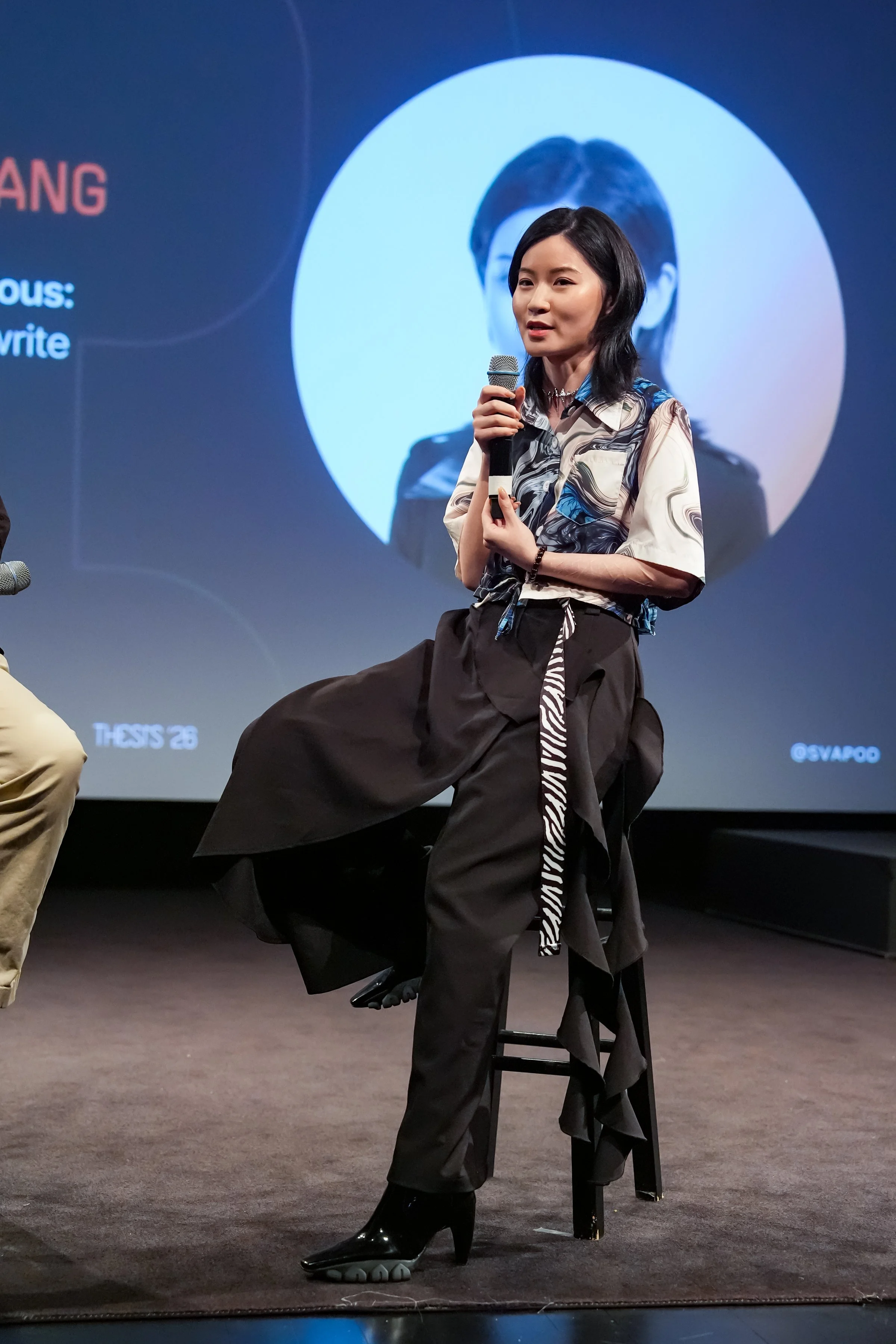
Lynn Zhang’s thesis, From Compulsive to Conscious: Using Somatic Rituals to Rewrite Behaviors, explores how design can transform the physical intensity found in compulsive behaviors into safer, voluntary, and meaning-making rituals. For Lynn, the project began with a contradiction: why do people sometimes deliberately seek physical pain? Habits like nail biting, skin picking, or hair pulling may seem minor, but they exist on a spectrum that can escalate into compulsive, addictive, or self-injurious behavior.
“The goal is not to erase the human desire for physical discomfort,
but to transform it.”
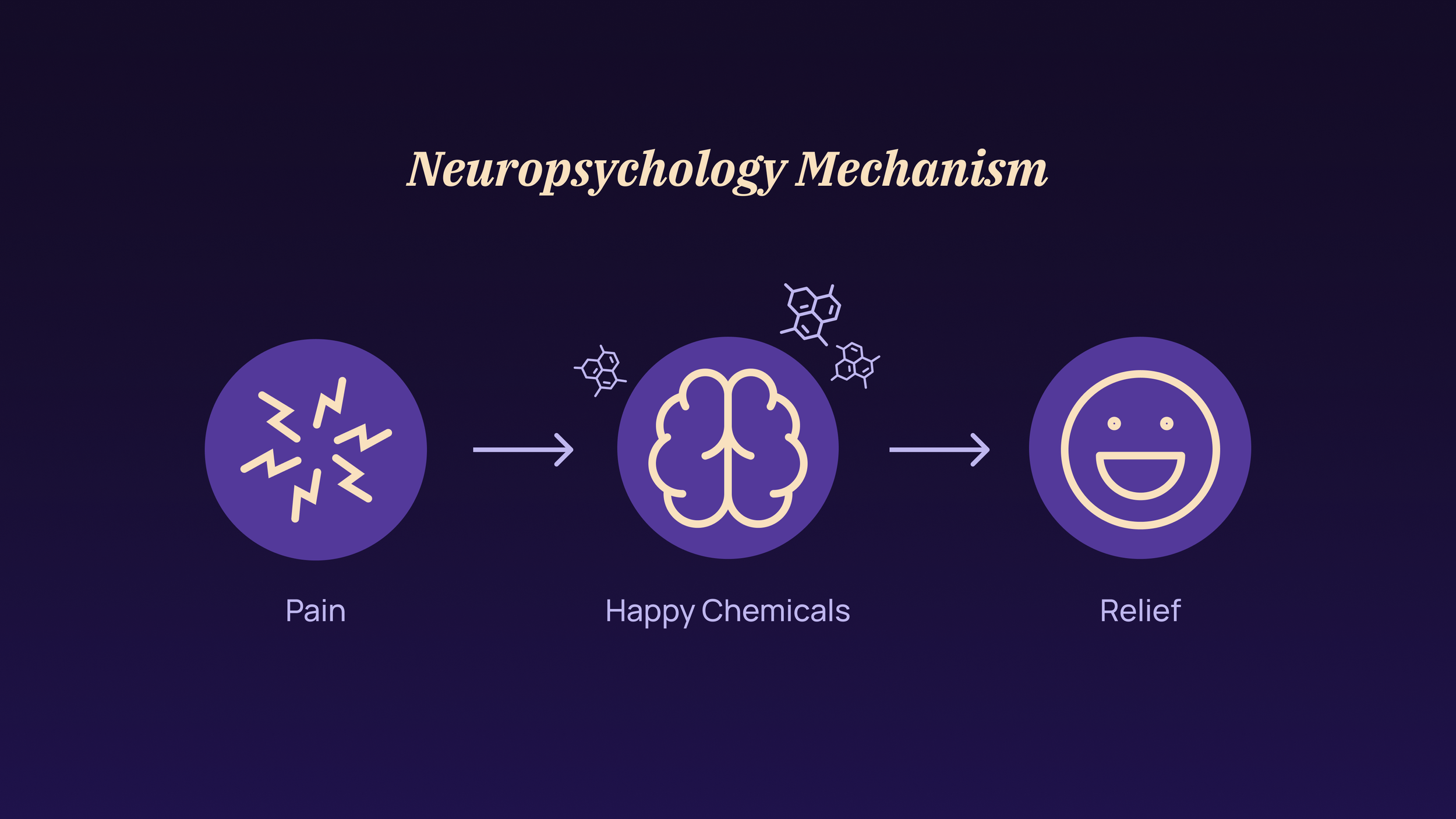
Through research in neuropsychology, Lynn identified a recurring pattern: pain can become a shortcut to relief. Pain-offset theory suggests that physical pain can trigger the brain to release chemicals that produce temporary relief. But when the negative consequences appear, people often feel shame or regret, creating more emotional stress and restarting the cycle.
Lynn’s thesis is organized around four moments in the compulsion loop: the urge, emotional overload, shame and regret, and long-term transformation. Each intervention responds to a different stage of that cycle. Together, they form a system of physical products, digital experiences, workshops, and services that rethink what support can look like before, during, and after a moment of losing control.

Underfur: A Workshop for Tactile Self-Recognition
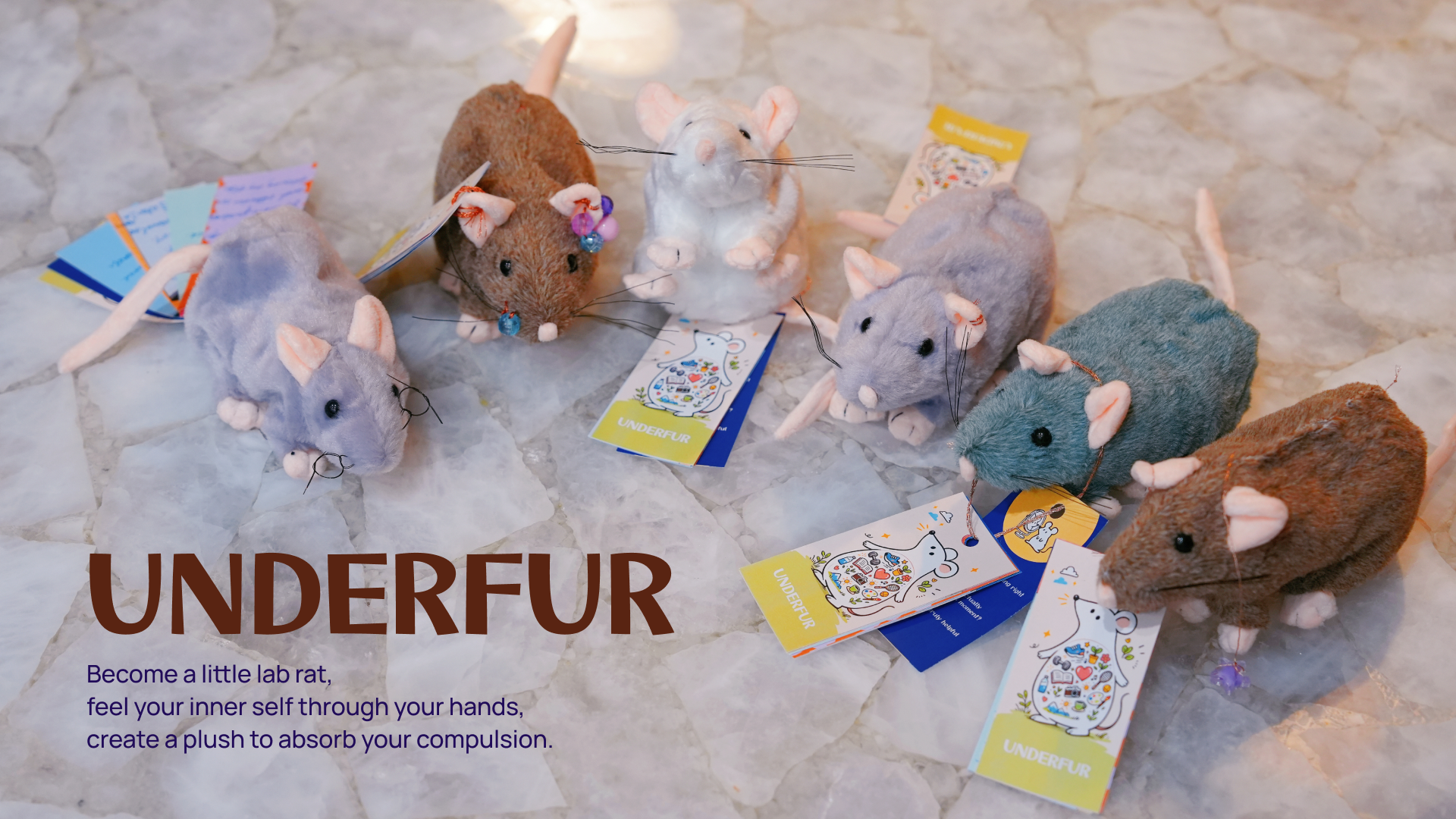
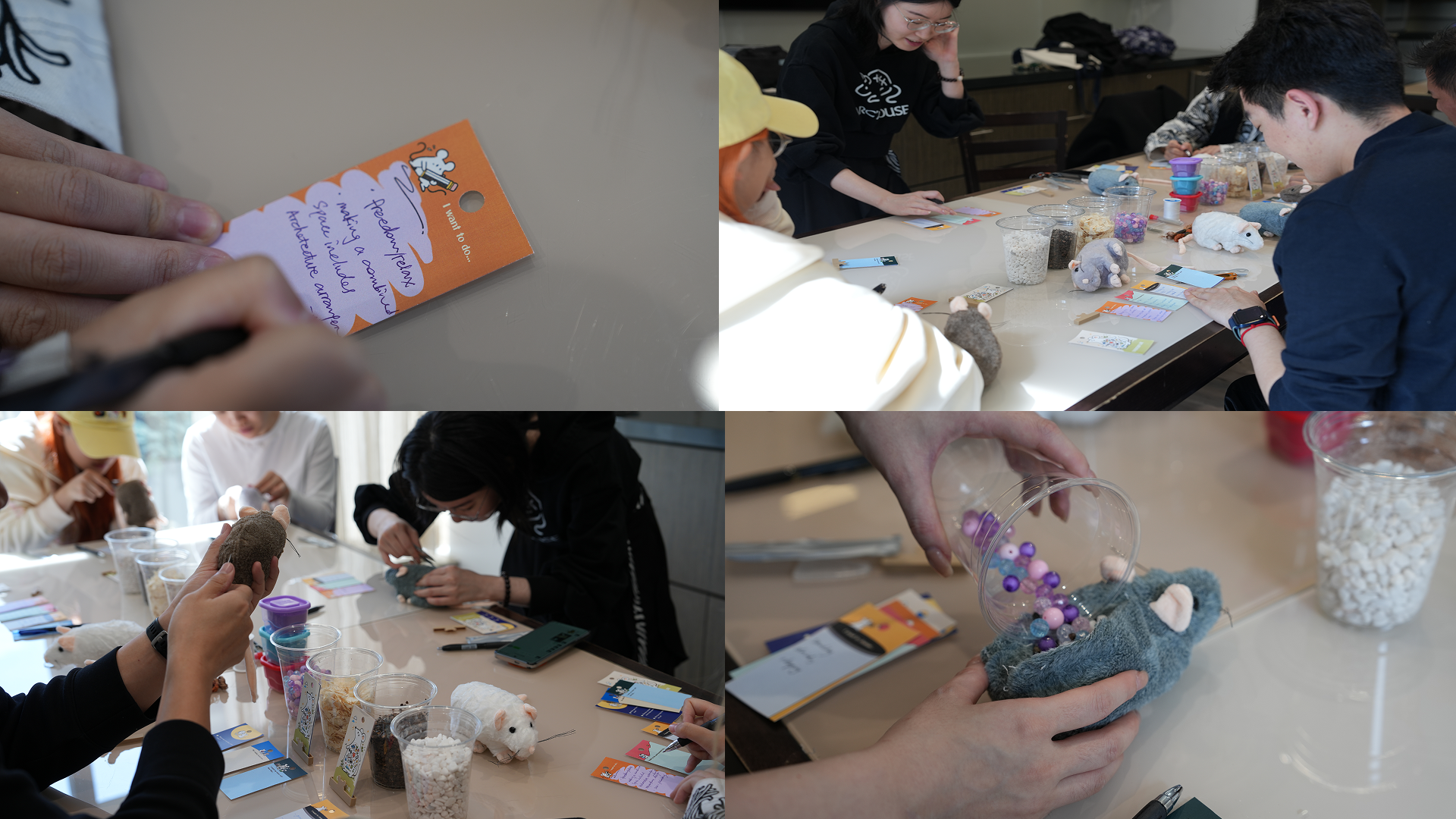
Lynn began by looking at how compulsive behavior is usually addressed: people are told to stop, replace the behavior, or follow coping strategies suggested by others. But not every strategy works for every person. When those suggestions fail, people can feel even more broken, undisciplined, or ashamed. Underfur is a hands-on workshop where participants reconstruct the inside of a plush lab rat. Through cutting, stuffing, stitching, and modifying, participants ask themselves: What do I actually need when I am overwhelmed? The process helps them identify coping strategies that feel more aligned with who they are, rather than following advice that may not fit.
The project draws from embodied cognition theory: when people work with their hands and interact with physical materials, they can sometimes move past external noise and internal overthinking, reconnecting with their own sense of value.
Sometimes, change begins simply with reframing intention. Understanding the reason behind a compulsion can reduce self-blame and create space for a different choice. As one participant reflected: “I know I can’t just stop a bad habit instantly, but the reflection I wrote down made me think about how to do it in a controlled way.”
Rune Exchange
The second intervention, Rune Exchange, addresses the stage of emotional overload — the moment when people may need support most, but verbal explanation can feel exhausting or impossible. Rune Exchange is a collaborative drawing app that turns the body into a canvas and emotional expression into a shared ritual.
To begin, users draw symbolic runes using elemental brushes such as fire or ice. These brushes use visual illusion to evoke imagined tactile sensations, allowing users to express pressure, heat, or numbness without having to explain the full story behind those feelings. When two users draw individually, they can see each other’s cursor movements in real time. They then exchange drawings, adding reflections and blessings to each other’s pieces and helping transform the drawings into shared symbols with personal meaning.
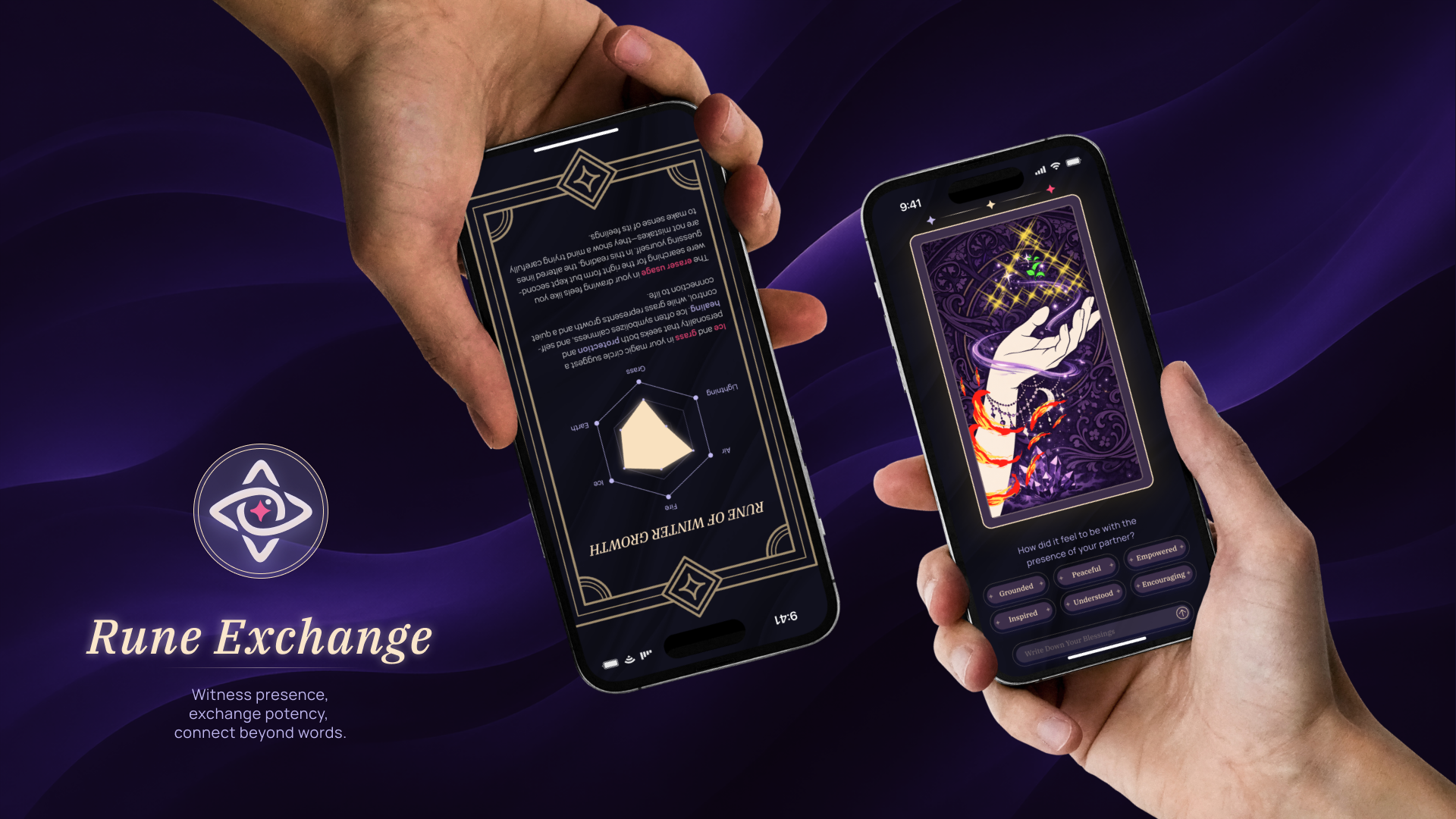
Lynn’s research also led her to spaces where people connect without needing to explain themselves: circus training, athletic practice, live performance, and other forms of embodied group activity. In these environments, presence, timing, and witness become their own language. Rune Exchange proposes emotional support as a form of co-presence: a shared field of marks, gestures, vibrations, and symbolic responses where users can be recognized before they are ready to speak.
Vowgrip
During testing, another question emerged: what happens if someone loses control before they have the chance to remember to use a tool? Many behavior-change tools assume users can pause, think clearly, and make rational decisions. But compulsive actions often happen before people fully realize they are entering the loop. In those moments, many interventions arrive too late.
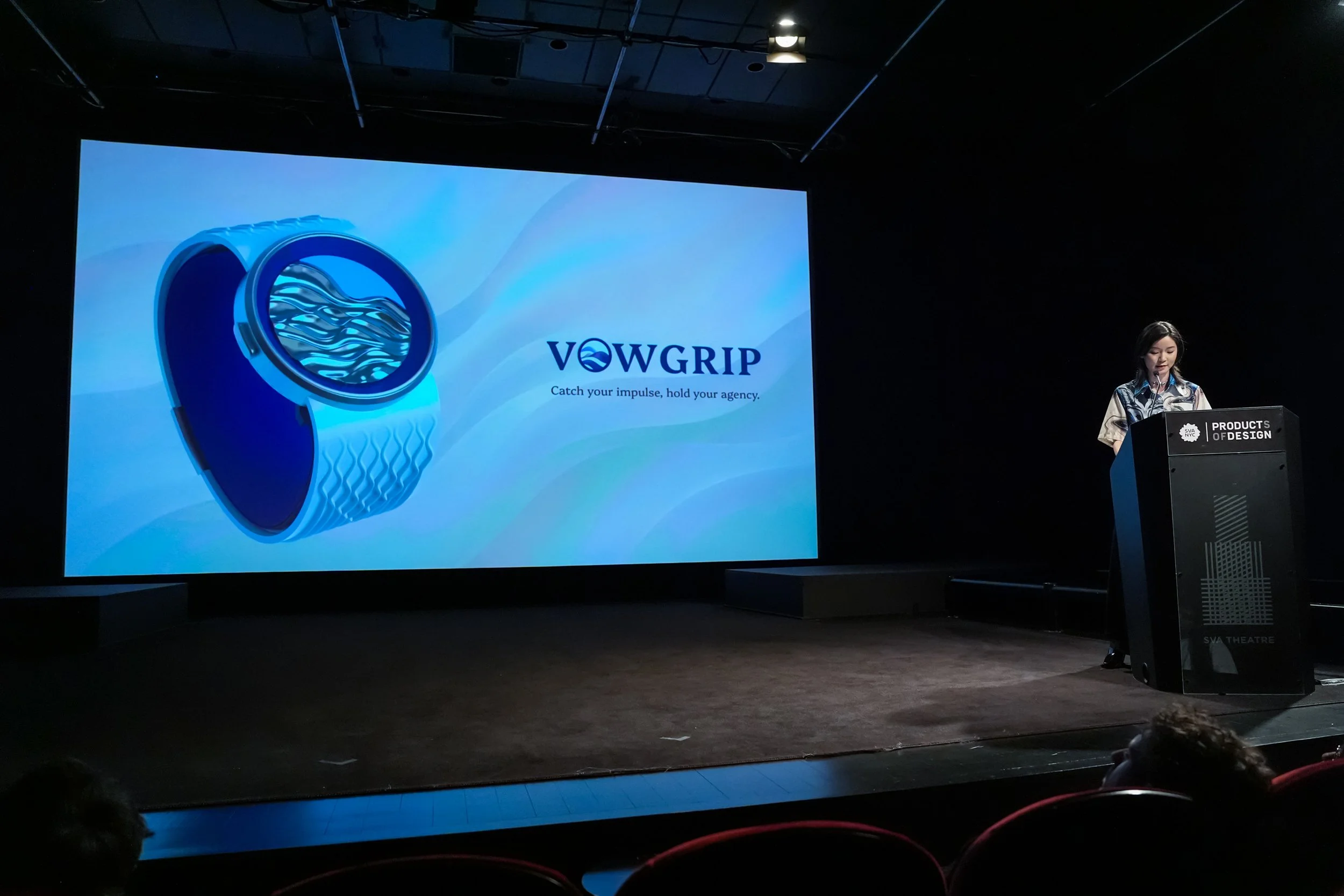
Vowgrip delivers intervention directly through the body. The band uses a subtle inflatable structure that tightens around the wrist, creating the sensation of an invisible hand stopping the action before it happens. It acts as an immediate physical signal that is safe, unmistakable, and difficult to ignore. The device also guides users to hold their own wrist. As they grip firmly, the textured surface presses into the skin, creating a sensation that is uncomfortable but grounding.
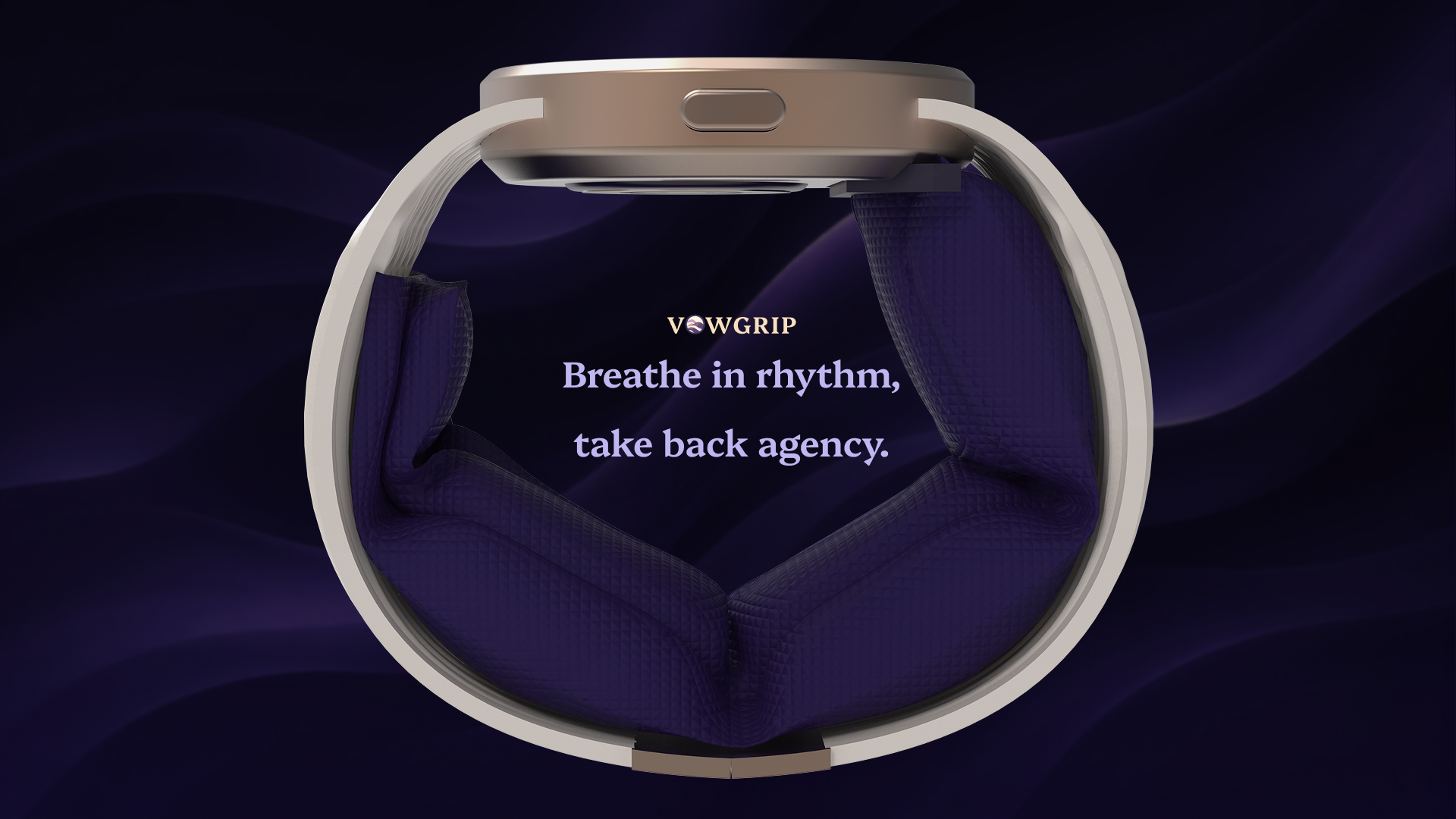
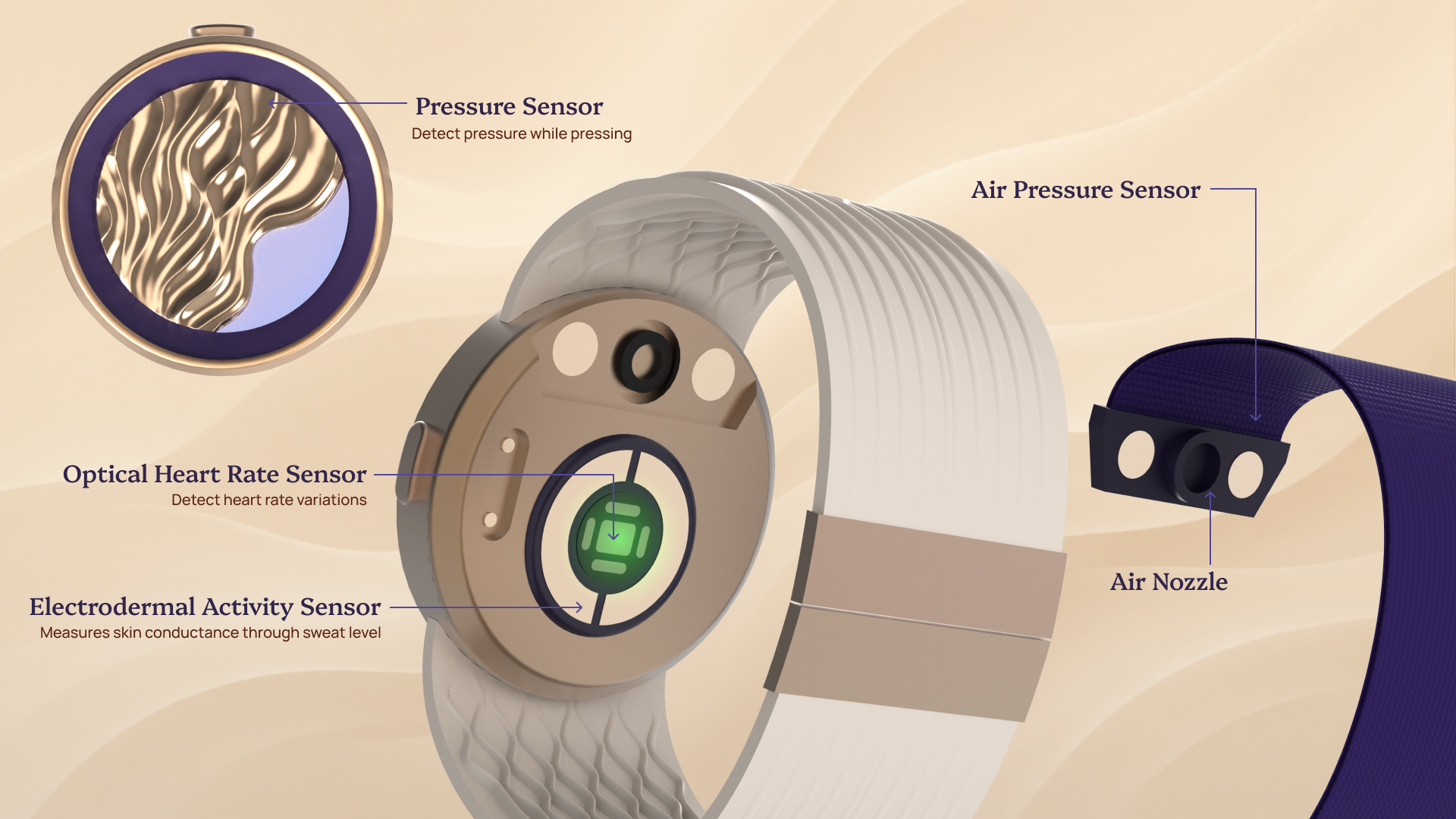
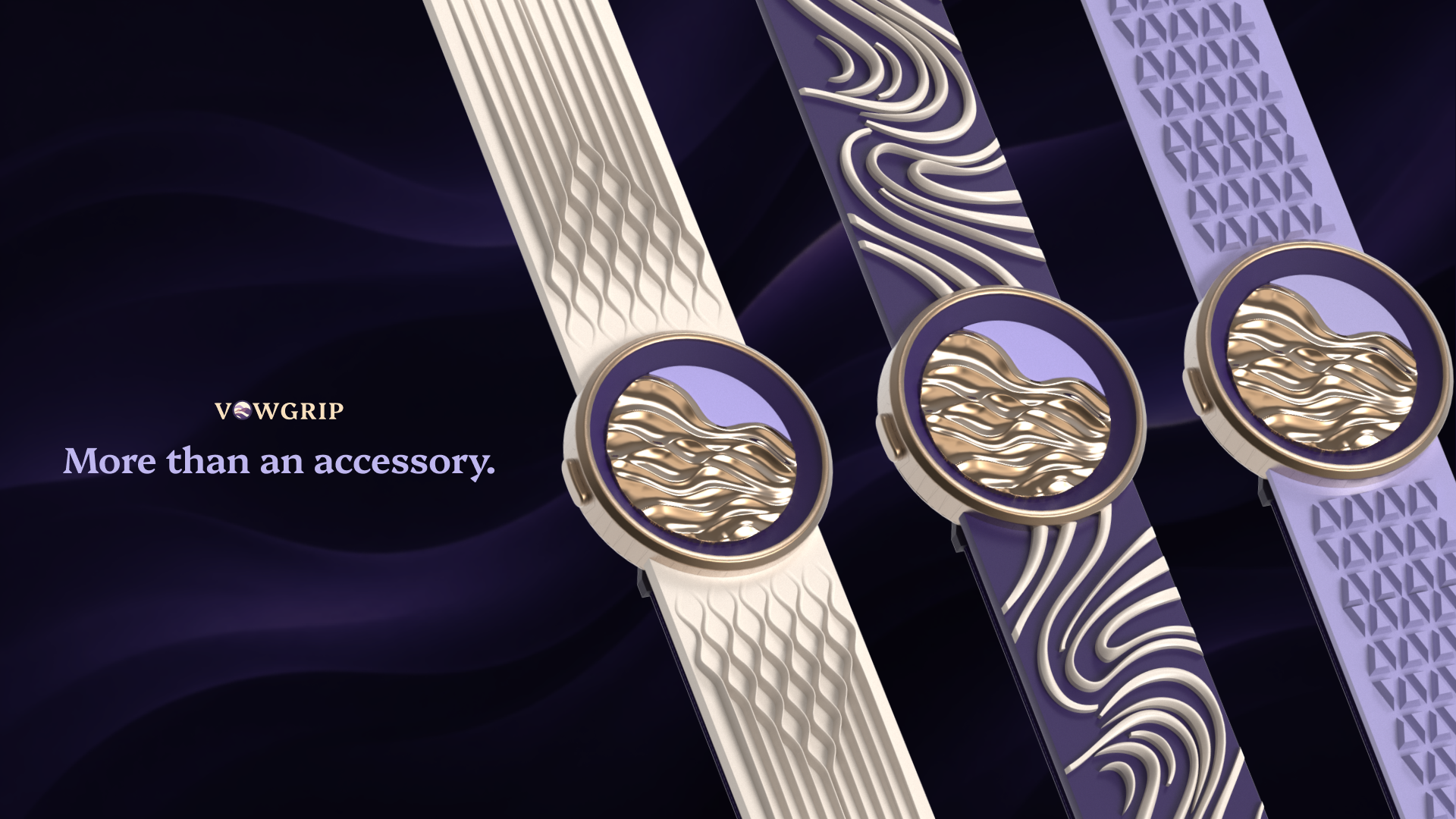
For Lynn, that gesture functions as a small ritual of interruption. Vowgrip uses the familiar site of the wrist to create something closer to a vow than a medical device: a wearable promise to return to intention.
Cagebreaker Club: A Membership Service
At the far end of the compulsion spectrum, some people seek stronger physical discomfort as a way of proving, I am still the owner of my body. Beneath that desire is not only pain, but agency: the need to break out of something repetitive, numbing, or restrictive. Cagebreaker Club transforms that search for discomfort into embodied adventure.
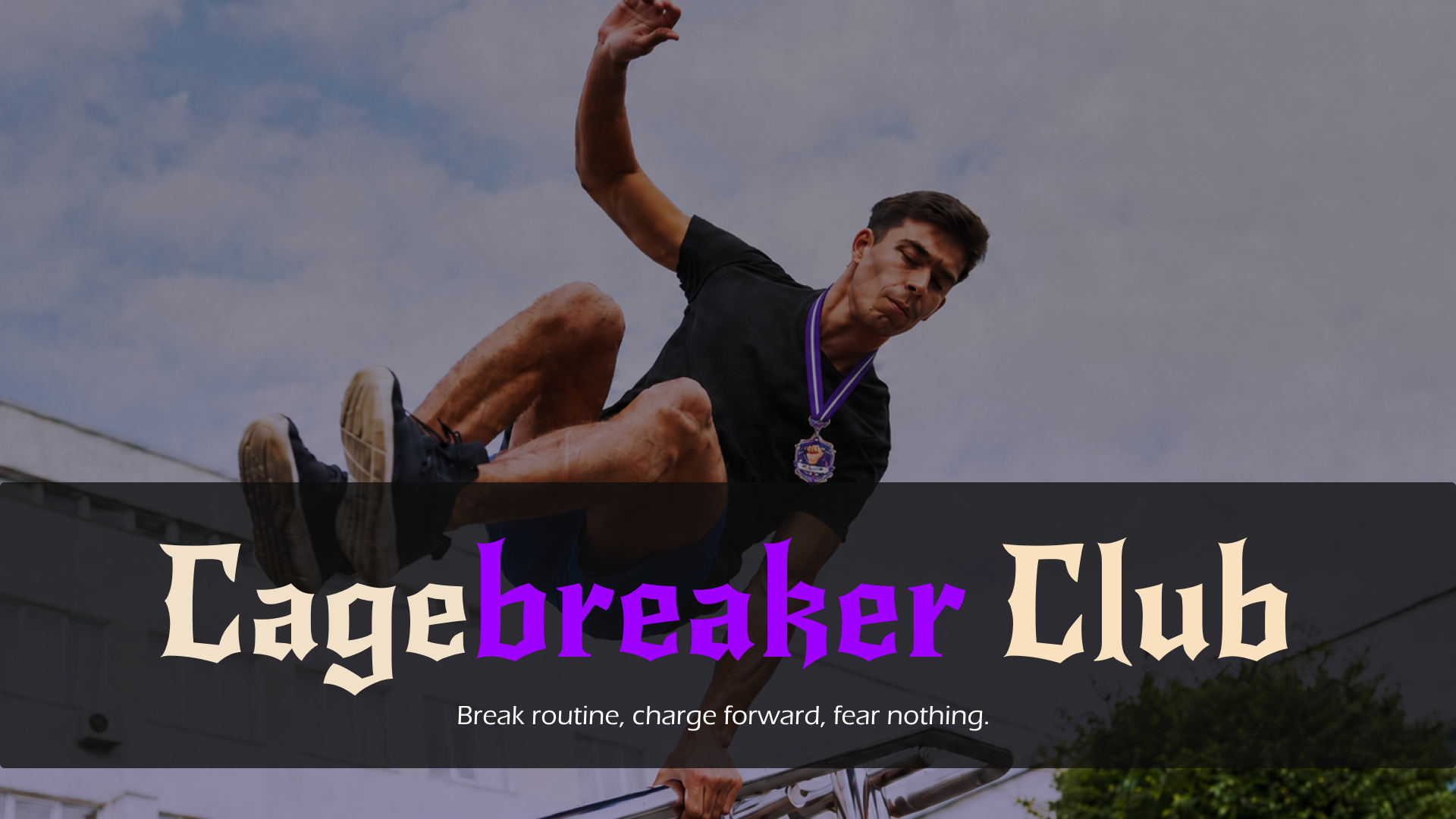
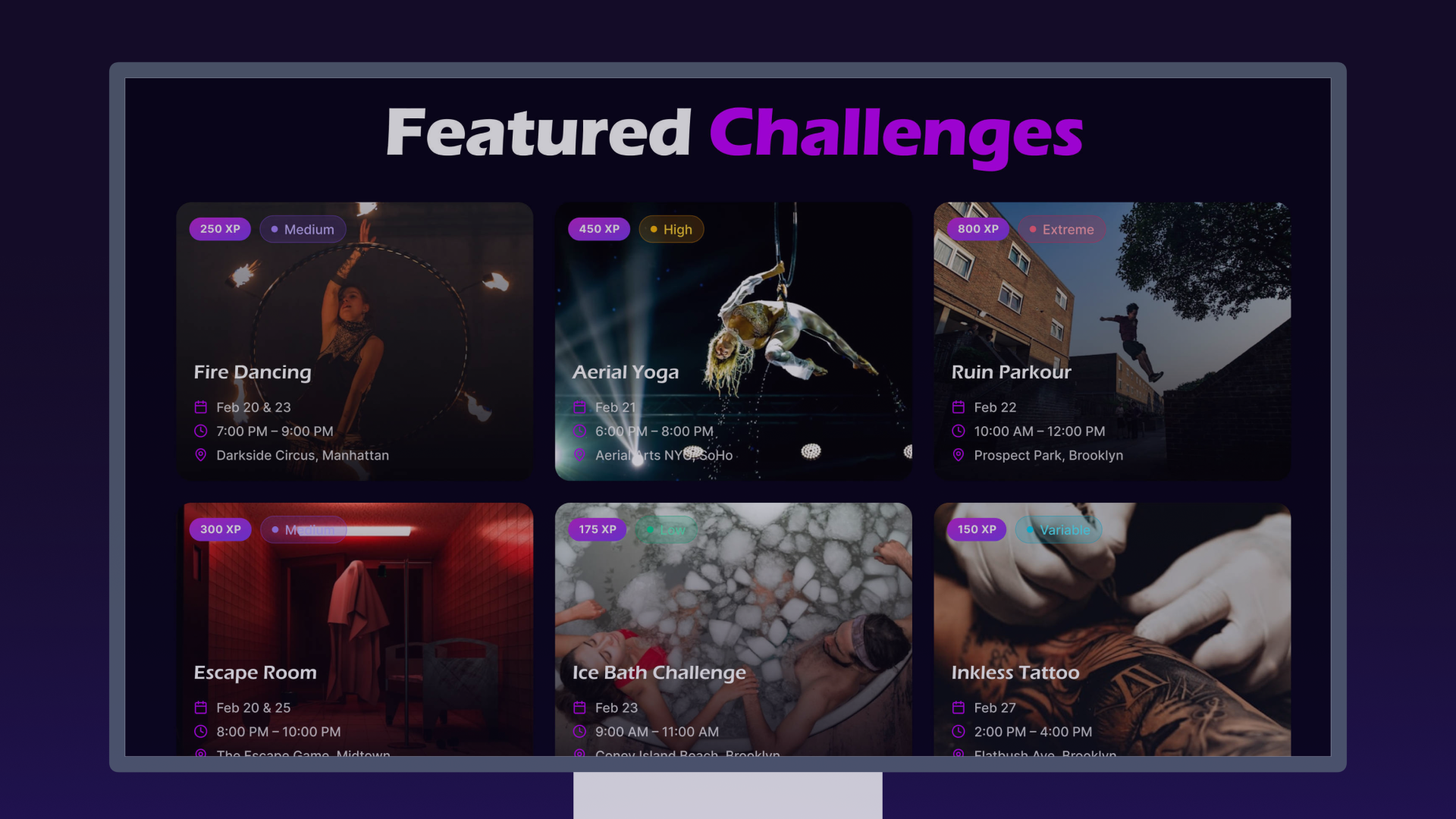
The membership-based service invites people to explore niche physical experiences through guided weekly challenges, including fire dancing, inkless tattooing, circus training, and other practices that may initially feel intimidating but become approachable through structure and support.
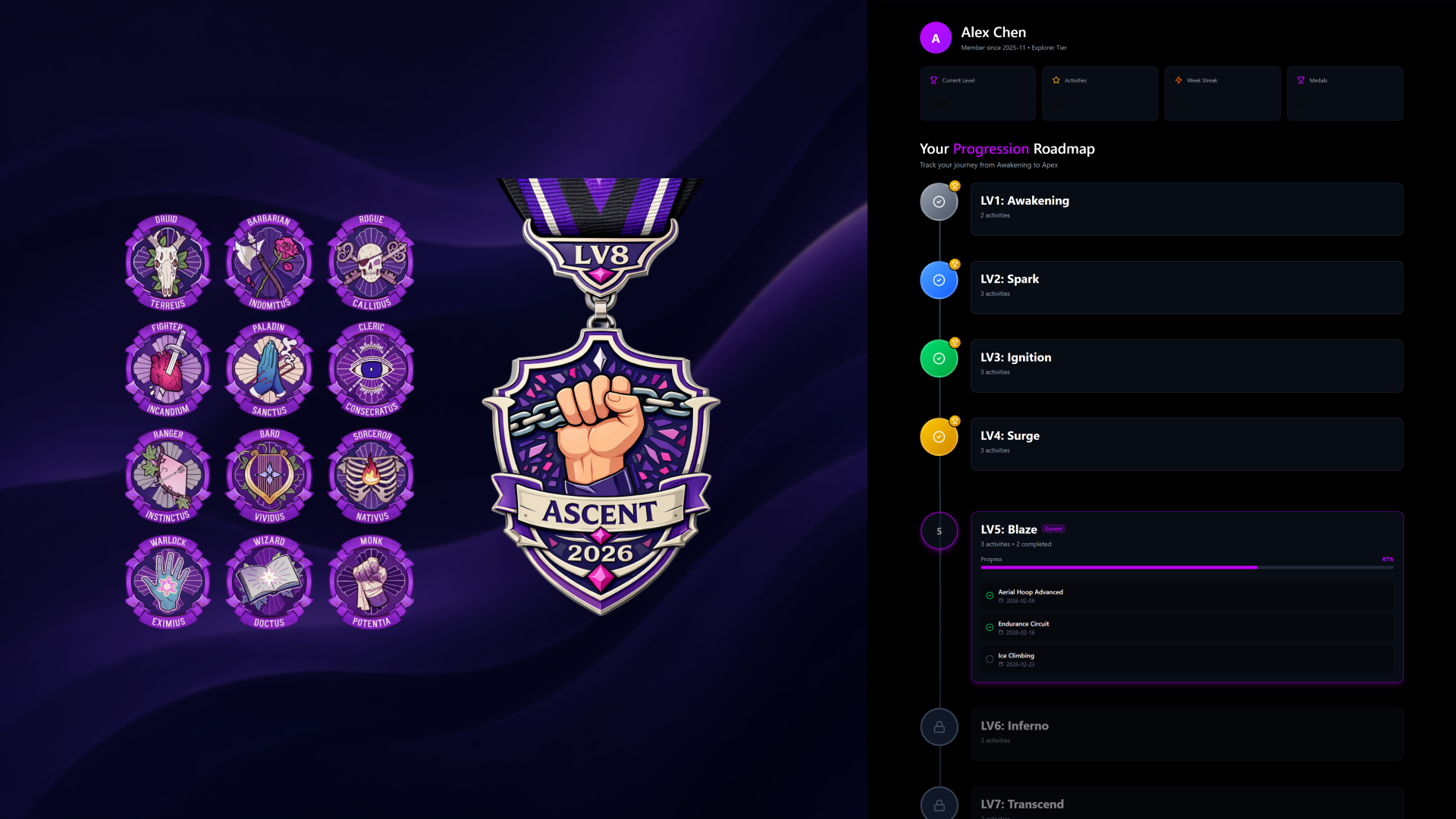
Cagebreaker members begin at an entry level guided by coaches or certified instructors. As they complete challenges, they earn badges, points, and access to more advanced levels. These milestones become evidence that discomfort can be redirected into training, confidence, and forward movement. Cagebreaker Club turns the private loop of compulsion into a pathway back toward the world.
Designing Rituals Around the Body
Across the four interventions that make up her thesis, Lynn reframes compulsive behavior as a misdirected search for agency, sensation, and proof of aliveness. Design, in turn, can give that search another form: ritual.
“Ritual is compelling because it shares certain structural similarities with compulsion or addiction—repetition, sequencing, physical action—while remaining intentional,” Lynn shares. “Ritual can help people reconnect with beliefs or values that already exist within them, while design creates conditions for those beliefs to become conscious and actionable.” From Compulsive to Conscious proposes another way out of the cycle: transforming physical discomfort into self-value, resonance, agency, and adventure. Through somatic rituals, the body becomes the place where the loop can begin to change.
Take a look at Lynn’s work in more detail, and follow her research reflections on Medium.