
Social Innovation Design Student Projects
Check out some of our featured social innovation design student projects below.
For the latest projects and department news, take a look at the department blog!

On February 9, 2022, MFA Products of Design was pleased to host a guest lecture by writer, educator, and advocate Sara Hendren. Sara is a humanist in tech—an artist, design researcher, writer, and professor at Olin College of Engineering. Her book What Can A Body Do? How We Meet the Built World explores the places where disability shows up in design.
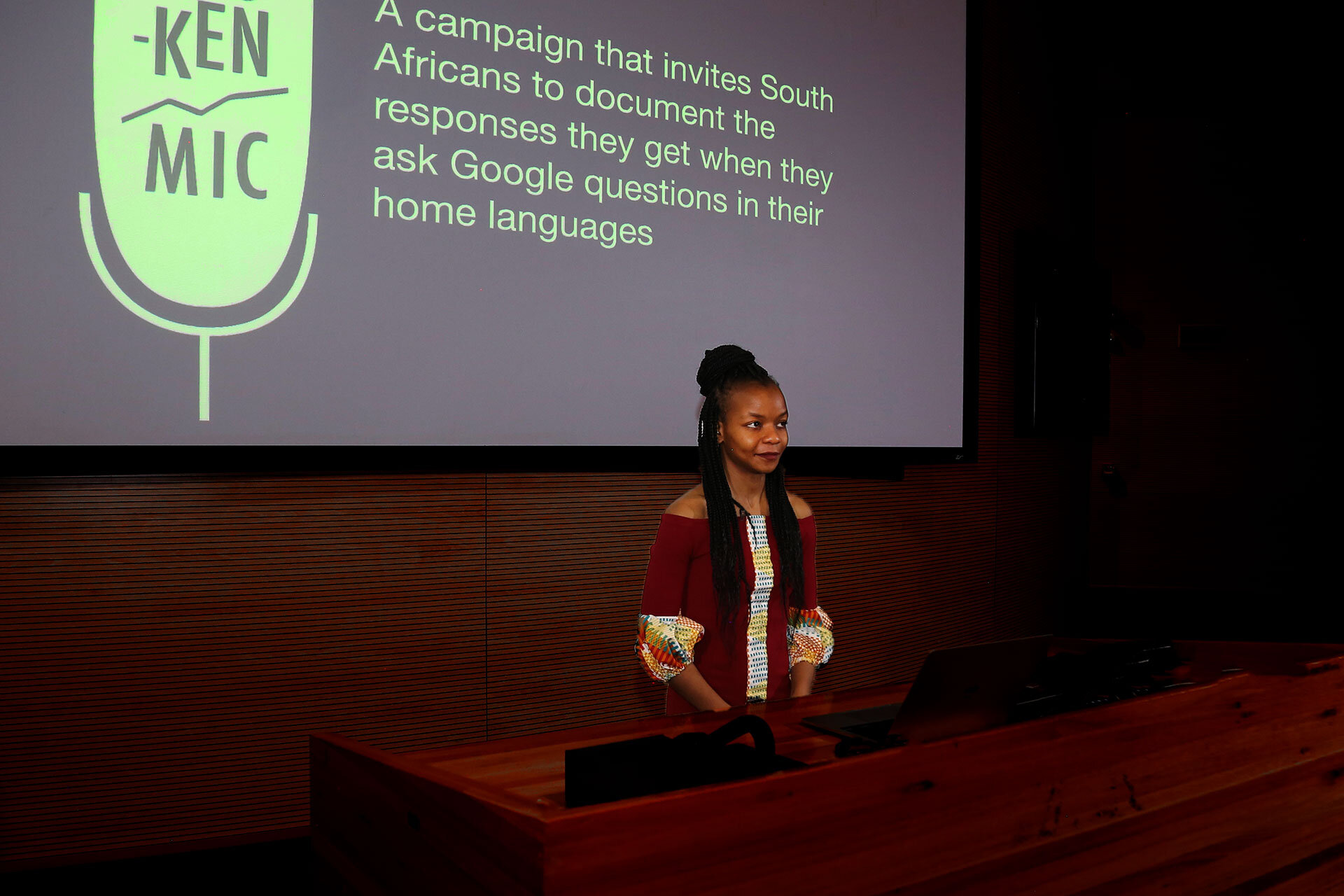
As a digital native who cannot imagine life without the conveniences of technology, Kgothatso Lephoko observed that of the 11 official languages in her home country South Africa, there are 9 indigenous languages that are underrepresented in the technology used thus limiting access to 46 million people, representing 79% of the population. Common applications of natural language processing (NLP), which is broadly defined as the ways in which computers understand and communicate with human language, include spell checking, machine translation, search engines, chat bots and voice interfaces such as Siri and Alexa.
Kgothatso’s thesis, Language In Language Out: Natural Language Processing in the Context of Indigenous South African Languages, explores the extent to which indigenous language speakers in South Africa are disadvantaged by technologies that exclude their languages and how she can use design to contribute to the development of more equitable tools to address this problem.

In honor of International Women’s Day today, we’ve assembled a collection of projects designed by current students and past alumni—each centered around designing for women and girls.
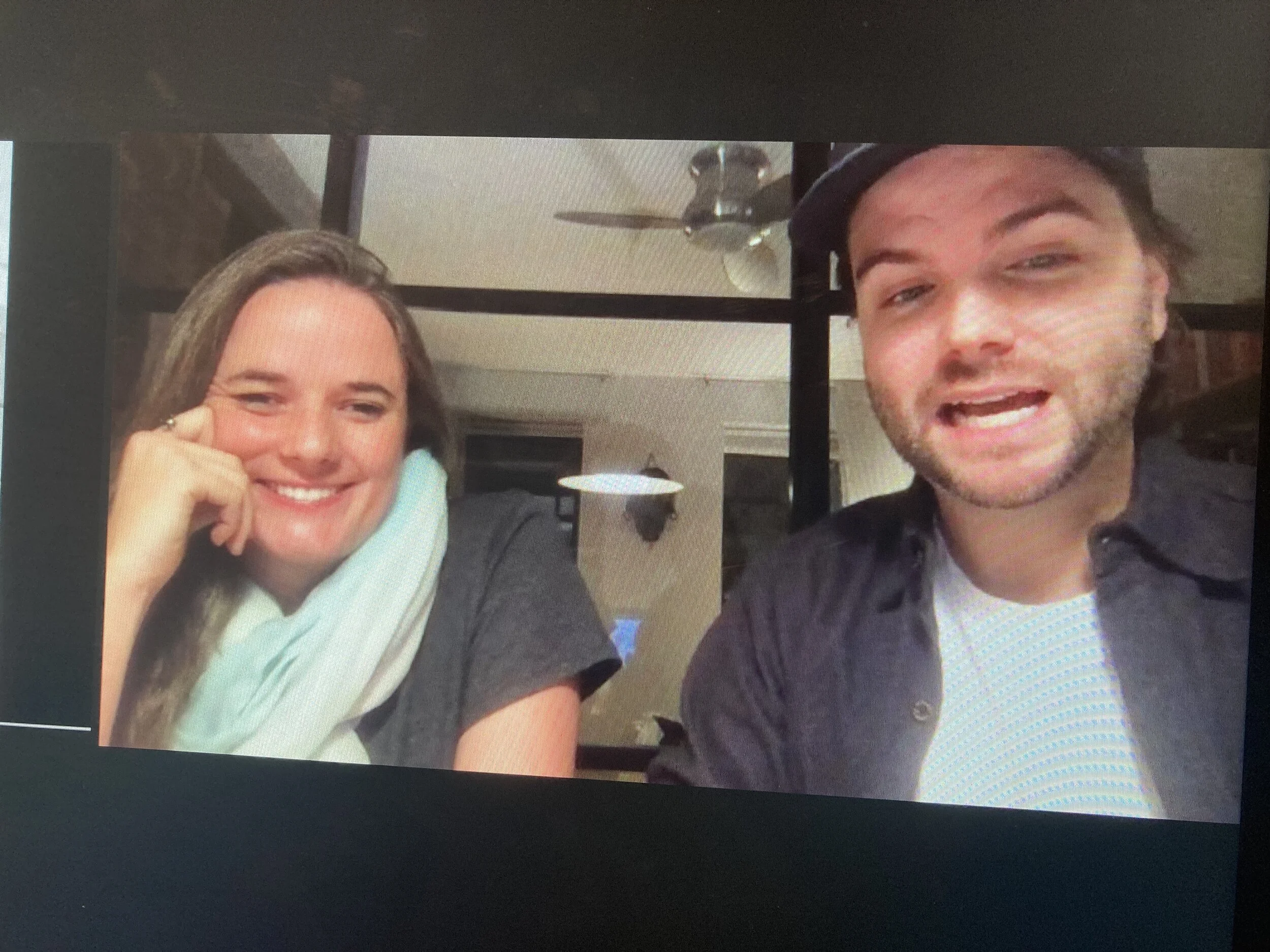
MFA Products of Design was proud to host Design Innovation Lead for the International Rescue Committee, Mariana Prieto and Co-Founder and Chief of Product & Purpose at Who Gives A Crap, Danny Alexander. In their talk, Lion, Toliets, and Bears Oh My!, Mariana and Danny talked to us about their journeys throughout their design careers that have led them to design for good.
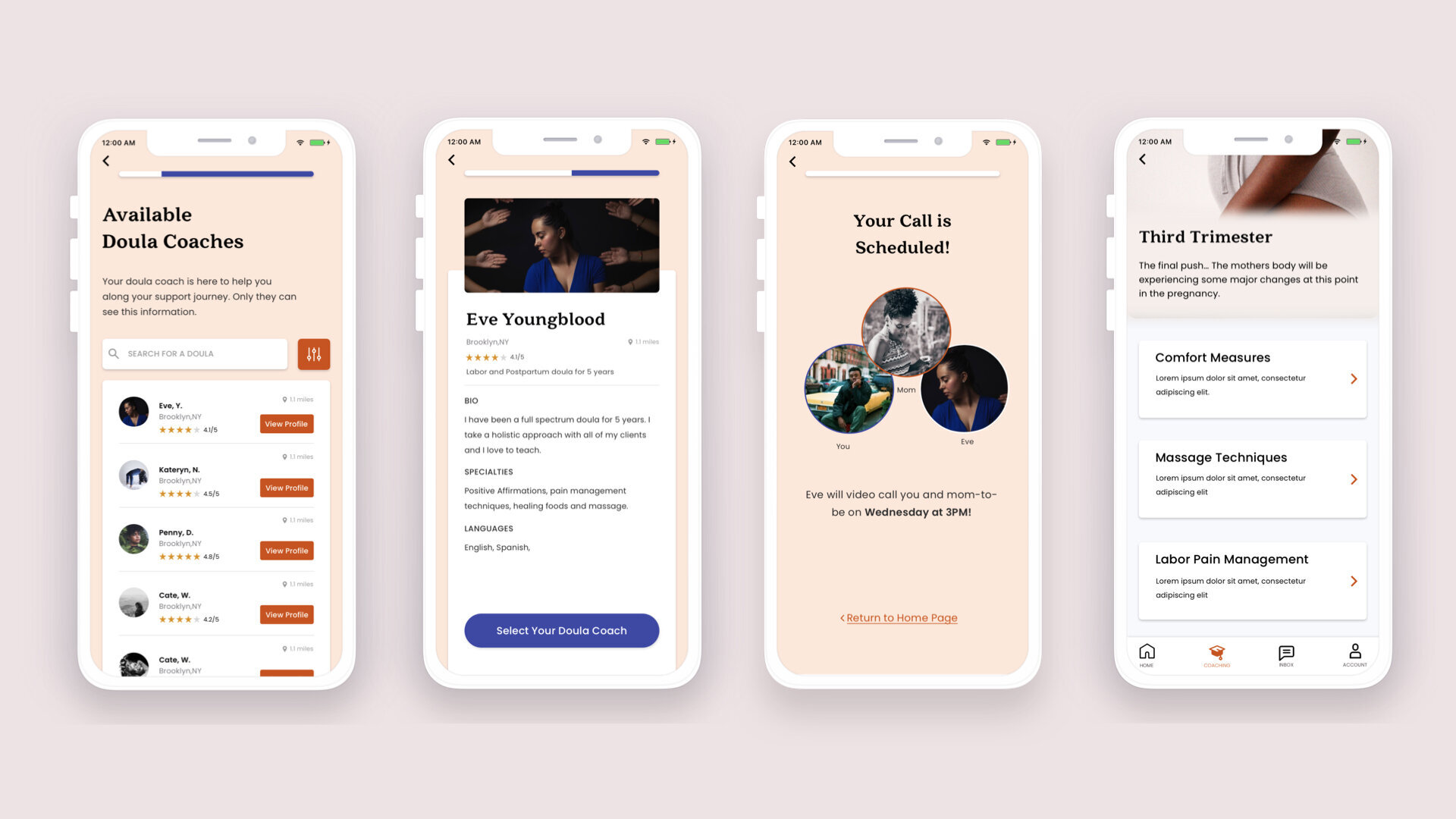
At a time when the maternal mortality rate in the US is soaring, Victoria Ayo's thesis, Birth Reborn: Using Design to Address Barriers to Equitable Maternal Care for Black Women, aims to give voice and power back to black women and mothers. Her project explores how design can build more awareness, facilitate the integration of ancestral knowledge, leverage the community, and help eliminate barriers to equitable birth outcomes. Victoria proposes new realities for collective care, bringing the wellbeing of mothers out of isolation and into solidarity.

Stephanie Gamble’s thesis, Grandma’s Teeth: An Exploration of Feminine Voice, Power and Reclamation, is an in-depth examination of the physical, verbal, and emotional enforcement mechanisms of misogyny. Drawing from her own grandmother’s experience with the violence of misogyny, Stephanie designed a provocative body of work that interrogates and makes tangible how the enforcement mechanisms of misogyny are used to control and silence women. This thesis work proposes solutions that invert current power dynamics and challenge cultural values as a way to incite dialogue, ignite anger and impress upon men the substantial toll these experiences have on the daily lives of women.

Pantea Parsa grew up in Iran, where she encountered a confusing dichotomy: traditional Iranian society taught her that motherhood is the ultimate fulfillment for women, but, at home, she absorbed a different perspective. Her mother was an independent and successful woman who refused to be defined only as a mother and a wife. Pantea strived to be like her mother from a young age and ultimately decided that she doesn't want to become a mother in the future. However, should she become pregnant, she couldn't ignore the harsh reality that she would have to find an illegal back-alley abortion. For her thesis, By Choice: Designing the Abortion Journey, Pantea designed a suite of products that address the abortion journey from different lenses—including access, community, activism, and male accountability.
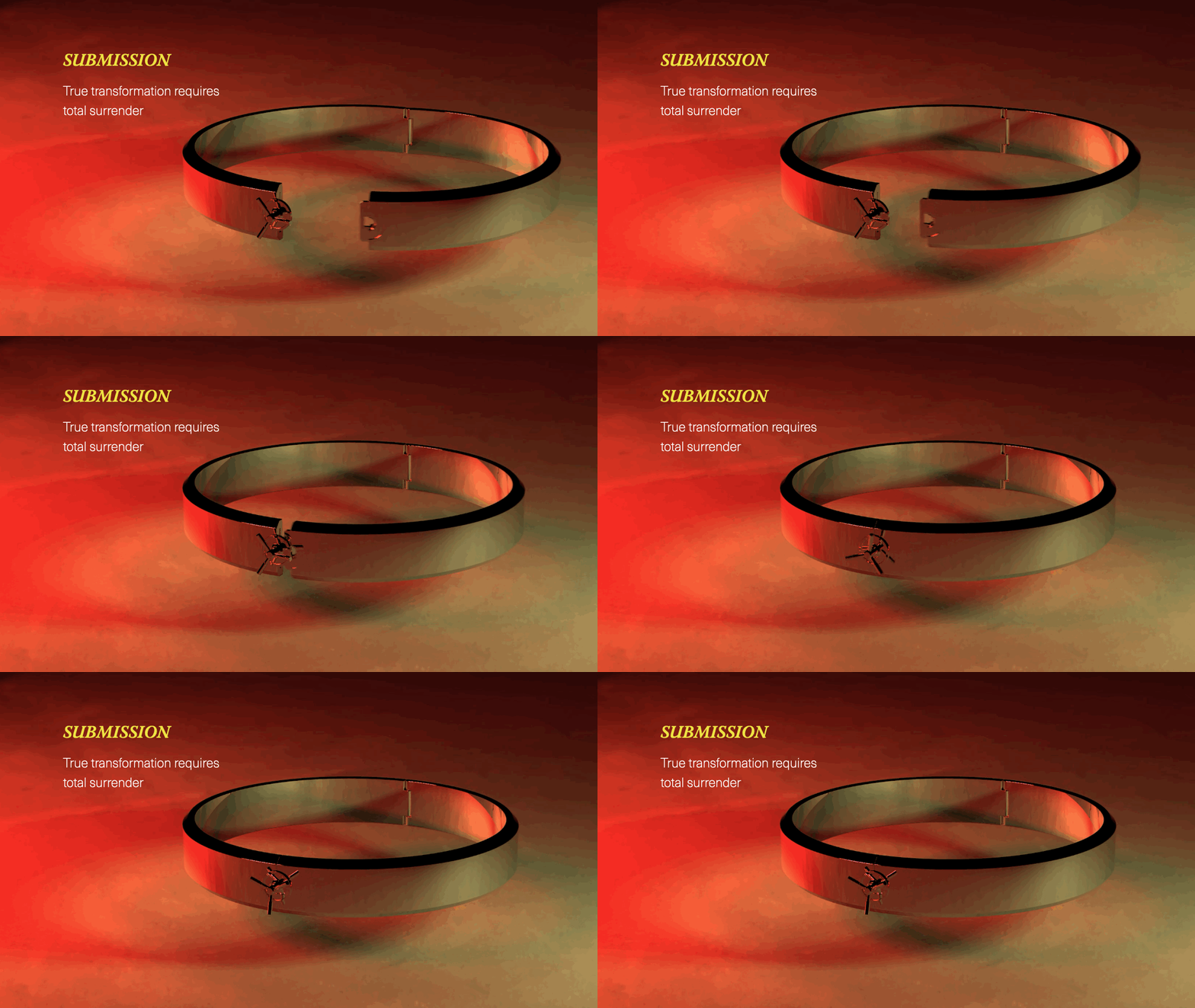
Yuko Kanai’s thesis, Rich Bitch: Feminine Strategies for Financial Power, rejects the expectation that managing money is a masculine endeavor. Through addressing the emotional facets of money, breaking down the taboos of financial discussions, and presenting alternative models of financial success, her thesis aims to elevate femininity as a source of power rather than a handicap. The proposed strategies work at the level of community, the household, and the individual psyche as leverage points to address why financial illiteracy is more pronounced among women.

We’ve shared a lot of great news about alumnus Antya Waegemann’s success with her thesis project, WHEN NO ONE BELIEVES YOU: Redesigning the Rape Kit and Responses to Sexual Assault. But just this morning, it was announced that her RN Advocate Kit has won the Student Category of this year’s annual Fast Company’s 2020 World Changing Ideas Awards!

Last month, MFA Products of Design was proud to host Sally Rumble, the fearless community building specialist, designer, and creative activist. Sally shared her personal journey of becoming a dedicated civil rights activist and using the power of design to share her message.
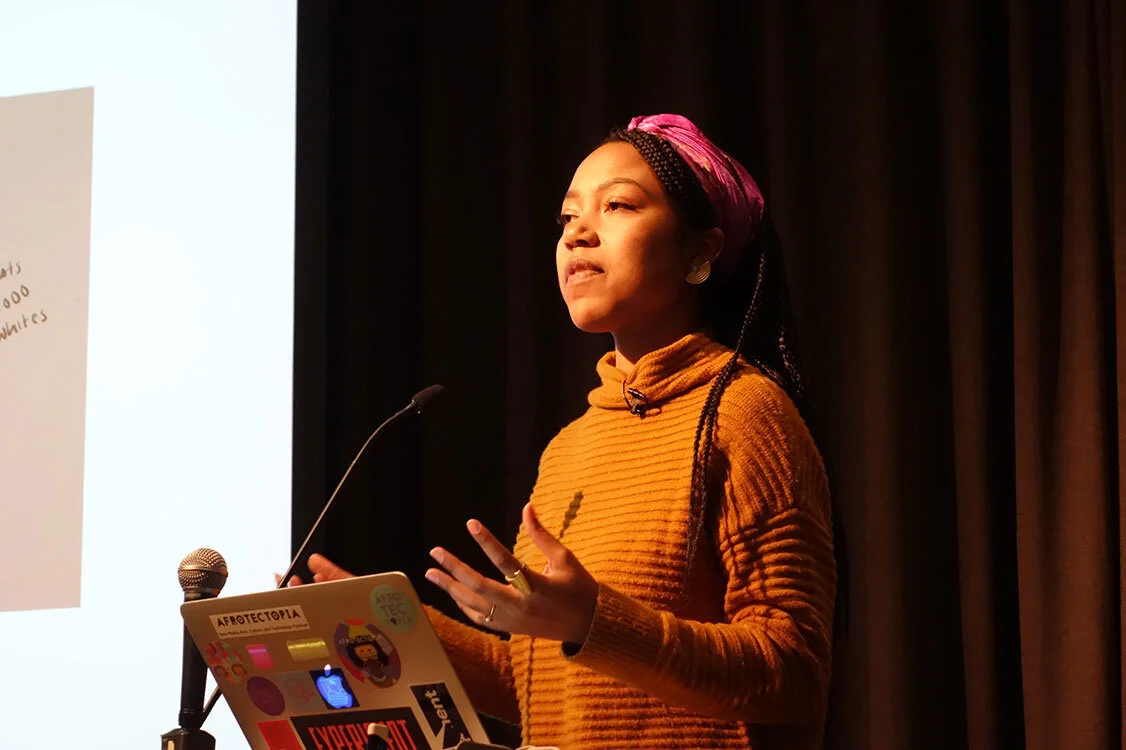
On December 11th, the extraordinary Ari Melenciano visited Products of Design to share her body of work, her vision, and her advocacy…and it was an incredible lecture. Ari is the founder and producer of Afrotectopia, the New Media Arts, Culture and Technology Festival. In addition, she is the founder and director of Publics.School—a platform exploring experimental methods to disseminate social justice issues, working on the first project called Justice Factory, an interactive data visualization platform for activists. Beyond these initiatives, Ari also shared her line of experimental "neo-retro" digital analog cameras, Ojo Oro; AricianoTV, an online video tutorial channel on creative coding; and a VJ/DJ (in the duo, GVÖ), with a residency in Brooklyn, NYC. Please enjoy the video and snapshots below!
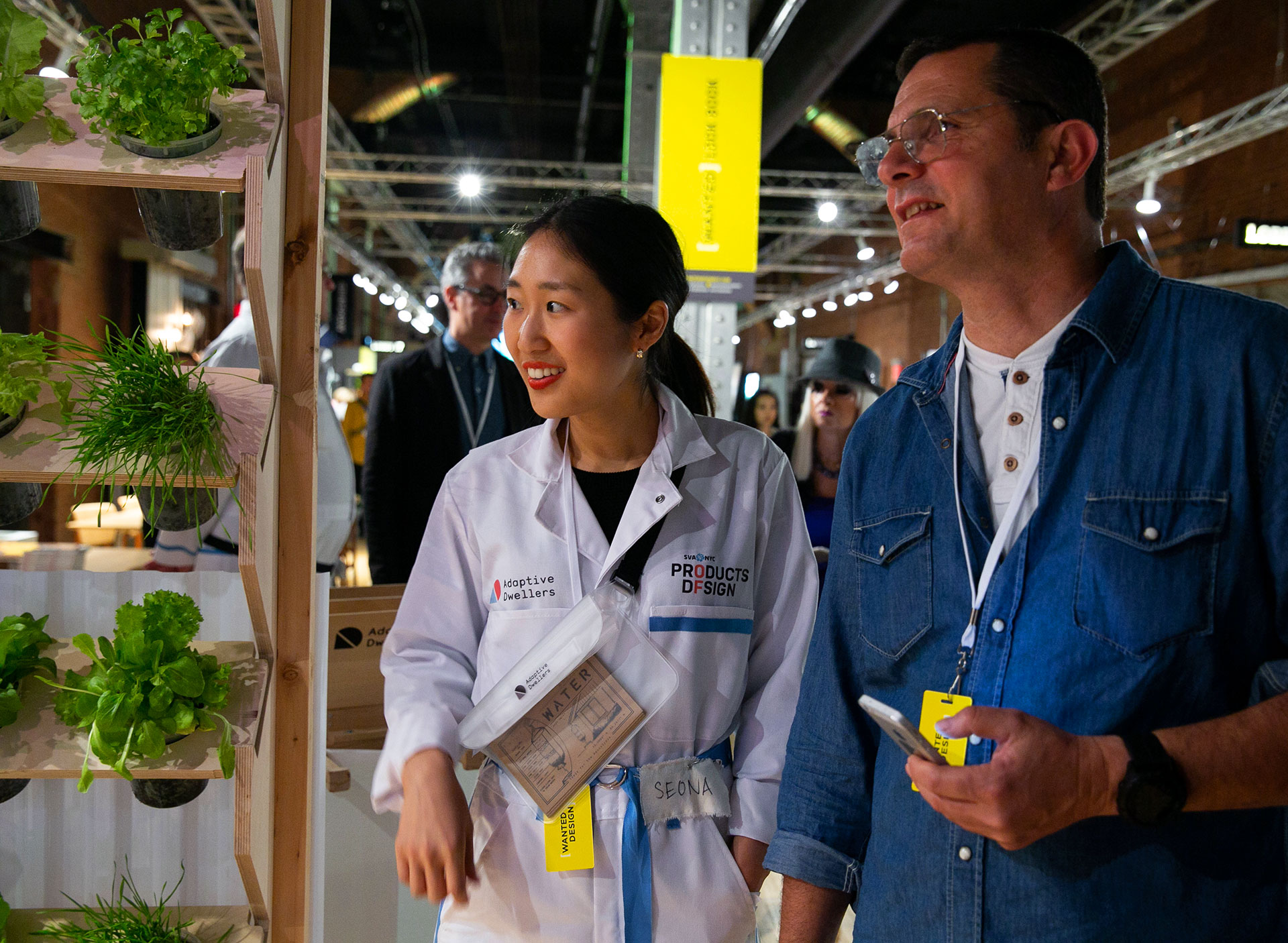
For the seventh annual showcase at Wanted Design, and as part of NYCxDesign 2019, students of SVA’s MFA in Products of Design present Adaptive Dwellers, an interactive installation that explores the role of design in humanity’s adaption in a world devastated by climate change.
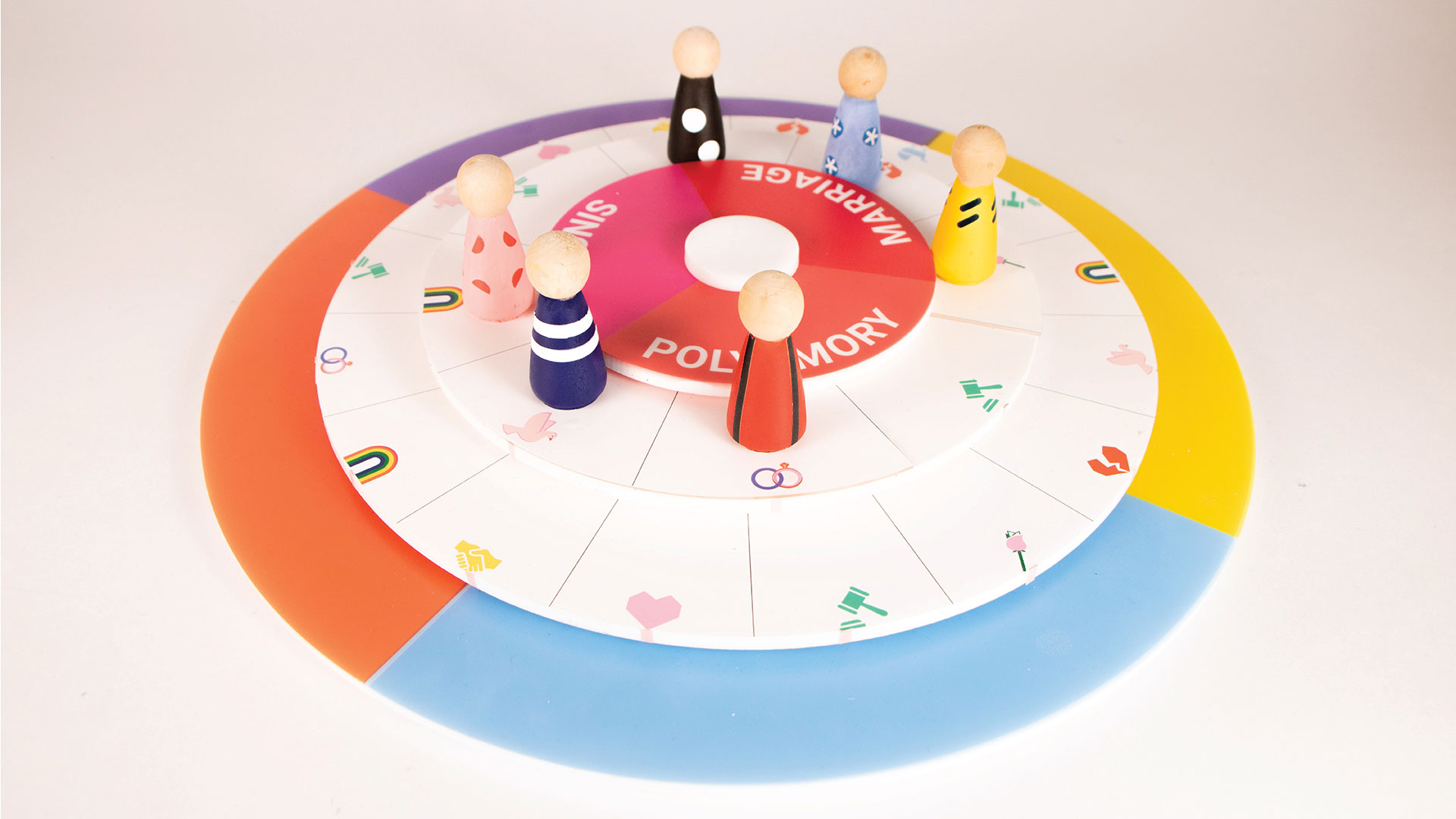
After becoming interested in the growing phenomenon of non-monogamous relationships, Yangying developed her thesis, MONO/POLY: Designing for a Post-Marriage Society, to create services, experiences, and educational games that speak to polyamorous partnerships and envision a society where monogamy is no longer the default ordering principle of society.
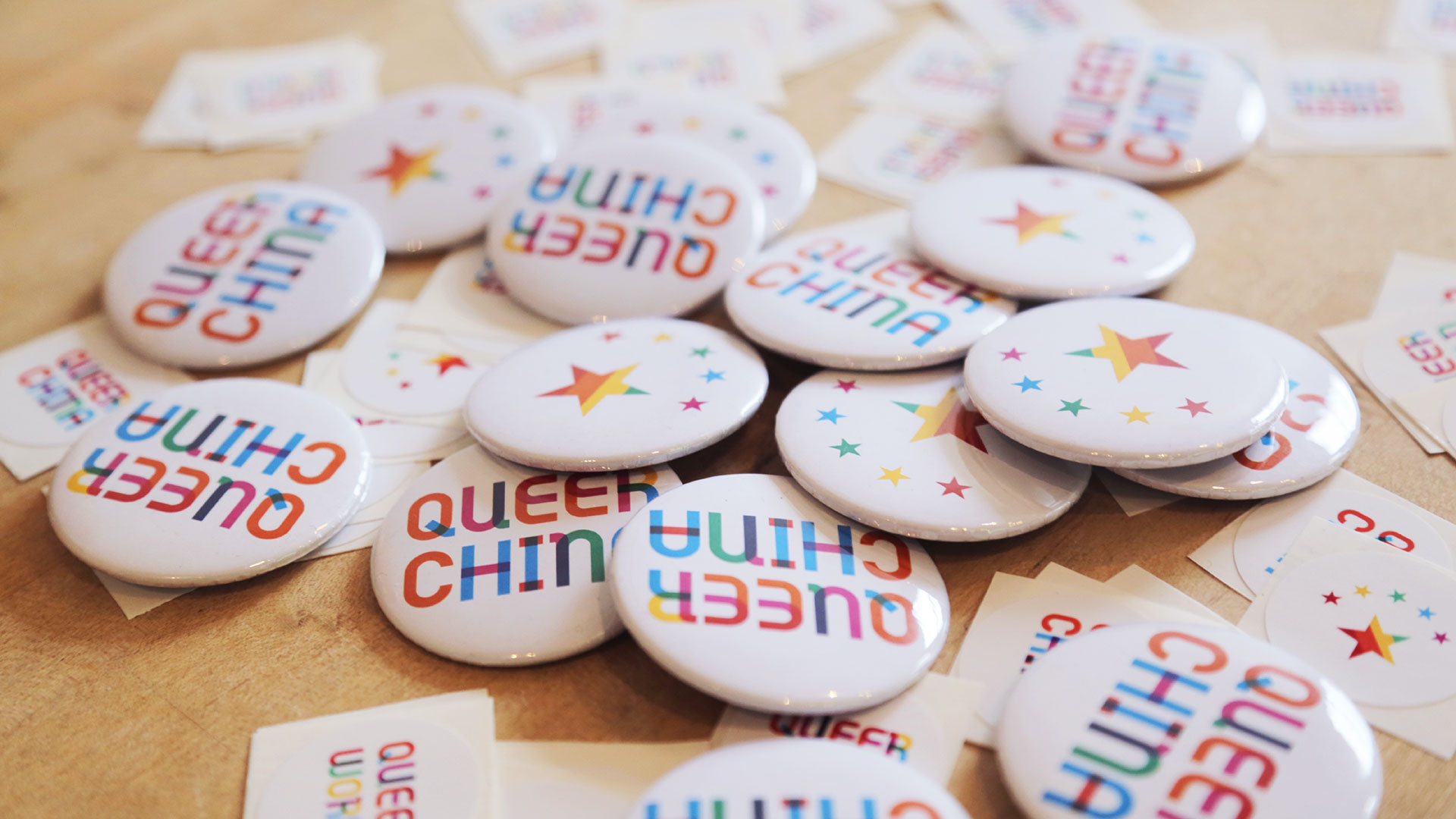
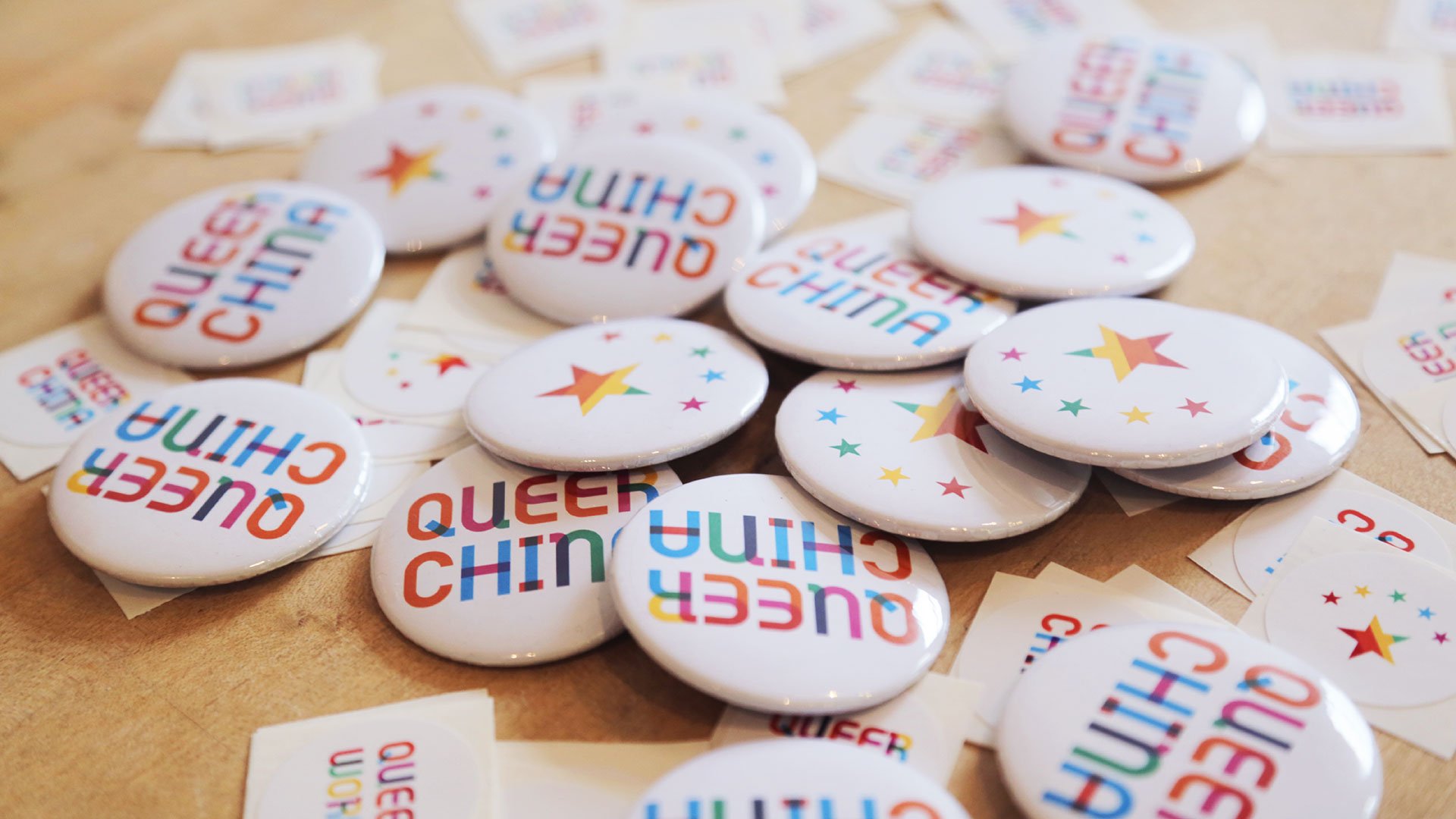
Through her thesis, Queer China: Diminishing the Tension Between Chinese Queer Youth and Their Family, Xuan set out to design interventions that bring comfort, provide support, and facilitate both personal and political conversations for Chinese Queer Youth and their families.
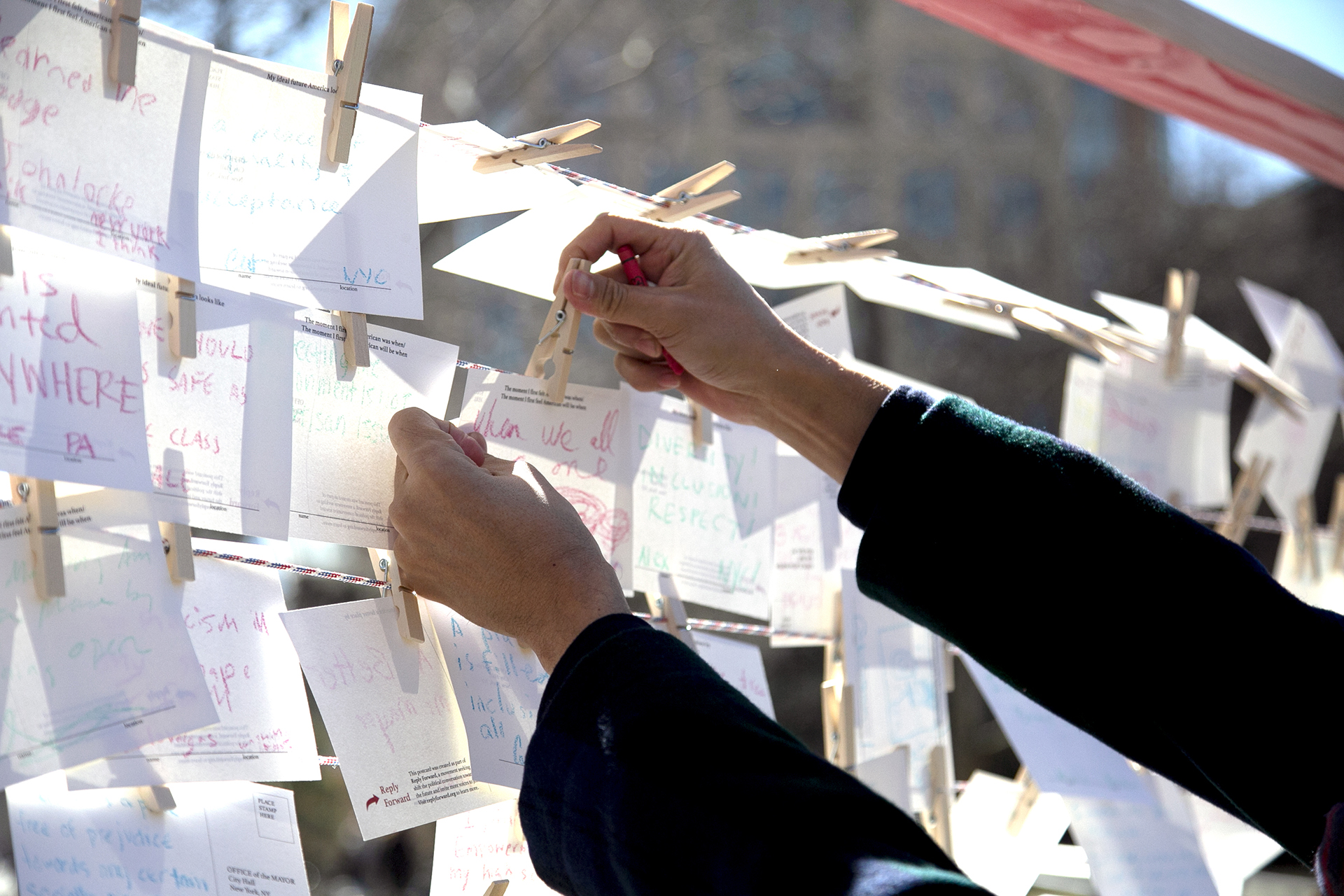
For Hannah Rudin’s thesis, Teambuilding America: A Declaration of Interdependence, she set out to tackle the issue of political polarization in America. Using the strategies of contact, action, and future-building, Hannah designs interventions meant to bridge political divides and address polarization within society at large, as well as within the workplace and between family members.
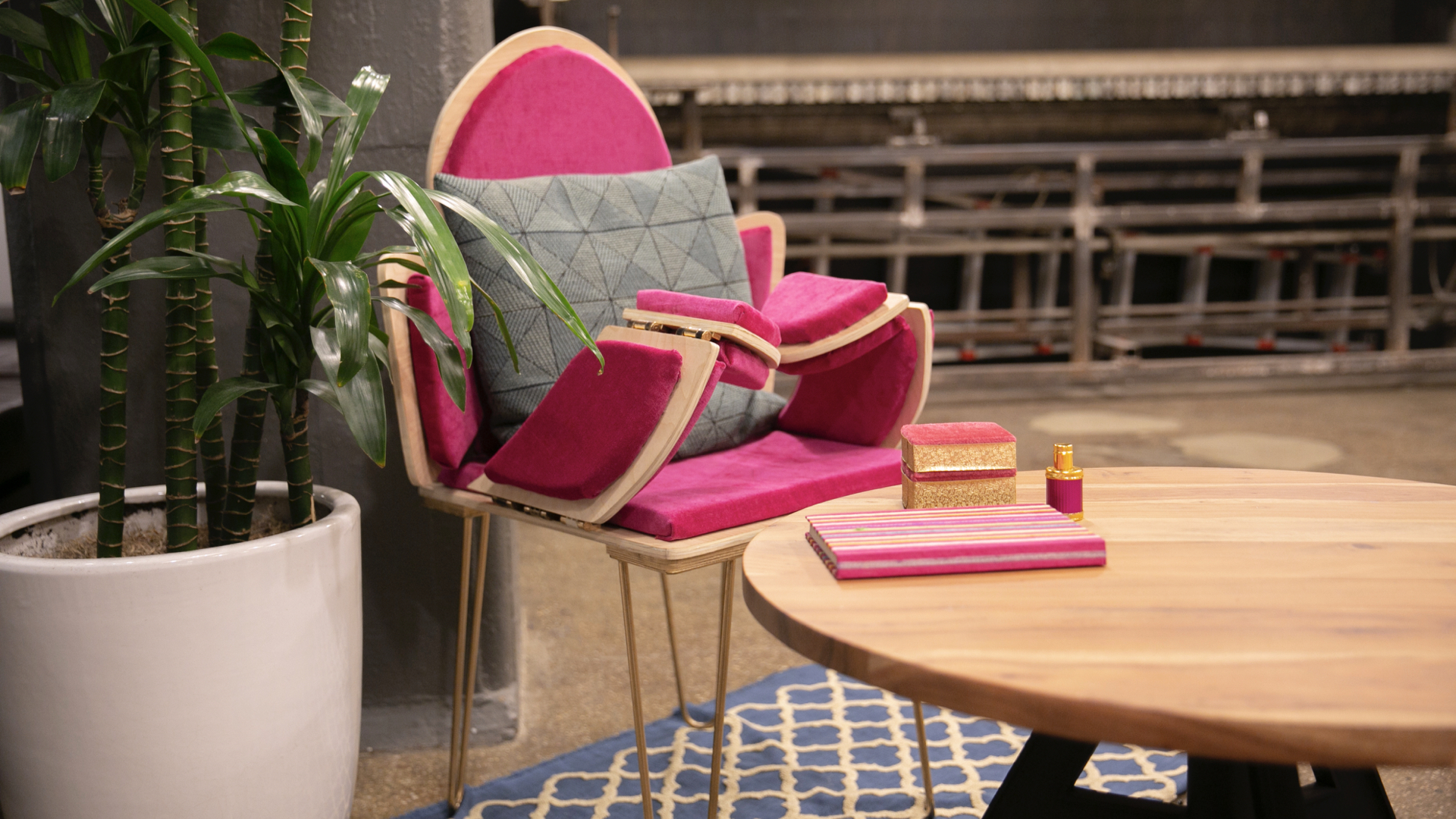
Through her thesis, Hysterical Women: Designing Experiences to Counter the Current Gaslighting Healthcare System, Rhea Bhandari aims to elevate the healthcare experience of women by designing more efficient and empathetic diagnostic and treatment strategies, and providing women with new tools with which to track and communicate their symptoms.

On March 20th, Products of Design welcomed Ti Chang, the co-founder and VP of Design of CRAVE, a San Francisco-based company specializing in discreet and luxury sex toys. Ti is best known for the design of the vibrator necklace Vesper, one of the most celebrated and innovative sex toys disrupting the adult toy industry and changing the conversation around sex.

Hark, a speculative project created by second year student Antya Waegemann, is proposed to be the first over-the-counter sexual assault forensic exam (or “rape kit”) available at any major pharmacy. Small and discreet, Hark is designed to be approachable and comforting for survivors of sexual assault.
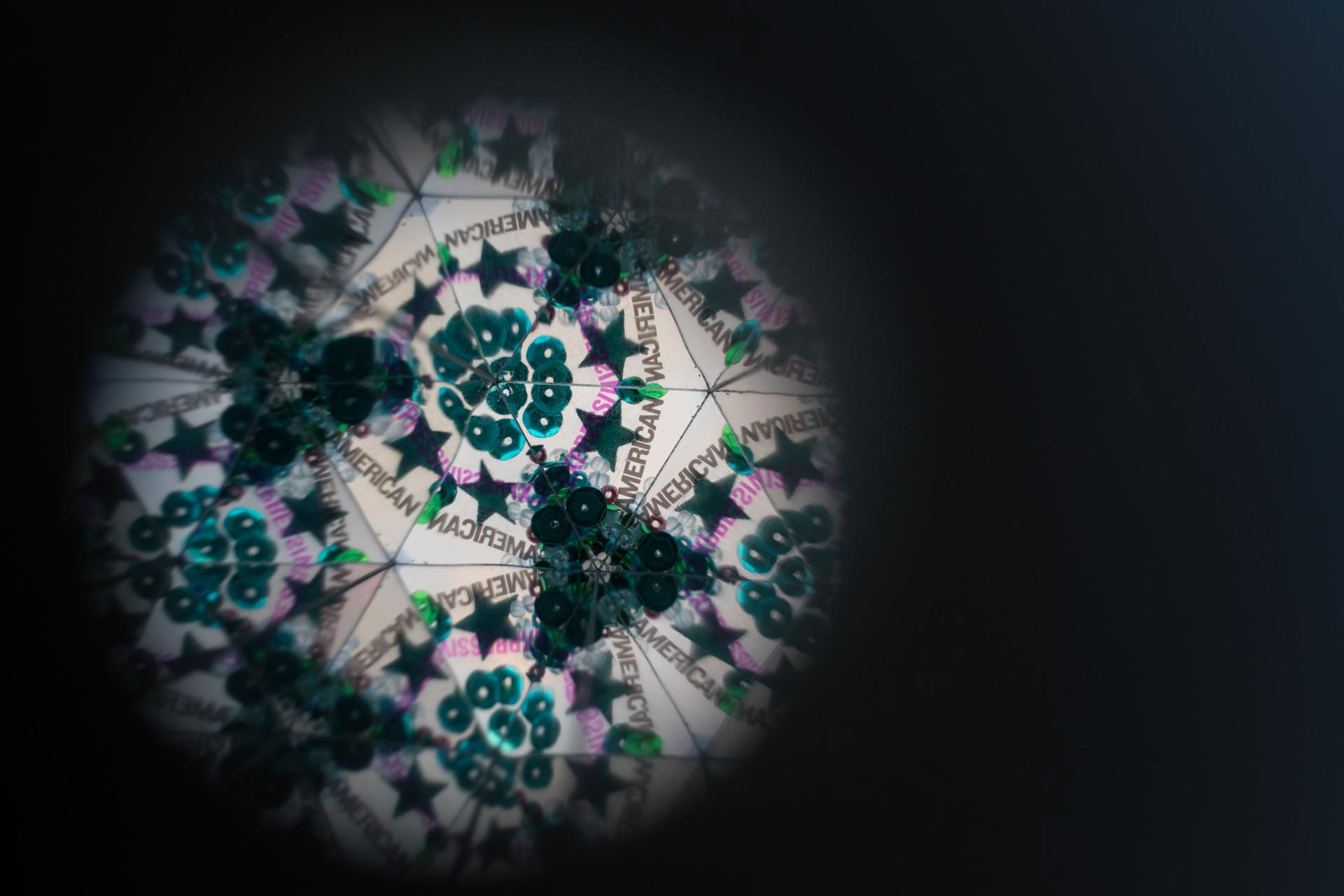
Manako Tamura has spent the last year trying to reconcile her experience as an assimilated immigrant of color by interviewing, designing for and reflecting with the generation 1.5 immigrants of color who, like her, migrated to the US in the most formative years of their identities. Going into this journey, she first thought her thesis was going to be about transnationalism, where the main tension she had to resolve was around immigrants’ countries of origin and their adopted homelands. “As I spoke with users and experts on the subject, it became clear that the real tensions had to do with the transactional nature of assimilation where,” she reveals, “one could not embody both American and another culture.”
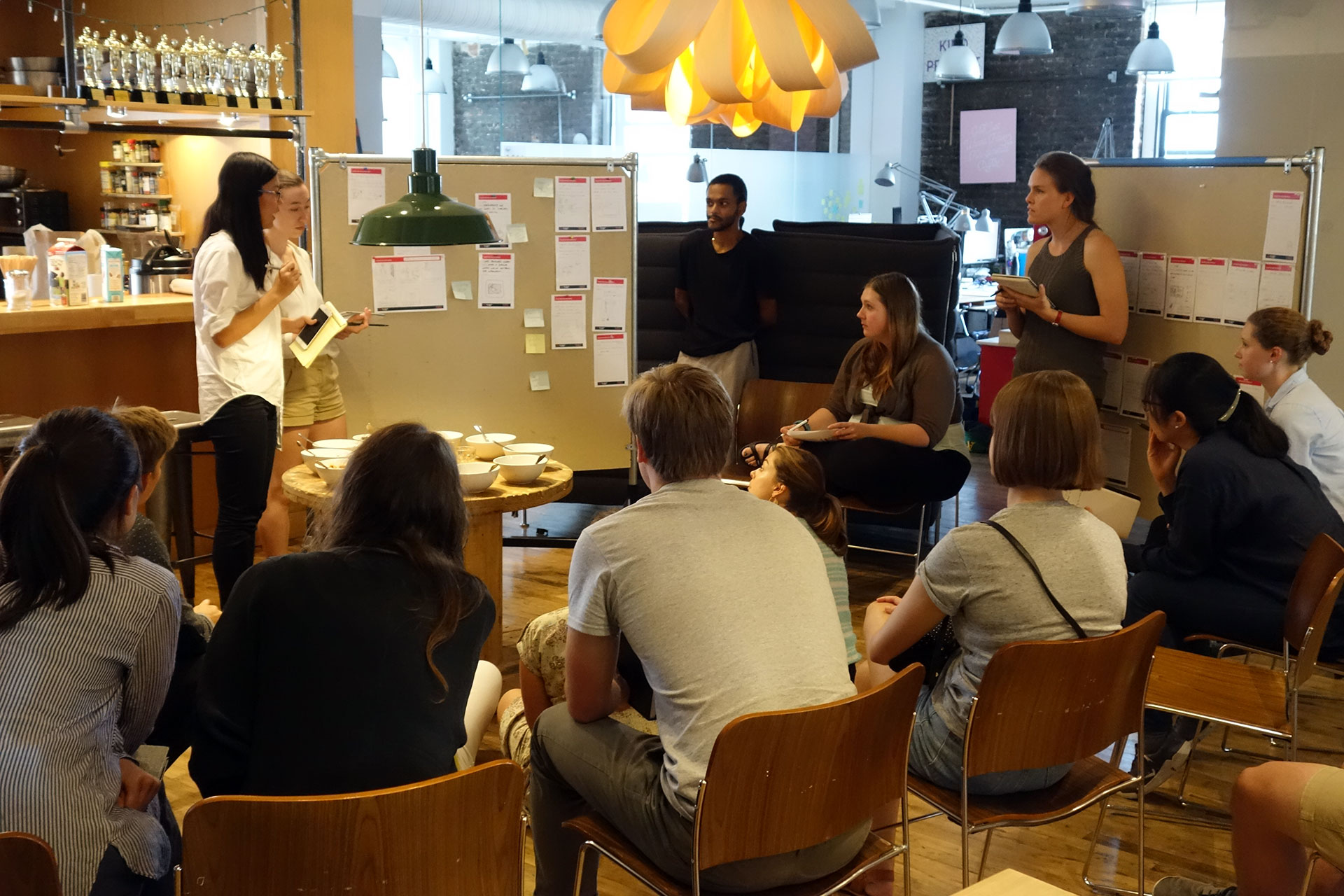
On the afternoon of Saturday, September 16, the students of the MFA Products of Design department conducted a hackathon for RACKET—a grass-roots organization engaged in work around the topic of menstrual health. After a comprehensive briefing from Racket founders Caroline Angell and Margo Seibert, participants dove into four focus areas. Reimagining the kit, changing the conversation around mentruation, social media strategy, and policy.

Julia Lindpaintner’s thesis work was inspired by her own experience of serving on a grand jury in Manhattan during the summer of 2016. It profoundly changed her understanding of the judicial system, and in particular, the way she saw her role in it. “My mental model shifted,” Julia states. She further explains, “Instead of seeing the judicial system as an autonomous force over which I had no influence, I felt viscerally the way in which we, as citizens, are collectively responsible for the system and the outcomes it produces.”
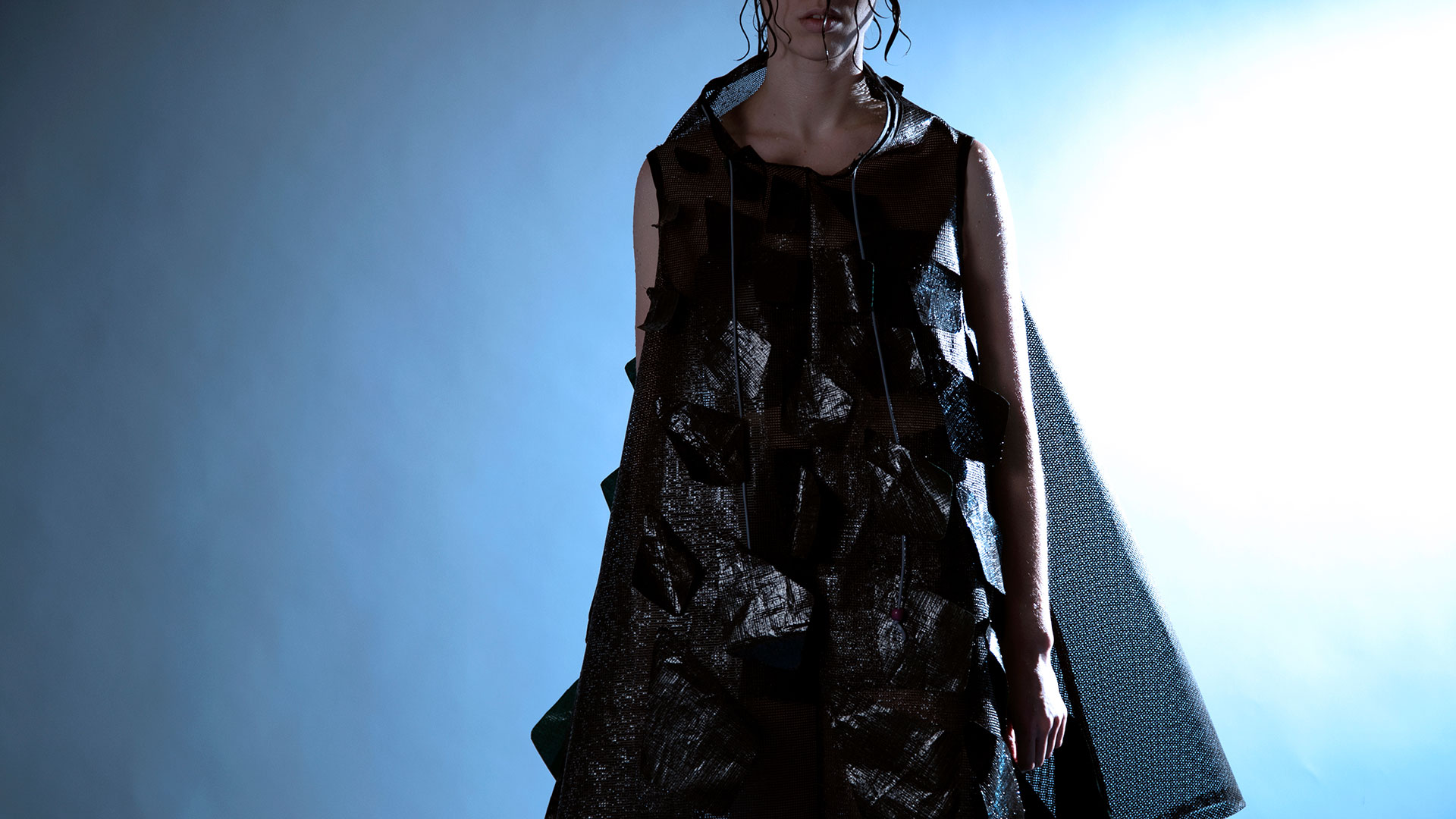
Jenna Witzleben’s Master’s thesis, Finding the Wild: A Visceral Approach to Sustainability, explores an alternative future trajectory—“rewilding”—and how physical and emotional reconnection with our natural environments can inspire lifestyles of environmental stewardship.

Products of Design MFA graduate Souvik Paul’s thesis, Unbound, seeks to empower individuals with spinal cord injuries and disorders (SCI/D), and to tackle some of shortcomings in treatment paradigms for SCI. His thesis journey began—violently—two weeks before his arrival at Products of Design in the fall of 2015. While driving her SUV down a California freeway, Souvik’s close friend, Carina, was rear-ended by a tractor-trailer and paralyzed, sustaining a spinal cord injury in the T2/T3 vertebrae. When visiting her in the hospital, Souvik saw how painful her adjustment to life in a wheelchair was. Believing in the power of design to help his friend, Souvik used his thesis as an opportunity to investigate how design could assist people with spinal cord injuries to recapture their sense of agency and identity in the face of such massive physical and emotional trauma.
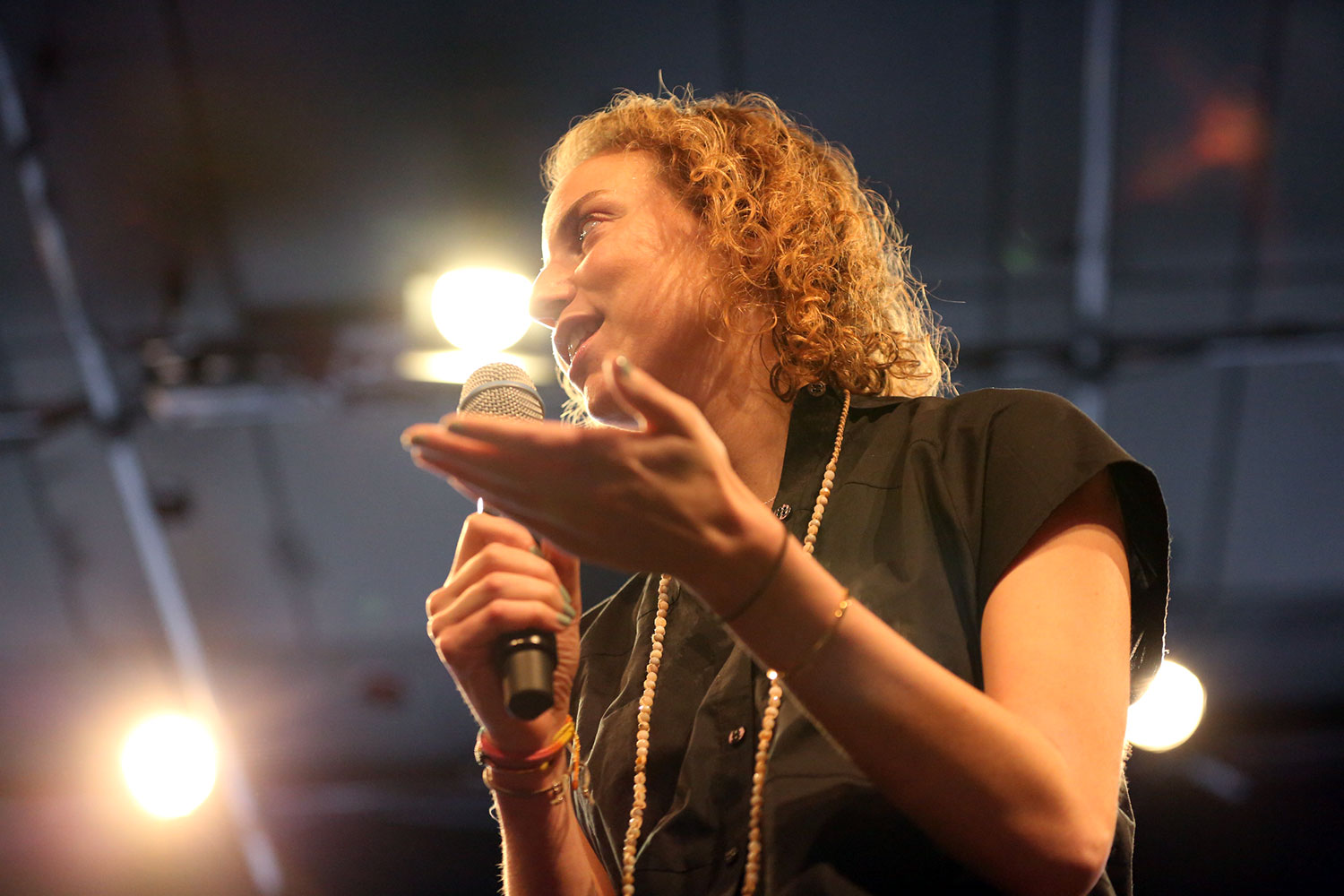
Design strategist and storyteller Julia Plevin did not realize how much of an effect the environment had on her wellbeing before she moved to New York City to attend the Products of Design program and found herself yearning for nature. After a harsh New York City winter left her depressed and out of whack, she realized that she suffered from Seasonal Affective Disorder (SAD). And she realized she was not alone. According to the National Institute of Health, 6% of the U.S. population suffers from seasonal affective disorder and 14% of the U.S. population suffers from winter blues. These numbers are even larger if you consider many Americans live in places like California or Florida that do not have long, cold winters.
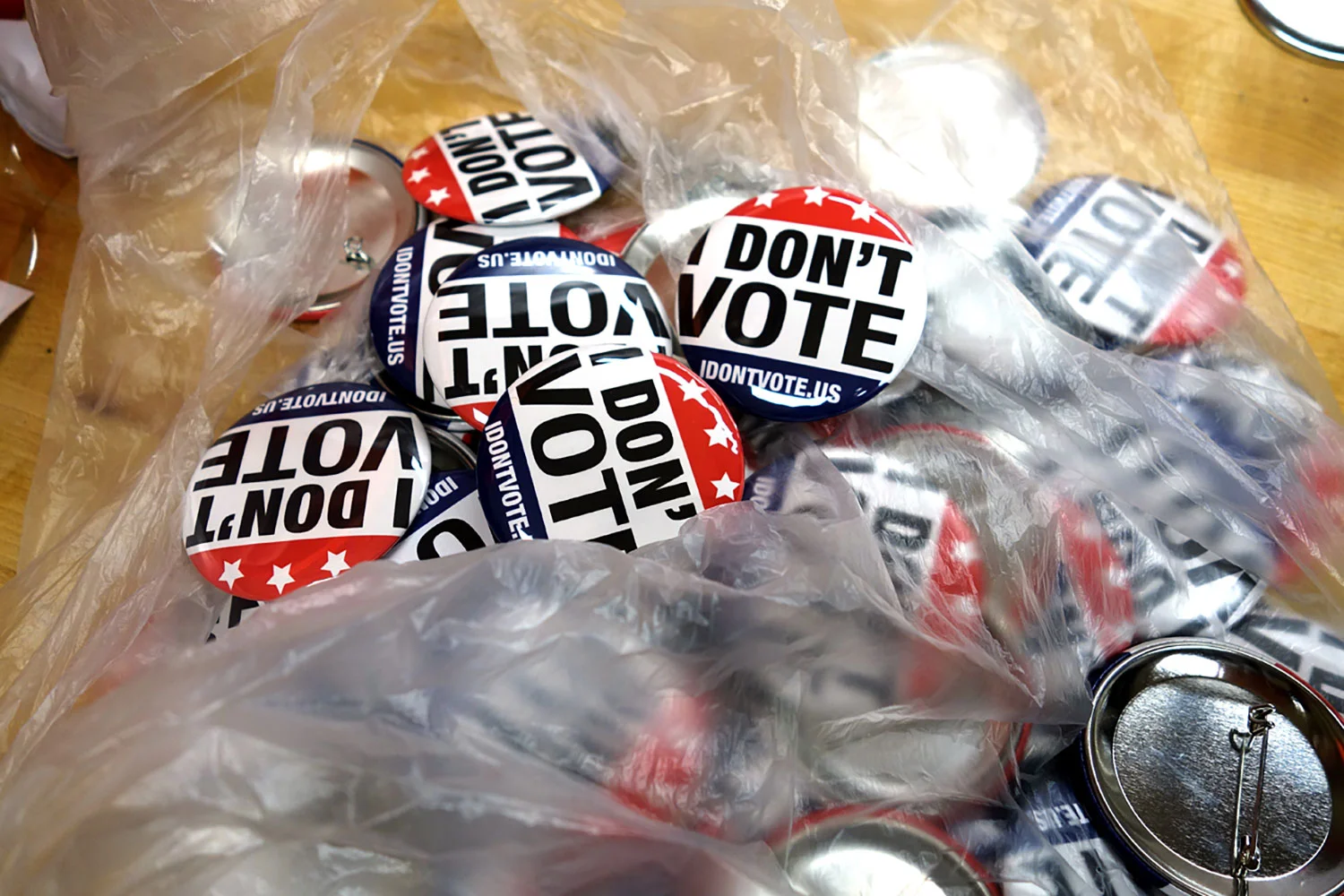
The graduate students from SVA’s MFA Products of Design program wanted to find out why young people don’t vote by creating a campaign and design intervention called “I Don’t Vote”—addressing apathy and framing the discussion around both the predicted and unseen reasons for opting out. The campaign was grounded in an I Don’t Vote Manifesto, and in an online website and mobile webapp, an in-person booth, sticker, and button campaign.
Steve Hamilton’s master’s thesis, Enough is the New More: Reframing Scarcity to Feel Like Abundance, began with a manifesto of dialectics, eschewing our persistently growth-based metric for success, rejecting the last several centuries of western economic culture that led to the consumerization of happiness in the United States, and offering a more humane and sustainable alternative. His early research centered around a plethora of “wicked problems”—including those pertaining to vastly embedded systemic structures such as energy, materials, transportation, and the design of our cities—and culminated in a set of radical artifacts that speculate on an alternative future.