

Our program teaches multiple disciplines
of design…all at the same time
We teach Industrial Design (physical product design), Interaction Design (digital product design), Social Innovation Design, Environmental/Sustainable Design, Experience Design, and lots of Business. Every student takes every course, so you are not forced to build your knowledge and expertise in just one design discipline.
Here are some outstanding projects in each discipline. To see even more work, just click the buttons below each section!
INDUSTRIAL DESIGN (physical product design)
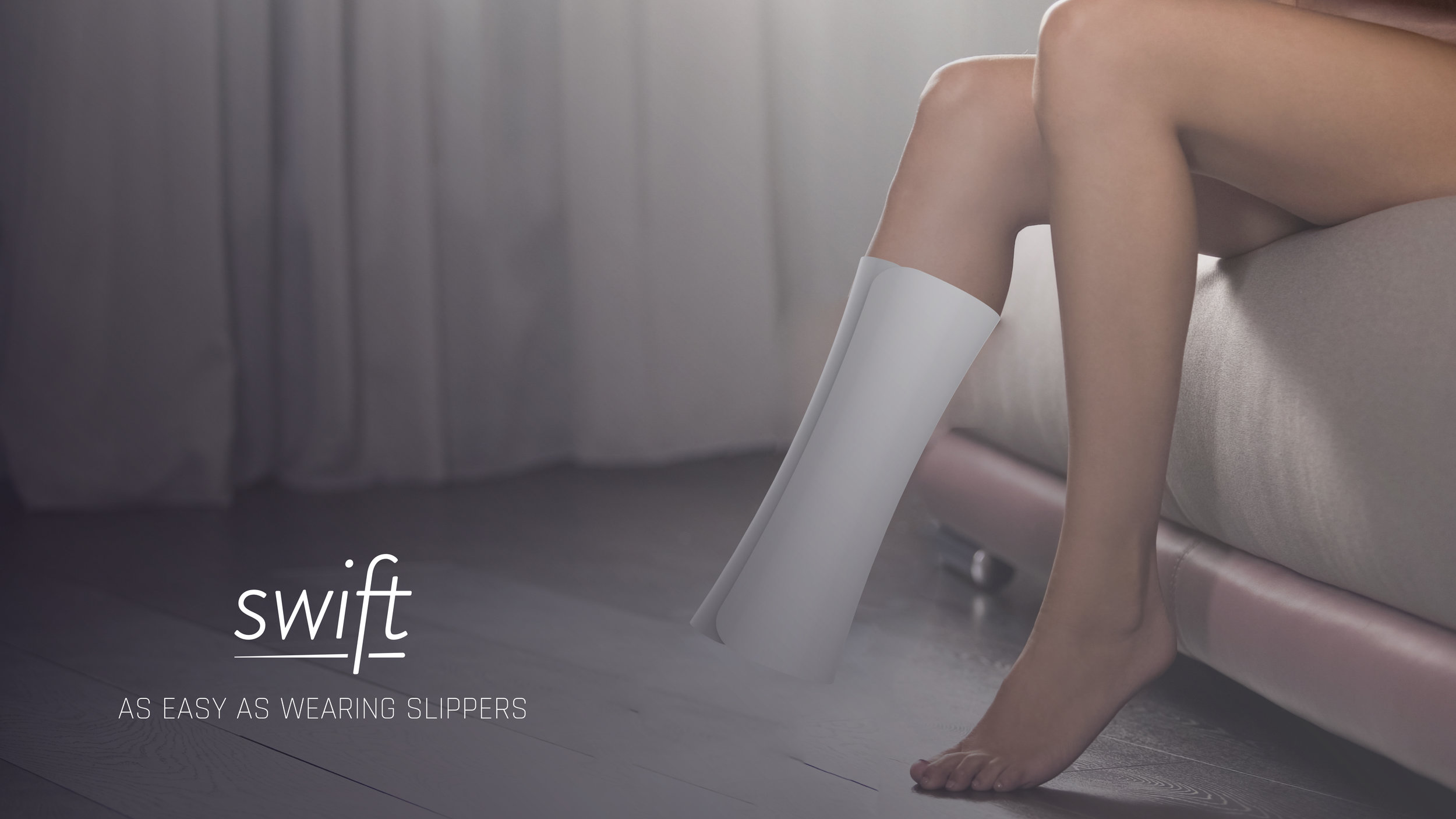
The idea for Swift came about while Smruti watched videos on the YouTube channel “AmputeeOT” by Christina Stephens, an occupational therapist and below-knee unilateral amputee. Smruti was especially struck by a video in which Stephens describes the annoyances of going to the bathroom or getting up for a glass of water in the middle of the night; Stephens mentions that she usually crawls on the floor to get to the bathroom or kitchen because putting on her prosthetic is so time-consuming.
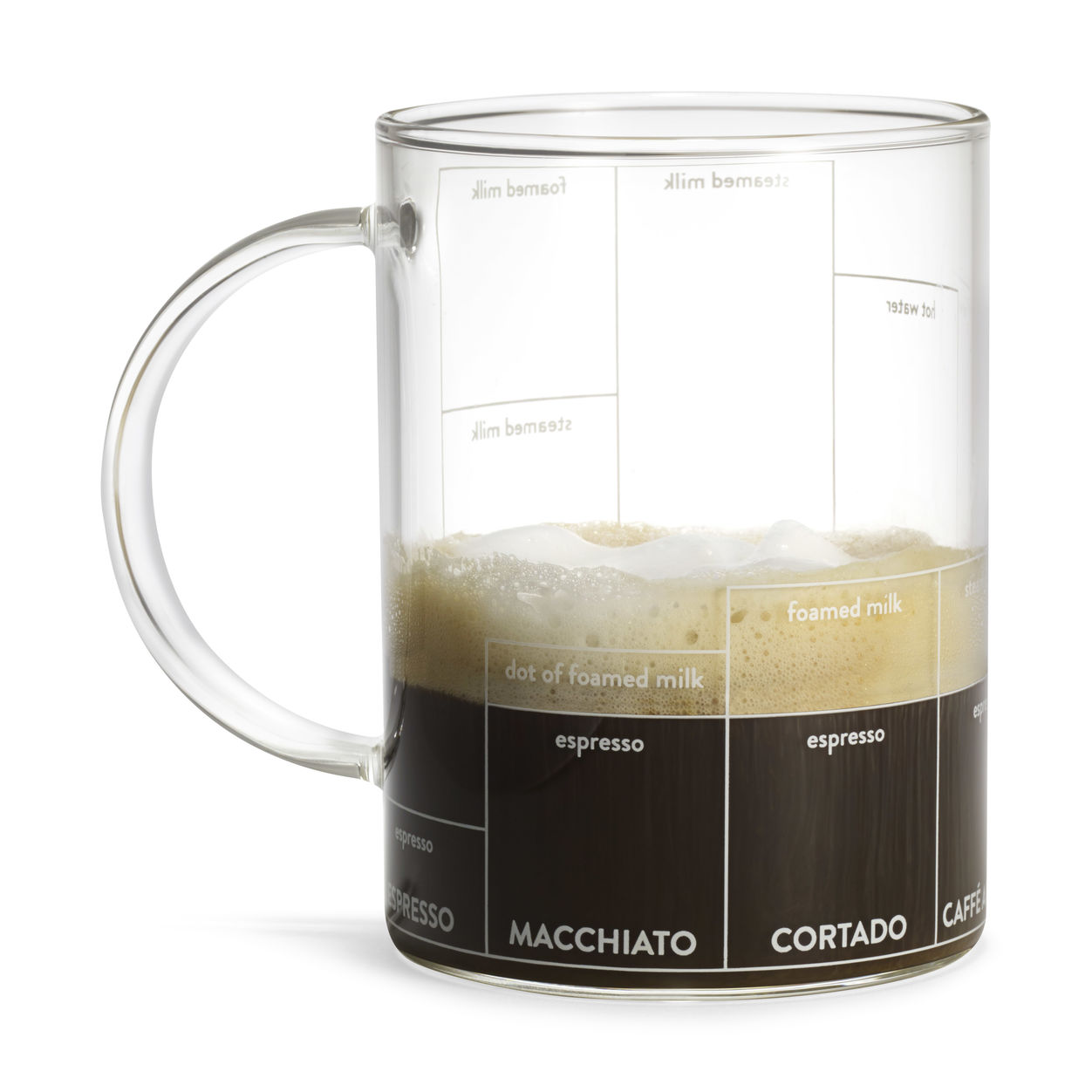
Florence Fabricant (herself!) wrote up an item in the New York Times about Josh Corn's Multi-ccino Mug in the New York Times this week—one of 6 MFA Products of Design objects that will be celebrated during the month of April in both MoMA retail stores! (The department is also designing the window displays for both the midtown and SoHO stores.) Congratulations Josh!
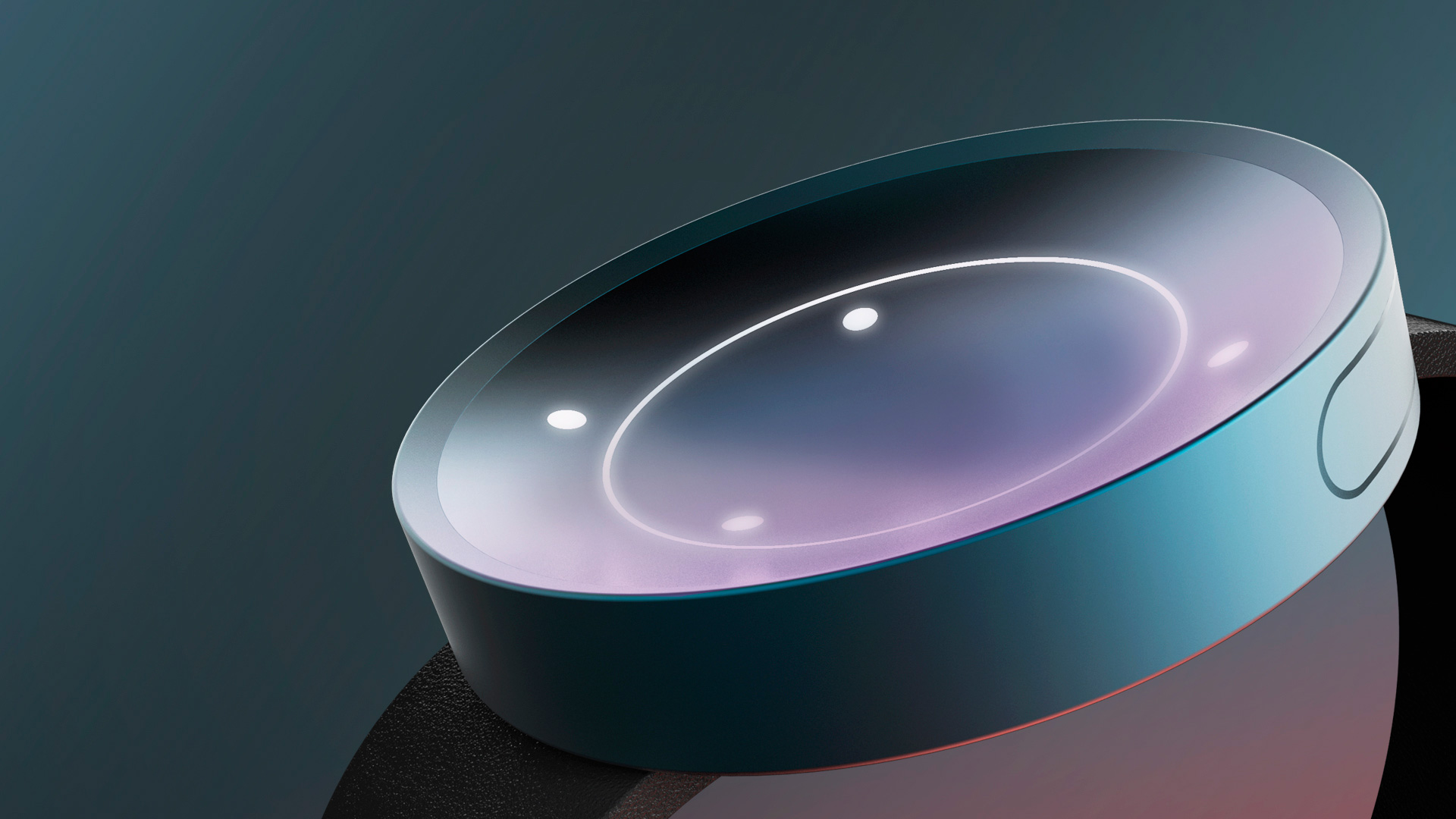
The objective of Adem Önalan’s master’s thesis, Vakit: On the Elasticity and Subjectivity of Time, is to reframe our relationship with time—identifying opportunities that lead people to spend time well—from recontextualizing time, to slowing it down through meaningful, memorable life experiences.
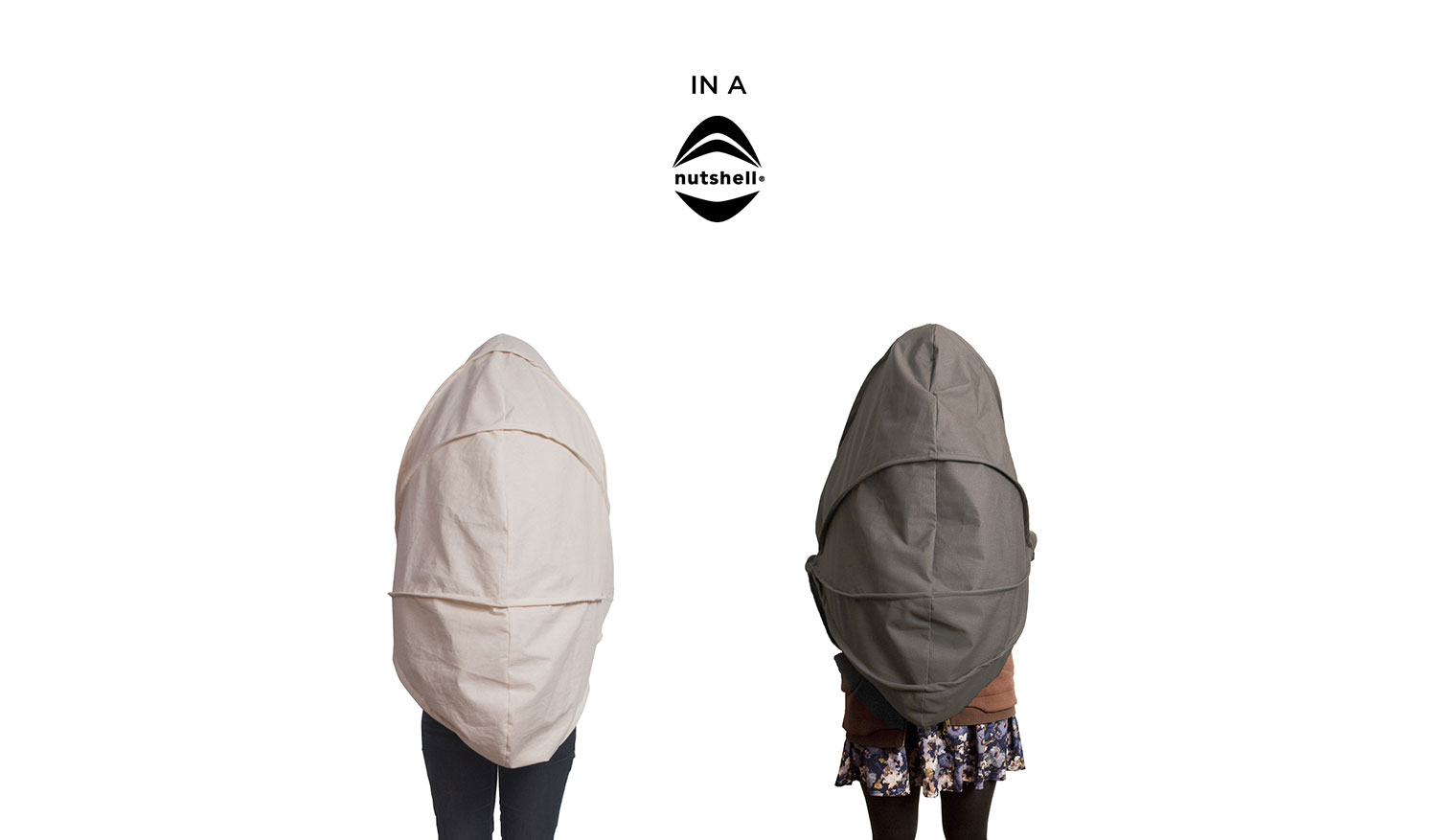
Students were asked to "redesign the next thing they threw out," and in seven weeks Eden Lew took a discarded sandwich wrapper on a journey through prototyping and branding, ending with Nutshell—a pod-inspired platform for productive break-taking.
INTERACTION DESIGN (Digital Product Design)
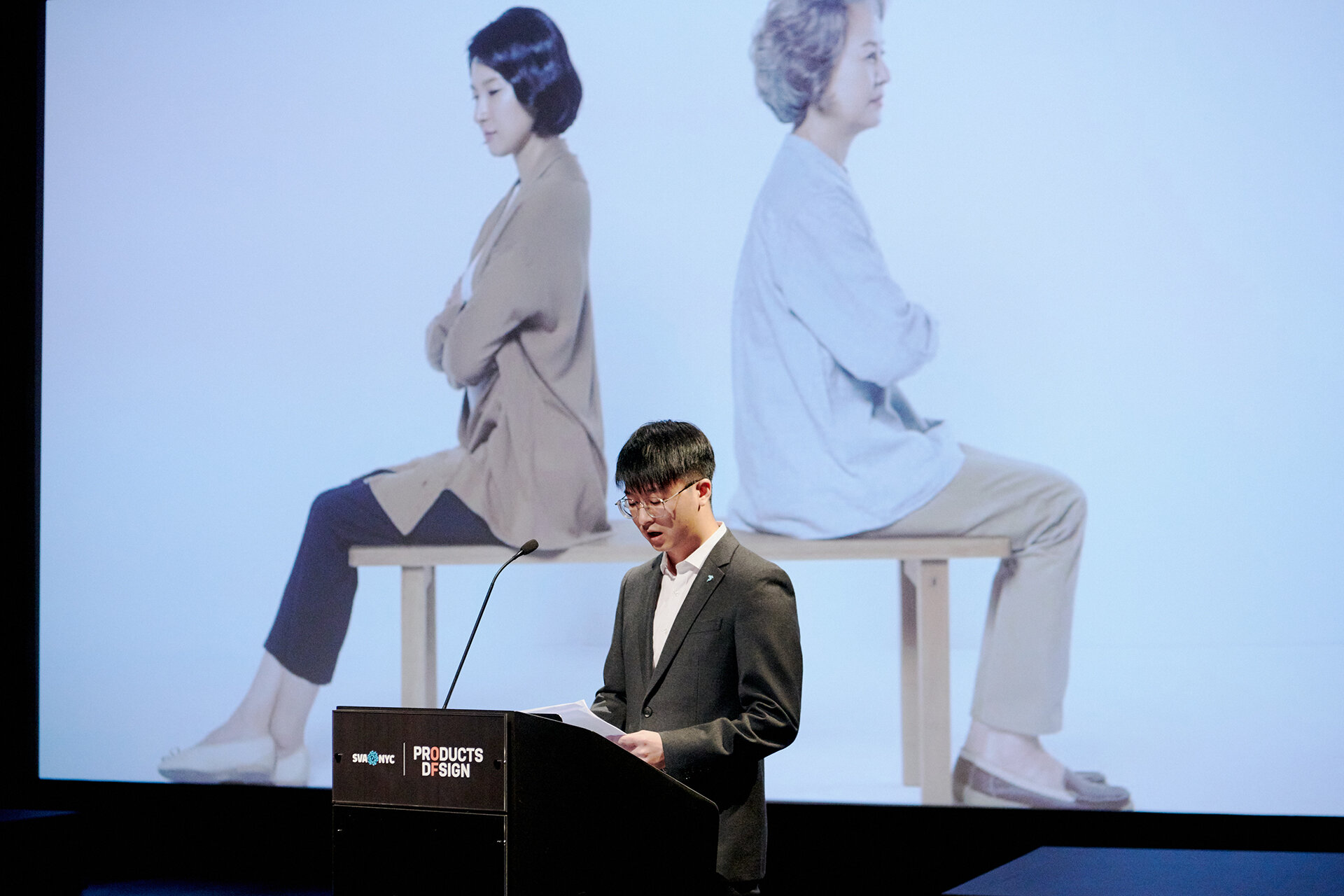
In his thesis, Inter-Generate: A Set of Design Offerings for Chinese Empty Nesters, Hang “Joey” Yuan deconstructs the "empty-nest syndrome" from three perspectives: medicine, interpersonal relationships, and philosophy. He argues that this is more than a syndrome —it's also a state of mind. Through his research, he discovered that sharing is an effective way to help the elderly change their negative mindset towards living apart from their adult children.
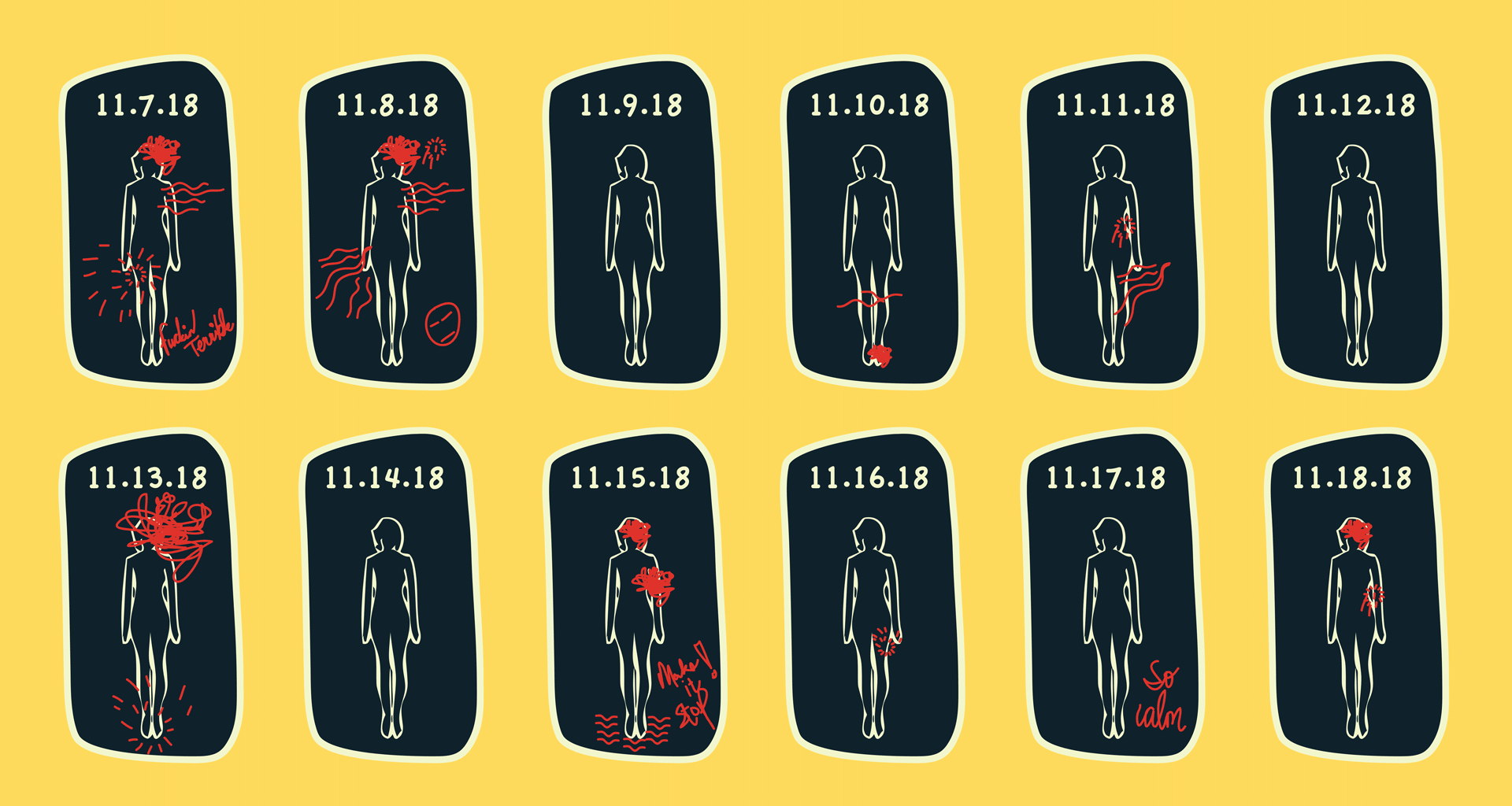
Paint is an app that allows patients to document and describe their symptoms in more than words. As part of her thesis, Hysterical, second-year student Rhea Bhandari designed Paint to help women advocate for themselves while navigating a healthcare system that often dismisses their symptoms, leaving them misdiagnosed and in avoidable pain.
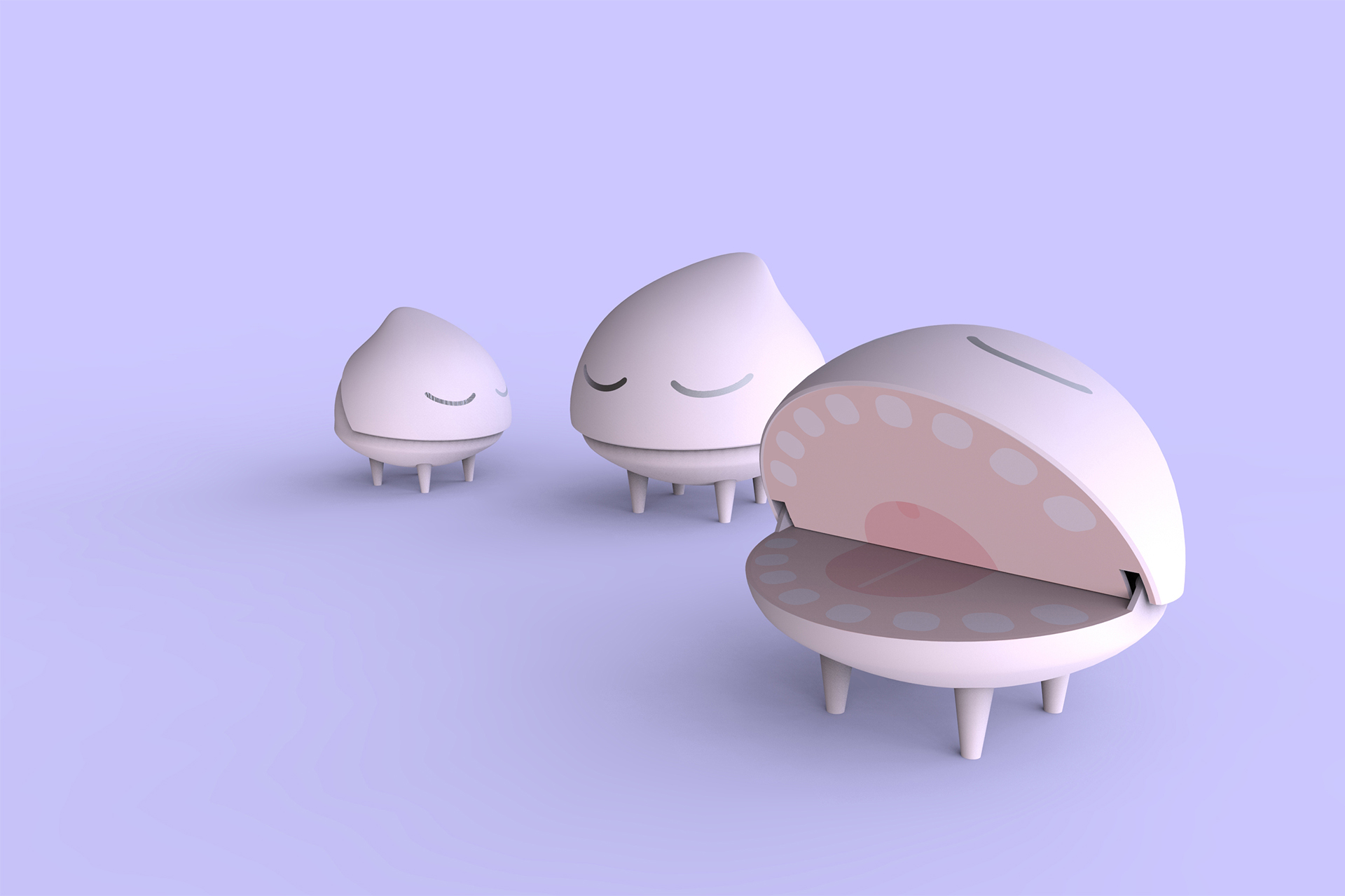
Yawnie is a smart product that helps people develop good sleeping habits. Designed by Products of Design students Roya Ramezani and Ziyun Qi and Interaction Design student Nic Barajas, Yawnie tracks users' sleeping conditions and reminds them to go to bed on time by triggering them to yawn. Yawnie capitalizes on the notion that yawning is contagious, and uses it to help improve the sleeping habits of its user.
SOCIAL INNOVATION DESIGN
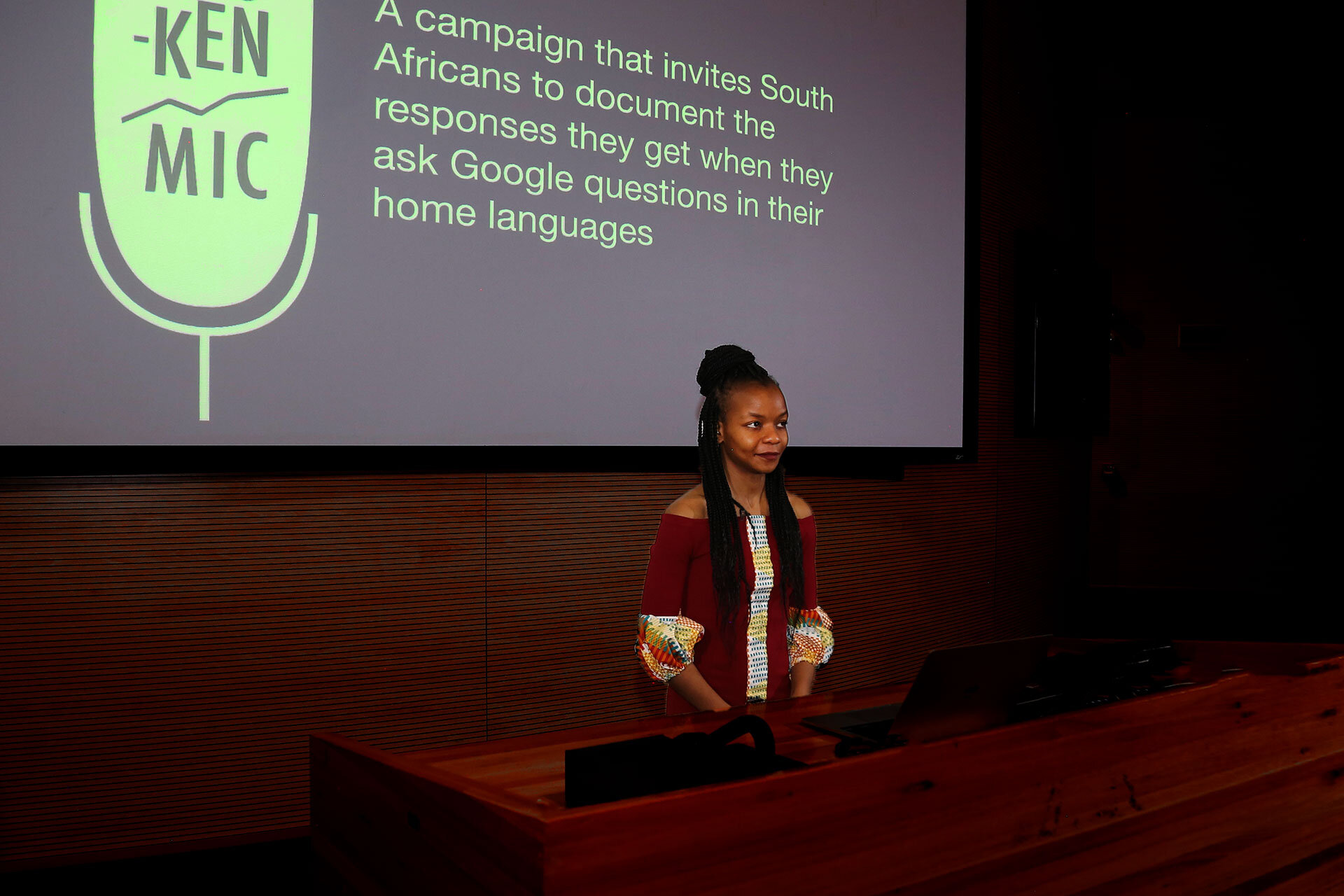
As a digital native who cannot imagine life without the conveniences of technology, Kgothatso Lephoko observed that of the 11 official languages in her home country South Africa, there are 9 indigenous languages that are underrepresented in the technology used thus limiting access to 46 million people, representing 79% of the population. Common applications of natural language processing (NLP), which is broadly defined as the ways in which computers understand and communicate with human language, include spell checking, machine translation, search engines, chat bots and voice interfaces such as Siri and Alexa.
Kgothatso’s thesis, Language In Language Out: Natural Language Processing in the Context of Indigenous South African Languages, explores the extent to which indigenous language speakers in South Africa are disadvantaged by technologies that exclude their languages and how she can use design to contribute to the development of more equitable tools to address this problem.

In honor of International Women’s Day today, we’ve assembled a collection of projects designed by current students and past alumni—each centered around designing for women and girls.
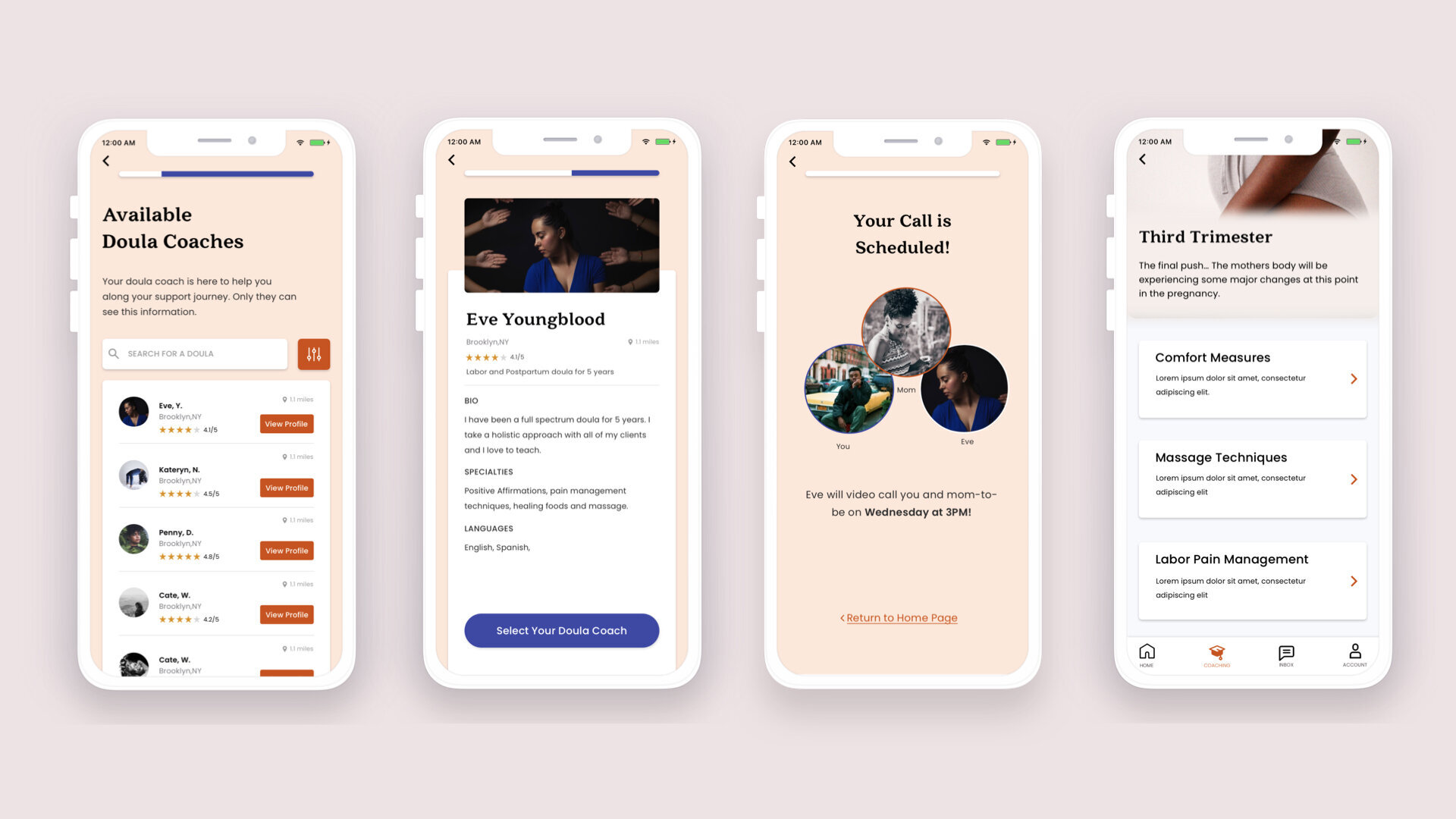
At a time when the maternal mortality rate in the US is soaring, Victoria Ayo's thesis, Birth Reborn: Using Design to Address Barriers to Equitable Maternal Care for Black Women, aims to give voice and power back to black women and mothers. Her project explores how design can build more awareness, facilitate the integration of ancestral knowledge, leverage the community, and help eliminate barriers to equitable birth outcomes. Victoria proposes new realities for collective care, bringing the wellbeing of mothers out of isolation and into solidarity.

Pantea Parsa grew up in Iran, where she encountered a confusing dichotomy: traditional Iranian society taught her that motherhood is the ultimate fulfillment for women, but, at home, she absorbed a different perspective. Her mother was an independent and successful woman who refused to be defined only as a mother and a wife. Pantea strived to be like her mother from a young age and ultimately decided that she doesn't want to become a mother in the future. However, should she become pregnant, she couldn't ignore the harsh reality that she would have to find an illegal back-alley abortion. For her thesis, By Choice: Designing the Abortion Journey, Pantea designed a suite of products that address the abortion journey from different lenses—including access, community, activism, and male accountability.
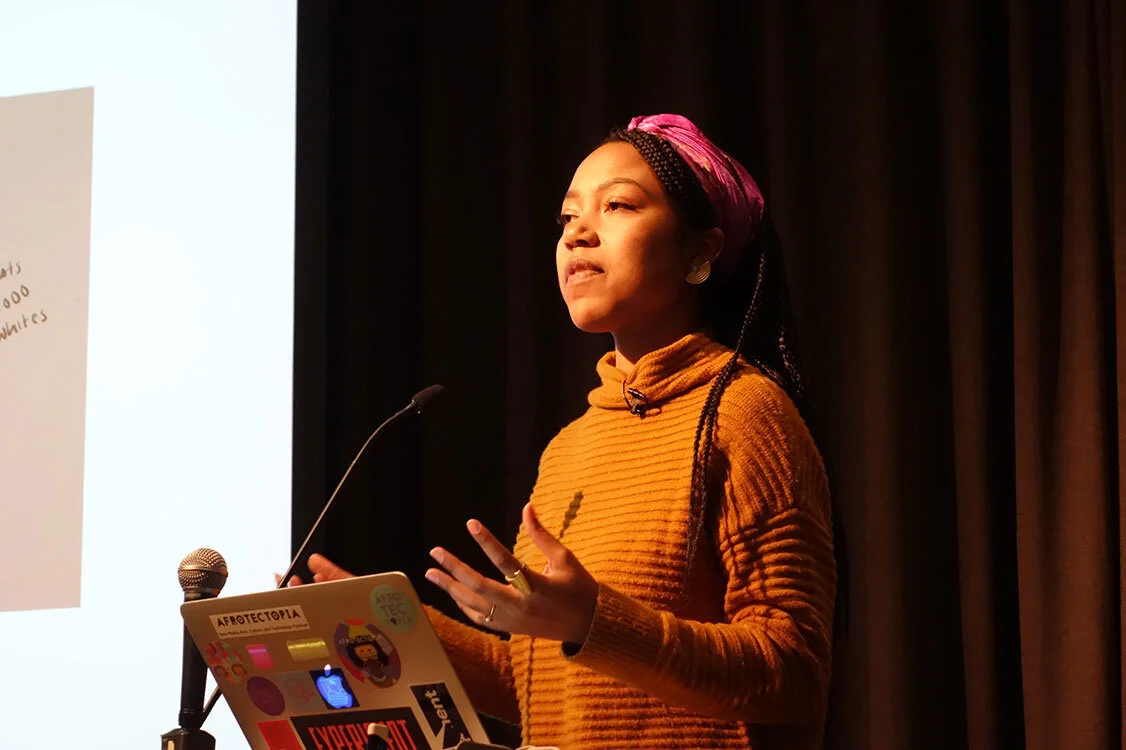
On December 11th, the extraordinary Ari Melenciano visited Products of Design to share her body of work, her vision, and her advocacy…and it was an incredible lecture. Ari is the founder and producer of Afrotectopia, the New Media Arts, Culture and Technology Festival. In addition, she is the founder and director of Publics.School—a platform exploring experimental methods to disseminate social justice issues, working on the first project called Justice Factory, an interactive data visualization platform for activists. Beyond these initiatives, Ari also shared her line of experimental "neo-retro" digital analog cameras, Ojo Oro; AricianoTV, an online video tutorial channel on creative coding; and a VJ/DJ (in the duo, GVÖ), with a residency in Brooklyn, NYC. Please enjoy the video and snapshots below!
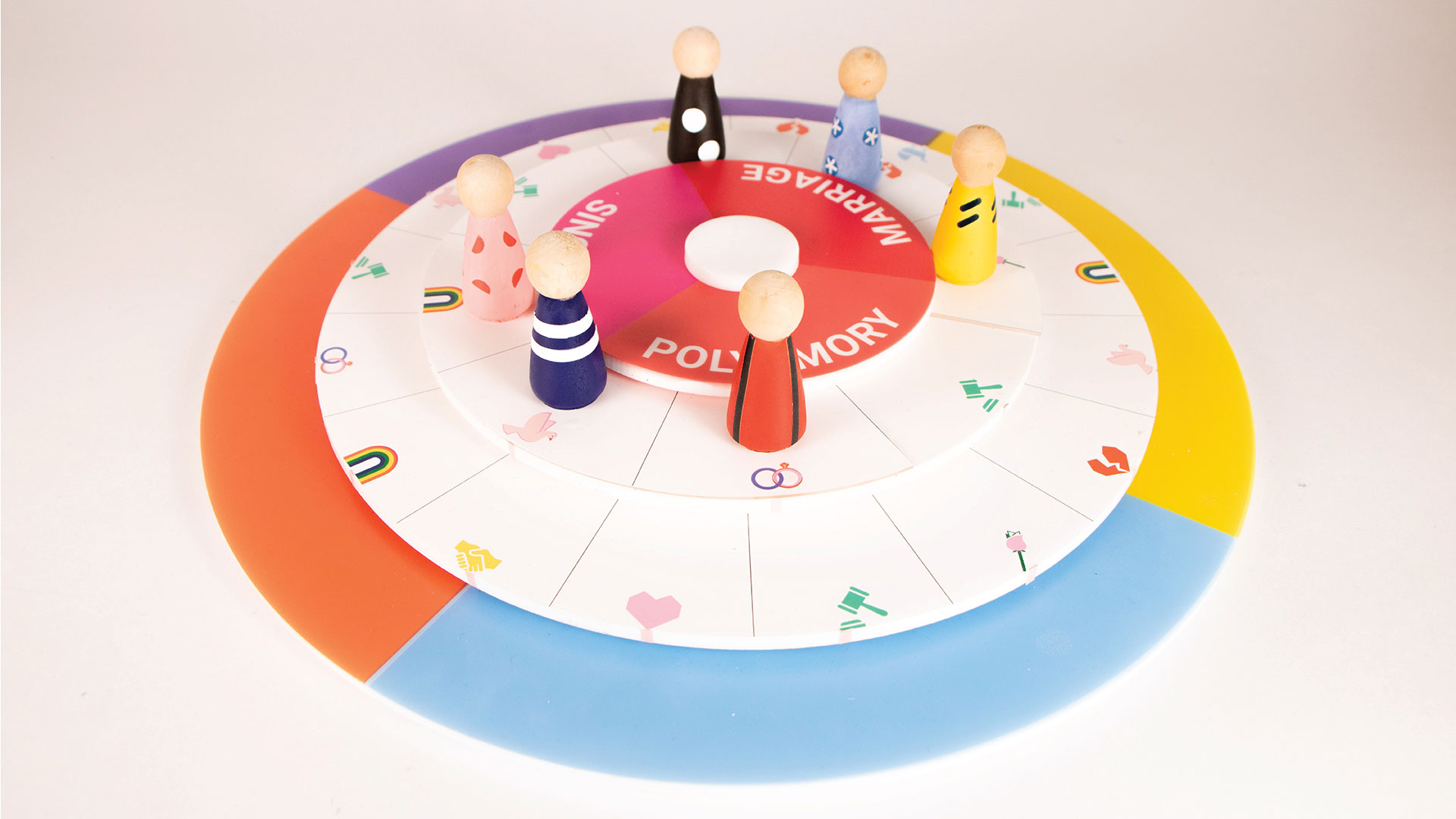
After becoming interested in the growing phenomenon of non-monogamous relationships, Yangying developed her thesis, MONO/POLY: Designing for a Post-Marriage Society, to create services, experiences, and educational games that speak to polyamorous partnerships and envision a society where monogamy is no longer the default ordering principle of society.

Hark, a speculative project created by second year student Antya Waegemann, is proposed to be the first over-the-counter sexual assault forensic exam (or “rape kit”) available at any major pharmacy. Small and discreet, Hark is designed to be approachable and comforting for survivors of sexual assault.
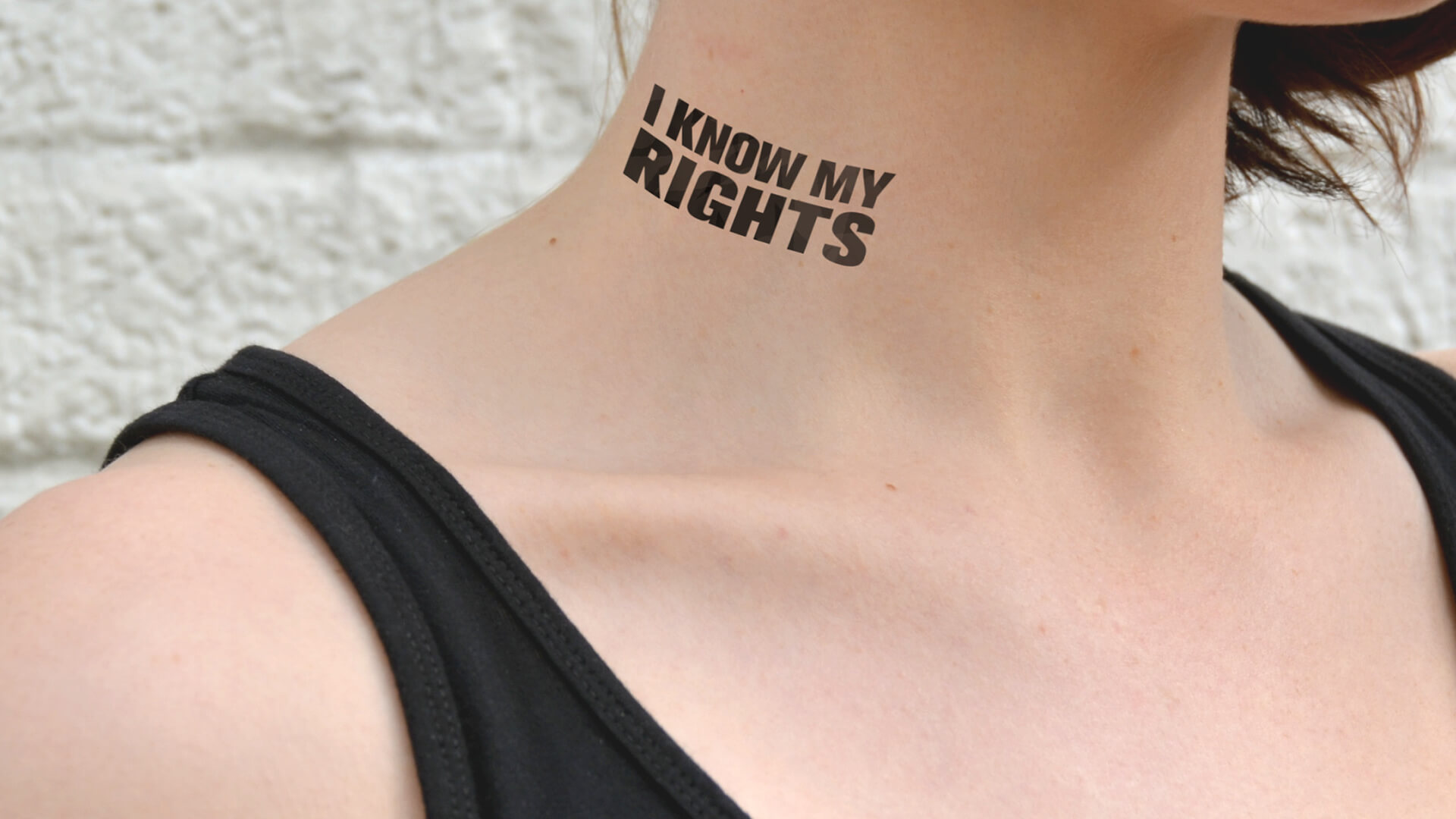
Julia Lindpaintner’s thesis work was inspired by her own experience of serving on a grand jury in Manhattan during the summer of 2016. It profoundly changed her understanding of the judicial system, and in particular, the way she saw her role in it. “My mental model shifted,” Julia states. She further explains, “Instead of seeing the judicial system as an autonomous force over which I had no influence, I felt viscerally the way in which we, as citizens, are collectively responsible for the system and the outcomes it produces.”
ENVIRONMENTAL/SUSTAINABLE DESIGN
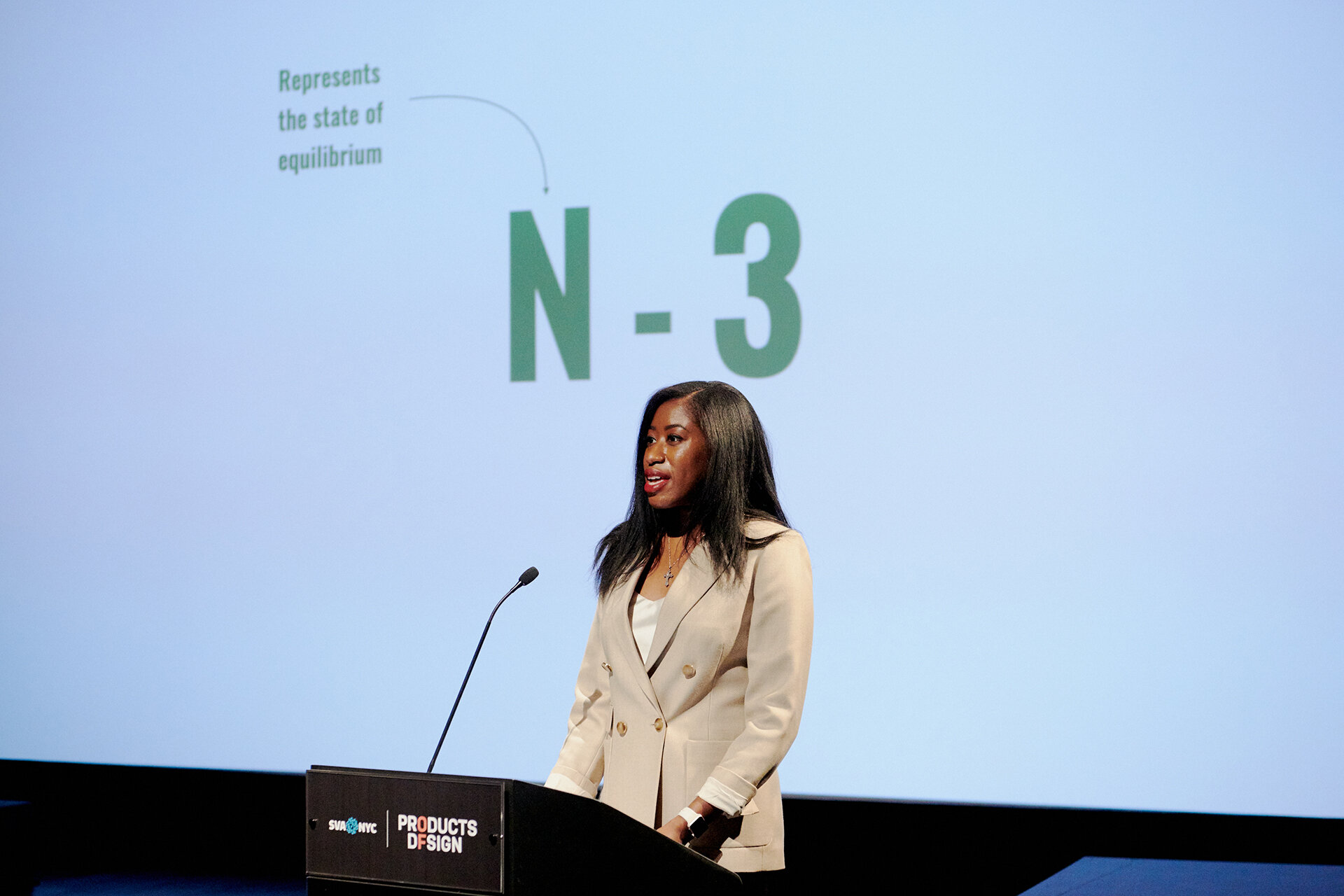
Regena Paloma Reyes is a service designer, New York City resident, and urban enthusiast. Her thesis, N-3+Me: Urban Resilience at Human Scale, investigates factors that promote adaptability in city-dwellers during times of crisis. Urban communities seem more likely to suffer significant losses in unnatural catastrophes, from infrastructure failure to terror threats due to their high population density. The ensuing collection of research and product design examines how resilience can be at its greatest in urban environments, and how city spaces, diverse populations, and the expansive interpersonal networks that arise therein can be used to create cultures of preparedness at individual, interpersonal, and community scales.
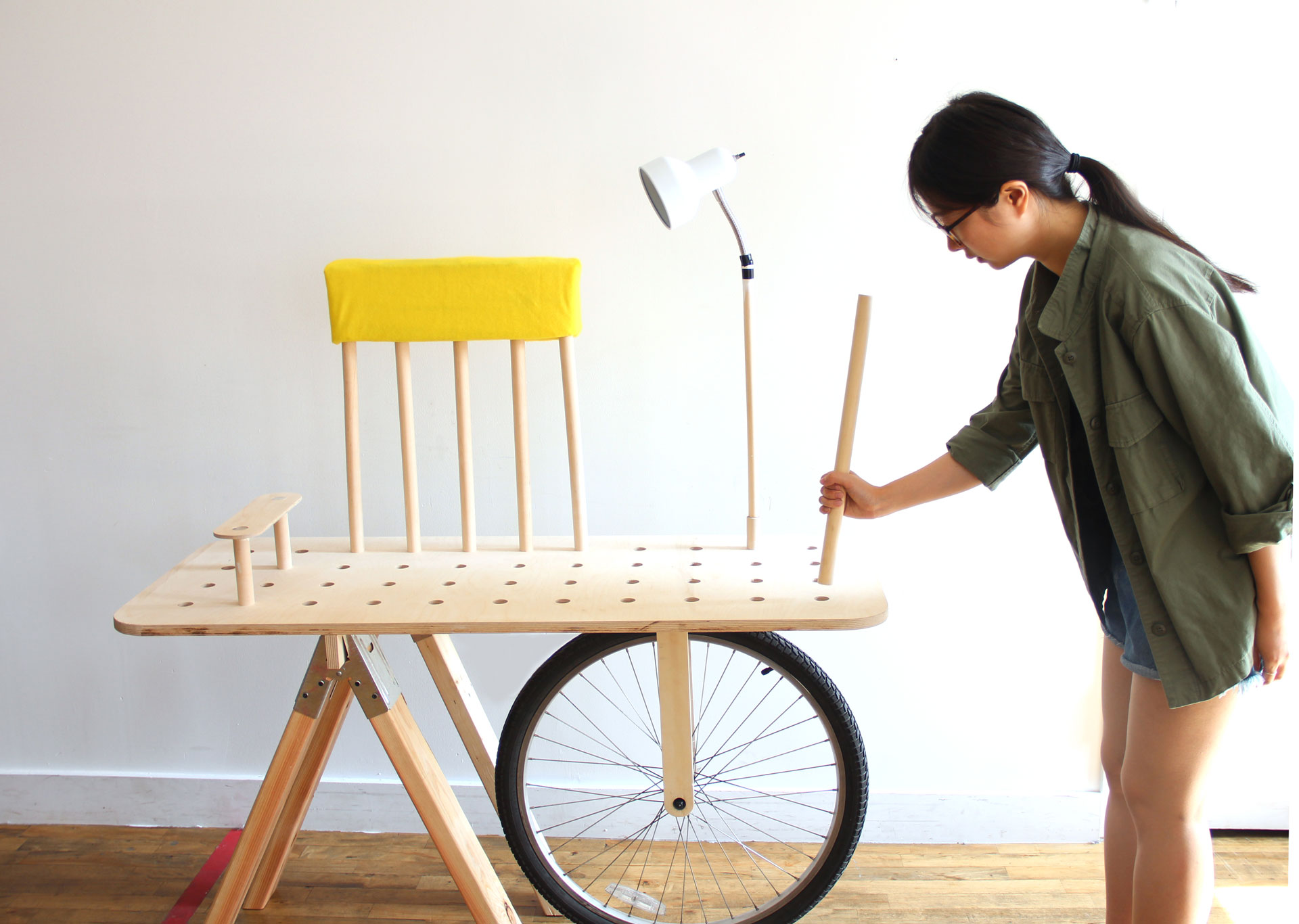
In her thesis Prosumerism: Crafting Alternate Consumption Experiences, Sowmya Iyer explores whether products and services can ease the consumer’s guilt of excessive spending and materialism by providing them with options that best fit their values of sustainability. She also wanted to find out if these products/services could be adaptive to the consumer’s lifestyle and built for their convenience. As part of her research process, Sowmya spoke to researchers, innovators, educators, authors, and artists exploring ways to reduce the effects of modern consumerism on the environment.
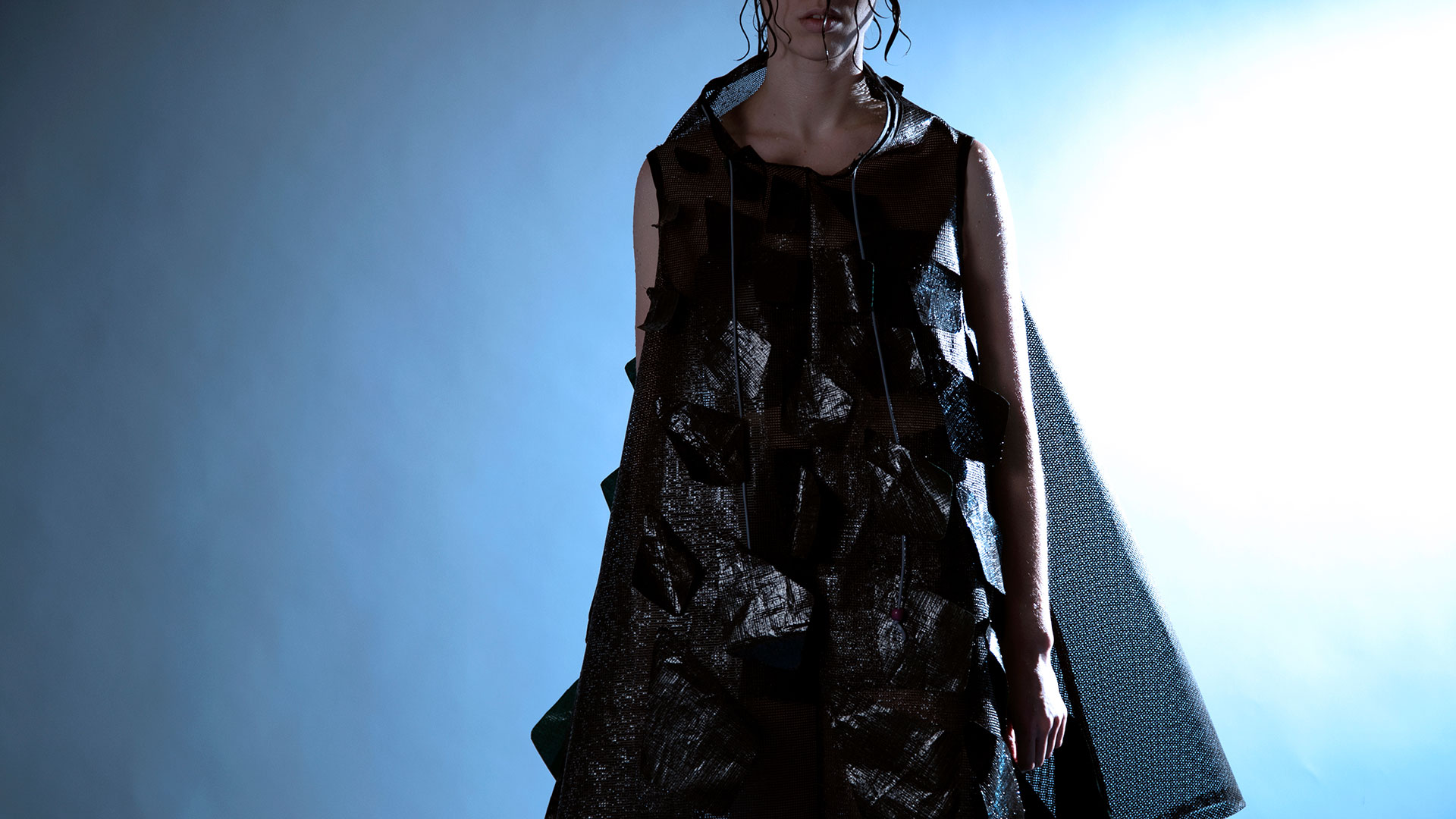
Jenna Witzleben’s Master’s thesis, Finding the Wild: A Visceral Approach to Sustainability, explores an alternative future trajectory—“rewilding”—and how physical and emotional reconnection with our natural environments can inspire lifestyles of environmental stewardship.
EXPERIENCE DESIGN
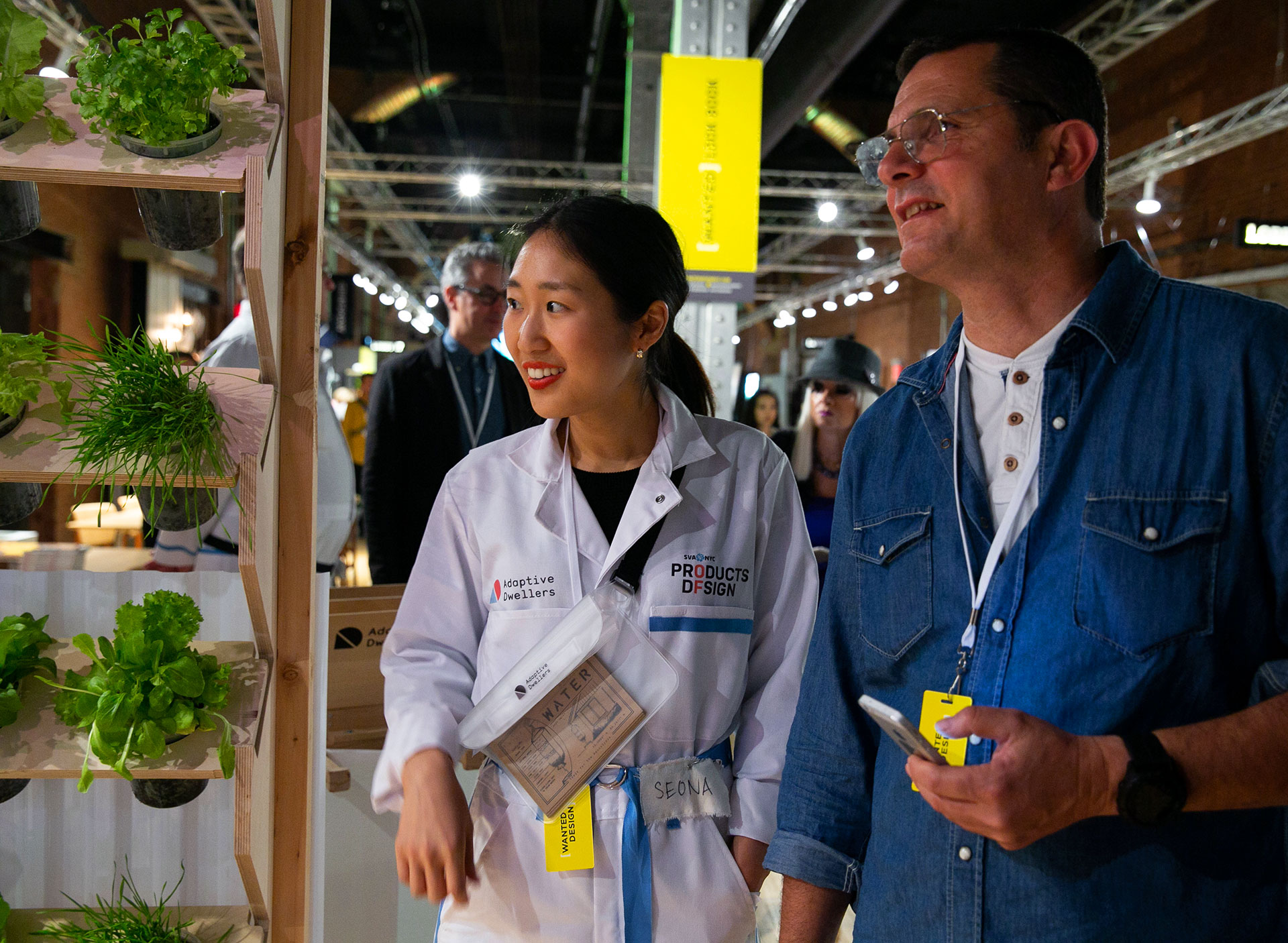
For the seventh annual showcase at Wanted Design, and as part of NYCxDesign 2019, students of SVA’s MFA in Products of Design present Adaptive Dwellers, an interactive installation that explores the role of design in humanity’s adaption in a world devastated by climate change.

The students have created The Datalogue, a four-part stationary machine which emulates the systems and unmasks the consequences behind data collection. Though data mining is an invisible procedure that occurs through countless digital channels, the exhibition transforms it into a visible, tangible process.
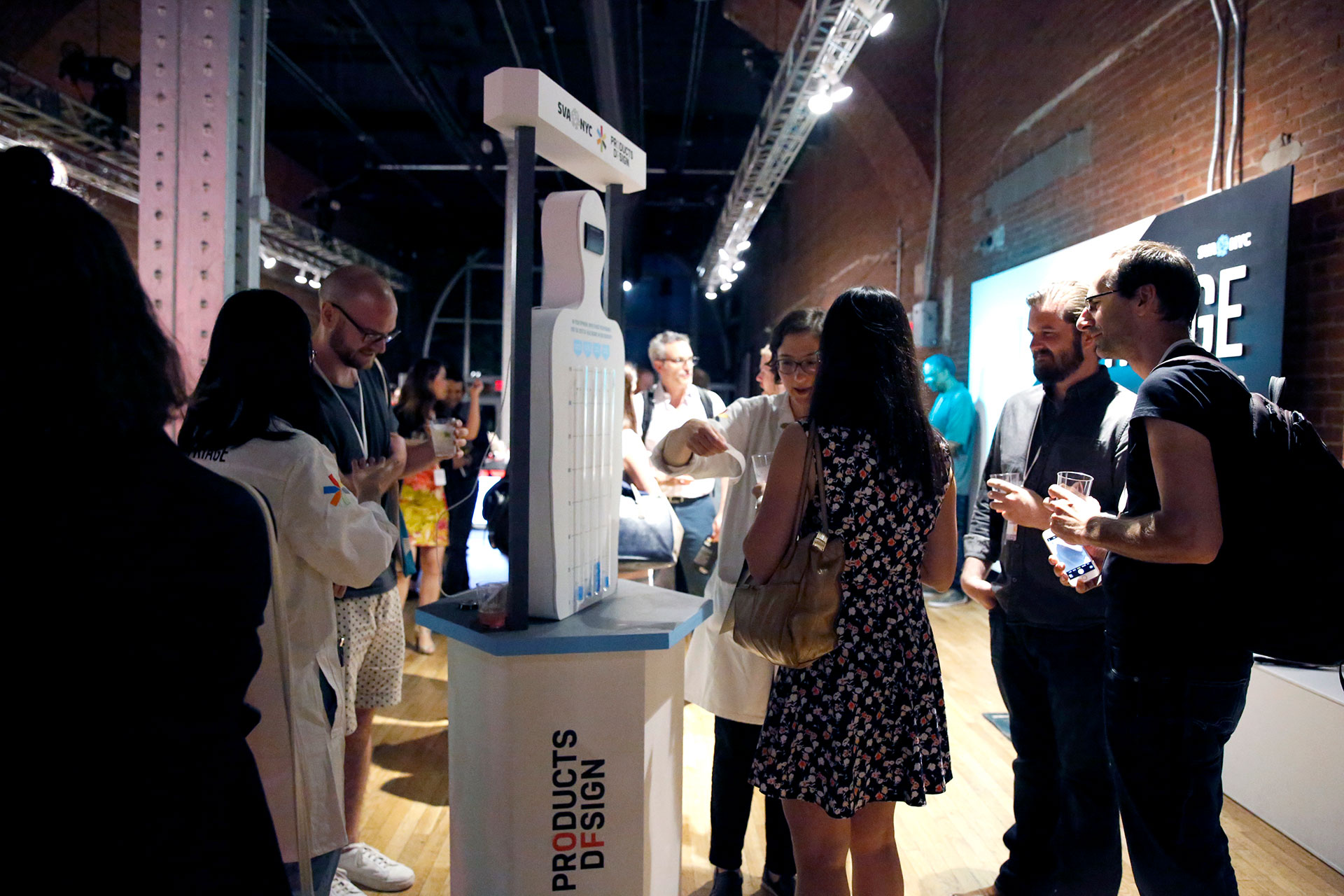
Students of SVA’s MFA in Products of Design present TRIAGE, an interactive exhibition that reframes contemporary urgencies through the lens of design. The work is part of the city-wide NYCxDesign celebration. We live in uncertain times, faced with a political climate where institutions that offer solutions to complex challenges are under threat, systematically undermined, and dismantled. TRIAGE consists of six roving design interactions that assess the socio-political priorities of visitors to the design festival. At the start of the exhibition, visitors receive a TRIAGE CARD that tracks and gradually compiles their unique profile.
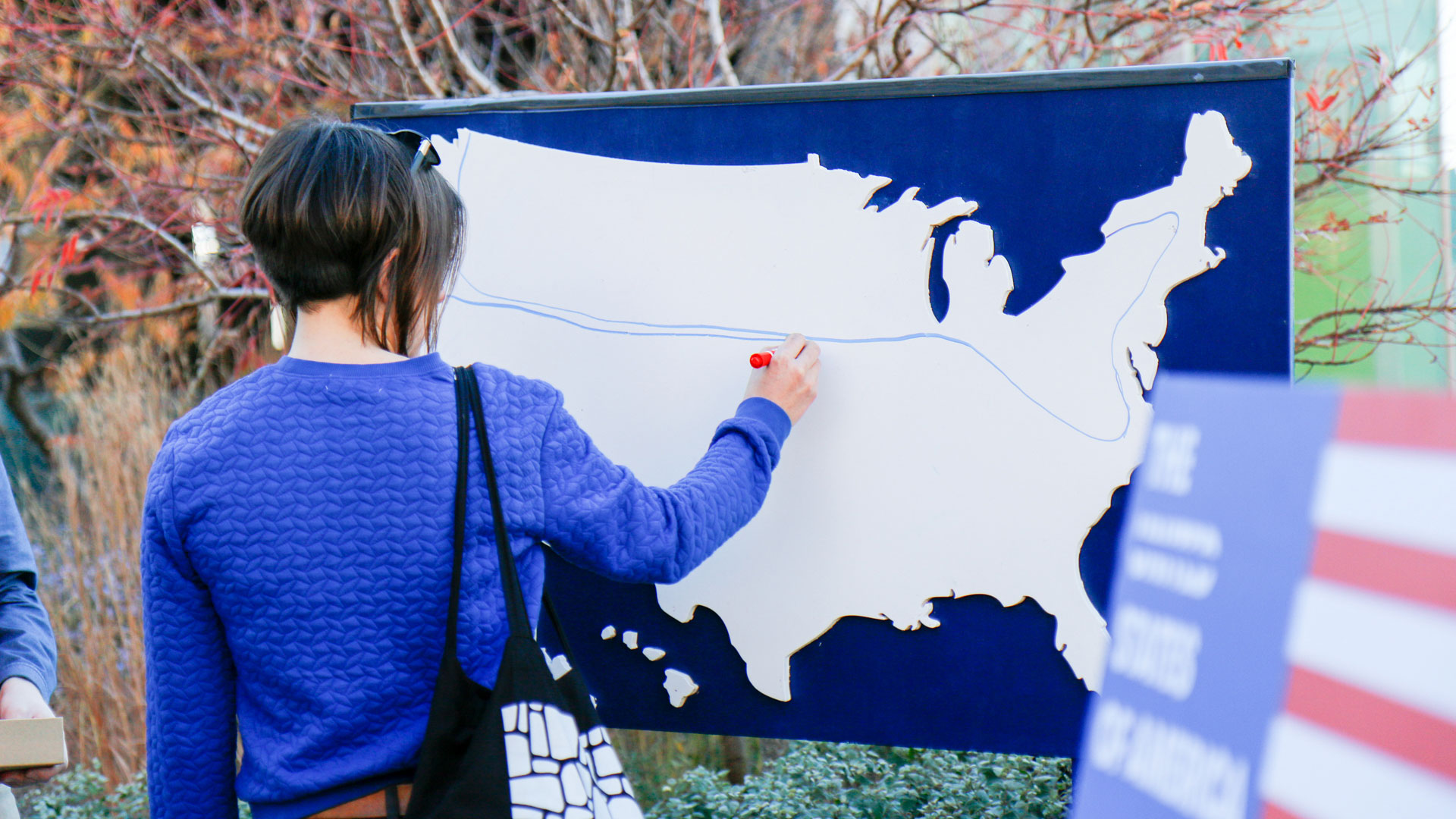
Tomorrow, the students of the MFA Products of Design will be out on the streets of New York City providing design interventions around politics and citizenship. We'll follow up with pics very shortly, but for now, take a look at the descriptions, locations, and times below, and come on out to see them!
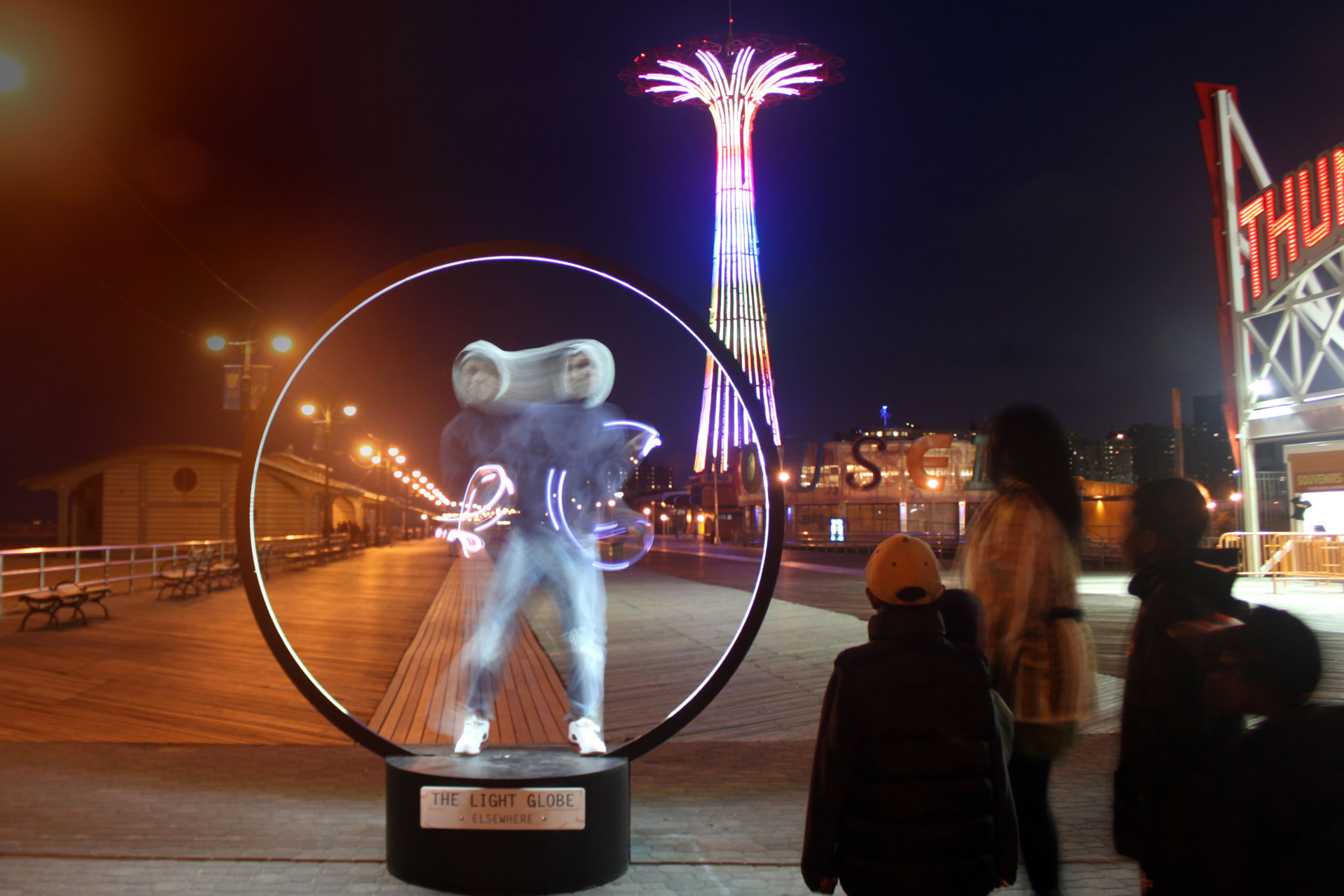
Here, There & Elsewhere is a masters thesis project about the experiences of travel and place. Leila Santiago was born and raised in São Paulo, Brazil, one of the largest and most complex cities in the world. There she trained as an architect and urbanist, studying the built environment and the complexities of the urban space. In the midst all of that, Leila also learned that the urban space "is a place for playing."
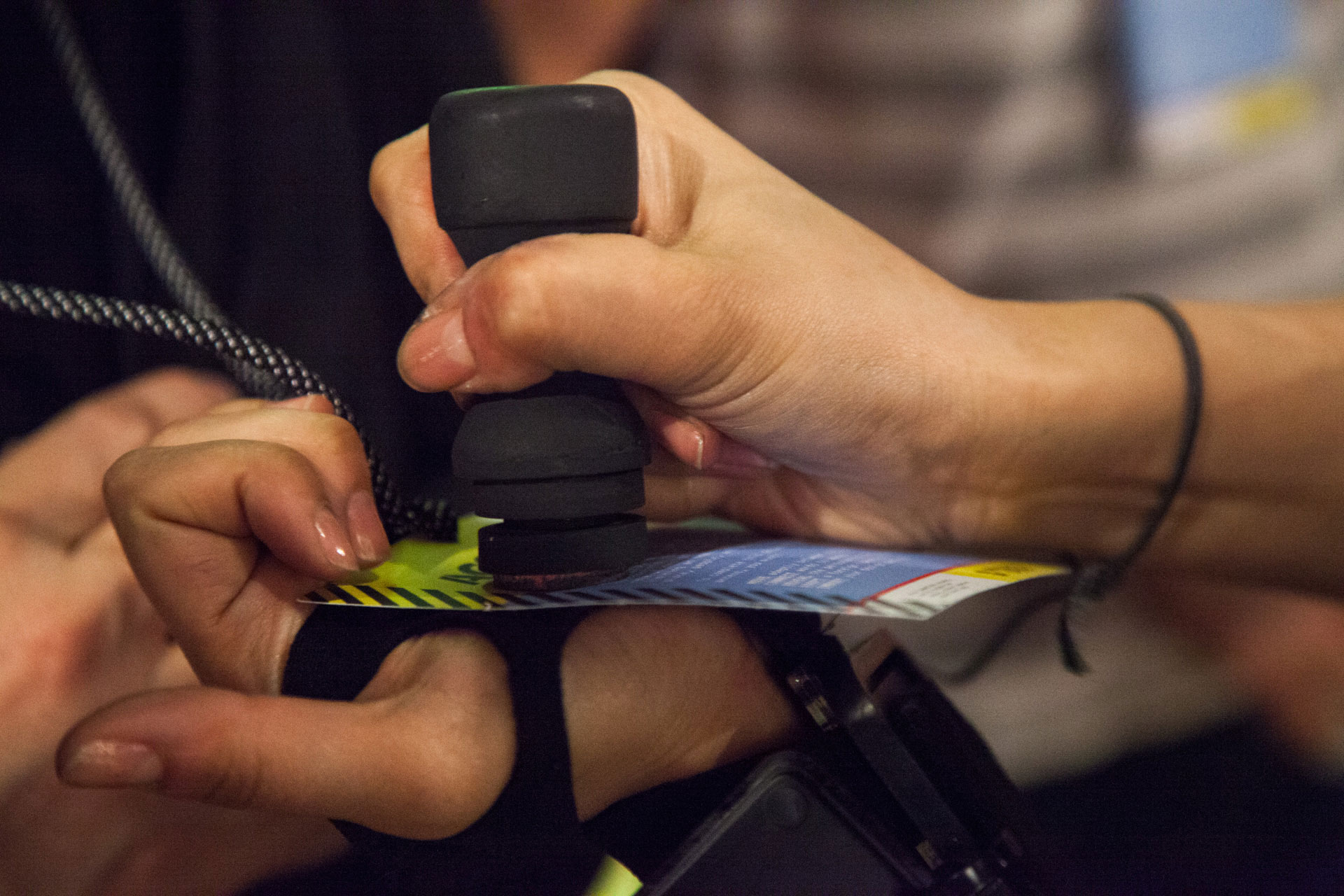
As part of NYCxDesign, the students of the MFA in Products of Design at the School of Visual Arts present ACCESS LTD, a set of roving checkpoints that investigates the way access is granted and denied by design—based on where we’re from, what we look like, how we speak, and what we own. Embracing the international theme at the Wanted Design show, the students explore the way our national, cultural, and personal identities determine our opportunities—both locally and globally. Despite global common ground and interdependence, our differences continue to influence what rights and privileges we enjoy. Using the language and tropes of border control, the work invite guests visiting the Wanted Design exhibition to examine the role of design in granting or limiting an individual’s access to place, people, and prosperity.
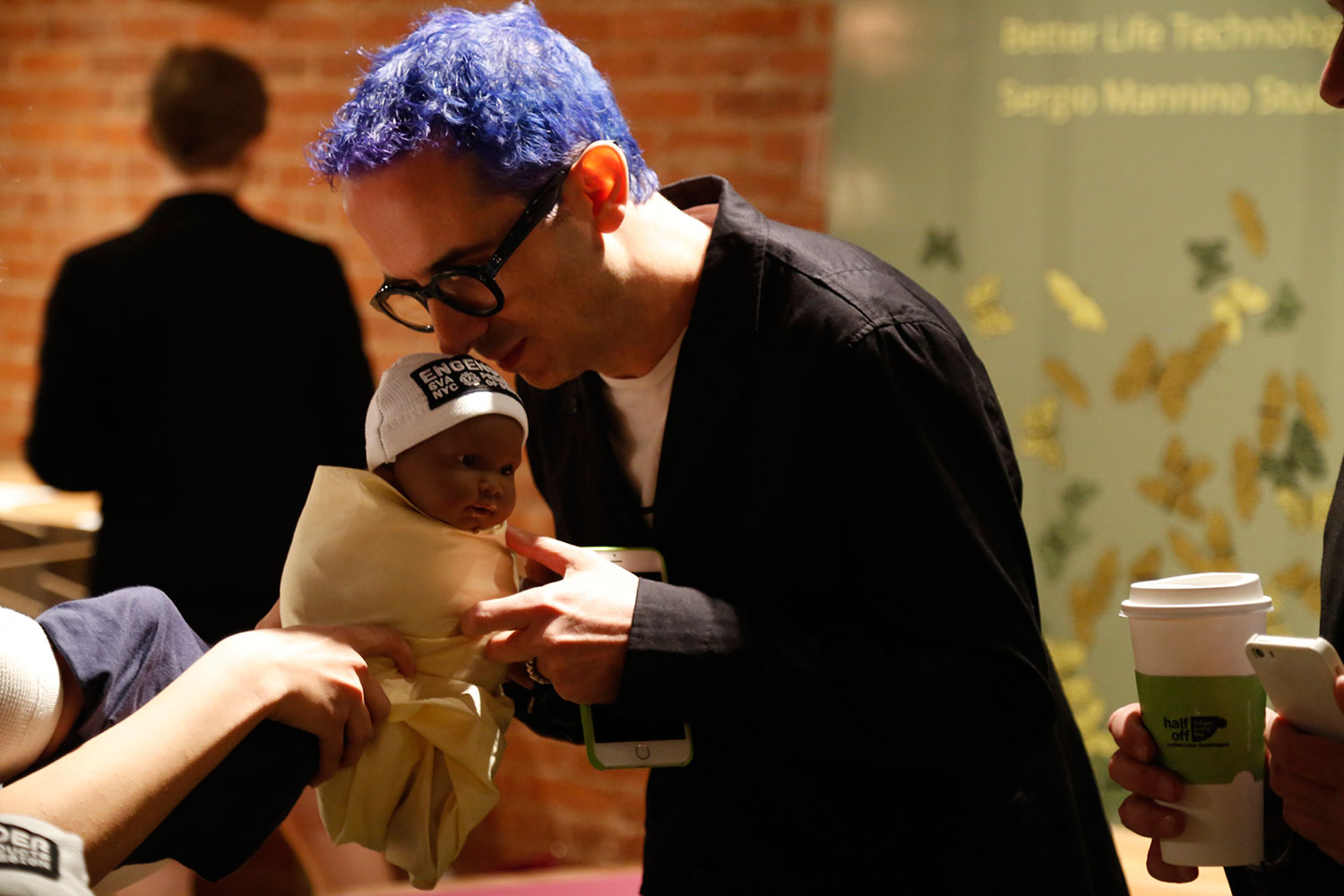
As part of NYCxDesign, the students of the MFA in Products of Design at the School of Visual Arts present Engender, a roving and interactive exhibition that explores the role of design in the construction of gender identities. The exhibition’s eight interventions deconstruct simple artifacts and gestures of our gendered world and invite visitors to play along in a performative game of gender mash up and reconstruction.
Berk Ilhan’s master’s thesis, Uplift, addresses the quality of life of cancer patients—identifying opportunities that cultivate joy and happiness, and strengthening the support group around the patient. Based on his hypothesis that, through design, joy and humor can positively change most experiences—and inspired by the revolutionary physician Hunter Doherty (popularly known as “Patch Adams”), advocate of humor, fun, and love in healthcare—Berk’s work re-imagines hospital and outpatient experiences beyond conventional boundaries.